
In the world of fine jewelry, the focus naturally falls on gleaming gemstones and lustrous precious metals. Yet, the true heroes of durability, comfort, and wearable art are the unseen components known as jewelry findings.
These small, functional parts the clasps, posts, prongs, and connectors form the essential framework that holds every beautiful piece together. This comprehensive guide explores the critical role of findings, their various types, and how choosing the right ones elevates both the craftsmanship and longevity of your jewelry.
What Are Jewelry Findings -
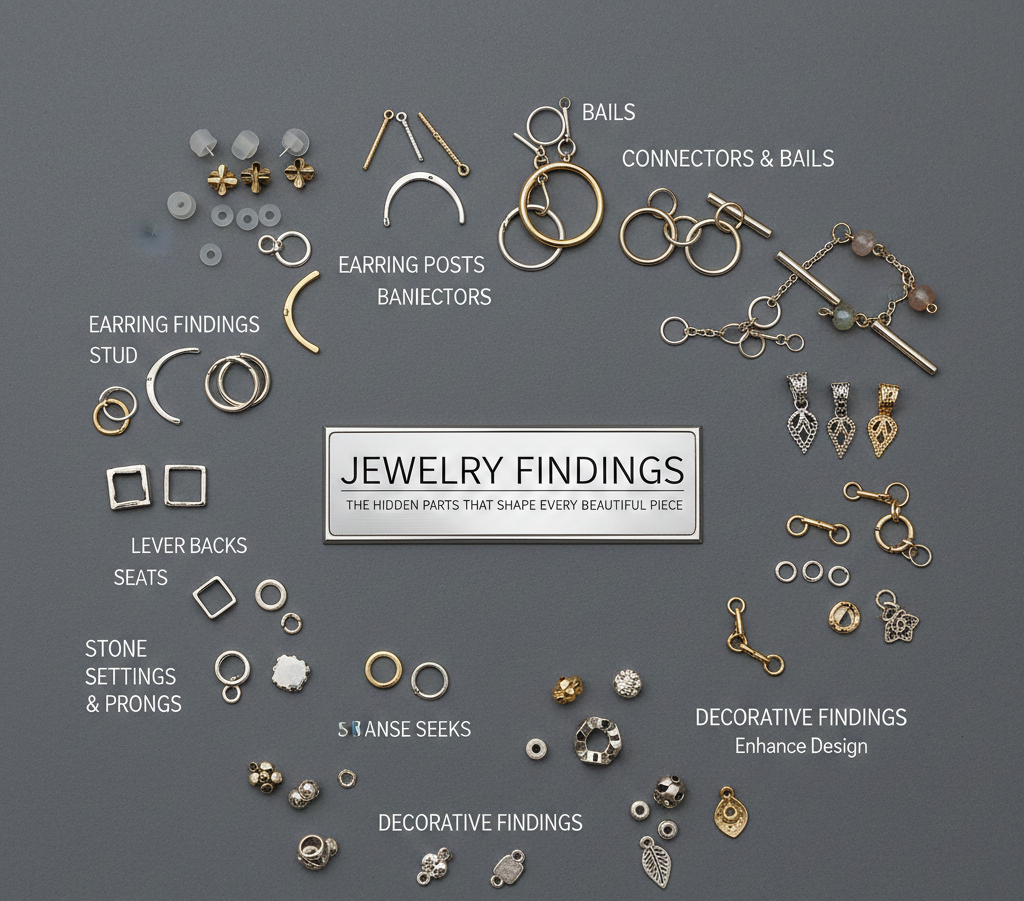
Jewelry findings are the pre-fabricated metal components used to construct, connect, and fasten jewelry. They are the nuts and bolts of the trade, providing the necessary structure to transform decorative elements into a secure, wearable accessory. From the clasp that secures a necklace to the tiny prongs that cradle a diamond, findings are indispensable. Though often hidden, their quality directly dictates a piece's security, comfort, and lifespan. A stunning design can fail in daily wear if its underlying findings are poorly chosen or crafted.
The Core Categories of Jewelry Findings -
Findings can be broadly categorized by their primary function, though many serve both practical and decorative roles.
Functional Findings:
These components are primarily utilitarian, focused on secure fastening and structural integrity.
Clasps and Closures: The secure endpoint of necklaces, bracelets, and anklets. Common types include:
Connectors: These parts link components together.
Bails: The connector that allows a pendant to hang from a chain. They come in various styles, including glue-on, pinch, and fold-over bails.
Decorative & Hybrid Findings:
These findings add aesthetic value while performing their primary role.
Decorative Connectors and Links: Ornate links or spacers that become a visible part of the design.
Bead Caps and Cones: Used to elegantly finish the ends of beads or multi-strand pieces.
Ornate Settings: Prong and bezel settings that are sculpted into decorative shapes (e.g., floral, filigree) to enhance the stone.
Table: Comparison of Common Functional Findings
Jewelry Findings: Types & Uses
1. Lobster Clasp
Primary Use: Securing chains.
Key advantage: Very secure and easy to operate.
Best suited for: Necklaces, Bracelets.
2. Toggle Clasp
Primary Use: Securing chains.
Key advantage: Decorative and secure on heavier pieces.
Best suited for: Statement necklaces, Bracelets.
3. Jump Ring
Primary Use: Connecting components.
Key advantage: Highly versatile and available in multiple sizes.
Best suited for: General jewelry assembly.
4. Split Ring
Primary Use: Connecting components.
Key advantage: Extremely secure; resistant to pulling open.
Best suited for: Keychains, Heavy charms.
5. Ball Tip Headpin
Primary Use: Creating bead dangles.
Key advantage: Decorative end doubles as a design element.
Best suited for: Earrings, Pendants.
Stone Settings and Prongs:
Settings are a specialized category of findings designed to hold gemstones securely while maximizing their beauty.
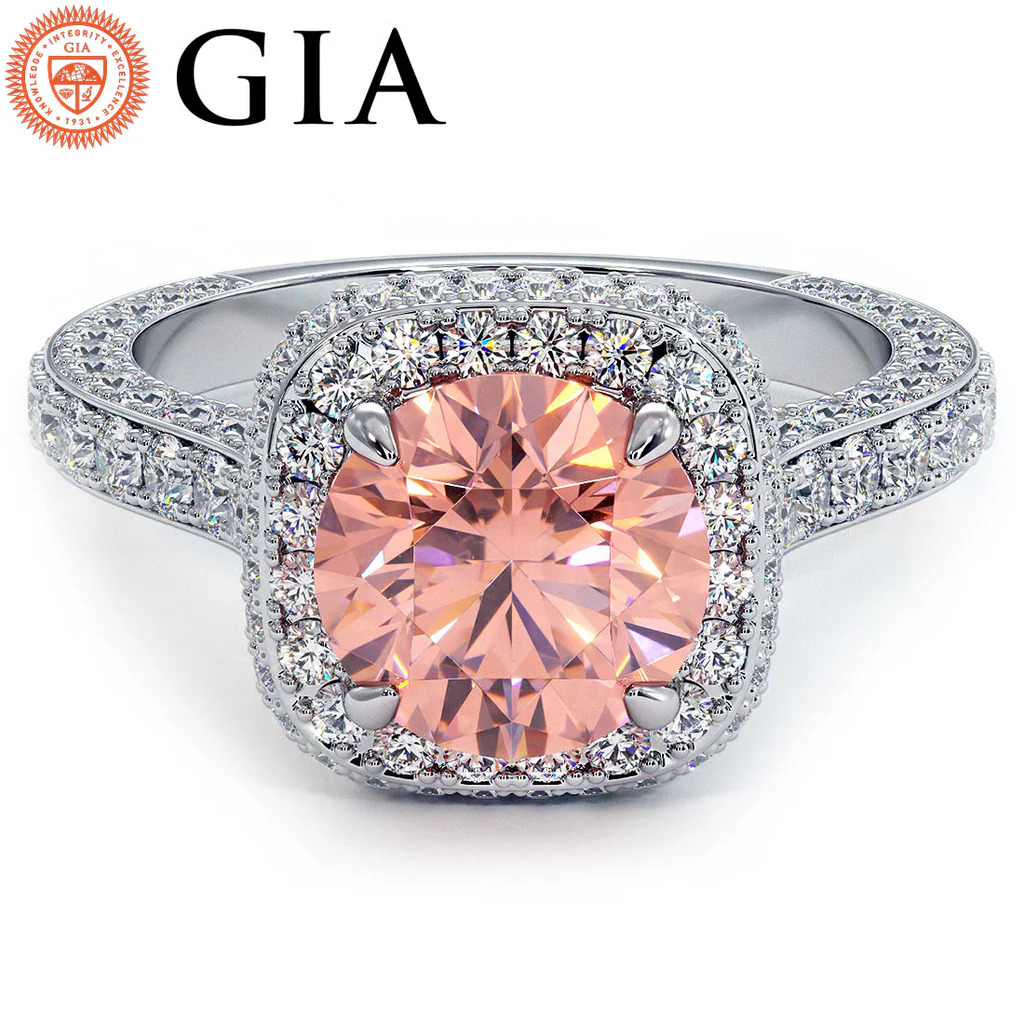
Prong Settings, the most classic style, use small metal "claws" to hold the stone's girdle. They allow maximum light exposure, enhancing a stone's brilliance. The number and style of prongs vary:
Four or Six Prongs: A classic choice for round stones; six prongs offer perceived security, while four prongs show more of the diamond.
V-Prongs: Specifically designed to protect the pointed corners of princess, marquise, or pear-shaped diamonds.
Types of Prong Finishes: These affect the jewelry's final style.
Other common setting types include:
Bezel Settings: A metal rim encircles the entire girdle of the stone. This is the most protective setting, ideal for active lifestyles, though it can make a stone appear slightly smaller.
Channel Settings: A row of stones set side-by-side between two metal walls, creating a smooth, continuous line of sparkle, often used in eternity bands.
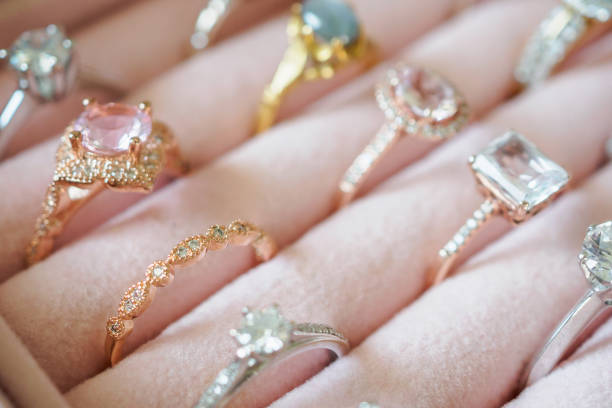
Explore a stunning array of prong-set diamond rings and other settings to see these styles in practice.
Earring Findings:
Earring findings must combine security with comfort for prolonged wear. The choice depends on style, weight, and wearer preference.
Earring Findings: Types, Pros & Best Uses
1. Stud Posts
Description: A straight post that passes through the earlobe and is secured with a backing.
Pros: Secure fit. Classic design. Comfortable enough for sleeping.
Cons: May cause irritation if the post is too long.
Best suited for: Everyday stud earrings. Delicate gemstone settings.
2. Fish Hook / French Hook
Description: A curved wire that hangs freely through the ear piercing.
Pros: Easy to wear and remove. Ideal for dangle-style earrings.
Cons: Can slip out without a stopper.
Best suited for: Light to medium-weight dangle earrings.
3. Leverback
Description: A hinged wire that snaps closed securely behind the ear.
Pros: Extremely secure. Comfortable for extended wear.
Cons: More expensive than basic hooks. Less flexible in design options.
Best suited for: Valuable earrings. Heavy or premium designs.
4. Hinged Hoops
Description: A hoop earring with a hinged opening for easy wear.
Pros: Secure closure. Easy to put on and remove.
Cons: Can feel heavier, especially in larger sizes.
Best suited for: Hoop earrings of all sizes.
5. Clip-Ons
Description: Earrings that attach to the earlobe using pressure, without the need for piercings.
Pros: No piercing required.
Cons: Can slip or cause pressure discomfort.
Best suited for: Non-pierced ears. Fashion and occasional styles.
For designers, sourcing high-quality earring findings is crucial. Discover a curated selection of sterling silver and gold-filled findings perfect for creating professional, comfortable pieces.
The Critical Choice: Materials Matter
The material of a finding affects its appearance, durability, skin sensitivity, and price point.
Sterling Silver (925): A versatile and popular choice for its bright white finish and good value. It is hypoallergenic for most people but can tarnish over time.
Gold-Filled: Composed of a thick layer of gold bonded to a base metal core. It offers excellent durability and the look of solid gold at a more accessible price point, and is highly tarnish-resistant.
Solid Gold (14K, 18K): The ultimate in luxury and durability. Hypoallergenic and virtually maintenance-free, it's an investment in heirloom-quality components.
Platinum: Dense, heavy, and naturally white, it is the most prestigious metal for fine jewelry settings, known for its strength and longevity.
Surgical Stainless Steel & Titanium: Highly durable, hypoallergenic, and affordable options, excellent for sensitive skin and functional jewelry.
When selecting materials, consider the final piece's price point and the wearer's needs. For a luxury feel without the solid gold price, gold-filled components are an exceptional choice.
How to Select the Right Findings for Your Design -
Choosing findings is a blend of engineering and artistry. Here are key considerations:
Match the Metal: Ensure finding metal matches or intentionally complements the rest of the piece (e.g., all sterling silver, or mixed metals for a trendy look).
Scale and Proportion: The finding size should match the piece. A delicate chain needs a small clasp; a heavy pendant needs a sturdy bail and jump ring.
Consider the Wearer's Lifestyle: An active person needs secure clasps (lobster, toggle) and protective settings (bezel, channel). For sleepers, secure post backs or small hoops are best.
Prioritize Security for Valuables: High-value gemstones demand the most secure settings (e.g., six-prong, bezel) and closures (leverback, screw-lock clasps).
Test for Comfort: Smooth finishes, rounded edges, and appropriate wire gauges are essential, especially for findings that touch the skin like ear wires and bracelet clasps.
Sourcing Quality Findings and Building Your Business -
For jewelers and makers, sourcing is key. Start with a core inventory of versatile findings in your primary metal. As your volume grows, buying wholesale findings becomes cost-effective.
Quality indicators include smooth finishes, consistent sizing, smooth-working mechanisms, and proper metal stamps (e.g., "925" for sterling). Poor-quality findings lead to customer complaints, returns, and damage to your brand's reputation.
For businesses ready to scale, a reliable B2B marketplace is invaluable. Platforms like CaratX provide access to a vast global network of buyers and suppliers. You can launch your products on CaratX to connect with international retailers or source materials directly.
Frequently Asked Questions (FAQs)
Q: What is the most secure type of earring finding? A: For pierced ears, leverback findings are considered the most secure as they have a hinged mechanism that snaps closed. For studs, posts with screw backs provide superior security over standard butterfly backs.
Q: How often should I have the prongs on my ring checked? A: It is recommended to have a professional jeweler inspect your prong settings at least once a year. Regular wear can cause prongs to loosen, bend, or wear down over time, risking stone loss.
Q: What's the difference between gold-plated and gold-filled findings? A: Gold-plated has a very thin layer of gold over base metal and will wear off relatively quickly. Gold-filled material has a much thicker, bonded layer of gold (at least 5% of the total weight) and is far more durable, lasting for years with proper care.
Q: Are there hypoallergenic finding options for sensitive skin? A: Yes. Look for findings made from surgical stainless steel, titanium, niobium, solid karat gold (14K+), or platinum. High-quality sterling silver and gold-filled materials are also generally hypoallergenic for most people.
Q: Where can I find high-quality gemstones to pair with my findings? A: Sourcing gems directly from a global marketplace ensures both quality and value. You can shop for certified gemstones from trusted suppliers worldwide to find the perfect stones for your designs.
Explore the new era of diamond jewelry with confidence.
Discover our curated collections of Premium Lab-Grown Diamonds for exceptional quality and value.
Explore the timeless beauty of our Natural Diamond Selection.
For jewelers and retailers looking to capitalize on this stabilized market, learn about our B2B Marketplace Solutions to access a global network of buyers.