
The lab-grown diamond (LGD) industry has undergone a radical transformation, evolving from a novelty to a formidable player in the global jewelry market. As this sector matures, stakeholders face critical questions about sustainability, profitability, and long-term viability.
Market Overview: Growth, Pricing, and Volatility
Explosive Growth Meets Price Erosion -
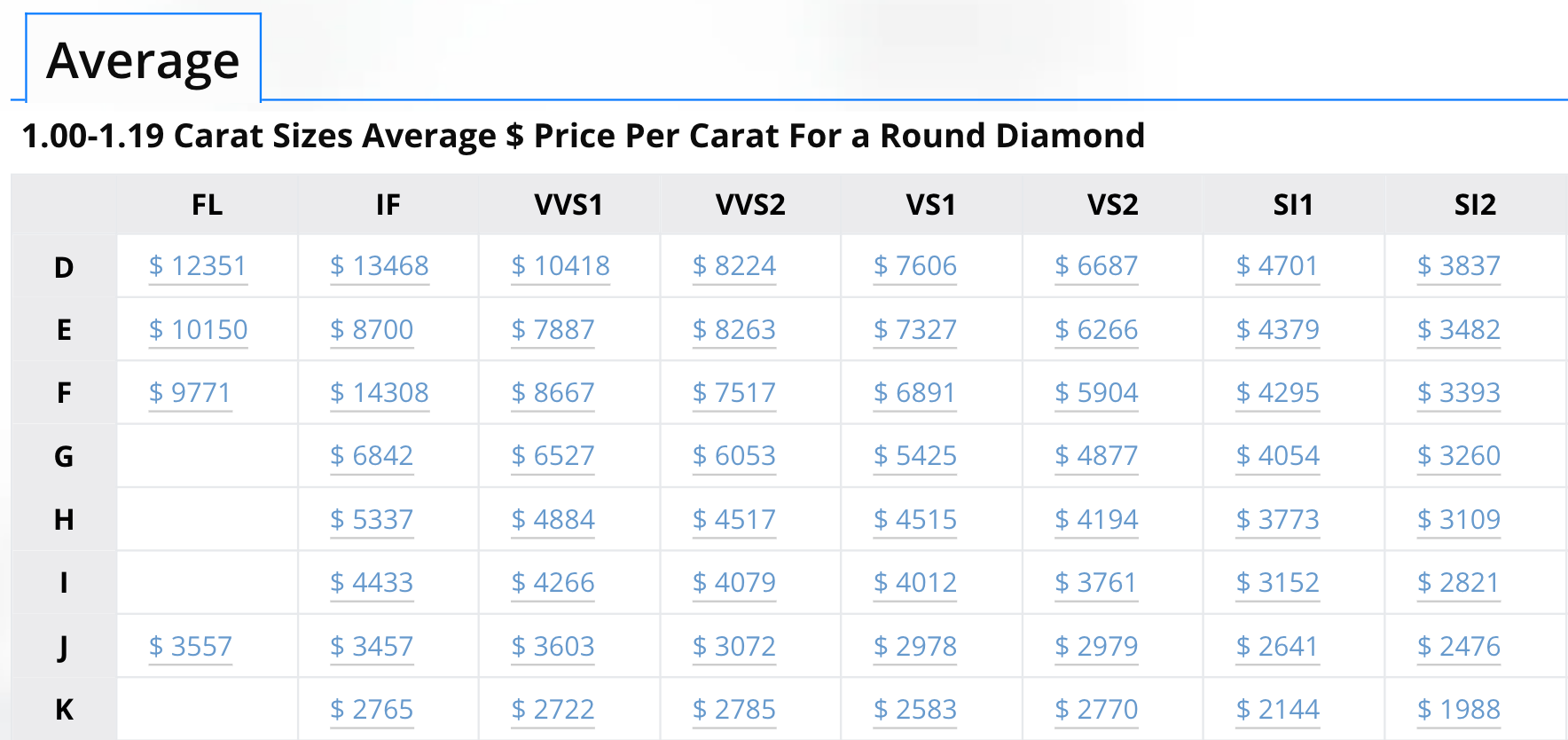
Lab-grown diamonds now represent 14% of the U.S. jewelry market, a figure projected to rise to 20% by 2027 (Tenoris, 2024). Engagement rings remain the primary driver, with 45% of 2024 sales featuring LGD center stones. However, the industry faces a paradox: surging demand coincides with collapsing prices. Wholesale costs for 1-carat LGDs have plummeted 73% since 2016, from 2,100 to 2,100 to 570 per carat (Edahn Golan Diamond Analytics).
Retailers currently enjoy margins of 60–70% on loose stones, but De Beers’ 2024 annual report warns of an impending correction. As production scales, India’s LGD output alone surged 63% YoY in 2023, wholesale prices could drop another 30% by 2026, pressuring retailers to adjust pricing strategies.
Source competitively priced LGDs at CaratX Wholesale Marketplace.
Regional Market Dynamics -
North America: Dominates LGD consumption (52% of global demand), driven by Gen Z’s eco-conscious ethos.
Asia-Pacific: Fastest-growing region (18% CAGR), fueled by India’s manufacturing boom and China’s luxury appetite.
Europe: Lags due to stricter “synthetic” labeling laws but sees traction in Scandinavia’s sustainable luxury niche.
Explore global trade patterns in this World Diamond Council Report.
Consumer Behavior: Bridal, Fashion, and Generational Shifts
Bridal Market: Emotion vs. Economics
Lab-grown diamonds now dominate entry-level bridal (under $5,000), appealing to couples prioritizing size and design flexibility. A 2024 The Knot Survey found:
68% of Gen Z brides considered LGDs for engagement rings.
57% cited “ethical sourcing” as a key factor, versus 29% prioritizing resale value.
However, natural diamonds retain cachet in luxury bridal. Signet’s “Real is Rare” campaign with De Beers leverages storytelling to emphasize natural diamonds’ emotional permanence.
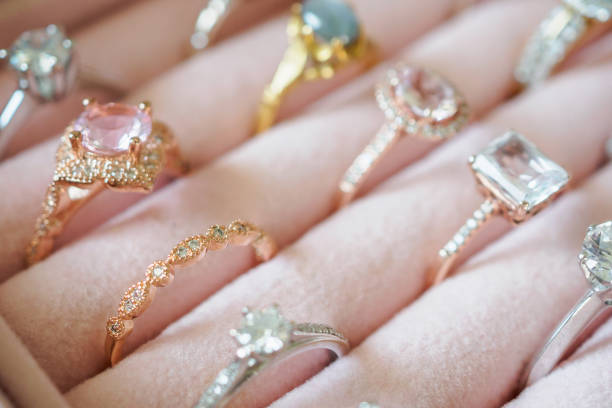
Discover customizable LGD engagement settings.
Fashion Jewelry: The Democratization of Bling
LGDs are redefining everyday luxury:
Pandora reported 43% YoY LGD growth in 2024, with 70% of sales under $300.
CaratX launched its LGD collection targeting millennials with stackable tennis bracelets.
“Consumers no longer save diamonds for special occasions,” notes Dr. Alicia Garcia, gemologist at GIA.edu. “They’re buying 2-carat hoops for brunch.”
Retail Strategies: Segmentation, Technology, and Trust
Dedicated Storefronts: Avoiding Brand Dilution
Tripled bridal traffic from Gen Z.
Reduced customer confusion, boosting natural diamond AOV by 22%.
Learn about launching a standalone LGD store via CaratX Retailer Toolkit.
Omnichannel Disruption: The Rise of Marketplaces
E-commerce platforms like CaratX are rewriting rules with:
Blockchain Certification: Every stone traced from lab to ledger.
Algorithms pair buyers with ideal cuts/clarity.
1-Week Global Shipping: Slashing traditional 6-week delivery times.
MIT’s study on blockchain in jewelry (MIT.edu).
Sustainability:
Environmental Impact:
While LGDs generate 30% fewer emissions than mined diamonds (IGS.org), their footprint varies:
CVD (Chemical Vapor Deposition): Requires 500–700 kWh per carat, often from coal-dependent grids.
HPHT (High Pressure High Temperature): More energy-intensive but scalable.
Solar-Powered Labs (e.g., Washington’s Diamond Foundry) cut emissions by 60%, yet only 12% of producers use renewables (McKinsey, 2024).
Explore eco-certified LGDs at CaratX Sustainable Collection.
The Overlooked Challenge -
Though marketed as “conflict-free,” LGD factories in developing nations face scrutiny:
India’s Surat Hub: Reports of 12-hour shifts and inadequate safety gear (Human Rights Watch, 2023).
Certification Gaps: Only Fair Trade Lab-Grown offers third-party oversight.
The Road Ahead:
McKinsey’s 2024 Forecast:
Dominance Scenario: LGDs capture 50% of non-luxury markets by 2030.
Commoditization: Prices crash to $100/carat, making LGDs “fast fashion” accessories.
Cultural Collapse: Diamonds lose symbolic value, replaced by alternative gemstones.
Disruptive Technologies Reshaping Production -
Quantum Diamond Synthesis: Startups like Diamond Quantum cut growth time from weeks to days.
3D-Printed Settings: Brands like Vrai integrate LGDs with recycled gold printed on-demand.
CaratX:
As a decentralized marketplace, CaratX solves critical industry pain points:
Cost Efficiency
Tariff Avoidance: Direct seller-to-buyer models cut intermediary markups.
Dynamic Pricing: AI adjusts LGD prices in real-time based on global wholesale trends.
Join CaratX as a Seller to access 18+ global markets.
Trust Through Technology -
Each diamond’s HPHT/CVD history stored on an immutable ledger.
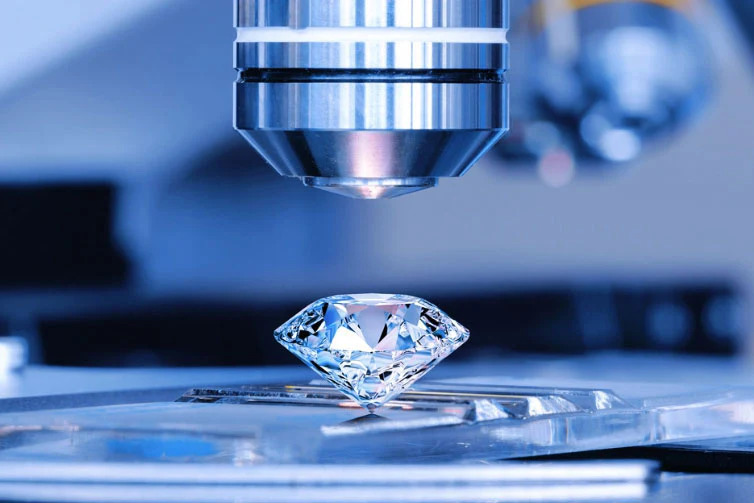
Pre-Shipment Authentication: Gemologists verify every stone pre-delivery.
Strategic Recommendations for Retailers -
Educate Transparently: Use in-store screens to show LGD/natural price trajectories.
Diversify Inventory: Allocate 30% of stock to LGD fashion jewelry under $1,000.
Leverage Memo Smarter: Rotate high-risk LGD stock quarterly to avoid devaluation.
Embrace Hybrid Collections: Offer natural diamond accents with LGD centers for upselling.
FTC guidelines on LGD marketing (FTC.gov).
Conclusion:
Lab-grown and natural diamonds are complementary, not competitors. As Constance Polamalu observes, “LGDs introduce new audiences to diamonds, many later trade up to natural stones.” Retailers who segment strategically, prioritize ethics, and harness platforms like CaratX will dominate the next decade.
Adapt to the LGD revolution with innovation and integrity, or risk becoming a relic of the mined diamond era.
Ready to Lead the Lab-Grown Revolution? Sell Globally with CaratX, Where Transparency Meets Profitability.