
Pink diamonds are more than gemstones, they are geological wonders, cultural icons, and financial assets wrapped in a veil of mystique. This in-depth guide unravels their secrets, from formation deep within the Earth to their dominance in auction houses, while highlighting how platforms like CaratX are democratizing access to these treasures.
The Geological Genesis of Pink Diamonds -
The Science of Color -
Unlike white diamonds, whose value lies in clarity and absence of color, pink diamonds derive their hue from plastic deformation, a structural distortion during their journey to the Earth’s surface. This distortion alters the way light is absorbed, filtering out blue wavelengths and reflecting pink.
Research from the University of Melbourne explains that this phenomenon occurs at depths of 150–200 km, where extreme pressure twists the diamond’s lattice without breaking it.
Trace Elements vs. Structural Anomalies -
While yellow diamonds owe their color to nitrogen and blue diamonds to boron, pink diamonds are unique. Their color originates purely from physical stress, not chemical impurities.
The Gemological Institute of America (GIA) confirms this through advanced spectroscopy, distinguishing natural pinks from treated or synthetic stones.
The Role of Secondary Hues -
Most pink diamonds exhibit modifying colors:
Purplish Pink: Caused by additional graining in the crystal.
Brownish Pink: Result of post-formation exposure to radiation.
Orangy Pink: Linked to nitrogen impurities interacting with deformation.
Pure “straight pinks” account for less than 2% of all fancy pink diamonds, as per GIA’s 2016 analysis of 90,000 stones.
Historical and Cultural Significance
Ancient Legends and Royal Treasures -
Pink diamonds have symbolized power and romance for millennia. The Darya-i-Nur (182 carats), part of Iran’s Crown Jewels, is believed to have been mined in India’s Golconda region, a source of legendary diamonds like the Koh-i-Noor.
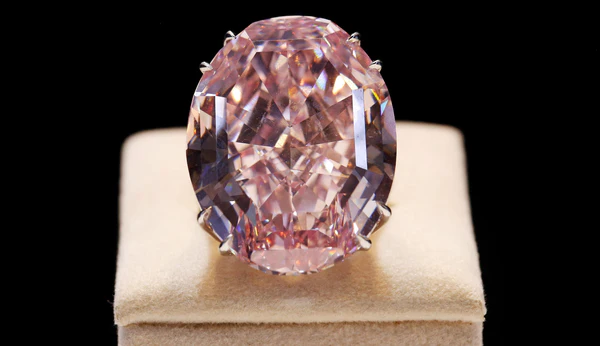
The Pink Star (59.60 carats): Sold for $71.2 million in 2017, it remains the most expensive gem ever auctioned.
Graff Pink (24.78 carats): Acquired by Laurence Graff for $46 million in 2010, epitomizing Art Deco elegance.
The Smithsonian’s National Gem Collection showcases the Pink Promise, a vivid pink diamond illustrating their cultural resonance.
Mining and Scarcity –
For over 30 years, the Argyle Mine in Western Australia supplied 90% of the world’s pink diamonds, producing only 0.1% in premium grades. Its 2020 closure triggered a supply crisis, with prices for top-tier stones surging 300%. Argyle’s annual tender, like the 2021 sale of the Argyle Muse ($2.3 million), set benchmarks for rarity.
Emerging Sources: Russia and Canada
Alrosa’s Ebelyakh Mine (Russia): Yields pinks with a violet undertone, though output is sporadic.
Renard Mine (Canada): Produces smaller, pastel-hued stones.
No site matches Argyle’s volume, cementing its legacy. For ethically sourced alternatives, explore CaratX’s Conflict-Free Collection.
Grading and Valuation –
The GIA Fancy Color Framework -
The GIA grades pink diamonds on:
Hue: Primary color (e.g., “pink” vs. “purplish pink”).
Tone: Lightness/darkness (scale: Light to Fancy Dark).
Saturation: Intensity (Faint to Fancy Vivid).
A diamond graded Fancy Vivid Purplish Pink commands higher prices than a lighter “Fancy Light Pink.”
Market Valuation Drivers -
Size: Only 1% of pink diamonds exceed 1 carat.
Saturation: Fancy Vivid pinks are 20x rarer than Fancy Light.
Origin: Argyle-certified stones carry a 15–20% premium.
For certified investments, browse CaratX’s GIA-Certified Diamonds.
Maximizing Color Through Geometry -
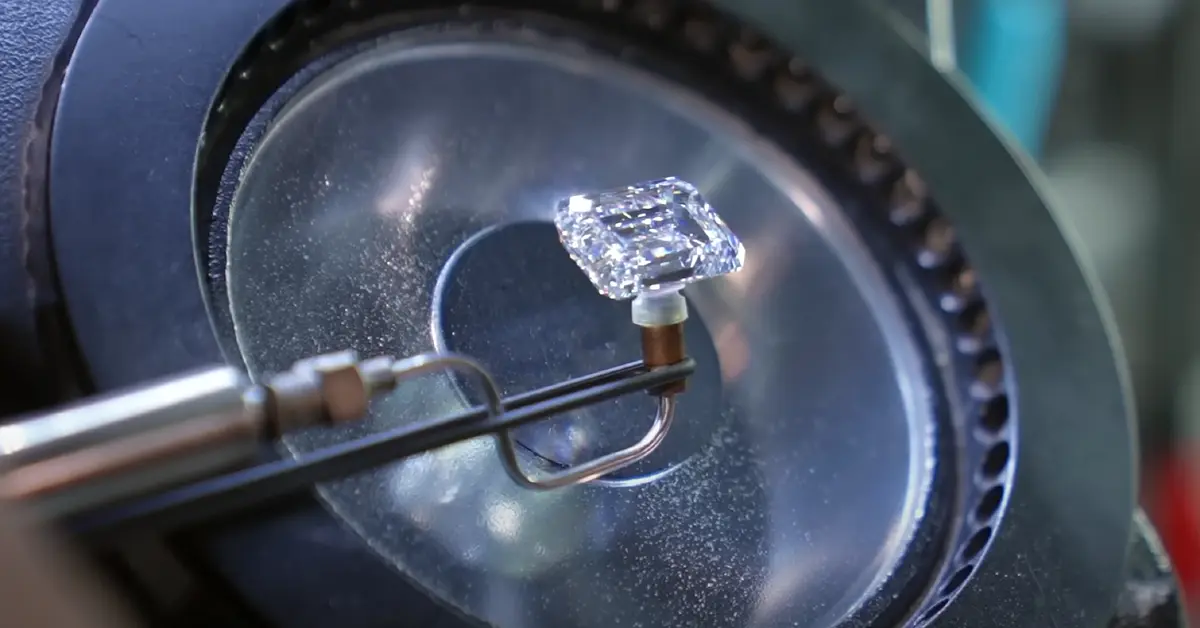
Cutters prioritize color over brilliance:
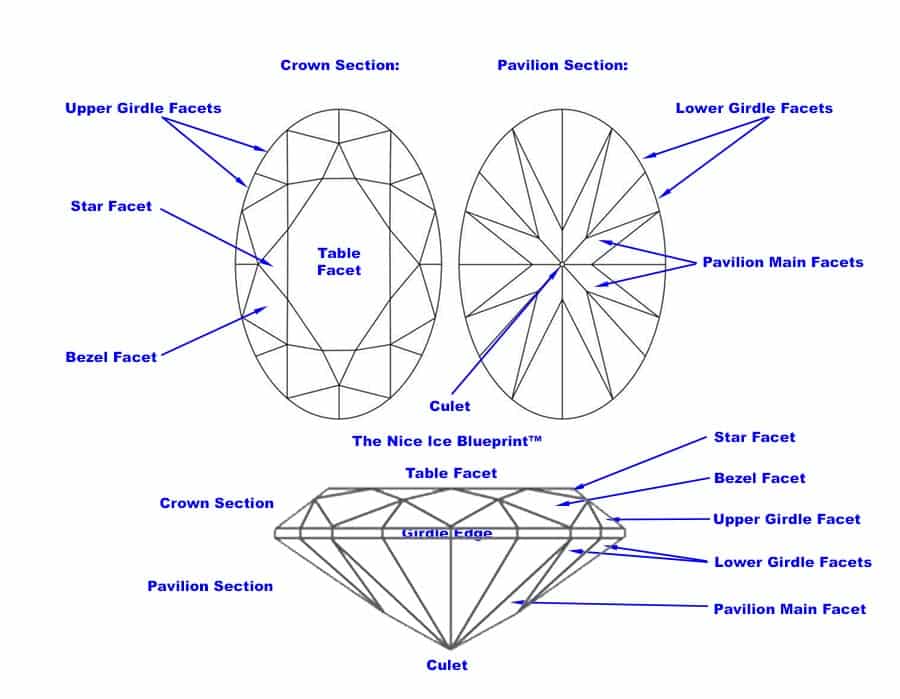
Radiant and Cushion Cuts: Enhance saturation with broad facets.
Pear and Oval Shapes: Elongate the stone, dispersing color evenly.
The Rose Cut, with a flat base and domed top, is revived for vintage-inspired designs.
Fluorescence:
Some pink diamonds exhibit blue fluorescence under UV light, which can amplify their hue in sunlight but may reduce value if overly milky.
Discover bespoke designs at CaratX Custom Jewelry.
Market Trends and Appreciation -
The Fancy Color Research Foundation (FCRF) reports a 12.4% annual increase in pink diamond prices over the past decade, outperforming the S&P 500. Argyle’s closure intensified demand, with Sotheby’s noting a 40% rise in Asian buyers since 2020.
The Kimberley Process –
While the Kimberley Process reduced conflict diamond trade, critics argue it overlooks artisanal mining conditions. Initiatives like the Diamond Development Initiative (DDI) promote fair wages and safety.
Lab-Grown vs. Natural: A Value Divide
Lab-created pinks, priced 70–80% lower, lack scarcity-driven appreciation. The FTC Guidelines mandate clear disclosure of synthetic origin.
A Buyer’s Guide –
Budgeting: Entry-level pinks start at 100,000/carat;
Vivid hues exceed 100,000/carat;
Vivid hues exceed3 million.
Certification: Insist on GIA or AGS reports.
Provenance: Verify mine origin and ethical sourcing.
Advanced CVD techniques now produce pinks indistinguishable to the naked eye, yet collectors prioritize natural stones for heritage value.
FAQs: Addressing Critical Queries
Q: Can sunlight fade a pink diamond’s color? A: No, natural color is stable. However, fracture-filled stones may degrade.
Q: Are pink diamonds insured during shipping? A: Yes. CaratX Shipping Policies include full insurance and GPS tracking.
Conclusion:
Pink diamonds transcend trends, embodying a confluence of art, science, and history. As global supply dwindles, their status as the ultimate symbol of exclusivity is unshakable.
Explore CaratX’s Exclusive Inventory or Register as a Seller to leverage our blockchain-backed marketplace.
For deeper insights, visit CaratX’s our favorite articles section or read our Ultimate CaratX Education Blog
Why CaratX Dominates the New Era of Luxury -
Zero Overhead Costs: Sellers save 30% on traditional fees.
Global Reach: Access 18,000+ verified buyers.
Instant Liquidity: Sell via auctions or fixed-price listings.