
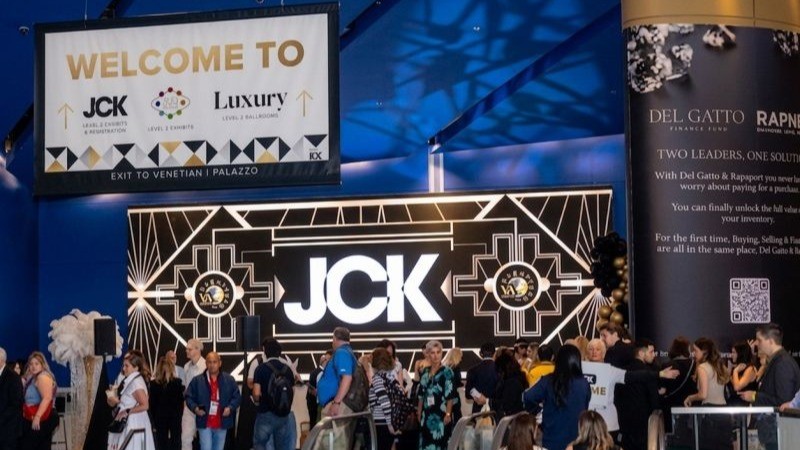
JCK Las Vegas has long been the pulse of the global diamond trade. The 2026 edition, held from May 29 to June 1 at the Venetian Expo, confirmed what many had suspected: the diamond industry is undergoing a fundamental restructuring. Market bifurcation is no longer a prediction, it is the reality.
Demand is becoming sharply selective. Diamonds weighing 2 carats and larger attracted exceptional interest, while traditional engagement-ring sizes between 0.70 and 1.20 carats encountered a much slower market. Elongated fancy shapes Ovals, Marquises, and Radiants surged in popularity, and lower-color diamonds (G–J) emerged as a distinct preference among discerning buyers.
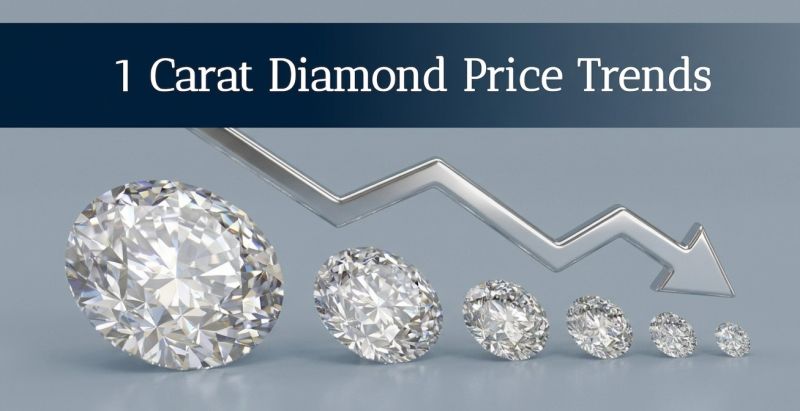
At the same time, smaller commercial categories faced mounting price pressure and intense competition from lab-grown alternatives. The message is clear: rarity, individuality, and size are now the primary drivers of natural diamond demand.
JCK Las Vegas brought together approximately 2,300 exhibitors and more than 30,000 industry professionals from over 100 countries, spanning the entire jewelry supply chain from natural diamonds and colored gemstones to lab-grown diamonds, fine jewelry, technology solutions, and industry services. This was the definitive snapshot of the industry’s direction in 2026.
The Great Bifurcation – 2 Carats and Larger Surge While Smaller Diamonds Stall
The defining story of JCK Las Vegas 2026 was the deep split in diamond demand. Diamonds above 2 carats generated strong, sustained interest throughout the four-day event. Vendors with quality inventory of larger stones reported positive sales, brisk trading, and high retailer engagement. The diamond plaza at the Venetian Expo reflected the wider “K-shaped” recovery in the diamond sector: wealthier buyers continued to spend on premium goods, while smaller-budget consumers increasingly turned to lab-grown alternatives.
Rapaport trade insight confirmed that the preference for natural diamonds over 2 carats underscores the enduring value of larger stones amid shifting consumer priorities. This bifurcation appeared more intense than at last year’s fair, partly driven by deepening shortages of certain larger goods following production cuts.
In stark contrast, “bread-and-butter” goods classic round engagement-ring center stones of the past were difficult to move. Smaller items also faced mixed results. Larger independent jewelers did most of the buying, as they focus more on larger natural stones compared to mom-and-pop stores and large chains. As GIA research has consistently demonstrated, prices per carat generally increase significantly as carat weight passes key “magic numbers” such as 1.00, 1.50, and 2.00 carats a dynamic that now heavily favors sellers of larger inventory.
This selective demand pattern aligns with the broader diamond mining market, which the Gems and Jewelry Export Promotion Council (GJEPC) reports is projected to grow from USD 458.25 billion in 2025 to USD 807.65 billion by 2032 with premium larger stones capturing a growing share of that value.
For B2B and B2C buyers aiming to align with the strongest demand segment, CaratX offers premium natural diamonds in the 2-carat+ range that perfectly match current market preferences.
The Rise of Elongated Fancy Shapes – Ovals, Marquises, Radiants, and Emeralds
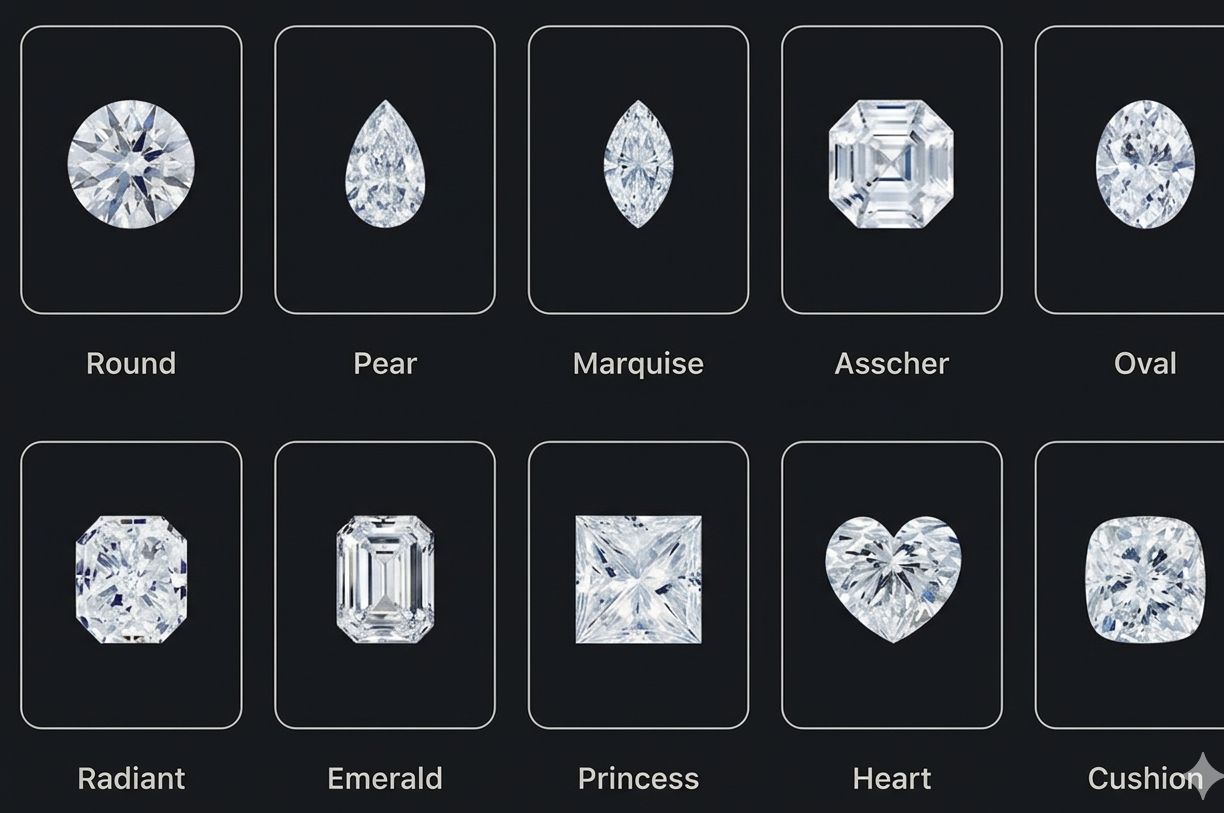
Among the larger diamonds that performed well, elongated fancy shapes were the clear standouts. Round diamonds remained popular, but Ovals, Marquises, Radiants, Cushions, and Emeralds generated exceptional buyer enthusiasm. Within the popular size range, demand focused on long fancies with standard American qualities: G–J color and VS1–SI2 clarity.
The enthusiasm for elongated shapes was documented in detail by leading trade publications. Art of Jewellery’s post-show analysis noted that “Individuality and uniqueness were major themes of the show in loose and finished” jewelry, with buyers actively seeking elongated fancies that convey personal style and sophistication.
This trend was validated by several suppliers: the elongated oval, for instance, provides the superior illusion of greater spread weight compared to a round of the same carat weight a practical advantage that resonates strongly with price-conscious yet style-driven consumers. In fact, a well-cut 2-carat oval can have length and width dimensions that make it appear comparable to a 2.5-carat round.
Research from the Gemological Institute of America (GIA) reinforces the technical foundation of this trend: the round brilliant cut still accounts for more than 70 percent of all diamonds sold, but fancy shapes particularly elongated varieties are steadily gaining share as buyers seek differentiation.
For buyers seeking to capitalize on this trend, CaratX’s selection of oval diamonds delivers the precise elongated dimensions and quality ranges that generated the strongest demand at JCK. Similarly, CaratX’s collection of marquise diamonds aligns with the show’s emphasis on unique, flattering silhouettes.
The K-Shaped Recovery – Understanding the Economic Divergence
The bifurcation in diamond demand is not isolated to one trade show. It reflects a broader “K-shaped” economic recovery that has reshaped consumer spending across luxury categories.
The numbers confirm this divergence. Data from industry analyst Edahn Golan, presented at the show, showed that natural diamond prices above the $5,000 threshold have held firm or increased, while the sub-$2,500 segment has been heavily disrupted by lab-grown diamonds. Lab-grown diamonds now account for approximately 58% of engagement ring unit sales in the US market, having risen from just 10% in 2020.
This has effectively hollowed out the lower end of the natural diamond market, pushing natural diamond sellers toward premium, differentiated inventory.
GJEPC’s analysis of the Innov8 seminar on natural diamonds reinforced this point: demand below the $2,500 price point continues to weaken, while purchases in the $2,500–$5,000 range remain the market’s core. At the top end, however, growth remains resilient, with a notable rise in high-value diamond jewelry purchases in the US. This K-shaped dynamic is expected to persist through 2026 and beyond, making it essential for sellers to focus on the premium segment.
Understanding the 4Cs particularly how carat weight and cut interact to drive value is crucial for navigating this new landscape. CaratX’s diamond carat size guide helps buyers understand how to maximize visual impact within their budget, while detailed information on diamond color assists in selecting stones that offer the best combination of appearance and value.
The Lab-Grown Diamond Factor – Volume vs. Value
No discussion of the 2026 diamond market is complete without addressing the lab-grown diamond revolution. Lab-grown diamonds have normalized large stones at accessible price points, fundamentally altering consumer expectations. Buyers now anticipate being able to afford a 2-carat or larger diamond in their engagement ring but often at lab-grown prices, putting downward pressure on smaller natural diamonds.
GJEPC’s recent briefing on natural diamonds noted that lab-grown diamonds have crossed the 50% mark by unit sales in US engagement rings, though significant concerns remain about price erosion and lack of clear differentiation from natural stones.
The global lab-grown diamond market was valued at USD 29.46 billion in 2025 and is projected to grow to USD 33.54 billion in 2026, eventually reaching USD 91.85 billion by 2034. In a striking development, India’s polished lab-grown diamond exports by volume (1.36 million carats in April 2026) marginally exceeded natural diamond exports (1.34 million carats).
However, despite the huge jump in carat volume, lab-grown diamonds still account for less than 9 percent of India’s wholesale diamond export value. This highlights a crucial structural truth for 2026: volume does not equal value. For natural diamonds, the value proposition increasingly rests on rarity, provenance, and the emotional and investment attributes that synthetics cannot replicate.
For B2B sellers looking to balance their inventory, CaratX offers both natural and lab-grown diamonds, allowing businesses to serve both the premium natural segment and the volume-driven lab-grown market.
CaratX’s pricing page provides transparent, competitive rates that help sellers maximize margins in this selectively demanding market.
Unique and Distinctive Cuts –
Beyond elongated shapes, JCK Las Vegas 2026 witnessed broader enthusiasm for unique and distinctive cuts. Unusual shapes such as “movals” long ovals that resemble marquises generated notable interest among buyers seeking individuality and uniqueness. Lower-color diamonds (K–M range) and warm tones also saw growing popularity, reflecting a shift away from the traditional colorless ideal and toward personal expression.
This movement toward distinctive cuts and colors is supported by GIA’s ongoing research into consumer preferences. The appeal of diamonds in “every hue, from bright whites to sunny yellows to buttery browns” was prominently featured in JCK’s summer 2026 magazine, underscoring how far the industry has moved from the “only colorless matters” era.
For collectors and investors, fancy color diamonds particularly pinks and blues represent an even more exclusive segment.
CaratX’s detailed analysis of pink and blue diamonds in 2026 offers buyers and sellers a data-driven perspective on market selectivity and value preservation in these rare categories.
Additionally, CaratX’s fancy shape diamonds collection provides extensive options for those seeking to differentiate their inventory with the precise cuts that generated the strongest buyer interest at JCK.
Supply Constraints – Real Scarcity in Larger Categories
The supply side of the diamond market is amplifying demand-side trends. Global diamond production fell to multi-decade lows of around 100 million carats in 2025 and is expected to remain near those levels in 2026 and beyond. GJEPC confirms that natural diamond supply is forecast to only moderately rebound to around 105 million carats in 2026 down from over 150 million as recently as nine years ago.
Crucially, the supply shortage is most acute in the 2-carat and above categories. Goods from 2 to 6.99 carats are in tight supply, and stones 7 carats and larger are “very hard to find,” according to Rapaport’s weekly market comment. This real scarcity not manufactured or speculative gives sellers of larger natural diamonds significant pricing power. Exhibitors at JCK arrived with focused inventory, many opting not to bring goods below 2 carats at all because of low wholesale margins in those categories.
The supply crunch is not limited to polished diamonds. GJEPC’s analysis of rough diamond markets indicates that 5–9 carat rough gem-quality diamonds are up a low-to-mid-teens percentage year-to-date 2026, suggesting that the shortage is being felt throughout the supply chain. For sellers who have access to premium larger diamonds, the current environment presents an exceptional opportunity.
B2B sellers seeking to connect with international buyers in this supply-constrained market should register on CaratX to list their inventory and reach qualified buyers across 18+ countries.
CaratX’s seller plan enables jewelry businesses to sell internationally, with access to both B2B and B2C buyers seeking precisely the larger stones and unique cuts that defined JCK 2026.
Practical Implications – What This Means for Industry Professionals
The clear signals from JCK Las Vegas 2026 translate into actionable strategies for industry participants:
For Sellers and Manufacturers -
Focus inventory on 2-carat+ natural diamonds in elongated fancy shapes (Ovals, Marquises, Radiants, Emeralds, Cushions).
Prioritize G–J color and VS1–SI2 clarity these ranges generated the strongest buyer interest.
Reduce exposure to 0.70–1.20 carat rounds, which face intense pressure from lab-grown alternatives and weaker demand.
Emphasize uniqueness and individuality in marketing: distinctive cuts, lower-color diamonds, and antique shapes like old-mine cushions.
Sellers can list their inventory on CaratX to reach qualified international buyers seeking exactly these specifications.
For Retailers and B2B Buyers -
Stock larger center stones (2-carat+) to meet consumer expectations shaped by social media and lab-grown availability.
Expand elongated fancy shape offerings, particularly Ovals and Marquises, which saw the strongest demand at JCK.
Consider G–J color diamonds as an optimal balance of appearance and value, especially in larger sizes where color is less perceptible.
Highlight provenance and traceability in selling points consumers increasingly value verified origin.
Buyers can shop natural diamonds and gemstones directly on CaratX at competitive prices, with access to a global inventory of certified stones.
For Investors and Long-Term Holders -
Large natural diamonds (2-carat+) demonstrate the strongest price resilience and growth potential in the current K-shaped market.
Elongated fancy shapes offer both aesthetic advantages and value retention, particularly in sizes above 2 carats.
Scarcity is real and growing in larger categories; production declines and supply constraints favor holders of premium inventory.
Frequently Asked Questions (FAQs)
Q1: Why are diamonds above 2 carats in such high demand at JCK Las Vegas 2026?
A: Several factors drive this trend. First, larger natural diamonds face real supply constraints, with production at multi-decade lows. Second, lab-grown diamonds have normalized the expectation of large stones among consumers, pushing natural diamond buyers toward the premium segment where value retention is strongest. Third, wealthier consumers continue to spend on luxury goods despite broader economic pressures, creating a “K-shaped” recovery that favors premium categories.
Q2: Which fancy diamond shapes performed best at JCK Las Vegas 2026?
A: Elongated shapes dominated buyer interest. Ovals, Marquises, Radiants, Cushions, and Emeralds generated the strongest demand, particularly in sizes above 2 carats. Round diamonds remained popular but faced more selective buying. Unusual shapes such as “movals” (long ovals resembling marquises) also attracted significant attention among buyers seeking individuality.
Q3: How are lab-grown diamonds affecting the natural diamond market?
A: Lab-grown diamonds have captured a significant share of the sub-$2,500 price point, particularly in the US engagement ring market where they now represent over 50% of unit sales.
This has intensified price pressure on smaller natural diamonds (0.70–1.20 carat). However, lab-grown diamonds still account for less than 9% of wholesale diamond export value, highlighting that natural diamonds especially larger stones retain substantial value advantage in premium segments.
Q4: What color and clarity ranges are buyers preferring at JCK Las Vegas 2026?
A: The strongest demand was for G–J color diamonds with VS1–SI2 clarity. These ranges offer an optimal balance of visual appearance and value, especially in larger stones where color is less perceptible. Lower-color diamonds (K–M range) also saw growing popularity among buyers seeking warm tones and individuality.
Q5: Is the demand for larger natural diamonds sustainable?
A: Several structural factors suggest yes. Global natural diamond production is at multi-decade lows and expected to remain constrained, creating real scarcity in the 2-carat+ category. Simultaneously, wealthy consumers continue to prioritize premium natural diamonds as symbols of enduring value and authenticity.
Q6: How can I start selling diamonds internationally to take advantage of these trends?
A: Register on CaratX, the B2B and B2C marketplace connecting sellers with buyers across 18+ international countries. CaratX enables direct access to a global network of qualified buyers seeking larger natural diamonds, elongated fancy shapes, and unique cuts that match the preferences identified at JCK Las Vegas 2026. Sellers can sign up here to list their inventory and start selling internationally.
Q7: Where can I buy natural diamonds online with confidence?
A: Shop natural diamonds on CaratX, where you’ll find certified stones ranging from classic rounds to the elongated fancy shapes that dominated JCK Las Vegas 2026. CaratX offers competitive pricing, transparent sourcing, and a secure marketplace for both B2B and B2C buyers.
Conclusion – Rarity, Size, and Individuality Define the New Diamond Market
JCK Las Vegas 2026 delivered an unmistakable message: the diamond market is no longer moving in one direction. Premium larger diamonds continue to perform strongly, with 2-carat+ natural stones particularly Ovals, Marquises, and other elongated fancy shapes commanding sustained buyer interest and healthy trading activity.
G–J color and VS1–SI2 clarity ranges emerged as the sweet spot for value and demand, while unique cuts and lower-color diamonds reflect a decisive shift toward individual expression over conventional standards.
At the same time, smaller diamonds especially traditional engagement ring sizes between 0.70 and 1.20 carats face a slower market, squeezed by lab-grown alternatives and changing consumer preferences. This K-shaped bifurcation is likely to persist, with the industry’s future belonging to those who can offer rarity, size, and individuality.
As the industry moves through 2026, these trends will only intensify. For sellers, the strategic imperative is clear: focus on premium larger inventory, prioritize elongated fancy shapes, and emphasize the unique characteristics that natural diamonds offer. For buyers, the opportunity lies in acquiring stones that combine enduring value with distinctive beauty precisely the diamonds that defined JCK Las Vegas 2026.
Start selling to 18+ international countries on CaratX and connect with qualified B2B and B2C buyers seeking the diamonds that matter most in 2026.
Sellers register on CaratX marketplace here to begin.
Shop natural diamonds and gemstones at unbeatable prices on CaratX from classic rounds to the elongated fancy shapes that dominated the world’s most influential jewelry trade show.