
I get asked a lot what "worked" for CaratX. People want the tactic. The growth hack. The one channel that cracked it open.
Here's the truth: it was belief. Not the poster-on-the-wall kind. The kind where you keep showing up when there's nothing to show up for yet.
We Started With Nothing
Before CaratX had a name, it was just me buying diamond engagement rings and bridal jewelry from one supplier and reselling them. No platform, no team, no software. Just a guy who loved the jewelry business and a gap he couldn't stop thinking about.
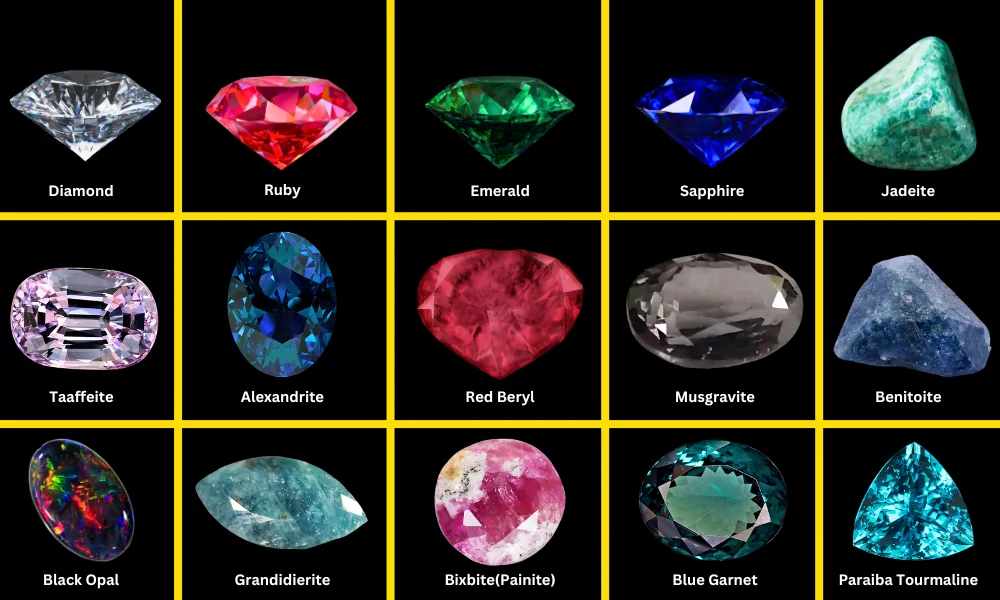
That gap is now CaratX: an operating system for the jewelry industry. We help jewelry brands go to market through our technology and our platform, connecting manufacturers and sellers with both businesses and everyday consumers. Think eBay or Etsy, but built exclusively for jewelry. No flat-screen TVs. No toilet paper. No bug spray. Just diamonds, bridal, fine jewelry, and the wholesale relationships that move this industry.
Six years in, we've got over 50,000 products on the platform, a growing network of sellers, and new tools, tech, and AI shipping constantly. But none of that happened because we had it figured out early. It happened because we believed before we had proof, and we stayed close enough to our customers to earn the proof over time.
The Belief Had Two Sides
People hear "believe in yourself" and roll their eyes. Fair. But belief without action is just a nice quote. Here's what it actually looked like for us.
On my side, it meant giving myself fully to the mission as a founder and refusing to quit on the days that made quitting look reasonable. Our team believed. Our suppliers believed. Our customers believed. That's not accidental. Belief is contagious when it's real, and it evaporates fast when it's not.
On the business side, belief showed up as customer obsession. We talked to retail customers and wholesale customers every single day. Not surveys. Not funnels. Conversations. That's what kept our mission honest and kept us building the right things instead of the shiny things.
Start at zero, add real customers, and something starts to snowball. More sellers. More revenue. Better technology. A better founder. I got better as we grew, because growth forces you to.
The Story I Don't Love Telling
About a week after we launched the first version of CaratX, buggy, barely holding together, someone hacked our servers, wiped what they could, and tried to hold us for Bitcoin ransom.
My engineering team told me it was over. No recovery. I told them no. There's a backup somewhere, and we're going to find it.
We searched everywhere. We found it. We picked a new server, upgraded our security, and were back online in two weeks. It cost money we hadn't planned to spend and put real strain on a young team. In the moment, it felt like the end.
Every software company hits a version of this. It's not an if, it's a when. What determines whether you survive it isn't luck. It's whether you believe there's a path back before you can see it.
Who I Hire
Skills matter. Always will. But skills can be taught. What I actually screen for is hunger, ownership, and evidence that someone has been through their own hard journey.
People who have suffered and come out the other side carry a different kind of empathy, for their teammates, for their customers, for the mission itself. Those are the people I want building CaratX with me. Character first. Skills follow.
How to Actually Get Your First Customers
Early on, customer acquisition is not a strategy deck. It's volume and willingness to hear no. You talk to a thousand people to get your first real yes, and you learn who you're actually building for in the process.
Put educational content out there. Talk about your mission constantly. Show up in front of your market until sheer force of will starts to compound into traction.
Once you're past that first stage, the game changes. Get a CRM. Build even a semi-automated communication system. Put someone in front of your pipeline every day. Tools, systems, processes, people, in that order of urgency.
If You Want to Start an E-Commerce Business
Start with real market research. Google Trends, keyword and SEO tools, a genuine read on what's trending and what's actually selling. Then build around something you love and can get behind for years, not months.
If it's leather bracelets, go study the market. Different colors, different styles, what's already working. Start making content. Start showing up. Say "check this out" and mean it.
The businesses that make it are usually run by people who noticed a gap they couldn't ignore. That's how CaratX started. Not a business plan. A gap, and a stubborn belief that it was worth closing.
Where We Are Now
Six years later, CaratX is the AI operating system jewelry businesses use to go to market: buying, selling, sourcing, connecting with retail and wholesale buyers, and increasingly using AI to do it faster and smarter. If you're a jewelry business figuring out how to actually use AI in your operations, our prompt library at jewelryprompt.com is built specifically for this industry, not generic e-commerce.
Do something you love. Start small. Believe before you have proof. Then go earn it.
Josh Burwick is the founder of CaratX, a B2B and B2C marketplace and AI-powered go-to-market platform for the jewelry industry. Full Episode at Beverly Media. Beverly media is a CaratX partner and created this video. They provide video design and Youtube services for podcasters and brands. Learn more about them by visiting Beverly Media.