
Introduction:
For decades, the diamond industry worshipped at the altar of colorlessness. The D-F color grades represented the pinnacle of perfection, while anything with a hint of yellow or brown was relegated to the shadows. But in the 1980s, everything changed.
When the Argyle mine in Western Australia opened and began producing massive quantities of brown diamonds accounting for nearly 80% of its yield the industry faced a dilemma.
Rather than letting these stones languish in industrial applications, savvy marketers rebranded them with evocative names like “champagne,” “cognac,” and “chocolate”. Today, brown diamonds have become one of the most exciting segments of the colored diamond market, celebrated for their warm, earthy beauty and remarkable accessibility.
As theCaratX marketplaceconnects buyers and sellers across 18+ international countries,brown diamondsrepresent an extraordinary opportunity for both jewelry enthusiasts and investors alike.
This guide explores everything you need to know about these captivatinggemstonesfrom their geological origins to their market value and everything in between.
The Geology of Brown Diamonds:
The Science of Plastic Deformation -
Unlike many other coloreddiamondsthat derive their hue from trace elements like nitrogen (yellow) or boron (blue),brown diamondsowe their color to a remarkable geological process called plastic deformation.
Deep within the Earth’s mantle,diamondsform under extreme conditions of heat and pressure approximately 725,000 pounds per square inch and temperatures reaching 2,200 degrees Fahrenheit. During their journey to the surface through kimberlite or lamproite volcanic eruptions, these diamonds experience tremendous stress and shear forces.
This stress causes the diamond’s crystal lattice the precise arrangement of carbon atoms to slip along planes within the structure. The result is a series of vacancies (missing atoms) and dislocations in the crystal that selectively absorb light, creating the characteristic brown coloration.
As the American Gem Society explains, “The brown color in these diamonds is a testament that the journey to the surface is not one that is easy or free of structural changing forces; stresses that can actually move atoms in the crystal structure”.
Brown vs. Pink:
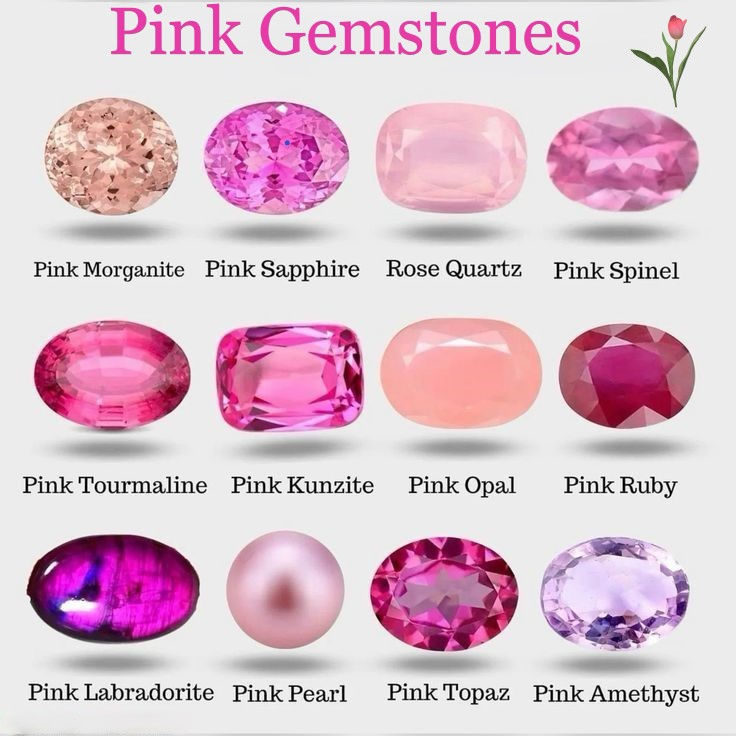
Interestingly, brown andpink diamondsshare a similar origin story. Both colors are believed to be created by plastic deformation, with the brown absorption continuum and the 550 nm absorption band playing key roles.
However, research suggests that the deformation producingpinkcolor occurs inside the Earth’s mantle, while the more prevalent brown coloration is likely caused by the diamond’s rapid ascent to the surface during volcanic eruptions.
This distinction explains why brown diamonds are far more common than theirpinkcounterparts. In fact, brown diamonds are the most common color variety of natural diamonds, accounting for approximately 15% of production in most mines.
The Role of Nitrogen -
While plastic deformation is the primary cause of brown coloration, nitrogen can also play a role. Some brown diamonds contain “amber centers”specific arrangements of nitrogen atoms within the crystal lattice that are associated with brown graining.
The Color Spectrum:
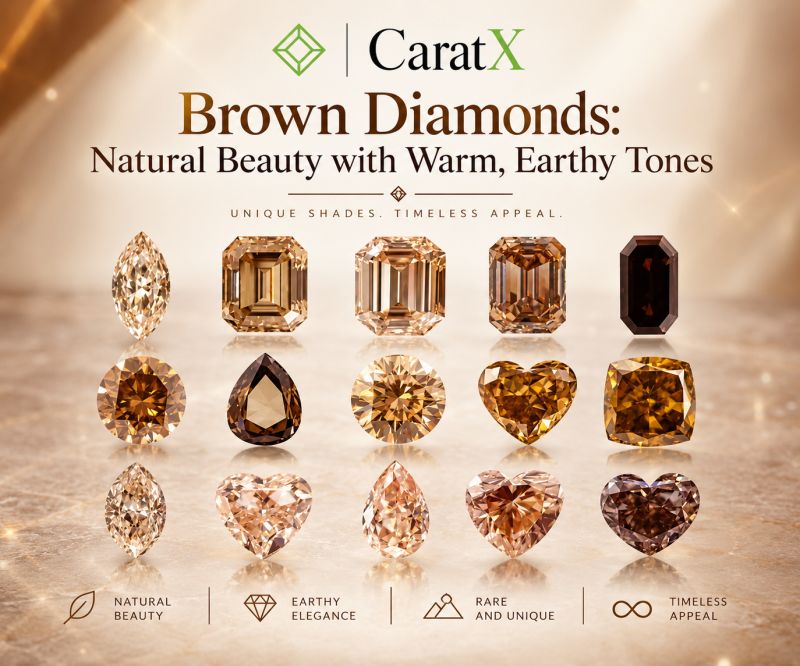
One of the most appealing aspects of brown diamonds is their extraordinary range of shades. The color spectrum spans from delicate, pale champagne tones all the way to rich, velvety chocolate and deep cognac hues.
Trade Names and Their Meanings -
The diamond industry has developed a rich vocabulary to describe brown diamonds:
Champagne Diamonds: The lightest end of the spectrum, featuring soft golden warmth with subtle brown undertones. These stones evoke the effervescent elegance of fine champagne.
Cognac Diamonds: Medium to dark brown stones with warm, amber-like hues that resemble the rich color of aged cognac.
Chocolate Diamonds: The deepest end of the spectrum, featuring rich, dark brown tones that are both dramatic and sophisticated.
Coffee Diamonds: Medium-brown stones with warm, inviting tones reminiscent of freshly brewed coffee.
The GIA Grading System -
TheGemological Institute of America (GIA),the world’s foremost authority on diamond grading, evaluates brown diamonds using a specialized system.
Fordiamondson the D-to-Z color scale, GIA grades brown diamonds against brown masterstones and includes specific modifiers on grading reports:
Grades K to M: “Faint Brown” (e.g., K Faint Brown)
Grades N to Q-R: “Very Light Brown” (e.g., O-P Very Light Brown)
Grades S-T to Y-Z: “Light Brown” (e.g., U-V Light Brown)
For diamonds with more intense brown color that fall outside the D-to-Z scale, GIA uses the fancy color grading system with seven intensity grades:
- Faint Brown
- Very Light Brown
- Light Brown
- Fancy Light Brown
- Fancy Brown
- Fancy Dark Brown
- Fancy Deep Brown
Some trade organizations use alternative scales, such as the C1 to C7 scale popularized by Argyle, ranging from light champagne (C1-C2) through medium champagne (C3-C4), dark champagne (C5), cognac (C6), and deep cognac (C7).
Understanding diamond color in greater detailis essential for making informed purchasing decisions, as color significantly impacts both appearance and value.
Market Value:
Price Positioning -
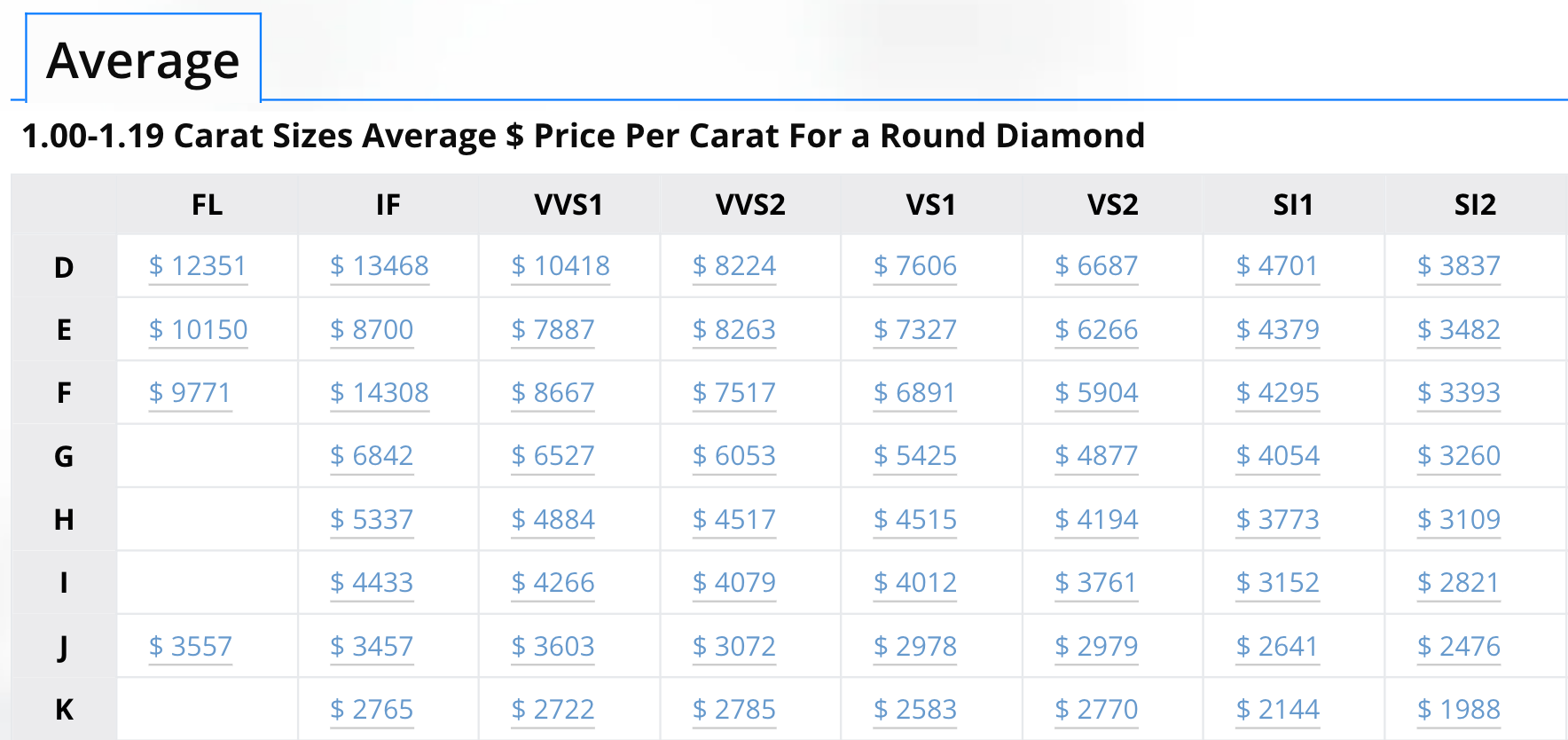
Brown diamonds occupy a unique position in the diamond market. They are generally more affordable than rare pink orblue diamonds, and often comparable to or cheaper than white diamonds of similar size and quality.
According to industry data, brown diamonds can be 30-70% cheaper than their colorless counterparts. A 0.53 carat Fancy Brown diamond with SI1 clarity might cost around $1,200, while a comparable white diamond would command a significantly higher price.
This accessibility has made brown diamonds particularly attractive to:
First-time diamond buyers seeking value without compromising on beauty.
Design-conscious consumers looking for unique, distinctive pieces.
Jewelry designers wanting to create statement pieces at accessible price points.
The Investment Perspective -
While brown diamonds are more abundant than other fancy colors, the market has shown encouraging trends. According to the Natural Diamond Council, fancy color diamond prices have grown at a compound annual growth rate of 5.7% over the last 20 years.
Some categories of brown diamonds have seen significant appreciation. Industry reports indicate that certain brown diamond categories have increased by up to 40% in the past five years, with higher-quality specimens seeing gains of around 75%. In 2025, brown diamonds experienced remarkable growth, with half-carat brown diamond sales surging roughly 200%.
However, it’s important to note that not all brown diamonds are created equal. As with all diamonds, value is determined by the interplay of the 4Cs Cut, Color, Clarity, and Carat weight with color intensity and purity being particularly important for fancy color stones.
For those interested inexploring the investment potential of colored diamonds, CaratX provides resources to help navigate this exciting market.
Jewelry Design:
Versatility in Design -
Brown diamonds have become a favorite among jewelry designers for their extraordinary versatility. Their warm, earthy tones complement a wide range of metals and settings:
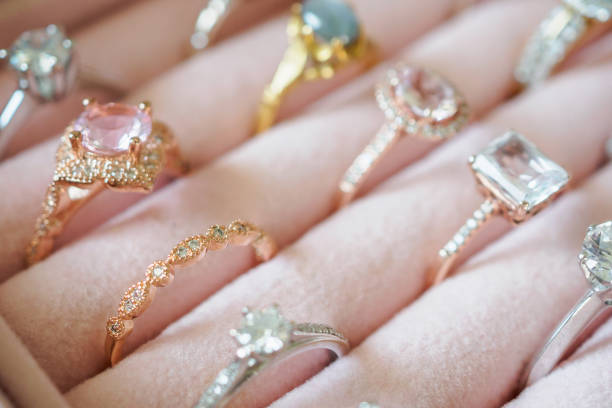
Rose Gold: The pinkish undertones of rose gold harmonize beautifully with champagne and cognac diamonds, creating a romantic, vintage aesthetic.
Yellow Gold: Warmyellow goldenhances the golden undertones in lighter brown diamonds, making them appear more vibrant.
White Gold or Platinum: The contrast between warm brown diamonds and cool white metals creates a striking, contemporary look that allows the diamond’s color to take center stage.
Popular Jewelry Applications -
Brown diamonds shine in virtually every type of jewelry:
Engagement Rings: Increasingly popular among couples seeking alternatives to traditional colorless diamonds, browndiamond engagement ringsoffer distinctive beauty and meaningful symbolism. The warm, earthy tones represent stability, grounding, and natural beauty.
Earrings: From classic studs to elaborate dropearrings, brown diamonds add subtle sophistication and versatile elegance to any look.
Pendants and Necklaces: Brown diamondpendantsrange from minimalist designs to intricate statement pieces that highlight the stone’s unique beauty.
Statement Jewelry: For those seeking to make an impression, brown diamonds in bold, contemporary designs offer unparalleled visual impact.
The “Desert Diamonds” Movement -
In 2025, De Beers launched its “Ombre Desert Diamonds” initiative, rebranding brown, ochre, cognac, and champagne diamonds as “desert diamonds”. This marketing push, unveiled at the JCK Las Vegas show, has significantly boosted the profile of brown diamonds.
As one industry observer noted, “We’ve definitely seen a rise in interest in champagne and cognac… There’s a growing appetite for diamonds that feel more unique, and brown diamonds capture that beautifully”.
The trend has resonated particularly strongly with Gen Z consumers, who, according to a Pinterest report, have shown significant interest in brown diamond engagement rings.
Browse natural diamondsandexplore the full range of diamond jewelry optionsavailable through CaratX’s international marketplace.
Famous Brown Diamonds:
The Golden Jubilee Diamond -
The most famous brown diamond in history is the Golden Jubilee Diamond, a 545.67-carat fancy brownish-yellow diamond discovered in South Africa.
Discovered in 1985, it was originally intended for the De Beers centenary celebration but was later presented to King Bhumibol Adulyadej of Thailand for his Golden Jubilee in 1997. Today, it remains the largest faceted diamond in the world.
The Earth Star Diamond -
Another notable brown diamond is the Earth Star Diamond, a 111.59-carat fancy brown stone that exemplifies the dramatic beauty possible in darker brown diamonds.
These legendary stones demonstrate that brown diamonds can achieve the highest levels of prestige and value, particularly when they possess exceptional size, clarity, or unique color characteristics.
Caring for Brown Diamonds -
Brown diamonds share the same remarkable durability as all diamonds. As the hardest natural material on Earth, they are resistant to scratching and suitable for everyday wear.
Cleaning and Maintenance -
To keep brown diamonds looking their best:
Clean regularly with warm water, mild dish soap, and a soft brush.
Avoid harsh chemicals that could damage the metal setting.
Have jewelry professionally inspected annually to check for loose settings.
Store separately from other jewelry to prevent scratching.
The Importance of Cut -
The cut of a brown diamond significantly affects its appearance. For colored diamonds, cutters often adjust proportions to maximize color saturation by increasing the path length of light through the stone. A well-cut brown diamond will display rich, even color with excellent brilliance.
Learn more about diamond cuts and qualityto understand how cutting affects a diamond’s beauty and value.
Conclusion -
Brown diamonds represent a profound shift in how we think about diamond beauty. They remind us that perfection isn’t always about being colorless that natural color, with all its warmth and character, can make a diamond even more interesting.
From their remarkable geological origins deep within the Earth to their modern renaissance as coveted fashion statements, brown diamonds tell a story of resilience, transformation, and authentic beauty. Whether you’re drawn to the soft glow of champagne, the rich depth of cognac, or the dramatic intensity of chocolate, there’s a brown diamond that speaks to your personal style.
As the diamond industry continues to evolve, brown diamonds stand as proof that beauty comes in many shades. Their warm, earthy tones offer a distinctive alternative to traditional colorless diamonds one that celebrates nature’s artistry in all its forms.
Explore the CaratX marketplaceto discover your perfect brown diamond, orregister as a sellerto join a global community of diamond professionals reaching buyers across 18+ international countries.
Learn more about pricing and selling on CaratXto get started today.
Recommended Reads from CaratX -
The Types of Natural Diamond Colors: A Complete Guide— Explore the full spectrum of natural diamond colors.
Understanding Diamond Color – A Comprehensive Guide— Master the GIA color grading system.
The Guide to Colored Diamonds: Rarity, Value, and Investment Potential— Understand the investment landscape.
The Journey of Diamond Cutting: From Ancient Mystery to Modern Mastery— Discover how diamonds are transformed.
Diamond Inclusions Explained: Types of Diamond Inclusions— Understand diamond clarity characteristics
Beyond the Naked Eye: The Definitive Guide to Diamond Color and Its Impact on Value— Comprehensive color value analysis
Follow CaratXfor more insightful and educational content about the fascinating world of natural diamonds.
Start selling to diamonds in 18+ international countries. Shop natural diamonds and gemstones at unbeatable prices on the CaratX marketplace.
Frequently Asked Questions -
Are brown diamonds real diamonds?
Yes, brown diamonds are 100% natural diamonds. They share the same chemical composition (pure carbon), crystal structure, and physical properties as colorless diamonds. Their brown color comes from natural structural deformation during formation.
Why are brown diamonds cheaper than white diamonds?
Brown diamonds are more abundant than colorless diamonds, accounting for about 15% of natural diamond production. This greater supply, combined with historical perceptions that favored colorless stones, has kept prices more accessible. However, this is changing as brown diamonds gain popularity.
What is the difference between champagne, cognac, and chocolate diamonds?
These are trade names for different shades of brown diamonds:
Champagne: Light, pale brown with golden undertones.
Cognac: Medium to dark brown with amber/copper tones.
Chocolate: Deep, rich dark brown.
Can brown diamonds be treated to change their color?
Yes, some brown diamonds can be treated with high-pressure, high-temperature (HPHT) annealing to reduce or remove brown coloration. However, natural-color brown diamonds are highly prized for their authentic, untreated beauty.
Are brown diamonds a good investment?
While not as rare as pink or blue diamonds, certain categories of brown diamonds have shown strong price appreciation in recent years. As with all diamonds, value depends on quality factors including color intensity, clarity, cut, and carat weight.
How are brown diamonds graded?
The GIA grades brown diamonds against brown masterstones, using modifiers like “Faint Brown,” “Very Light Brown,” and “Light Brown” for diamonds on the D-to-Z scale. More intensely colored stones receive fancy color grades from “Fancy Light Brown” to “Fancy Deep Brown”.
What metal setting looks best with brown diamonds?
Brown diamonds pair beautifully with all metals. Rose gold enhances their warmth, yellow gold complements lighter shades, and white gold or platinum provides striking contrast.
Where can I buy certified brown diamonds?
CaratXoffers a secure marketplace connecting buyers with certified natural diamonds from around the world.Sellers can registerto reach buyers in 18+ international countries.