

Introduction:
At first glance, awhite sapphireand adiamondcan appear nearly identical two clear, elegant stones that catch the light and elevate any piece offine jewelry. But beneath that similar surface lies a world of difference in optical performance, durability, pricing, and long-term value. Whether you're a jeweler sourcing stones for a collection, a retailer building a bridal line, or a consumer making a once-in-a-lifetime purchase, understanding the diamond vs. white sapphire distinction is essential.
According to theGemological Institute of America (GIA), colorless sapphire has long been sold as an inexpensive natural substitute for diamond, and while it shares the same corundum family asrubyandblue sapphire, its optical properties tell a very different story. Meanwhile,diamondremains the hardest natural substance on Earth, earning a perfect 10 on the Mohs hardness scale and setting the benchmark for brilliance and fire.
This guide breaks down every meaningful difference between these two white gemstones from refractive index and dispersion to price per carat and care requirements so you can make a confident, informed decision.
We'll also explore how theCaratXmarketplace connects buyers and sellers across 18+ international countries, making it easier than ever to source bothnatural diamondsand white sapphires at competitive B2B and B2C pricing.
1. The Science of Sparkle: Why Diamond Outshines White Sapphire
The most visible difference between diamond and white sapphire lies in how each stone handles light. This isn't a matter of opinion, it's pure physics.
Refractive Index:
A gemstone's refractive index (RI) measures how efficiently it bends light as it enters the stone. Diamond's RI of 2.417 is exceptionally high, meaning it captures and redirects a massive amount of light back to the viewer's eye. White sapphire's RI of 1.762–1.778 is significantly lower, which is why even a well-cut white sapphire appears less "bright" than a diamond of comparable size.
According to research published by GIA, diamond's high refractive index, combined with its superior hardness and adamantine luster, produces a "brilliant finished stone with a high polish" that is visually unmatched among colorless gems.
Dispersion (Fire):
Dispersion commonly called "fire" refers to a gemstone's ability to split white light into spectral colors. Diamond's dispersion value of 0.044 produces the iconic rainbow flashes that have made it the world's most beloved gemstone. White sapphire's dispersion of just 0.018 means it displays far less fire; what little color it does show is muted and subtle.
As GIA's 4Cs education program explains, "When you see internal and external white light reflected from a diamond, you're noticing 'brightness.' If you see the scattering of light into all the colors of the rainbow, you're being treated to 'fire.' Sparkle is actually 'scintillation'". Diamond excels at all three; white sapphire primarily offers brilliance with minimal fire.
The Visual Verdict -
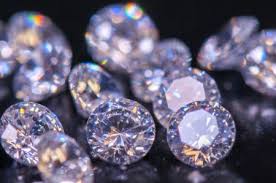
In practical terms, a diamond under a jewelry store's spotlight will throw sharp, crisp flashes of white and rainbow light from every facet. A white sapphire in the same lighting will glow with a soft, silvery-white sheen but lacks the dramatic, high-contrast sparkle.
2. Durability:
Durability is critical for any gemstone destined for everyday jewelry, especially engagementringsandwedding bands. Here, both stones perform admirably but diamond retains a decisive edge.
Mohs Hardness: 10 vs. 9
The Mohs scale of mineral hardness ranks materials from 1 (talc) to 10 (diamond) based on their scratch resistance. The International Gem Society notes that "a 7 or higher on the Mohs scale usually indicates a gem or mineral is hard enough for normal jewelry use". Both diamond and white sapphire comfortably exceed this threshold.
However, the Mohs scale is not linear. Diamond is approximately four times harder than corundum (the mineral family that includes sapphire and ruby) in absolute terms. This means that while white sapphire is exceptionally durable, diamond's superior hardness makes it far more resistant to surface wear, abrasion, and scratching over decades of daily wear.
Vickers Hardness:
For a more granular comparison, Vickers hardness testing reveals the true gap: natural diamond measures approximately 7,000–10,000 Hv, while white sapphire measures around 1,900–2,200 Hv. This three-to-five-fold difference explains why diamonds maintain a sharp, un-abraded finish for generations, while white sapphires may gradually show surface wear and lose brilliance more quickly.
Toughness and Cleavage -
Hardness isn't the only durability factor. Toughness a gemstone's resistance to chipping and breaking, also matters. Diamond has perfect cleavage in four directions, meaning a sharp impact at the wrong angle can cleave the stone. White sapphire has no cleavage, which gives it an advantage in impact resistance. This makes white sapphire an excellent choice for rings that may experience occasional knocks, provided the stone is well-set.
3. Price and Value:
The price difference between diamond and white sapphire is dramatic and it's the primary reason many buyers consider white sapphire in the first place.
Upfront Cost -
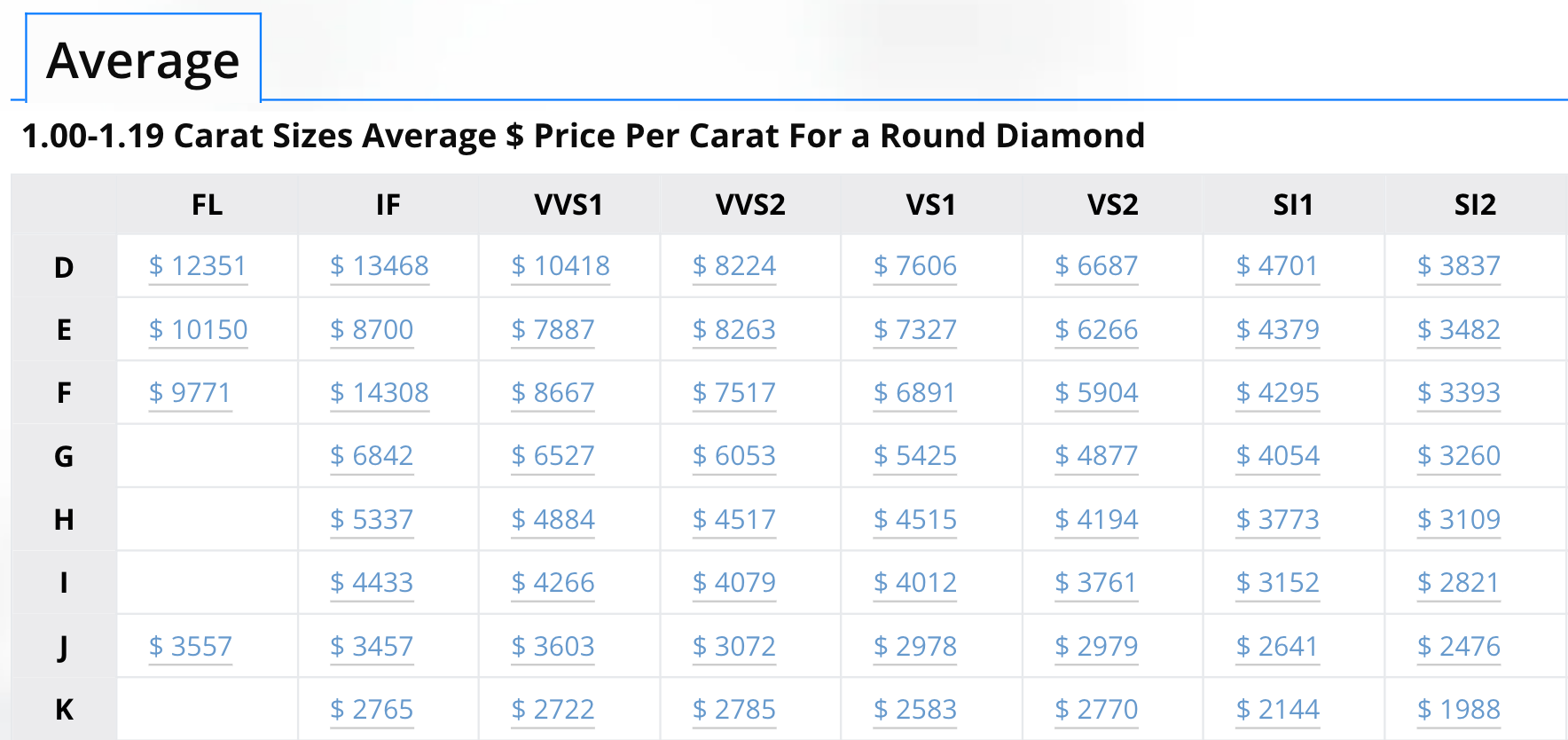
Ahigh-quality 1-carat natural diamond(D–F color, VS clarity, excellent cut) typically retails between $3,000 and $15,000, depending on certification and source. A comparable white sapphire of the same carat weight and visual appearance may cost just $200–$800 often a fraction of the diamond's price.
This price gap widens with carat size. Because large white sapphires are more readily available than large high-clarity diamonds, the cost per carat for white sapphire remains relatively stable, while diamond prices escalate exponentially with size.
Long-Term Value and Resale -
Here's where the comparison becomes more nuanced. Natural diamonds benefit from a well-established global resale market, standardized grading (GIA, AGS, IGI), and consistent consumer demand. While diamonds are not typically considered "investments" in the traditional financial sense, they do retain a portion of their value on the secondary market.
White sapphires, by contrast, have a limited resale market. Their value is primarily aesthetic rather than financial. If long-term value retention is a priority, diamond is the more conservative choice. If you're optimizing for upfront affordability and visual impact per dollar, white sapphire is the clear winner.
The CaratX Advantage -
For B2B buyers and jewelers sourcing in volume, the CaratX marketplace offers direct access to certified natural diamonds and white sapphires from trusted suppliers across 18+ international countries.
Sellers can register onCaratXto reach both wholesale and retail buyers, while buyers can browse our full collection of gemstones at unbeatable marketplace pricing.
4. Care and Maintenance: Keeping Your Stone Brilliant
Diamond Care -
Diamond's extreme hardness means it resists scratching from almost all household materials. However, its adamantine luster relies on a clean surface, even a thin film of skin oil can dull its light return.
Recommended care:
Clean regularly with warm water, mild dish soap, and a soft-bristle brush.
Ultrasonic and steam cleaners are generally safe for untreated diamonds.
Avoid chlorine and harsh chemicals, which can damage metal settings.
Schedule professional prong inspections every 6–12 months.
White Sapphire Care -
White sapphire is also suitable for daily wear, but its slightly lower hardness means it requires a bit more attention to maintain its appearance. Surface haze can develop over time as microscopic scratches accumulate.
Recommended care:
Clean with warm soapy water and a soft brush.
Ultrasonic cleaners are safe for untreated white sapphire; avoid them for fracture-filled stones.
Store separately from harder gemstones (especially diamonds) to prevent scratching.
Avoid abrasive surfaces during chores or heavy activities.
For a deeper dive into gemstone hardness and care, see CaratX's comprehensive guide: The Mohs Scale Decoded: The Ultimate Guide to Gemstone Hardness and Durability in Fine Jewelry.
5. Which Stone Is Right for You?
Choose Diamond If:
Maximum sparkle is non-negotiable. Diamond's brilliance and fire remain unmatched among colorless gemstones.
You want an heirloom piece. Diamond's hardness and timeless appeal make it ideal for jewelry meant to be passed down.
Resale value matters. Natural diamonds have a liquid secondary market; white sapphires largely do not.
You're shopping for a traditional engagement ring. Diamond remains the cultural standard for bridal jewelry.
Explore CaratX's collection of certified natural diamonds from loose stones to finished jewelry, sourced directly from trusted suppliers.
Choose White Sapphire If:
Budget is a primary consideration. You can acquire a larger, visually impressive stone for a fraction of the diamond price.
You prefer a subtle, understated look. White sapphire's soft, silvery glow appeals to buyers who find diamond's sparkle too flashy.
You're sourcing accent stones. White sapphire's durability and affordability make it excellent for halo settings, side stones, and melee.
You want a natural, conflict-free alternative. White sapphire is a naturally occurring gemstone with a transparent supply chain.
Browse CaratX's selection of white sapphires and other gemstones to find the perfect stone for your next project.
Frequently Asked Questions -
Can you tell a diamond from a white sapphire with the naked eye?
In many cases, yes especially in good lighting. Diamond's sharp, rainbow-colored fire and crisp facet patterns are visually distinct from white sapphire's softer, more diffused glow. However, a well-cut white sapphire can look remarkably diamond-like at a distance. For definitive identification, professional gemological testing (refractive index measurement, thermal conductivity testing) is required.
Is white sapphire a good choice for an engagement ring?
Yes. White sapphire's Mohs hardness of 9 makes it durable enough for everyday wear, and its affordability allows for larger carat sizes. However, it will require more frequent cleaning than diamond to maintain its brilliance, and it lacks diamond's fire. Many buyers choose white sapphire as a center stone with diamond accents, combining the best of both worlds.
Does white sapphire have any resale value?
White sapphire has limited resale value compared to diamond. Its primary value is aesthetic rather than financial. If resale potential is important to you, natural diamond is the more established choice.
How does white sapphire compare to moissanite?
Moissanite (Mohs 9.25) has a higher refractive index than diamond (2.65–2.69 vs. 2.42), meaning it actually displays more rainbow fire than diamond. White sapphire has a much lower RI (1.76–1.78) and therefore less fire. If sparkle is your priority and you want a diamond alternative, moissanite outshines white sapphire. If you prefer a more subtle, natural-looking stone, white sapphire is the better choice.
Can white sapphire be lab-created?
Yes. Lab-created white sapphire (synthetic corundum) has the same chemical composition and physical properties as natural white sapphire. It is significantly less expensive and indistinguishable from natural material without advanced testing. GIA notes that synthetic sapphire has been produced since the late 19th century and is widely used in both industrial and jewelry applications.
What is the best setting for a white sapphire ring?
Because white sapphire is slightly softer than diamond, a protective setting such as a bezel or low-profile prong setting helps minimize surface wear. Well-secured prongs are essential. For inspiration, see CaratX's Ultimate Guide to Diamond Ring Settings, which covers prong, bezel, pavé, and other popular styles.
Ready to take your gemstone business global? CaratX connects sellers with B2B and B2C buyers across 18+ international countries.
Sellers: Register on CaratX to list your diamonds, gemstones, and jewelry on our marketplace. Reach wholesale buyers and retail customers through a single dashboard.
Buyers: Browse certified natural diamonds, white sapphires, moissanite, and more at unbeatable marketplace prices.
Pricing & Plans: Learn more about our seller plans and marketplace fees.
Visit www.caratx.com/register to get started today.
Recommended Reads from CaratX -
1. White Gemstones: Properties, Value, and Buying Guide
URL: https://caratx.com/blog/white-gemstones-properties-value-and-buying-guide
Relevance: This guide directly compares diamond, moissanite, and white sapphire, covering their optical properties, durability, and value. It's the perfect companion piece for readers who want a broader view of colorless gemstone options.
2. The Mohs Scale Decoded: The Ultimate Guide to Gemstone Hardness and Durability in Fine Jewelry
Relevance: This is the definitive deep dive into why diamond (Mohs 10) and white sapphire (Mohs 9) perform differently in everyday wear. It explains hardness vs. toughness vs. stability essential for any buyer choosing between the two stones.
3. 39 Gemstones to Know: A Colorful Guide for Gem Lovers
Correct URL: https://caratx.com/blog/39-gemstones-to-know-a-colorful-guide-for-gem-lovers
Relevance: This guide covers diamond, corundum varieties, and many other white gemstones, giving readers a wider context for where diamond and white sapphire sit within the full gemstone spectrum.
4. The Ultimate Guide to Diamond Ring Settings: How a Setting Defines Your Style
Relevance: Since white sapphire is slightly softer than diamond, setting choice matters. This guide explains how prong, bezel, pavé, and halo settings affect brilliance, security, and wearability directly relevant to the "best setting for a white sapphire ring" discussion.
5. Sapphires Shine While Diamond Market Faces Mixed Signals: A Deep Dive into Q1 2026
Relevance: This market analysis directly supports the price and value section of your article, showing how sapphires (including white sapphire) are outperforming traditional assets at auction while the diamond market undergoes a K-shaped recovery.
To further strengthen the article's authority and internal linking, here are more CaratX blog posts that are directly relevant to the diamond vs. white sapphire comparison. You can hyperlink these naturally within the body text or add them to a "Further Reading" section.
6. The Science That Makes a Diamond Truly Valuable: Decoding the Optical DNA
Relevance: Explains diamond's refractive index (2.42), birefringence, and light performance in scientific detail perfect for the "Science of Sparkle" section. It directly contrasts diamond's RI with corundum's RI of 1.76.
7. The Timeless Allure of White Gemstones: A Complete Guide to Modern Jewelry's Purest Treasures
Relevance: Covers diamond, moissanite, zircon, white spinel, and moonstone as diamond alternatives. Excellent for expanding the "Which Stone Is Right for You?" section with additional options.
8. Fancy Sapphires: The Colorful Side of the Sapphire World
URL: https://caratx.com/blog/fancy-sapphires-the-colorful-side-of-the-sapphire-world
Relevance: Includes a dedicated section on white (colorless) sapphire, describing it as "the purist" and noting its use as a diamond simulant and accent stone. Directly supports the white sapphire discussion.
9. The Complete Guide to Gemstone Verification: How to Check Authenticity, Quality, and Value
Relevance: Essential for the "Can you tell a diamond from a white sapphire with the naked eye?" FAQ. Explains refractive index testing, thermal conductivity, and other identification methods.
10. Not All Blues Are the Same: A Deep Dive into Sapphire, Spinel, Diamond & Tanzanite
Relevance: While focused on blue varieties, this article's geological and scientific explanations of sapphire and diamond properties provide useful context for the corundum family discussion.