
CaratX Education Blog | Raw Diamond Guide | Identify Rough Diamonds
Raw Diamond Guide: How to Identify, Value, and Buy Rough Stones with Confidence
A raw diamond holds something powerful inside it - untouched beauty, geological history, and the potential to become a brilliant polished gem. But spotting one, evaluating its value, and understanding how raw stones differ from polished diamonds requires knowledge most people are never taught. This CaratX guide breaks everything down so you can identify, assess, and buy a raw diamond with confidence, whether you are collecting, investing, or designing custom jewelry.
What Makes a Raw Diamond Unique
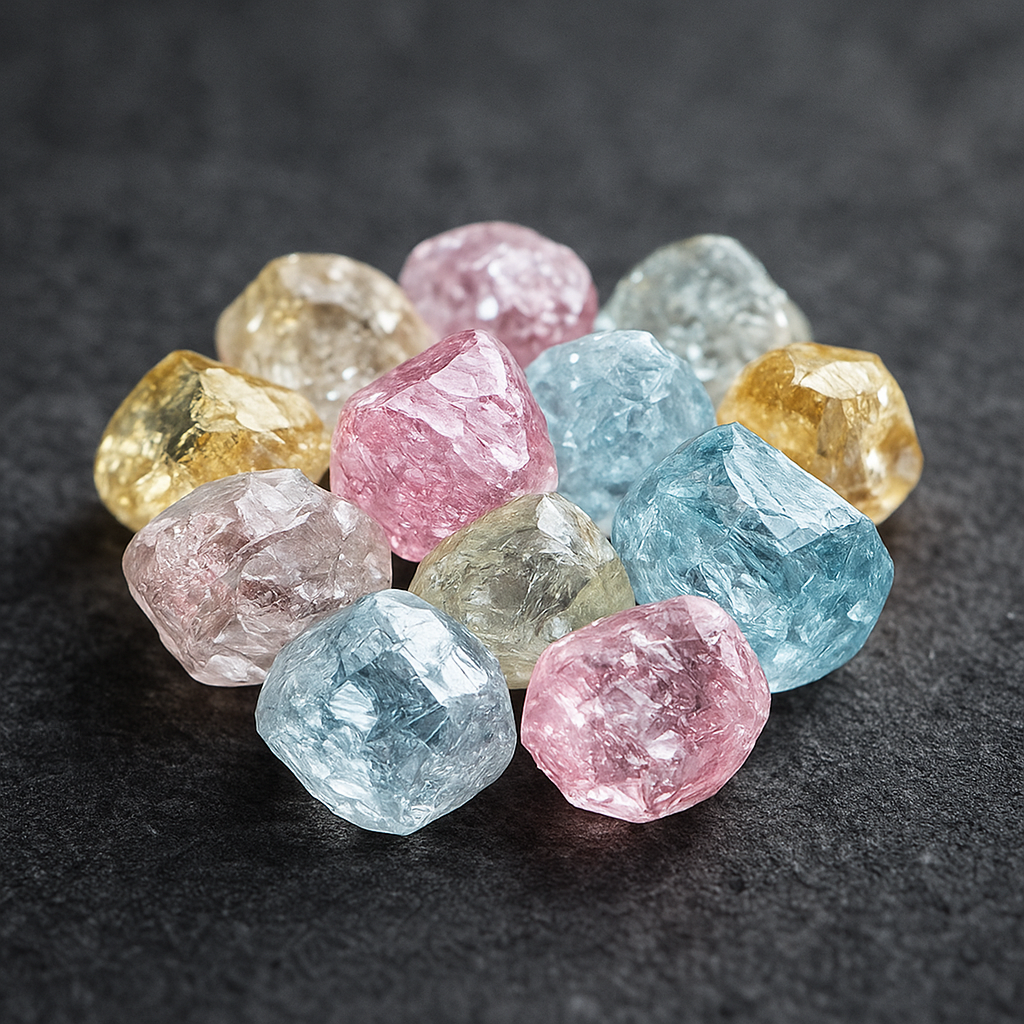
A raw diamond is an uncut, unpolished natural stone pulled directly from the earth. Instead of the brilliance seen in jewelry stores, raw stones retain their original crystal shapes, matte texture, and rough surfaces. These features tell the story of how the diamond formed under immense heat and pressure deep within the Earth’s mantle.
Most rough crystals appear either octahedral, triangular, or irregular, depending on how they grew. They may be cloudy, tinted, or covered in natural mineral coatings. Unlike cut diamonds, every raw diamond looks different, which is why proper identification matters.
How to Identify a Raw Diamond by Sight
While identification should ultimately be done by a professional, you can look for several visual markers when you first examine a stone.
1. Natural Crystal Shape
Most raw stones follow geometric formations, often resembling two pyramids joined together. If the crystal shape appears too rounded or glass like, it may not be a diamond at all.

2. Surface Texture
A raw diamond typically has a waxy or matte surface. Some stones show triangular growth marks known as trigons, which are one of the most reliable natural indicators.
3. Light Reflection
Rough diamonds reflect light in a muted, metallic way rather than sparkling brightly. They do not fully shine until they are cut and polished, which is one of the key differences between rough stones and finished gems.

How Professionals Authenticate a Raw Diamond
At CaratX, evaluation goes deeper than simple home tests. Experts combine several methods to confirm whether a stone is genuine.
A. Hardness Testing
Diamonds are the hardest natural material. A raw diamond can scratch nearly anything, including quartz and most metals. However, this test needs to be handled carefully so you do not damage surrounding minerals or the stone itself.
B. Specific Gravity Measurement
Diamond density is unique. Professionals use precise tools to determine whether the stone’s weight and displacement match the expected specific gravity for diamond.
C. Magnification Analysis
Under a jeweler’s loupe or microscope, you can see inclusions, crystal structure, and growth patterns that synthetic or imitation stones cannot duplicate. These internal features are part of the diamond’s fingerprint.
D. UV Light and Conductivity Testing
Different minerals react differently under ultraviolet light and when tested for electrical or thermal conductivity. Combining these readings helps distinguish real diamonds from common substitutes such as moissanite or cubic zirconia.
What Determines the Value of a Raw Diamond
The value of a raw diamond depends on factors many buyers overlook, especially when they are used to shopping only for polished stones.
1. Shape and Yield
Cutters evaluate how much polished diamond the rough crystal can produce. A poorly shaped piece may yield far less value than its weight suggests.
2. Color and Clarity
Raw stones range from white to yellow to champagne and brown, with clarity ranging from heavily included to extremely clean. These traits guide how the stone will be cut and whether it is more suitable for high end jewelry or commercial grade use.

3. Carat Size
Larger rough crystals are rarer, especially if they have good color and clarity. As carat weight increases, even small advantages in quality can result in major jumps in value.
4. Structural Integrity
Cracks, feathers, or stress lines hidden inside a raw diamond can dramatically affect cutting potential and final yield. A stone that looks impressive from the outside might lose much of its value once internal weaknesses are revealed.
Ethical Sourcing Matters
Every raw diamond should come from a verifiable, conflict free supply chain. At CaratX, all rough diamonds follow strict international certification standards, giving buyers confidence in the stone’s origin and legality. Ethical sourcing is particularly important in markets such as the United States, United Kingdom, India, and the Gulf region, where consumers increasingly expect transparency and responsible practices.
How to Buy a Raw Diamond Safely
If you want to purchase a raw diamond, it pays to slow down and ask the right questions before you commit.
- Work with a seller that provides clear certification or origin documentation.
- Request magnified photos and multiple angles of inclusions, not only surface shots.
- Ask about yield estimates if you plan to cut the stone into polished diamonds.
- Decide whether you want a collector’s specimen or a cutting candidate, since they are valued differently.
- Use platforms like CaratX that offer transparent sourcing and professional review instead of anonymous listings.
With rough stones, experience and documentation matter. One mistake can be costly, especially when internal flaws are invisible to the untrained eye.
Why Raw Diamonds Are Popular Again
Global demand for raw diamond jewelry has grown as tastes shift toward natural and less processed aesthetics. Many buyers now appreciate the organic shape, muted shine, and individuality that polished diamonds cannot replicate.
Designers in India, the United States, and Europe are increasingly using rough crystal forms in engagement rings and artisan pieces, giving the raw look a modern presence while still celebrating the stone’s ancient origins.
Frequently Asked Questions About Raw Diamonds
What does a raw diamond look like in nature?
It usually appears matte, geometric, and less transparent than polished stones. You may see natural faces, edges, and growth marks rather than smooth facets.
Are raw diamonds cheaper than polished diamonds?
Often they are, but a high quality rough stone with strong yield potential can be very valuable. Price always depends on shape, color, clarity, and carat.
Can a raw diamond be used in jewelry without cutting?
Yes. Many modern designers incorporate rough stones directly into rings and pendants, using the natural crystal form as the focal point of the design.
How do I know if my raw diamond is real?
Professional testing is the safest approach. Hardness, density, magnification, and ultraviolet reaction all help confirm whether a stone is genuine diamond.
Are raw diamonds ethical?
They are ethical only if they are sourced and sold through channels that follow conflict free certification standards. CaratX ensures that all rough stones on the platform meet strict ethical and legal requirements.
Conclusion: Understanding the Beauty and Potential of a Raw Diamond
A raw diamond invites curiosity. It represents the beginning of a gemstone’s story - untouched, unpredictable, and full of possibility. Whether you are a collector, a jeweler, or someone searching for something real and natural, understanding how to identify and value a raw diamond gives you the confidence to make informed decisions.
We hope this CaratX Guide gives you the tools, transparency, and global access you need to explore the world of rough stones with clarity and trust.