

A Detailed Guide to Light Pink vs. Fancy Pink Sapphire: Color, History, and Market Value
Home
Our Favorite Articles A Detailed Guide to Light Pink vs. Fancy Pink Sapphire: Color, History, and Market Value SHOP NOWHome
Our Favorite Articles A Detailed Guide to Light Pink vs. Fancy Pink Sapphire: Color, History, and Market Value SHOP NOWDec, 18, 2025 by Archit Mohanty 0 Comments

For centuries, the pink sapphire has captivated hearts with its blend of romance, rarity, and regal heritage. This exquisite member of the corundum family offers a spectrum of pink, from the faintest whisper of color to a vivid, saturated hue.
Within the gem trade and among connoisseurs, two distinct categories are often discussed: the light pink sapphire and the fancy pink sapphire. While both share a fundamental beauty, their differences in color intensity, historical context, geological rarity, and market value are profound. This guide delves deep into these captivating gems, offering insights for collectors, jewelers, and enthusiasts.
The single most important factor differentiating these sapphires is color, which is evaluated based on three components: Hue (the basic color), Tone (lightness or darkness), and Saturation (color intensity or purity).
Light Pink Sapphire: The Essence of Delicacy Light pink sapphires reside at the paler end of the spectrum. Their color is typically described as soft, pastel, or blush. The tone is light, and the saturation is low to moderate, giving them a translucent, often ethereal quality. They may exhibit subtle secondary hints of purple or peach.
These stones are prized for their understated elegance and are frequently chosen for vintage-inspired designs, engagement rings seeking a gentle alternative to diamonds, and jewelry meant for daily wear. Their appeal lies in their subtlety and ability to complement a wide range of styles without overpowering.
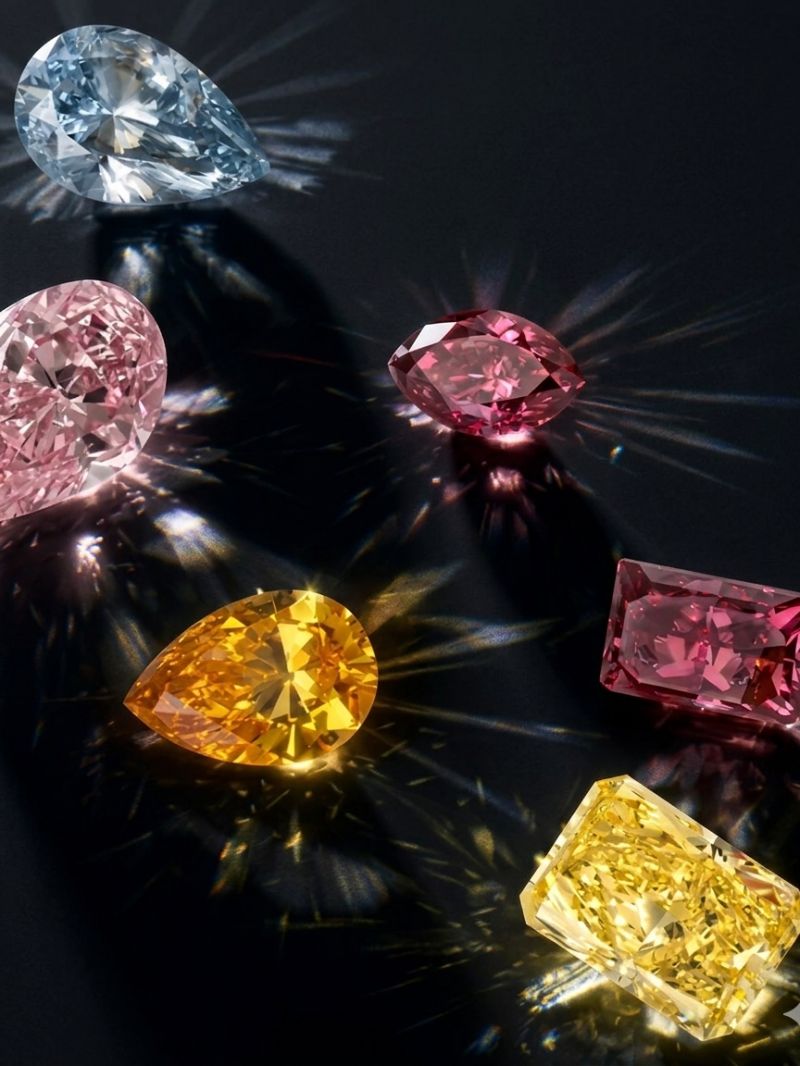
Fancy Pink Sapphire: The Assertion of Vibrancy Fancy pink sapphires, sometimes called "hot pink" or "vivid pink" sapphires, command attention. They possess a strong, intense, and highly saturated pink hue. The tone is medium to medium-dark, allowing the rich color to shine with a bold presence. The finest fancy pinks have a pure, vivid pink color rivaling some of the best pink diamonds, with no modifying brown or gray overtones.
According to the Gemological Institute of America (GIA), which sets the global standard for gem color grading, the term "fancy" in the colored stone trade often denotes a vivid, intense saturation. These gems are centerpiece stones, selected for statement jewelry, high-profile collector pieces, and designs where the gemstone is unequivocally the star.
Light Pink Sapphire: Very light to light pink
Fancy Pink Sapphire: Medium to medium-dark pink
Light Pink Sapphire: Low to moderate saturation
Fancy Pink Sapphire: Vivid to intense saturation
Light Pink Sapphire: Soft, subtle, and elegant appearance
Fancy Pink Sapphire: Bold, vibrant, and highly eye-catching
Light Pink Sapphire: Blush rose, cotton candy tones
Fancy Pink Sapphire: Fuchsia, magenta, vivid pink diamond shades
Light Pink Sapphire: Understated romance, everyday versatility, and delicate aesthetics
Fancy Pink Sapphire: Maximum color impact, rarity, and strong visual presence
Pink sapphires are steeped in a rich history that spans continents and cultures. Their durability (9 on the Mohs scale) and beauty made them favorites among royalty and nobility.
Ancient Beliefs and Symbolism: In many ancient Asian cultures, including Sri Lanka (a historic source), pink and red corundum were believed to offer protection, attract benevolent spirits, and symbolize love and power. This cultural reverence laid the foundation for their status.
Light Pink in History: Historically, larger quantities of lighter-toned pink sapphires were available. They were extensively used in Victorian and Edwardian era jewelry, often set in intricate filigree or surrounded by diamonds. Their soft color was associated with femininity, innocence, and delicate beauty, making them popular for court jewelry and aristocratic heirlooms passed down through generations.
Fancy Pink's Regal Rarity: The occurrence of a naturally vivid pink sapphire was always a rare geological event. Consequently, these exceptional stones were often reserved for the most significant pieces ceremonial ornaments, crown jewels, or gifts between rulers. Their intense color was seen as a manifestation of great fortune and power.
The difference in availability between these two categories is the primary driver of their value discrepancy.
Origin and Availability: Major sources for pink sapphires include Sri Lanka, Madagascar, Myanmar, and Tanzania. While light pink sapphires are found in commercially viable quantities across these deposits, stones with a stable, intense fancy pink color are exceptionally rare.
The specific trace element chemistry (primarily chromium) and geological conditions needed to create a saturated pink without any color zoning or undesirable secondary hues are uncommon.
Treatments and Transparency: It is crucial for buyers to understand that many pink sapphires on the market undergo heat treatment to improve or stabilize their color. This is a widely accepted practice. However, a natural, untreated fancy pink sapphire with vivid color is one of the rarest and most valuable finds in the gem world.
Reputable sellers, like those on curated marketplaces, should always disclose any treatments. For sellers who prioritize this level of integrity and global reach, platforms like CaratX offer a plan to launch your products on CaratX and connect with informed international buyers.
Market Value and Investment: Light pink sapphires are generally more accessible and affordable per carat, offering incredible beauty at a friendlier price point. Fancy pink sapphires, especially those over 1 carat with vivid saturation, can see exponential price increases.
Their value is comparable to high-quality padparadscha sapphires or certain pink diamonds, making them not only jewelry pieces but also potential alternative investments. For collectors and investors, the liquidity and value retention of such top-tier fancy colored gemstones are significant considerations.
Your choice depends on personal style, occasion, and budget.
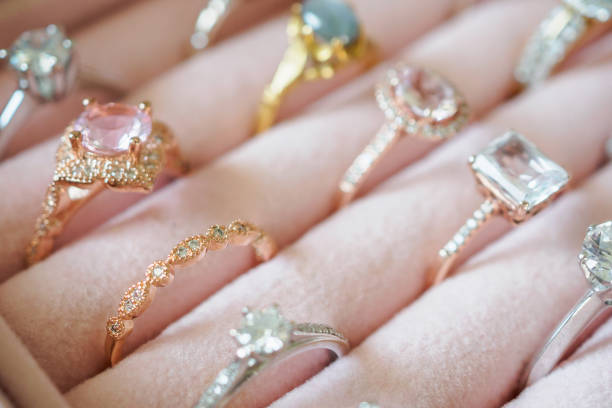
For the Light Pink Sapphire Lover: You appreciate subtlety and timeless elegance. This stone is perfect for an everyday engagement ring, a delicate pendant, or heirloom-inspired earrings. It pairs beautifully with both white and rose gold settings.
For the Fancy Pink Sapphire Enthusiast: You desire a jewel with undeniable presence and passion. This stone is ideal for a signature cocktail ring, a standout center stone in an engagement ring, or a pair of statement earrings. It makes a declaration.
Pro Tip for Buyers: Always request a gemstone report from a respected laboratory like the GIA or AGL for significant purchases, especially for fancy pink sapphires. This report will verify the stone's natural origin, color description, and any treatments.
For Sellers and Jewelers: Understanding this distinction allows you to better curate your inventory and educate your clients. Sourcing these gems requires different networks and investment levels.
If you're looking to access a global marketplace of B2B and B2C buyers for such fine gemstones, consider exploring a platform designed for international trade.
You can learn more about the process and benefits by visiting the page on how to launch your products on CaratX.
Q1: Can a light pink sapphire be considered a "fancy" color? Typically, no. In standard gemological terminology, "fancy" denotes a high level of saturation and intensity. A light pink sapphire, while beautiful, does not meet this criterion. The term is more commonly used in the diamond trade but has been adopted for intensely saturated colored gemstones.
Q2: Are pink sapphhips always heated? No, but heat treatment is very common to enhance the pink color, often by dissolving rutile silk or optimizing chromium's effect. Unheated pink sapphires with attractive color are rare and should come with a reputable lab report confirming no evidence of heat.
Q3: Which is better for an engagement ring: light or fancy pink? Both are excellent choices (sapphire is second only to diamond in hardness). Light pink offers a soft, romantic look and may be more budget-friendly for larger stones. Fancy pink makes a bold, unique, and highly valuable statement. The choice is purely aesthetic and personal.
Q4: How should I care for my pink sapphire jewelry? Clean with warm water, mild dish soap, and a soft brush. Ultrasonic cleaners are generally safe for heat-treated sapphires but avoid them if the stone has fractures or significant inclusions. Store separately to avoid scratches from other jewelry.
Q5: Where can I find high-quality pink sapphires for my collection or inventory? Reputable sources include established gem dealers, specialized gem shows, and trusted online marketplaces that provide detailed certification and origin information. For a wide selection and a platform built for professional trade, you can shop gemstones from our CaratX marketplace.
May, 26, 2026
Aug, 06, 2022
Aug, 06, 2022

0 Comments
Please login to leave a reply.