

The Geometry of Brilliance: Why Length-to-Width Ratio Dictates Diamond Beauty and Value
Home
Our Favorite Articles The Geometry of Brilliance: Why Length-to-Width Ratio Dictates Diamond Beauty and Value SHOP NOWHome
Our Favorite Articles The Geometry of Brilliance: Why Length-to-Width Ratio Dictates Diamond Beauty and Value SHOP NOWMar, 23, 2026 by Archit Mohanty 0 Comments
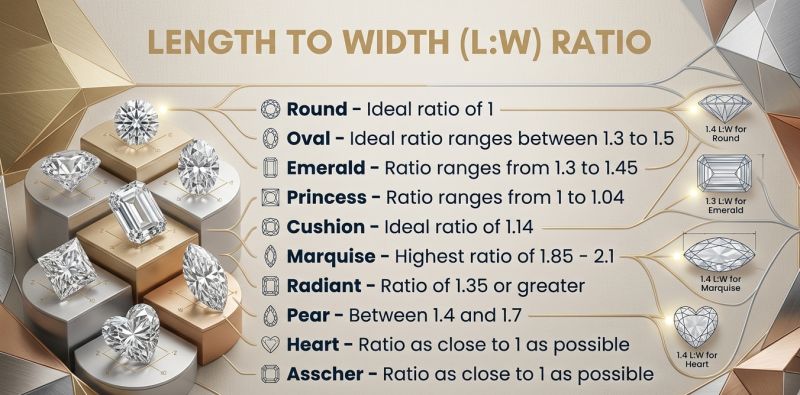
When purchasing a fancy shape diamond be it an Oval, Marquise, or Emerald cut consumers often fixate solely on carat weight. However, in the world of gemology, size is not the only thing that matters. The secret to a diamond’s visual harmony, its perceived size on the finger, and even its long-term investment potential lies in a simple mathematical formula: the Length-to-Width Ratio.
At CaratX , we empower sellers and buyers with the technical knowledge needed to navigate the international diamond market. Whether you are sourcing inventory for a luxury boutique or selecting the perfect center stone for an engagement ring, understanding this ratio is the key to unlocking superior value and aesthetics.
In this detailed guide, we will explore how the length-to-width ratio affects shape appearance, structural durability, market demand, and why selling "balanced" shapes through a global marketplace like CaratX can maximize your return on investment.
The length-to-width ratio is a mathematical expression used to define the silhouette of a fancy-shaped diamond. It is calculated by dividing the total length of the diamond by its total width.
Formula: Length÷Width = RatioLength÷Width = Ratio
Unlike round brilliants, which have standardized proportions for optimal light performance, fancy shapes offer a spectrum of silhouettes. A ratio tells you if a diamond looks "chunky" (low ratio), perfectly balanced (ideal range), or "elongated" (high ratio).
Visual Balance: It determines whether the diamond looks proportional or distorted.
Perceived Size: Elongated ratios maximize surface area, making the diamond appear larger than a round diamond of the same carat weight.
Market Liquidity: Diamonds that fall within preferred industry ratios are easier to sell and typically command higher prices per carat.
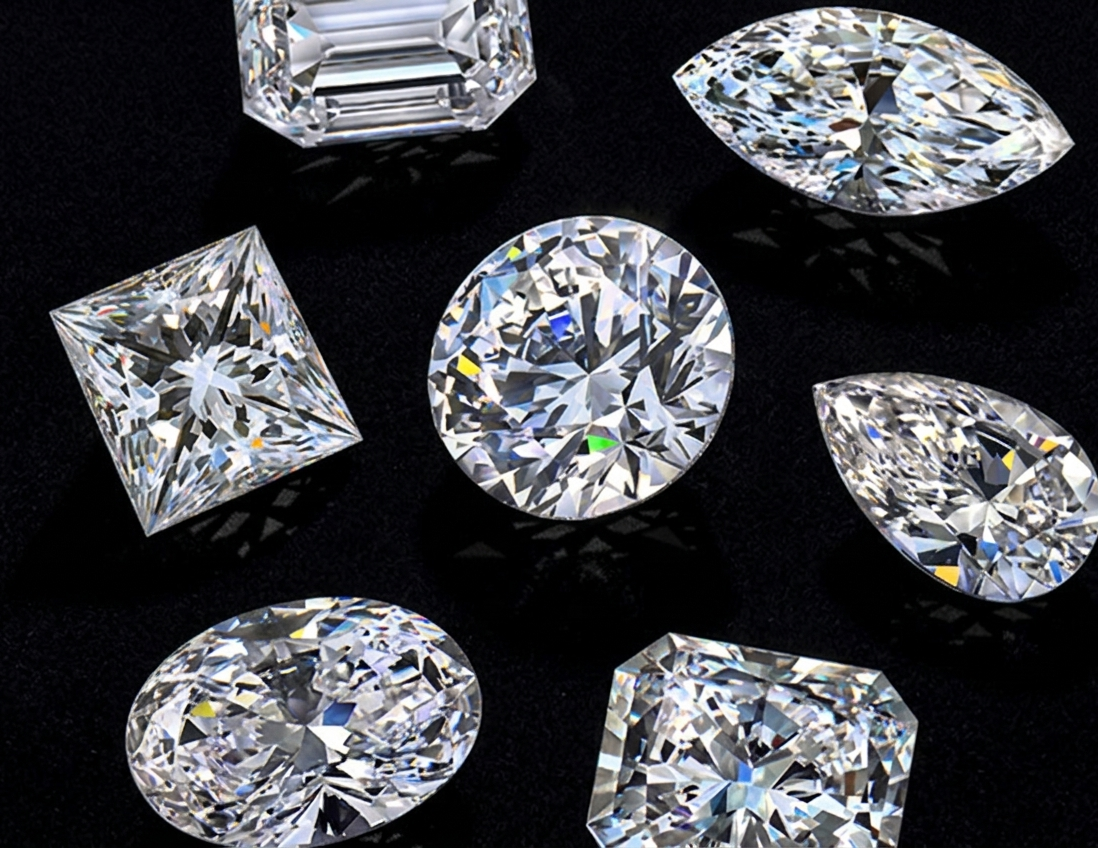
Not all fancy shapes are created equal. Based on market data from leading gemological laboratories and consumer behavior studies, specific ratios are considered the "sweet spot" for aesthetics and resale value.
The Marquise cut is designed to maximize carat weight visibility. A ratio within this range offers a slender, elegant silhouette. Ratios below 1.70 can appear stubby, while ratios above 2.40 risk looking overly pointed and fragile.
The Oval has surged in popularity due to its elongating effect on the finger. The ideal range balances the "bow-tie" effect (a dark area across the center) with a graceful outline. A ratio of 1.45 is often cited by jewelers as the "golden ratio" for ovals.
Emerald cuts rely on step cuts and clarity. A ratio in this range provides a sophisticated, Art-Deco feel. While square emeralds (Asscher cuts) exist, rectangular shapes with a ratio above 1.50 are currently trending in luxury jewelry markets.
The Pear (or teardrop) requires symmetry. The ideal ratio ensures the rounded end balances the pointed tip. A well-proportioned pear shape will sit perfectly in a pendant or ring setting without appearing too fat or too skinny.
Heart-shaped diamonds are unique in that they require near-perfect symmetry. The optimal ratio is typically 1:1, ensuring the cleft (the "V" of the heart) is centered and the lobes are plump.
While often square, rectangular radiants are becoming popular. For a modern look, ratios up to 1.30 are acceptable.
To view high-quality diamonds with verified ratios, explore the inventory at the CaratX Marketplace.
Research in visual perception suggests that humans are naturally drawn to specific proportions. The "Golden Ratio" (approximately 1.618) appears frequently in nature and art. While not all diamonds hit this exact number, shapes that approach this ratio often appear more harmonious.
According to the Gemological Institute of America (GIA) , the proportions of a diamond including length-to-width ratio directly influence its desirability and market price. Stones that fall outside of standard parameters often require custom settings, limiting their appeal to the mass market.
For bridal and luxury jewelry, balanced shapes are in higher demand. Retailers and wholesalers listing on platforms like CaratX note that diamonds within the preferred ratio ranges sell faster and often yield a higher ROI compared to "off-ratio" stones.
Sellers often ask: Does the ratio affect the price? Absolutely.
Premium for Ideal Ratios: Diamonds within the standard ranges are considered "commercial" goods. They are the bread and butter of the jewelry industry. Because they are easy to set in mass-manufactured mountings, retailers are willing to pay a premium.
Discounts for Unusual Ratios: Diamonds that are unusually long, short, or asymmetrical often sell at a discount. While they may appeal to a niche market seeking custom designs, they generally have lower liquidity.
The Elongation Trend: Currently, elongated shapes (e.g., Oval ratios near 1.60, Emerald cuts near 1.75) are trending. They appear larger on the finger, giving the consumer more "finger coverage" per carat. This trend has shifted pricing dynamics, making these elongated ideal ratios highly sought after.
If you are looking to sell diamonds internationally, understanding these market nuances is critical. Register as a seller on CaratX to access B2B and B2C buyers across 18+ countries.
Aesthetics aside, the length-to-width ratio has significant implications for the durability of the gemstone.
Long and Thin Diamonds (e.g., Marquise or Pear shapes with ratios exceeding 2.25) are more prone to damage at the tips. The pointed ends are structurally vulnerable. If the diamond is set in a ring, these tips are susceptible to chipping if knocked against a hard surface.
Protective Settings: For diamonds with extreme ratios, protective settings such as V-tip prongs (for marquise and pear shapes) or bezel settings are often required to safeguard the stone.
Unusual Ratios: Diamonds with ratios far outside the norm (e.g., a 1:2 ratio) often require custom jewelry settings. While this is common in high-end, avant-garde designs, it represents a niche market segment.
To help you navigate the diamond trade, CaratX offers a suite of tools and marketplaces. Below are relevant internal links to explore:
Explore Natural Diamonds: View our extensive inventory of certified fancy shape diamonds with verified proportions. Shop Natural Diamonds
Sell Diamonds & Jewelry: Are you a wholesaler or retailer looking to expand globally? Join our network of sellers. Sellers Register Here
Shop Loose Gemstones: Beyond diamonds, find colored gemstones at unbeatable prices. Shop Gemstones on CaratX
Pricing & Seller Plans: Understand our competitive pricing structure and seller plans to maximize your margins. CaratX Pricing Details
The length-to-width ratio is far more than a number on a grading report; it is the blueprint of a diamond's character. For buyers, it ensures you select a stone that looks beautiful and sits well in its setting. For sellers, it dictates inventory turnover and profitability.
As the diamond industry continues to evolve, with trends shifting toward elongated shapes and global B2B trade expanding, having a partner like CaratX is essential.
We provide the platform to connect with buyers and sellers in over 18 international countries, ensuring that whether you are dealing in perfectly balanced 1.45 Oval cuts or striking 2.1 Marquise diamonds, your assets are positioned for success.
Ready to take your diamond business to the next level? Register today on CaratX and start selling to a global audience.
Q1: Does a higher length-to-width ratio mean a diamond looks bigger? Yes. Generally, a higher ratio means the diamond is more elongated. Because the surface area is spread out over a longer shape, it often appears larger than a round diamond of the same carat weight when viewed from above.
Q2: Can a diamond be too elongated? From a marketability standpoint, yes. Diamonds that are extremely long (e.g., Marquise cuts over 2.25:1) are harder to sell because they require custom settings and are more prone to tip damage. However, they can be desirable for specific designer jewelry pieces.
Q3: How do I measure length-to-width ratio? It is measured using a millimeter gauge. Most laboratory reports (GIA, IGI, etc.) include the exact length and width measurements in millimeters. Simply divide the length by the width.
Q4: Why are some shapes like heart or princess cut 1:1? These shapes rely heavily on symmetry. A heart shape, for example, loses its recognizable form if it is too elongated. The "cleft" or split at the top becomes distorted if the ratio deviates significantly from 1:1.
Q5: Are there exceptions to these ratios in high fashion jewelry? Absolutely. High-end designers like Cartier, Tiffany & Co., or independent artists often use unusual ratios to create unique, avant-garde pieces. However, for standard fine jewelry and investment-grade stones, staying within the preferred ranges is recommended.
May, 26, 2026
Aug, 06, 2022
Aug, 06, 2022


0 Comments
Please login to leave a reply.