

Atennis braceletis more than just a row of sparkling diamonds. It's a piece of jewelry that sits against your skin all day, absorbing the constant knocks, flexes, and friction that a ring or a pair of earrings simply never experience.
That fundamental reality changes the buying logic entirely. Yet too many buyers walk into a jewelry store (or scroll through an online marketplace) fixated on a single number: total carat weight. While carat weight is an important metric, it tells you the combined weight of all the diamonds in thebraceletnot the size of each individual stone, and certainly not the quality of the piece as a whole.
This guide will walk you through everything you need to know to make an informed decision: from the 4Cs of diamond quality to setting types, clasp security, metal durability, ethical sourcing, and long-term care. By the end, you'll understand why a well-crafted 3-carat tennis bracelet can outshine a poorly made 7-carat one and how to identify true value when you see it.
Why Carat Weight Alone Is Misleading -
When you see "5 CT TW" on a tennis bracelet label, that figure represents the total carat weight of all the diamonds in the piece. It says nothing about how those carats are distributed, how well the diamonds are cut, or whether the stones are of consistent quality. Abraceletwith 50 small, poorly cut diamonds may weigh more in total carats than one with 30 impeccably cut, well-matched stones yet the latter will almost always look more brilliant and command a higher price per carat.
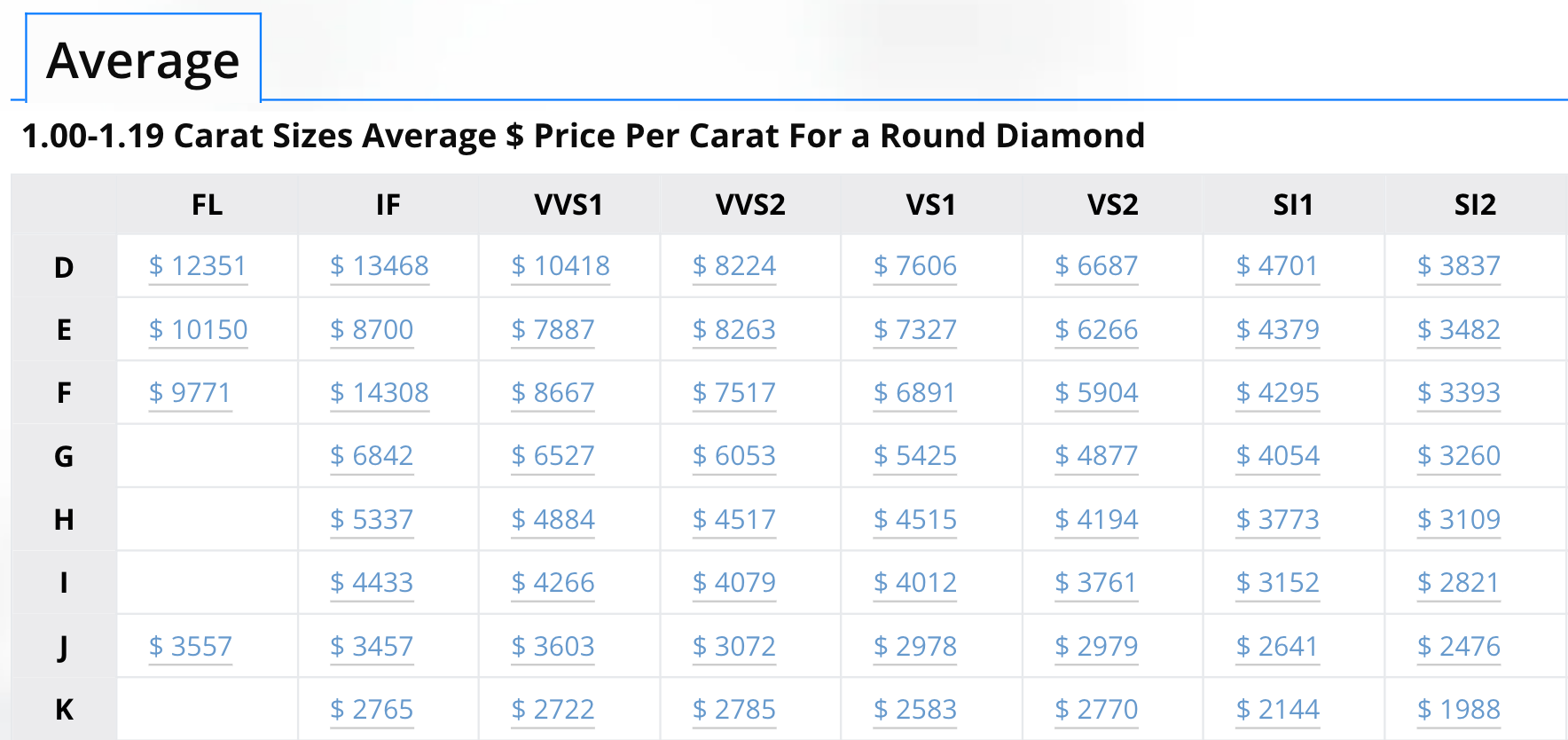
Carat weight also interacts with diamond pricing in a non-linear way. Diamond prices rise exponentially at certain "magic sizes" 0.5, 1.0, 1.5, and 2.0 carats so a bracelet using 0.48-carat stones can offer nearly identical visual impact to one using 0.50-carat stones at a significantly lower total cost. Smart buyers understand that cut quality, color consistency, and clarity are the true drivers of beauty and value.
The 4Cs of Diamond Quality: A Deep Dive -
TheGemological Institute of America (GIA)established the 4Cs Cut, Color, Clarity, and Carat Weight, in the 1940s and 1950s as a universal method for evaluating diamond quality. The American Gem Society (AGS) later advanced cut grading with its performance-based Light Performance system, which evaluates how a diamond actually behaves with light rather than just its proportions.
Cut:
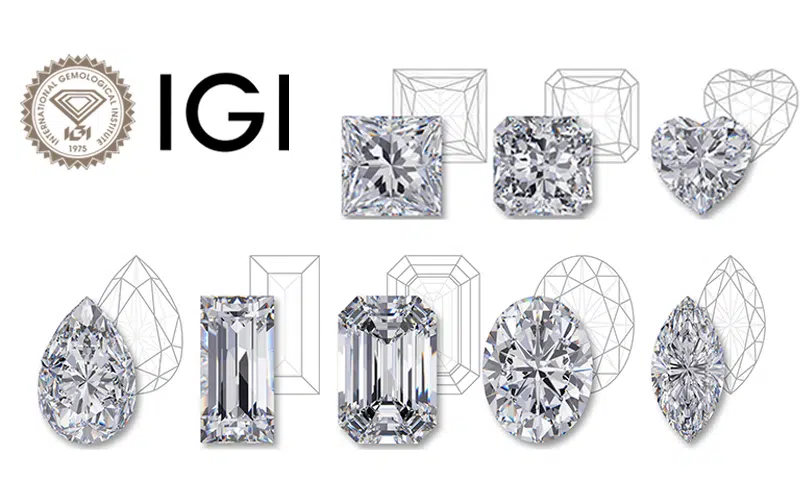
Cut is perhaps the most crucial of the 4Cs. It doesn't refer to a diamond's shape (round, oval, pear, etc.) but rather to the quality of workmanship, the proportion and arrangement of facets.
A well-cut diamond reflects light internally from facet to facet and disperses it back through the top, creating the brilliance, sparkle, and fire that make diamonds desirable. Grades range from Excellent to Poor. Diamonds with a Poor cut grade appear lifeless and dull, regardless of their color or clarity.
Fortennis bracelets, cut quality is especially important because the stones are typically small (often between 0.1 and 0.5 carats each). A well-cut small diamond can sparkle more intensely than a larger, poorly cut one. When evaluating a bracelet, look for uniform brilliance across all stones any dull or dark spots indicate inconsistent cutting.
The American Gem Society Laboratories (AGS Labs) uses a 0–10 cut scale, where 0 represents an AGS Ideal cut with no light leakage, high fire potential, and evenly distributed contrast. Many high-end tennis bracelets now carry AGS Ideal or GIA Excellent cut diamonds as standard.
Color:
Color measures a diamond's absence of color on a D-to-Z scale, with D being colorless and Z being light yellow or brown. Fortennis bracelets, color consistency across all stones is far more important than achieving a D grade. A bracelet with E–F color diamonds that are perfectly matched will look far better than one with a mix of D and G stones, where the color variation becomes visible as a patchy, uneven line.
D, E, and F grade diamonds are extremely rare and valuable. G and H diamonds are typically considered excellent value, and color becomes visible to the untrained eye at the I grade and below. For white gold or platinum settings, colorless or near-colorless diamonds (D–H) are ideal. For yellow gold settings, J–K color diamonds can blend beautifully with the warm metal tone.
Clarity:
Clarity measures the amount, size, and placement of internal inclusions and external blemishes. Grades range from Flawless (no visible imperfections at 10x magnification) to Included (significant imperfections visible to the unaided eye). Fortennis bracelets, diamonds with clarity grades down to VS2 or SI1 are typically eye-clean and offer excellent value. Inclusions in these grades are not visible without magnification.
It's worth noting that inclusions and blemishes are not "flaws" in a negative sense, they are actually powerful identification tools. Because most diamonds have a unique combination of clarity characteristics, these features act like fingerprints, giving each diamond its own identity. For abraceletwith many small stones, paying a premium for VVS or Flawless clarity is often unnecessary; the difference is invisible at arm's length.
Carat Weight:
Carat refers to a diamond's weight, with one carat equaling 0.2 grams. While larger diamonds are rarer and more expensive, how large a diamond appears also depends on its proportions. A one-carat diamond with a wider, shallower cut may appear larger than a one-carat diamond with excellent proportions.
Fortennis bracelets, the standard description indicates total carat weight (e.g., "2 ct TW" = 2 total carats). A first tennis bracelet typically ranges from 2 to 3 total carats, which offers a beautiful balance of presence and wearability. Bracelets with 5+ total carats make a bolder statement but also carry higher price tags and more weight on the wrist.
Diamond Quality Certification:
Always ensure your diamonds come with certification from a trusted laboratory. The GIA Diamond Grading Report and the AGS Laboratories Diamond Quality Document are the two most respected certifications in the industry. These reports verify carat weight, cut grade, color, and clarity, giving you confidence in your purchase.
For a guide to buying loose diamonds whether for a custom tennis bracelet or another piece, see our detailed buyer's guide: The Art of Buying Loose Diamonds: Your Buyer's Guide.
Setting Types: Security Meets Style
The setting is what holds each diamond in place, and for a tennis bracelet that flexes and moves constantly, setting security is paramount. Here are the most common setting types:
Prong Setting -
The prong setting is the most popular style fortennis bracelets. Each diamond is held by 2 to 4 small metal claws. Four-prong settings offer a balanced, classic frame with a strong hold, while six-prong settings provide maximum security for larger stones. Some designs incorporate double claw prongs for added protection.
However, prong settings can snag on clothing and are subject to wear over time. Stones that appear tight at the end of manufacturing can become loose when worn due to unnoticed gaps. Regular inspection is essential.
Bezel Setting -
A bezel setting completely surrounds each diamond with a thin metal rim. This is one of the most secure setting types because the stone has no exposed edges to catch or chip. Bezel-set tennisbraceletshave a sleek, modern appearance and are excellent for daily wear. The trade-off is that the metal rim covers the diamond's girdle, slightly reducing the visible surface area of each stone.
Channel Setting -
In a channel setting, diamonds are set side by side in a metal channel with no prongs between them. This creates a smooth, continuous line of sparkle and offers good protection. However, channel settings can accumulate dirt and are more difficult to clean thoroughly.
Pave Setting -
Pave (or micro-pavé) settings use tiny beads of metal to hold small diamonds in place, creating a surface that appears to be paved with diamonds. Forlab-grown diamond tennis bracelets, dense pave setting has become an entry-level standard rather than a rare, expensive upgrade. Pave requires precision craftsmanship, poorly executed pavé results in stones that fall out and a bumpy, uneven surface.
Clasp Security:
The clasp is a small component with a serious job. A tennis bracelet carrying a significant amount of metal and diamonds calls for a substantial mechanism, often a box clasp with an additional safety feature.
Box Clasp with Safety Latch -
The box clasp is the standard for tennis bracelets. A notched tongue slides into a box-shaped housing and locks with spring tension. Quality versions include a figure-eight safety clasp, a hinged loop that hooks over a post beside the main clasp as a backup system.
Double-Lock Security -
Because atennis braceletslides on the wrist, bends, and flexes constantly, the clasp must be robust. Quality versions have double-lock security clasps: a mechanical lock and an additional safety system to prevent accidental opening. Some high-end designs even feature diamond-set box clasps with double figure-eight safety clasps for bolstered security.
Clasp Types to Avoid -
Lobster clasps and spring ring clasps, while common on necklaces and lighter bracelets, are generally not recommended for tennis bracelets. They lack the structural integrity needed to secure a piece with significant weight and value.
Perfect Fit:
Atennis braceletshould feel comfortable on your wrist not too tight, not too loose. The standard length is 18–19 cm (approximately 7–7.5 inches), but this can be customized. To measure your wrist, use a tailor's tape and add 1–2 cm for a comfortable fit.
An ill-fitting bracelet is not just uncomfortable; it's a security risk. A bracelet that's too loose can slide over your hand and fall off, while one that's too tight can stress the clasp and the links. If you're buying online, always check the seller's return policy and sizing guide.
Metal Choice:
The metal you choose affects both the look and the longevity of your tennis bracelet. While 18K gold is traditional and luxurious, its higher gold content makes it softer and more prone to scratching. For a piece that takes daily impact, 9K gold or 14K gold offers a better balance of beauty and durability due to their higher alloy content.
Platinum is another excellent choice. It's denser and more scratch-resistant than gold, and its natural white color means no rhodium plating is required. However, platinum is significantly more expensive and heavier.
For white gold and platinum settings, colorless to near-colorless diamonds (D–H) create a seamless, icy look. For yellow or rose gold, slightly warmer diamonds (I–J) can complement the metal tone beautifully.
Natural vs. Lab-Grown Diamonds:
Lab-grown diamonds are chemically, physically, and optically identical to natural diamonds, indistinguishable to the eye even under magnification. At equivalent quality, they cost roughly 5–10% of a comparable natural stone. This price difference makes lab-grown diamonds an increasingly popular choice for tennis bracelets, where the total carat weight can be substantial.
Natural diamonds, on the other hand, tend to hold their value better over time and carry a certain prestige that some buyers value. The choice ultimately comes down to your priorities: if you want maximum visual impact for your budget, lab-grown is the clear winner. If you value rarity and long-term investment potential, natural diamonds may be worth the premium.
For a curated selection of natural diamonds, explore our loose diamonds collection. For lab-grown options, browse our full range of diamond jewelry.
Care and Maintenance:
A tennis bracelet is built for everyday wear, which also makes it the most wear-prone jewelry type. Avoiding chemicals and chlorine, cleaning with mild soap and a soft brush, and storing your bracelet separately from other pieces are essential habits.
Diamonds may be the hardest natural material on Earth, but they can still chip or crack if struck at the right angle. And while diamond is scratch-resistant, it can scratch other gemstones and metals. Store your tennis bracelet in a soft pouch or lined jewelry box, and remove it before swimming, exercising, or doing household chores.
Have your bracelet professionally inspected at least once a year. A jeweler can check the prongs, tighten loose stones, and verify that the clasp is functioning properly. Catching a loose stone early can save you the heartbreak (and expense) of replacing a lost diamond.
Recommended Reads from CaratX -
The Art of Buying Loose Diamonds: Your Buyer's Guide— Everything you need to know about selecting loose diamonds for custom jewelry, including the 4Cs, certification, and budgeting.
What's the Difference Between Diamonds and Gems?— Understanding the gemstone family and how diamonds fit into it.
Frequently Asked Questions -
Q: What is a good total carat weight for a first tennis bracelet?
A: For most wrists, 2 to 3 total carats is the sweet spot. It offers a beautiful line of sparkle without feeling heavy or overwhelming. If you want a bolder look, 5+ total carats makes a stronger statement.
Q: Are lab-grown diamonds real diamonds?
A: Yes. Lab-grown diamonds are chemically, physically, and optically identical to natural diamonds. The only difference is their origin—they are grown in a laboratory rather than mined from the earth.
Q: How do I know if the diamonds in a tennis bracelet are well-matched?
A: Look for uniform color and brilliance across all stones. Any visible variation in color or sparkle indicates inconsistent quality. A reputable seller will provide certification and detailed specifications for each stone.
Q: Can I wear a tennis bracelet every day?
A: Yes, but with care. Avoid exposing it to harsh chemicals, remove it during high-impact activities, and have it inspected annually. A well-made tennis bracelet with secure settings and a sturdy clasp is designed for daily wear.
Q: What's the most secure setting for a tennis bracelet?
A: The bezel setting is generally considered the most secure because it completely surrounds each diamond with metal. However, a well-constructed four-prong setting with regular maintenance is also very secure and offers more visible diamond surface area.
Q: How can I tell if a clasp is secure enough?
A: Look for a box clasp with a figure-eight safety latch or a double-lock mechanism. Avoid lobster clasps and spring ring clasps for tennis bracelets. Test the clasp by gently tugging on it, it should feel solid and not budge.