

The global diamond market is in the early stages of a structural recovery. After three consecutive years of recession, production cuts have restored balance, larger diamonds are leading the rebound, and demand is rebuilding across key trading hubs. But this is not a return to the old normal. Buyers are more selective, supply of in-demand goods is tightening, and fancy-shaped diamonds are commanding premiums that would have seemed unlikely just two years ago.
This analysis breaks down where demand is growing, which shapes are outperforming, and how sellers and buyers can position themselves in a market that is becoming more segmented and more rewarding for those who understand it.
The Macro Picture: Supply Discipline Meets Selective Demand
The defining feature of the 2026 diamond market is supply discipline. Global natural diamond production was estimated at just over 100 million carats in 2025, the lowest annual output since 1992, according to diamond analyst Paul Zimnisky. In 2026, supply is forecast to rebound only modestly to around 105 million carats down from over 150 million carats as recently as nine years ago.
This is not an accident. De Beers cut its 2026 production guidance to 21–26 million carats, down from a previous range of 26–29 million carats, and Anglo American has reiterated an approach to "align output with prevailing demand". ALROSA, the world's largest producer by volume, is producing at an estimated 15% below capacity. The result is a market that is structurally tighter than it has been in decades.
The global diamond market was valued at $103.86 billion in 2025 and is projected to grow from $106.77 billion in 2026 to $133.16 billion by 2034, at a CAGR of 2.8%. The diamond jewelry segment alone was valued at $90.12 billion in 2026 and is estimated to reach $113.48 billion by 2031.
What is driving this growth is not volume. It is value. Consumers are buying less frequently but spending more per transaction. Average spending per stone increased 11% in recent U.S. retail data, indicating that buyers continue to favor higher-value purchases even as overall unit volumes soften. The market is becoming more concentrated in larger,better-quality diamondsand that shift is reshaping demand across every major trading hub.
Where Demand Is Growing: A Region-by-Region Breakdown
United States: Deliberate Buying, Larger Stones
The American market has not dimmed, it has grown more deliberate. According to industry analysis from the Gem & Jewellery Export Promotion Council (GJEPC), the U.S.fine jewelrymarket in 2026 is in "reset mode," with clients buying less frequently but spending more thoughtfully. Natural diamonds are finding greater relevance not as occasion symbols but as the foundation of daily wearables built around meaning, versatility, and lasting value.
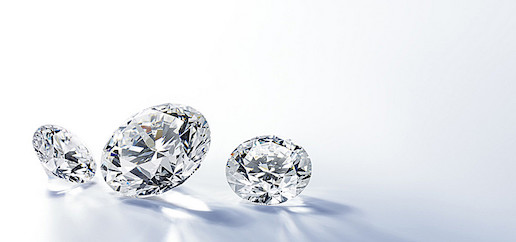
The data supports this. Natural diamond sales at U.S. independent jewelers increased 4% in Q4 2025 and 9% in Q1 2026, with demand concentrated in stones of 1 carat or more. Demand forround diamondsin the 1–3 carat range is improving, and good-quality stones are selling quickly and becoming harder to replace.
Theengagement ringmarket remains a critical driver. Nearly 9 in 10 proposers give a ring during the proposal, and average engagement-ring spending reached $4,600 with an average center stone size of 1.9 carats. Customization is now standard: 88% of U.S. couples selected customized engagement rings in 2025, shifting demand from catalog products toward tailored designs.
For sellers targeting the U.S. market, the opportunity is clear: larger, better-quality natural diamonds with documented provenance and certification. CaratX connects sellers directly to U.S. buyers through a specialized marketplace built for high-value jewelry transactions.Register as a sellerto start reaching B2B and B2C buyers in the United States and 18+ other international markets.
Belgium: Antwerp's Cautious Turnaround
Antwerp, the historic heart of the global diamond trade, is showing signs of recovery. The total volume of diamonds traded in Antwerp increased by nearly 20% in Q1 2026 compared to the same period last year, driven by a 35.7% increase in rough diamond import volume. Total trade value grew 3.7%.
The recovery follows structural measures implemented in 2025, including a more efficient visa policy for foreign traders and recognition of diamond cutters and sorters as shortage occupations. Geopolitical tensions in the Middle East have also reinforced a trend of companies seeking stable bases like Antwerp.
But pricing remains under pressure. The price of rough diamonds fell 27% in Q1 2026, from $99 per carat to $72 per carat, reflecting sharply reduced demand for polished diamonds in recent years and significant inventories remaining with traders. Polished diamond prices, however, increased 11.6% compared to Q1 2025, a positive signal for the downstream market.
Buyers in Belgium are seeking 1–3 carat diamonds, with particular interest in 2-carat stones.Fancy shapes are strong, and dealers are actively seeking solutions to competition from synthetic diamonds.
Israel: Restarting After Disruption
Israel's diamond industry has faced significant challenges. Polished-diamond exports fell 22% year over year to $625.7 million in H1 2026, and total exports reached just $2.4 billion in the first half, a historic low. The industry has struggled with Dubai's tax advantages, lab-grown stones, weaker global demand, and a new 10% U.S. tariff.
Despite these headwinds, trading is restarting after the holidays, supported by demand from the U.S. Companies with U.S. branches are doing better than those focused solely on the local market. The Israel Diamond Exchange rejoined the World Federation of Diamond Bourses after a one-year absence, signaling a re-engagement with the global trading community.
For buyers sourcing from Israel, the focus remains on U.S.-bound goods and larger, high-quality stones. The market is quiet locally, with dealers not importing much inventory meaning available goods are often coming from existing stock rather than fresh production.
India: Production Control Ahead of Diwali
India remains the world's largest diamond cutting and polishing center, and its manufacturers are exercising discipline. Production is being controlled and rough diamond buying is cautious ahead of the Diwali shutdown, with manufacturers prioritizing market stability over volume growth.
Manufacturers have moved toward larger sizes and better qualities, though Mehta cautions that this is driven largely by oversupply and weaker demand for smaller goods rather than a permanent loss of relevance for smaller stones.
India's domestic market is also growing. India's natural diamond jewelry market, officially estimated at INR 785 billion in 2024, is projected to reach INR 1,520 billion by 2030, reflecting a sustained 12% CAGR. Bridal and wedding occasions account for 86% of natural diamond consumption in India, with self-gifting and anniversary purchases broadening repeat demand.
For sellers looking to access Indian buyers both B2B manufacturers and B2C consumers CaratX provides a direct channel to one of the world's fastest-growing diamond markets.Explore CaratX's seller plansto find the right fit for your business.
Hong Kong: Strong Demand for Larger Round Diamonds and Fancy Shapes
Hong Kong's diamond market is showing reliable demand for larger round diamonds and 2–4 carat fancy shapes, particularlypearsand ovals. The JGW September 2026 show recorded a 4.5% rise in unique buyers, welcoming 57,632 industry professionals from around the world.
Buyers were mainly placing orders for 2- to 4-carat fancy shaped diamonds, specifically pears and ovals in EFG colors and VS-to-SI clarity grades. Celebrity influence is driving new trends: "Celebrities wearing pear shapes as earring studs when pears are mostly forengagement ringsand necklaces is driving a new trend and we are seeing its effects on the trade," noted one Hong Kong-based dealer.
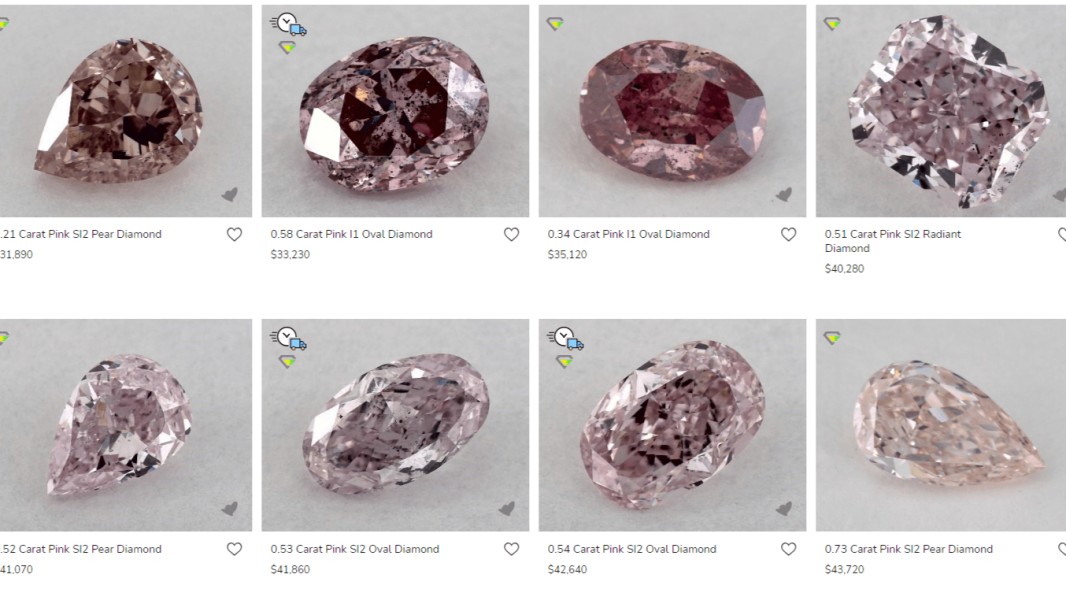
Fancy color diamonds are also attracting buyers.Pink, blue, and yellow diamonds are seeing strong demand, with fancy colors such as yellows, pinks, and blues performing particularly well. Demand is mostly in 0.30 to 0.50 carat and 3 carat+ rounds and long fancies, reflecting the broader market segmentation toward larger, higher-value goods.
A consumer survey found that 75% of Hong Kong consumers plan to buy jewelry, with natural diamonds leading purchase intentions. The market is gradually adjusting to a new pricing reality, and buyers are insisting on GIA reports for larger stones.
Fancy-Shaped Diamonds: What Buyers Want Right Now
The most significant structural shift in the diamond market is the rise of fancy shapes. Long fancy shapes ovals, marquises, and emeralds are doing better than rounds in 2 carat and larger sizes. High-quality marquises, long radiants, and long cushions are in short supply, and well-cut fancy shapes are commanding premiums that reflect their rarity.
Ovals, Marquises, and Emeralds: The Core Demand
Ovals, marquises, and emeralds are selling well, particularly in 2 carats and above. The marquise is currently the most expensive fancy shape, reflecting both its rarity and its distinctive aesthetic appeal. Solid U.S. market demand exists for elongated ovals of good shape and quality in D-I color and VS-SI clarity categories.
The GJEPC reports that elongated silhouettes, ovals, and emerald cuts are gaining ground in the U.S. market, with warmer-toned diamonds champagne and soft yellow hues being integrated into mainstream assortments rather than treated as niche. Baguettes and marquise cuts are generating particular strength, according to New York-based designers.
Long Cushions and Long Radiants: Premium Pricing
Long cushions are trading at a 20%–25% premium over square cushions, and they are easy to sell. Long radiants are also in short supply, with high-quality stones difficult to find. The premium for elongated fancy shapes reflects a fundamental shift in consumer preference: buyers are prioritizing visual size and distinctive silhouettes over traditional round brilliants.
Princess Cuts: Signs of Improvement
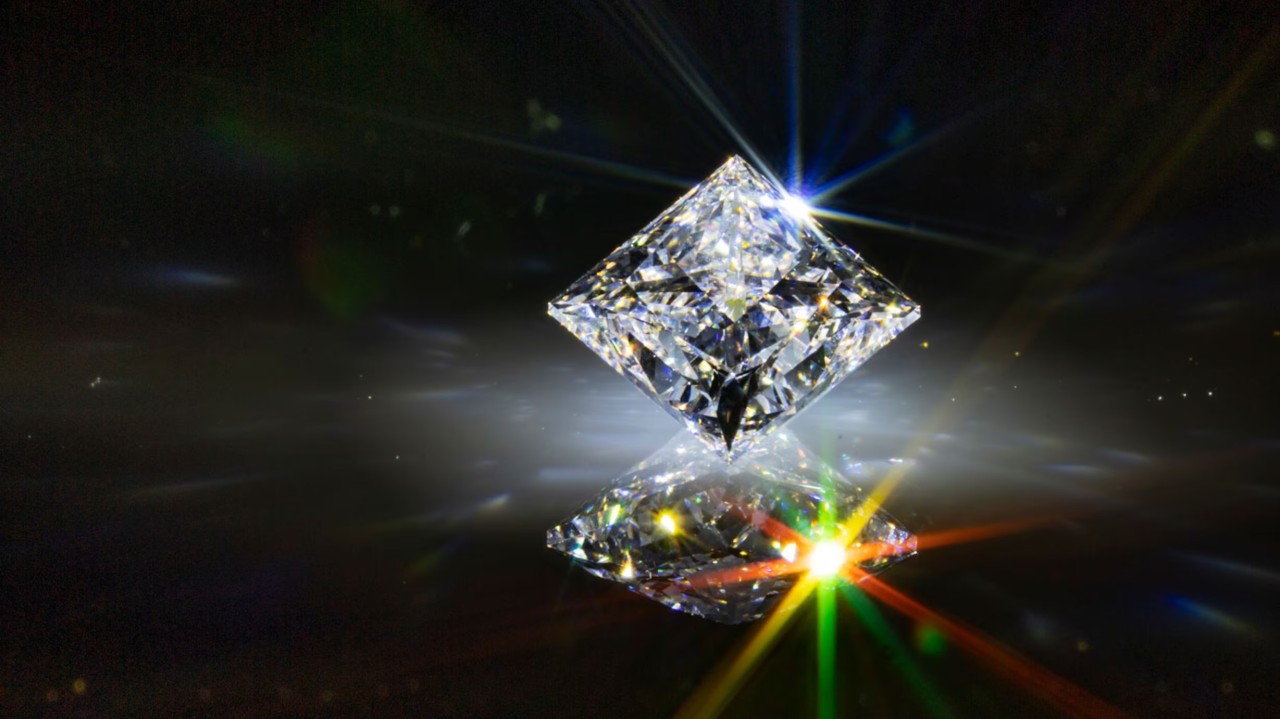
Princess cuts are showing signs of improvement in demand, but prices remain low. After a long period of weakness, reports of demand for princesses are beginning to emerge, though the category has not yet recovered to the levels seen in other fancy shapes.
Antique Cuts:
Antique cuts are gaining attention for their classic, vintage look. The Natural Diamond Council has identified nostalgia, self-expression, and vintage styles as major consumer themes, supporting demand for Art Deco cuts, stacked rings, and heirloom-style settings. Rose-cut diamonds, in particular, have seen a resurgence in popularity, with designers championing them ahead of their recent resurgence.
What Makes a Fancy Shape Sell -
The common thread across all successful fancy shapes is cut quality. Very well-cut fancy shapes are difficult to find and are commanding premiums, while fancies with bad proportions are illiquid. This creates a bifurcated market: exceptional stones sell quickly at premium prices, while poorly proportioned stones sit unsold even at discounts.
For sellers, this means that investing in well-cut fancy shapes and accurately documenting their proportions and quality is essential. GIA provides cut quality grades for standard round brilliant diamonds, but fancy shapes require expert assessment of proportions, symmetry, and polish to command premium pricing. TheGIA's diamond grading standardsremain the global benchmark for evaluating diamond quality, and buyers increasingly expect GIA reports for significant purchases.
For sellers on CaratX, documenting provenance and certification is not optional, it is a competitive advantage. Buyers on the platform are looking for verified, ethically sourced diamonds, and sellers who provide comprehensive documentation command higher prices and faster sales.Shop natural diamondson CaratX to see how certified stones are presented to buyers in 18+ countries.
How to Capitalize on These Trends -
The 2026 diamond market rewards specialization and discipline. Sellers who focus on in-demand categories 1–3 carat rounds, 2 carat+ fancy shapes, fancy color diamonds are outperforming those who attempt to compete across the full spectrum of goods. The following strategies are working in the current market:
Focus on larger, better-quality stones. The shift toward larger diamonds is not a temporary phenomenon. Supply of 3 carat+ goods is falling, and global output is estimated to come off another 10% in 2026, bringing supply to around 90 million carats, the lowest level since the 1980s. This structural scarcity supports pricing for larger, higher-quality diamonds.
Invest in fancy shapes with exceptional cut quality. Well-cut fancy shapes are difficult to find and command premiums. The marquise is the most expensive fancy shape, and long cushions trade at 20%–25% over square cushions. Sellers who can source or produce well-proportioned fancy shapes are positioned for strong margins.
Leverage e-commerce and international marketplaces. The diamond market is increasingly global, and buyers are shopping across borders. CaratX provides a specialized marketplace where sellers can reach B2B and B2C buyers in 18+ countries, with built-in support for international shipping, payments, and currency conversion.Register as a sellerto start selling internationally through CaratX.
Monitor the recovery in smaller stones. While larger diamonds are leading the recovery, smaller goods are showing signs of stabilization. The Rapaport Trade Diamond Index for 0.30-carat stones rose 2.1% in one month, and prices for 0.50-carat goods increased 2.5%. As inventories normalize and production cuts take effect, smaller stones may offer opportunities for sellers with the right inventory.
Frequently Asked Questions -
What is driving the diamond market recovery in 2026?
The recovery is driven primarily by supply discipline. Major producers including De Beers and ALROSA have significantly cut production, bringing supply closer to demand after three years of oversupply. At the same time, demand for larger, higher-quality natural diamonds has remained resilient, particularly in the United States and India.
Which diamond shapes are in highest demand right now?
Ovals, marquises, and emeralds in 2 carats and above are performing best. Long cushions are trading at a 20%–25% premium over square cushions. Marquise is currently the most expensive fancy shape. Princess cuts are showing signs of improvement, and antique cuts are gaining attention.
Where is diamond demand growing the fastest?
The United States remains the strongest market for larger natural diamonds, with demand concentrated in 1 carat+ stones. India is growing rapidly, with the natural diamond jewelry market projected to reach INR 1,520 billion by 2030. Hong Kong shows strong demand for 2–4 carat fancy shapes, particularly pears and ovals.
How can I sell diamonds internationally?
CaratX provides a specialized marketplace for diamonds, gemstones, and jewelry, connecting sellers with B2B and B2C buyers in 18+ countries. The platform handles international shipping, payments, and currency conversion, making it easier for sellers to reach global buyers.Register as a sellerto get started.
What certification should I look for when buying diamonds?
GIA reports are the global standard for diamond grading, covering color, clarity, cut, and carat weight. For rough diamonds, Kimberley Process certification ensures the stones are conflict-free. Buyers of significant stones should insist on GIA reports and verify Kimberley Process compliance.
Recommended Reads from CaratX
Diamond Market Update 2026: Global Trends, Fancy Shape Demand & What Buyers Need to Know— Region-by-region analysis of where demand is growing and which shapes are outperforming.
The Fancy Shape Diamond Market Report 2026: Why Shape + Proportion is the New 4Cs— The definitive guide to length-to-width ratios, liquidity, and navigating the fancy shape market.
Guide to Jewelry Export Customs Clearance: Strategies, Pitfalls & How to Dominate Global Trade— Everything sellers need to know about HS codes, documentation, and international shipping.
The Diamond Disruption: Deep Dive into Global Market Fragmentation AND Fancy Shape Dominance— How sellers can reach global buyers directly and bypass traditional channels.