
Fewgemstonescapture the imagination quite like a canary yellow diamond. Its unmistakable sunlit glow, its rarity, and the quiet confidence it brings to any piece of jewellery have made it one of the most sought‑afterfancy‑colour diamondsin the world. Whether you are a first‑time buyer, a collector, or a trade professional sourcing for international clients, understanding what makes a canary yellow diamond special and how to evaluate, buy, and care for one, is essential.
This guide takes a deep dive into the science, grading, history, market dynamics, and practical buying advice behind canary yellow diamonds.
What Exactly Is a “Canary” Yellow Diamond?
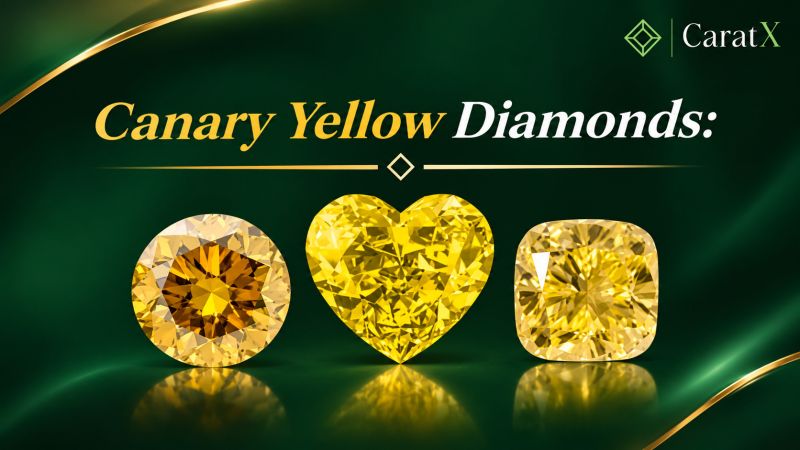
A canary yellow diamond is a natural diamond whose body colour falls outside the normal D‑to‑Z colourless range and into the realm of fancy colour diamonds. Specifically, the term “canary” is an informal trade nickname for diamonds with a strong, pure, vibrant yellow hue the kind of yellow that evokes the feathers of a canary bird. The name itself emerged in the late 19th and early 20th centuries as yellow diamonds from South African mines entered the global market.
Crucially, not every yellow diamond is a “canary.” A stone with a faint yellowish tint is still a near‑colourless diamond. To qualify as fancy yellow and especially as canary yellow in the trade sense, the diamond must show more colour than the “Z” masterstone on the GIA D‑to‑Z scale and must possess a yellow hue that is saturated, bright, and largely free of brown or grey modifiers.
Browse fancy yellow diamonds on CaratX: Yellow Diamond Collection
Why Canary Diamonds Are Yellow -
The colour of a natural yellow diamond is not a matter of chance. It is the result of nitrogen atoms trapped inside the diamond’s crystal lattice during its formation deep in the Earth’s mantle. Nitrogen, which substitutes for carbon atoms in the diamond structure, absorbs light in the blue and violet regions of the visible spectrum. When blue light is absorbed, the remaining transmitted light appears yellow to the human eye.
The intensity of the yellow colour depends on both the concentration and the arrangement of nitrogen atoms. In Type Ib diamonds, nitrogen exists predominantly as isolated single atoms, producing the most saturated “canary” yellows. Type Ib diamonds are rare because, over geological time, isolated nitrogen tends to aggregate into more complex defects (Type IaA and IaB). The survival of isolated nitrogen in canary yellow diamonds such as those recovered from the Zimmi mining area in Sierra Leone makes them a subject of ongoing scientific interest.
For a deeper look at the role of nitrogen in coloured diamonds, see the GIA’s Gems & Gemology article onbright yellow diamonds from Sierra Leone.
The GIA Grading Scale for Yellow Diamonds -
Because fancy‑colour diamonds sit outside the D‑to‑Z scale, theGemological Institute of America (GIA)uses a separate grading system based on three components: hue, tone, and saturation. For yellow diamonds, the GIA assigns one of six fancy colour grades:
Fancy Light – The lightest grade used for yellow diamonds; a noticeable but soft yellow.
Fancy – A clear, unmistakable yellow.
Fancy Intense – A rich, strong yellow that is visually striking.
Fancy Vivid – The highest and most valuable grade; a deeply saturated, “canary” yellow.
Fancy Deep – A darker, more saturated yellow.
Fancy Dark – The darkest grade, which may appear less bright face‑up.
A crucial point for buyers: in fancy‑colour diamonds, value generally increases with the strength and purity of the colour. This is the opposite of colourless diamonds, where more colour means lower value.
The GIA’sofficial yellow diamond buying guideprovides detailed visual references for each grade. For a broader overview of the fancy‑colour grading system, the International Gem Society (IGS) offers an excellent educational resource:Understanding Yellow Diamonds.
Shop GIA‑certified coloured diamonds on CaratX: Colored Diamonds Collection
Famous Canary Yellow Diamonds: A Legacy of Golden Stones
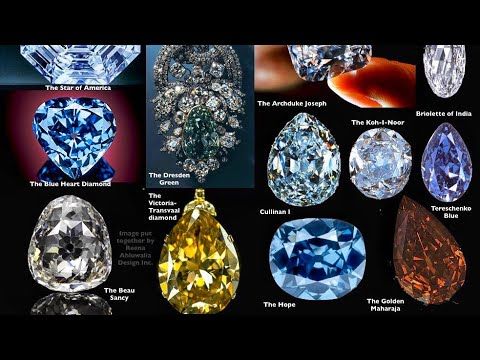
The allure of yellow diamonds is steeped in history. Some of the world’s most legendary diamonds are canary yellows, and their stories continue to drive demand.
The Tiffany Yellow Diamond -
One of the most recognisable yellow diamonds in the world, the Tiffany Yellow Diamond was discovered in the Kimberley mines of South Africa in 1877–1878 as a massive 287.42‑carat rough stone. It was purchased by Charles Lewis Tiffany and later cut into a 128.54‑carat cushion brilliantwith an unprecedented 82 facets. The stone has been worn by Audrey Hepburn, Lady Gaga, and Beyoncé, cementing its status as a cultural icon.
The Golden Canary -
Weighing in at 303.10 carats, the Golden Canary is apear‑shapedFancy Deep Brownish Yellow diamond discovered in the 1980s in what is now the Democratic Republic of Congo. It is one of the largest cut yellow diamonds in existence and has toured major auction houses and museums.
The Eureka Diamond -
The first yellow diamond discovered in South Africa, the Eureka Diamond, was found in 1866 by a teenager. It travelled through Europe before being purchased by De Beers in 1967 and donated to the people of South Africa; it is now displayed at the Kimberly Mine Museum.
These historic stones demonstrate that canary yellow diamonds are not merely beautiful, they are cultural and financial assets with enduring stories. Sotheby’s has documented the auction performance of iconic yellow diamonds, noting that Fancy Vivid examples regularly achieve seven‑figure prices.
Shapes and Cuts: Why Fancy Shapes Matter for Yellow Diamonds
One of the most practical insights for buyers is that yellow diamonds often display their colour more intensely when cut into shapes other than the round brilliant. Round brilliants are designed to maximise light return and brilliance, which can sometimes dilute the perceived saturation of the body colour. In contrast, fancy shapes such asoval, cushion, pear,heart, radiant, princess, andemerald cutstend to concentrate colour and produce a richer face‑up appearance.
The most popular shapes for canary yellow diamonds include:
Cushion cut – A classic choice that enhances colour saturation and offers a soft, romantic silhouette.
Radiant cut – A brilliant‑style cut with trimmed corners, excellent for maximising yellow intensity.
Oval cut – Elegant and elongating, often showing strong colour.
Pear and heart shapes – Dramatic and distinctive, frequently used in statement jewellery.
Emerald cut – A step cut that emphasises clarity and depth of colour in a more architectural style.
When selecting a shape, consider both personal preference and the face‑up colour performance. A well‑cut fancy shape can make a Fancy Intense diamond appear nearly as vibrant as a Fancy Vivid stone of the same carat weight.
Explore fancy‑shape yellow diamonds on CaratX: Shop Yellow Diamonds
Buying a Canary Yellow Diamond: A Practical Checklist
Purchasing a canary yellow diamond is different from buying a colourless diamond. Here are the factors that matter most:
1. Colour Grade and Saturation -
Colour is the single most important value factor. Aim for Fancy Intense or Fancy Vivid if your budget allows, as these grades offer the most unmistakable “canary” look. However, a well‑chosen Fancy or Fancy Light stone with a pure yellow hue and no brown modifier can also be beautiful and more accessible.
2. Hue Purity -
Secondary hues matter. Orange‑modifier yellows (e.g., “orangy yellow”) are generally more desirable than green‑modifier yellows, which can make a stone look murky. Brownish modifiers tend to reduce value significantly.
3. Certification -
Always insist on a grading report from a recognised laboratory such as GIA, IGI, or AGS. A GIA report for a fancy‑colour diamond will specify the colour grade, hue modifier, and whether the colour is natural or treated.
4. Fluorescence -
Strong fluorescence can sometimes make a yellow diamond appear milky or hazy, particularly in stones with high colour saturation. Evaluate fluorescence in person or through high‑resolution video.
5. Setting and Metal Choice -
The metal you choose can dramatically affect the perceived colour of a yellow diamond. Yellow gold settings can enhance the warmth of the stone, while white gold or platinum can create a striking contrast that makes the yellow pop. Be aware that a mounting can also make a yellow diamond appear darker than it does loose.
6. Budget and Market Context -
Yellow diamonds are the most common fancy‑colour diamond, accounting for roughly 60% of the coloured diamond market, yet they remain rare compared with colourless diamonds. Fancy yellow diamonds have seen nearly a 50% increase in value since 2005, and “canary” vivids command higher premiums. They are often viewed as a stable investment due to their liquidity and broad appeal.
Start your search with CaratX: Loose Natural Diamonds|Natural Diamond Colours Guide
Jewellery Styles and Design Ideas -
Canary yellow diamonds are extraordinarily versatile. Their bold colour makes them ideal for statement pieces and everyday luxury alike.
Engagement rings – A yellow diamond solitaire in a yellow gold or two‑tone setting is a distinctive alternative to a colourless diamond. Halo settings in white metal can amplify the perceived size and brightness of the centre stone.
Necklaces and pendants – A pear‑shaped or oval canary diamond pendant is a classic way to wear the colour close to the face.
Earrings – Cushion or radiant‑cut yellow diamond studs or drops add a warm glow that flatters most skin tones.
Statement rings – Large emerald‑cut or radiant canary diamonds set in bold, architectural designs make unforgettable cocktail rings.
Men’s jewellery – Yellow diamonds are increasingly used in men’s signet rings, cufflinks, and lapel pins, often paired with black or white diamonds for contrast.
For design inspiration and to compare different yellow gemstones (including yellow sapphire, citrine, and heliodor), CaratX’s guide toyellow gemstonesis a useful starting point.
Care and Maintenance for Canary Yellow Diamond Jewellery -
Diamonds are the hardest natural substance, but they still require thoughtful care to maintain their brilliance and colour.
Clean regularly with a soft‑bristled toothbrush and mild soap in warm water. Rinse thoroughly and pat dry with a lint‑free cloth. Avoid abrasive cleaners and harsh chemicals such as bleach or chlorine, which can damage metal settings over time.
Avoid ultrasonic cleaners for fancy‑colour diamonds unless a professional jeweller has confirmed it is safe; some stones with fractures or treatments can be harmed by vibration.
Inspect prongs every six months to ensure the stone is secure. A jeweller’s loupe (10x magnification) can help you check for loosening.
Store separately from other jewellery to prevent scratches. A soft pouch or a compartmentalised jewellery box is ideal.
Remove jewellery during strenuous activity or when applying lotions, perfumes, and hairspray, which can leave residue on the stone.
The Market and Investment Potential of Yellow Diamonds -
Yellow diamonds occupy a unique position in the fancy‑colour diamond market. They are the most abundant fancy colour, representing roughly 60% of coloured diamonds yet they are still exceedingly rare compared with colourless diamonds. Only a small fraction of yellow diamonds submitted to GIA achieve the coveted Fancy Vivid grade; estimates suggest that only 4–6% of yellow diamonds receive this top colour grade, regardless of size.
From an investment perspective, fancy yellow diamonds have shown strong long‑term value appreciation. Market data indicates a nearly 50% increase in value since 2005, and their relative liquidity compared with rarer colours like pink, blue, and red makes them an accessible entry point for collectors new to fancy‑colour diamonds. Auction records for iconic canary yellows, such as the Tiffany Yellow and the Golden Canary, continue to draw global attention and reinforce the category’s desirability.
For a broader analysis of rarity, value, and investment potential across all fancy colours, see CaratX’s detailed guide:The Guide to Colored Diamonds: Rarity, Value, and Investment Potential of Every Hue.
Recommended Reads from CaratX -
Expand your knowledge with these in‑depth resources from the CaratX blog:
The Types of Natural Diamond Colors: A Complete Guide– Explore every major natural diamond colour, from white to fancy yellows, pinks, blues, and beyond.
The Guide to Colored Diamonds: Rarity, Value, and Investment Potential of Every Hue– A deep dive into the market dynamics and investment case for each fancy colour.
The Art of Buying Loose Diamonds: Your Buyer’s Guide– Practical advice on selecting loose stones for custom jewellery.
Shop the CaratX marketplace: Yellow Diamonds|Natural Diamonds|All Diamonds|Gemstones
For sellers: Join a global marketplace and start selling to B2B and B2C buyers in 18+ countries.Create your seller accountand reviewCaratX seller pricing and plans.
Follow CaratXfor more insightful and educational content on diamonds, gemstones, and jewellery. Start selling to buyers in 18+ international countries today register here.
Frequently Asked Questions (FAQs) -
1. What is the difference between a yellow diamond and a canary yellow diamond?
A yellow diamond is any diamond with a yellow hue, including faint tints that still fall within the near‑colourless range. A canary yellow diamond is an informal trade term for a fancy yellow diamond with a strong, saturated, vibrant yellow colour—typically in the Fancy Intense to Fancy Vivid range.
2. Are canary yellow diamonds rare?
Yes, though they are the most common fancy‑colour diamond. Colourless diamonds far outnumber fancy yellows, and only a small percentage of yellow diamonds achieve the top Fancy Vivid grade. Large, high‑clarity canary yellows are particularly rare.
3. What causes the yellow colour in a canary diamond?
The colour is caused by nitrogen atoms substituting for carbon atoms in the diamond’s crystal lattice. These nitrogen defects absorb blue light, allowing yellow wavelengths to dominate the stone’s appearance.
4. Are canary yellow diamonds treated?
Some yellow diamonds on the market are treated to enhance or create colour (through irradiation or HPHT processes). Natural, untreated canary yellows are more valuable and should be certified as such by a reputable laboratory like GIA.
5. What is the best setting for a canary yellow diamond?
Both yellow gold and white gold/platinum can work beautifully. Yellow gold enhances the warmth of the stone; white metal creates a high‑contrast look that makes the yellow appear more vivid. The best choice depends on personal style and the specific hue of the diamond.
6. How do I sell canary yellow diamonds internationally?
CaratX connects sellers with buyers in 18+ international countries. Sellers can register for a free account and access B2B and B2C buyer networks:Register as a Seller on CaratX.