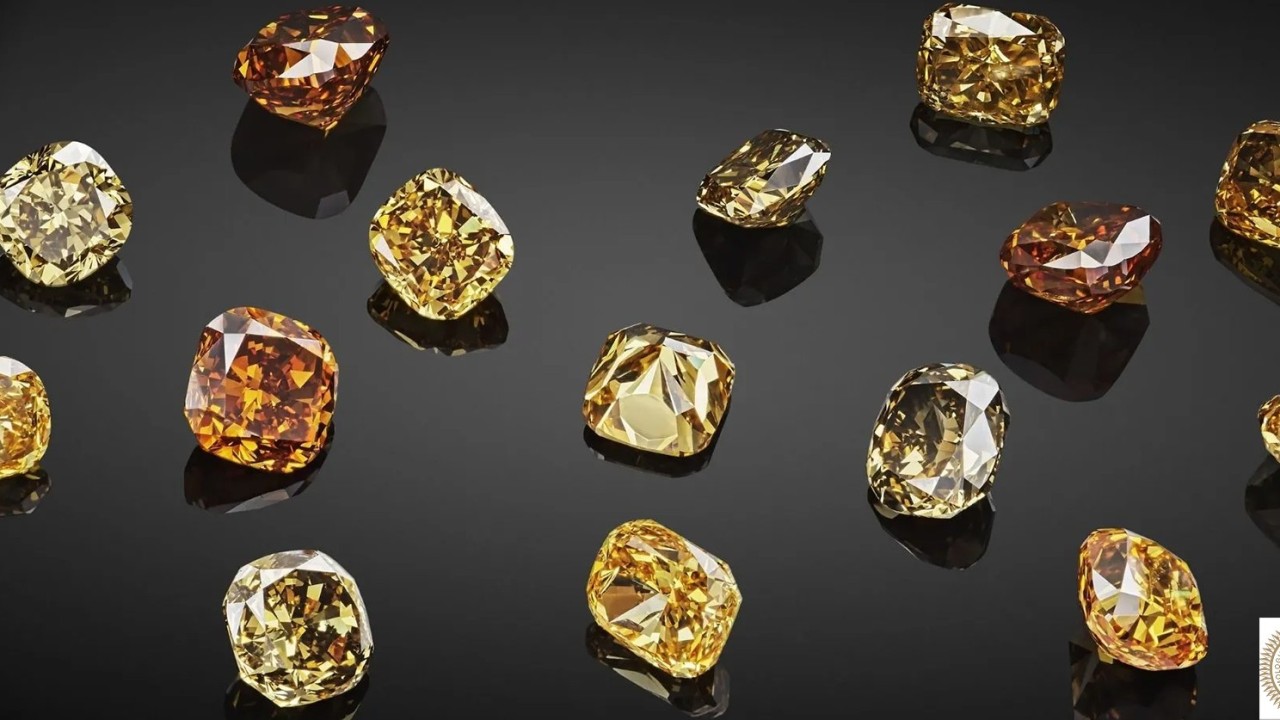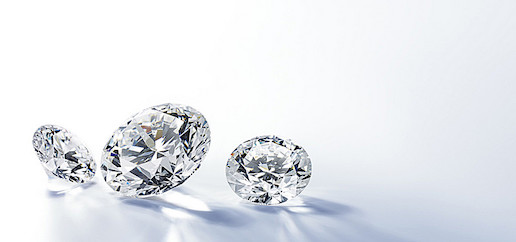

The global diamond trade is not a single, synchronized market. It is a collection of regional ecosystems, each shaped by local holidays, consumer preferences, tariff regimes, and supply-chain bottlenecks. In late 2025 and into 2026, five markets the United States, Belgium, Israel, India, and Hong Kong tell a story of resilience in qualitynatural diamonds, growing interest in larger fancy shapes, and a widening gap between natural andlab-grownsegments.
United States: Steady Demand for Natural Diamonds and “Statement” Sizes
The U.S. remains the most important consumer market fornatural diamondjewelry, and its performance in 2025 was defined by a clear pattern: fewer transactions, higher average values, and a flight to quality. Independent jewelers’ sales rose 5.6% for the year, but growth was driven by an 11.4% increase in average price spent per item, which offset a 5.2% decline in the number of pieces purchased.
In other words, American consumers were buying less often but spending more when they did a dynamic that favors well-cut,certified natural diamondsin the 1.25-carat-and-above range.
The Natural Diamond Council’s 2025 overview, based on Tenoris point-of-sale data from more than 2,500 U.S. specialty retailers, found that the average naturaldiamond engagement ringprice rose 9% to $7,346, while the average carat weight increased 5% to 1.16 carats.
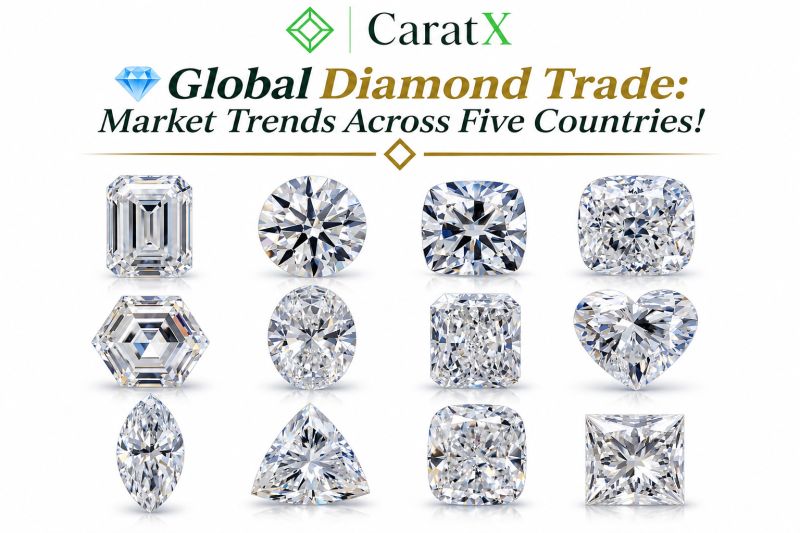
Round brilliantsremained the top-selling shape at 62% of sales, but long fancy shapesmarquise, oval, radiant, and cushion continued gaining traction. 7-carat and larger stones were “hot” in the high-end segment, while long fancies such as oval, marquise, andemeraldcuts were outperforming rounds in 2-carat-and-larger sizes.
For sellers, the U.S. lesson is unambiguous: quality and size matter more than volume. Retailers preparing for the Christmas season prioritized natural diamonds with strong certificates and desirable shapes.Lab-grown diamondscontinued to take share in the fashion segment particularlytennis braceletsandnecklacesbut natural diamonds held their ground in bridal and high-value gifting.
Independent jewelers also increased their gross profit on natural diamonds above that oflab-grownsin 2025, even as lab-grown margins remained higher in percentage terms. This suggests that natural diamonds are not losing their commercial logic at the independent retail level; they are simply being sold to a more quality-conscious, higher-spending customer.
Sellers targeting U.S. buyers can list certified natural diamonds and finished jewelry directly to international B2B and B2C buyers on CaratX. Registration is free for sellers atwww.caratx.com/register.
Belgium:
Antwerp remains the heart of Europe’s diamond trade, and its late-2025 activity reflected a market that is selective rather than broad-based. Trading was steady as dealers prepared for the holiday season, with Indian traders returning after the Diwali break. The most active demand in Antwerp centered on 2-carat and larger fancy shapes particularly ovals and marquises in H–I color and VS–SI2 clarity. This is a distinctly European profile: buyers are not chasing commercial smalls; they are looking for wearable luxury stones with visible size and acceptable color-clarity trade-offs.
Belgium also benefited from a structural advantage in 2025: the European Union’s exemption from U.S. tariffs on polished diamonds helped Antwerp-based sellers maintain access to the American market at a time when Indian polished exports faced a 50% tariff wall. Antwerp’s rough-diamond auctions remained busy, with major tender weeks timed around the Diwali and global holiday season. The Antwerp World Diamond Centre (AWDC) has continued to position the district as the world’s leading trading hub for rough diamonds, even as polished demand has become more fragmented.
For buyers, Belgium offers depth in fancy shapes and a regulatory environment that is closely tied to EU responsible-sourcing standards. For sellers, Antwerp is less a volume market than a precision market, a place to move well-graded, larger fancies to sophisticated European and international buyers.
Israel: Seeking Opportunity Amid Structural Pressure
Israel’s diamond sector entered the late-2025 period with a dual narrative. On the trading floor, sellers sought to make the most of opportunities created by India’s temporary factory shutdown, stepping in to fill gaps for buyers who could not access Indian manufacturing during Diwali. Last-minute calls came in for larger, sought-after diamonds, and the market remained split between robust demand for 3-carat-and-up goods and slow movement in stones under 1 carat.
But the broader structural picture is challenging. Israel’s diamond exports fell to $3.6 billion in 2025, down from $4.9 billion in 2024, $6.4 billion in 2023, and $9.2 billion in 2022, according to Israeli financial newspaperCalcalist. Net polished-diamond exports fell 22.3% year on year in the first half of 2026 to $626 million.
The Israel Diamond Exchange has lost members, and the country’s cutting workforce has shrunk dramatically from its historical peaks. A new voluntary tax arrangement for 2027–2028 aims to restore competitiveness against Antwerp and Dubai by calculating taxable income at 1.3% of turnover, but it is a bet on recovery rather than a cure for the near-term decline.
For the global market, Israel’s role is increasingly specialized: it remains a significant hub for larger, higher-value polished stones and for trade in rough, but it is no longer a volume competitor to India. Sellers who can supply 3-carat-plus certified naturals still find receptive buyers in Ramat Gan, particularly when Indian supply is temporarily offline.
India: The Diwali Pause and Its Ripple Effects
India is the engine room of the global diamond pipeline. More than 2 million people work in Indian diamond cutting and polishing units, and the country supplies 14 out of every 15 cut diamonds globally. When India pauses, the world feels it.
The Diwali and New Year holidays in late 2025 brought the customary 15–30 day shutdown across major manufacturing centers, particularly in Surat, the “Diamond City” of India. Trading and manufacturing were quiet, with many factories closed for the extended break. This is not a new phenomenon Diwali shutdowns are a structural feature of the Indian diamond calendar but in 2025 the pause intersected with a tariff shock. The United States imposed a 50% tariff on Indian goods, taking the effective tariff on diamonds to 52.1%, which led to order cancellations and shipment refusals. India’s cut and polished diamond exports had already been under pressure: rough imports fell 24.27% in 2024–25, and exports of cut and polished diamonds declined 16.75%.
The shutdown created short-term opportunities for sellers in Israel and Belgium, but it also exposed the fragility of a supply chain concentrated in a single manufacturing geography. For buyers, the practical implication is straightforward: plan around the Indian festive calendar.
Orders placed immediately before or during Diwali face longer lead times, and price volatility can increase as suppliers manage reduced throughput. For sellers outside India, the Diwali window is an opportunity to offer alternative supply, particularly for larger fancies andcertified naturalsthat Indian factories would normally process.
CaratX enables sellers from multiple countries to reach international buyers without depending on a single manufacturing hub. Sellers can register and list inventory atwww.caratx.com/register.
Hong Kong: Chinese Buyers and the Pull of Large, Rare Stones
Hong Kong’s diamond market is best understood as a luxury gateway. Chinese buyers both from mainland China and from Hong Kong’s local high-net-worth population continue to support demand forlarge, high-quality natural diamonds, especially3-carat and larger rounds. Pear and oval shapes, along with fancy pink, blue, and yellow diamonds, are attracting luxury buyers who are looking for rarity and differentiation rather than generic commercial goods.
A 2025 trade survey conducted by NielsenIQ in collaboration with the Diamond Federation of Hong Kong and De Beers Group found that nearly half of respondents expected the natural diamond market to perform positively over the next 12 months, with 33% expecting stability. Valentine’s Day, engagement/wedding, and Christmas were the top gifting occasions, and price, the 4Cs, and certification were the primary consumer considerations.
Importantly, the survey showed a growing emphasis on technology adoption and sustainability: nearly all respondents had used diamond detection instruments, and 75% had implemented sustainability initiatives such as recycling and sustainable sourcing.
However, Hong Kong is not a uniform market. In December 2025 that long fancies of 1.70 carats and up were selling well locally, 2-carat rounds were in demand for bridal and gifting, and stones under 1 carat remained weak.
Chinese orders for classic commercial items round, 0.30–0.50 carat, D–H, VS–SI were slow, and some dealers were shifting toward gold and synthetic diamonds to protect margins. The lesson for sellers is that Hong Kong rewards differentiation: larger sizes, fancy colors, distinctive cuts, and strong certification command attention, while commodity-grade smalls face intense competition.
The Forces Reshaping the Diamond Trade -
Three cross-cutting forces connect these five markets and will shape the next phase of the global diamond trade.
1. Natural vs. Lab-Grown:
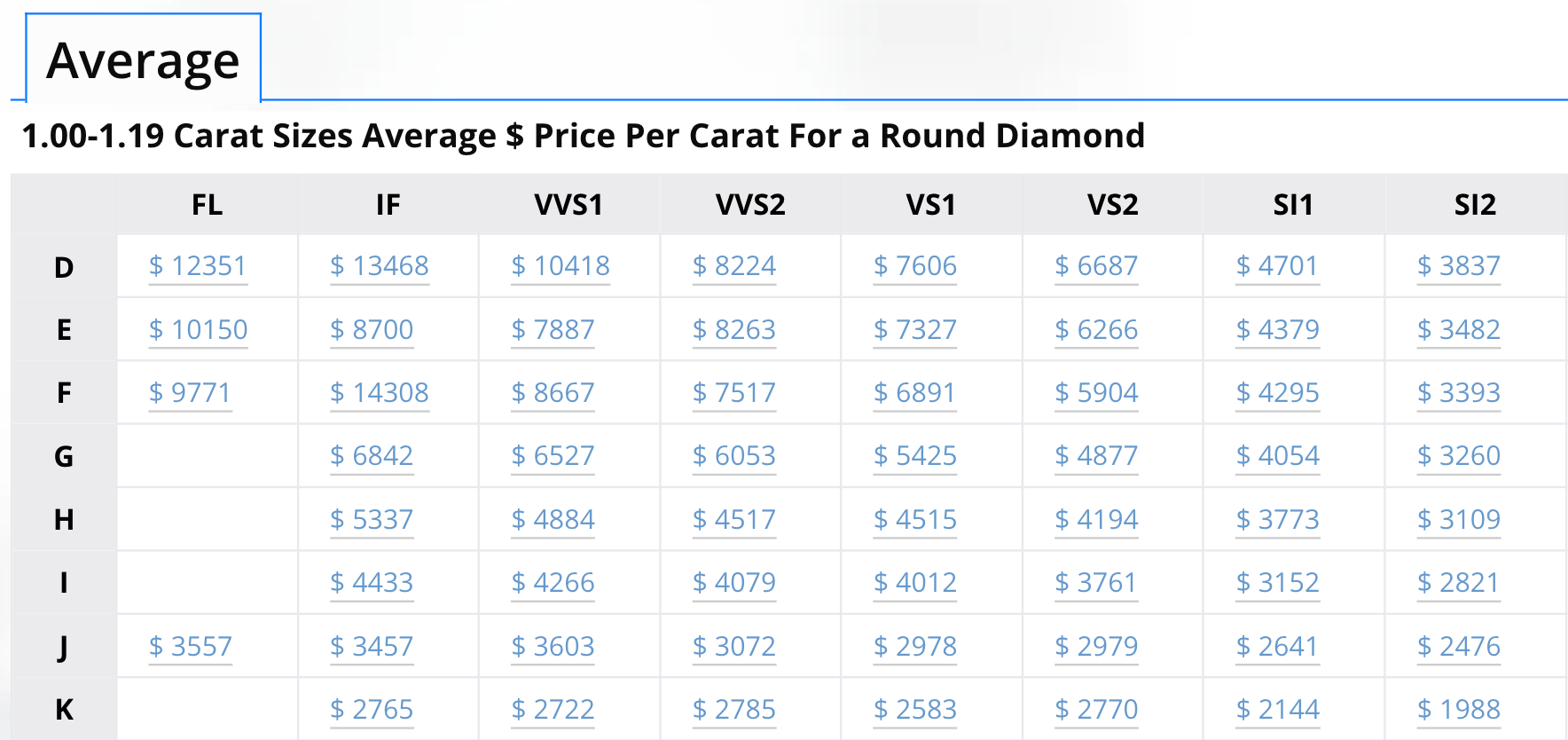
The natural diamond market has not collapsed; it has bifurcated.Lab-grown diamondshave captured a large share of the fashion and lower-price segments, and lab-grown prices have fallen dramatically the average retail price of a one-carat round lab-grown diamond fell 79% to $768 between January 2020 and May 2026, while a comparablenatural diamonddipped 24% to $4,553. But natural diamonds have retained their position in bridal, high-value gifting, and luxury collectibles.
A 2025 study in theJournal of Gems & Gemmology(a .edu-hosted publication) concluded that the natural diamond sector maintains value and market stability through controlled extraction volumes and enhanced certification systems, while the lab-grown segment improves competitiveness through technological innovation and cost optimization. For buyers, the implication is that certification and provenance are no longer optional, they are the mechanisms through which natural diamonds differentiate themselves from synthetics.
How CaratX Connects Global Buyers and Sellers -
The trends above point to a single strategic conclusion: diamond trade is becoming more global, more certified, and more fragmented by segment.CaratXis built for this environment. Sellers can register to reach 18+ international countries, list natural diamonds, gemstones, and finished jewelry, and access both B2B and B2C buyers through a single marketplace.
Start selling internationally: Register as a seller atwww.caratx.com/registerand list your inventory for buyers across more than 18 countries.
Shop natural diamonds: Browse certified natural diamonds and fancy shapes directly on the CaratX marketplace atwww.caratx.com.
Shop gemstones: Explore colored gemstones, including rare and collector-grade varieties, through the CaratX gemstone marketplace athttps://caratx.com/gemstones
Shop finished jewelry: View fine jewelry pieces including diamond rings, earrings, and pendants in the CaratX jewelry collection athttps://caratx.com/jewelry
Seller pricing and plans: Details on pricing and seller plans are available athttps://caratx.com/sell-on-caratx
For buyers, CaratX offers a way to source across markets without navigating each country’s trade infrastructure individually. For sellers, it offers distribution beyond a single domestic market, a critical advantage when events like India’s Diwali shutdown or tariff changes disrupt traditional channels.
FAQs -
1. Are natural diamonds still a good investment in 2026? Natural diamonds are not a liquid financial asset, and their resale value depends heavily on quality, certification, and market conditions. However, high-quality, certified natural diamonds in the 2-carat-plus range have shown more price stability than commercial goods, and their scarcity narrative is supported by declining global production. Buyers should treat them as luxury purchases with long-term value retention potential, not as short-term investments.
2. What is the difference between the Kimberley Process and the System of Warranties? The Kimberley Process certifies rough diamonds at the point of export and import to prevent conflict diamonds from entering the legitimate trade. The System of Warranties, developed by the World Diamond Council, extends those assurances through the polished-diamond value chain and integrates human rights, labor rights, and anti-corruption principles. KP certification is a government-backed scheme; the SoW is an industry self-regulation mechanism that complements it.
3. Why did India’s diamond factories close for 15–30 days? The closure aligns with Diwali and the Indian New Year holidays, a customary period when diamond cutting and polishing units in Surat and other centers shut down. In 2025, the shutdown coincided with U.S. tariff pressures, which amplified its impact on global supply and created short-term opportunities for sellers in Israel and Belgium.
4. What shapes are in highest demand globally? Demand varies by market. In the U.S., rounds remain dominant (62% of engagement-ring sales), but ovals, marquises, long radiants, and cushions are gaining share. In Belgium, 2-carat-plus ovals and marquises in H–I color and VS–SI2 clarity are most active. In Hong Kong, 3-carat-plus rounds, pears, ovals, and fancy-color diamonds attract luxury buyers.
5. How can I verify a diamond’s certification before buying internationally? Look for a GIA Diamond Grading Report or an AGS Laboratories report. GIA reports include the 4Cs, proportions, polish, symmetry, fluorescence, and a clarity map; GIA also offers an online Report Check service where you can verify a report number. For rough diamonds, confirm Kimberley Process certification.
6. Is it safe to buy diamonds from international sellers on a marketplace? Safety depends on the marketplace’s verification and certification standards. On CaratX, buyers can source from registered sellers across 18+ countries, but as with any cross-border purchase, buyers should review certification, return policies, and seller ratings. Sellers are encouraged to list GIA- or AGS-certified stones to build trust with international buyers.