
The holiday shopping season is no longer a single, uniform buying wave. It is a bifurcated market shaped by price sensitivity at one end and resilient luxury demand at the other. For jewellery retailers, the opportunity lies in understanding where volume is migrating, which price points are holding, and how consumer psychology is shifting between lab-grown, natural, gold, and coloured gemstone categories.
This analysis draws on the latest retail data, trade reports, and consumer research to map what shoppers are actually buying and where smart sellers should position inventory, marketing, and pricing before the peak gifting weeks.
1. Lab-Grown Diamond Jewellery –
Lab-grown diamondsare no longer an “alternative” conversation. They are the volume driver in diamond jewellery, and the holiday season is accelerating that shift.
The Data Behind the Momentum -
Sales volume inlab-grown diamond jewelleryhas increased by 22% over the past year, with the strongest demand concentrated in the $1,500–$5,000 price range. Average spending sits at around $2,000 per item, and the top-selling products areengagement rings, diamond stud earrings, and tennis bracelets.
Those retail-level signals are confirmed by structural data. According to the BriteCo Jewelry, Diamond, & Watch Price Index,lab-grown diamondsappeared in 51% of newly appraised engagement ringsfrom January through June 2026, up from just 6% in 2019.
The median lab-grown engagement ring sold for $4,557 in 2025, compared with $12,961 for a natural diamond ring a price gap that has made larger stones accessible to a broader consumer base. The Knot’s 2026 Real Weddings study putslab-grown centre stonesat 61% of engagement rings bought by couples who married in 2025, reinforcing that the aisle has already voted.
The Association for Intelligent Diamond International (AIDI) describes the 51% engagement-ring figure as a market-structure inflection point, not a rounding error, a majority that demands strategic response rather than being treated as a temporary trend.
Why This Matters for Holiday Gifting -
Holiday shoppers are not only buying bridal. Lab-grown diamonds have crossed into fashion and self-purchase categories: stud earrings,tennis bracelets,pendants, and layered necklaces. Consumers are increasingly viewingdiamond jewelleryas something to wear and enjoy rather than lock away, which drives demand across both wedding and self-use segments. The $1,500–$5,000 band captures the sweet spot where lab-grown offers visible size and design without the psychological barrier of a five-figure natural diamond purchase.
For retailers, the implication is clear: do not treat lab-grown as a single SKU category. Build depth in the three products consumers are already buying engagement rings, studs, and tennis bracelets and use the price band to trade customers up into larger centre stones or more elaborate settings.
Explore lab-grown diamond engagement rings and bridal styles:CaratX lab-grown diamond jewellery
Shop lab-grown diamond stud earrings:CaratX diamond earrings
Natural Diamond Jewellery –
Natural diamond jewellery is not collapsing, but it is settling into a different role: a value-retention and luxury-signalling purchase rather than a volume driver.
The Holiday Outlook -
Finishednatural diamond jewelleryis expected to see low single-digit growth this holiday season. Sales of items priced at $2,500 and above could increase by 3%–5% year over year. Custom-made jewellery and in-store engagement rings may continue to face challenges, as consumers defer complex commissions and gravitate toward ready-to-wear or already-set pieces.
The broader retail environment supports a cautiously positive view. The GJEPC’s holiday analysis notes that higher prices are lifting jewellery sales, particularly at the top end of the market, and that commercially focused chains are reporting growth driven by higher price points.
Signet Jewelers reported comparable-store sales of items priced above $2,000 rising by a high single-digit percentage, outperforming its overall 2% comparable-sales growth. Brilliant Earth saw second-quarter sales rise 6% year on year, driven by an 8% increase in average order value, even as total orders fell 2% a clear signal that the market is rewarding higher-ticket, higher-intent purchases.
Tanishq has also reported a renewed uptick in natural diamond demand since January 2026 after a period of softness lasting around two years, with heightened interest across price points from affordable collections to high-value pieces.
Where Natural Still Wins -
Natural diamonds retain their strongest position in bridal and high-value gifting, particularly in the 1.25-carat-and-above range where certified natural stones carry a rarity narrative that lab-grown cannot replicate. The Natural Diamond Council’s consumer programmes and the industry’s renewed marketing push around rarity, provenance, and emotional permanence are aimed squarely at this segment. Holiday sales for natural diamond jewellery jumped more than 6% in the 2025 season, suggesting that when the story is told well, consumers respond.
For retailers, the strategy is not to compete with lab-grown on price. It is to protect the luxury narrative: certified natural stones, traceable provenance, heirloom positioning, and in-store experiences that justify the premium. Custom-made jewellery may remain soft, but ready-to-wear natural diamond pieces at $2,500+ are the holiday opportunity.
3. Gold Jewellery –
Gold is the category where value growth and volume decline are happening at the same time. That divergence is the defining feature of the 2026 holiday gold market.
The Volume–Value Split -
Gold jewellery is expected to see good demand in value terms, with the $2,500–$10,000 price range attracting more buyers. However, the number of gold jewellery pieces sold is declining, except in the luxury segment. This is consistent with the World Gold Council’s Q3 2026 data: global gold jewellery consumption fell 17% year on year to 313 tonnes, the weakest third quarter in the data series back to 2000, while the value of demand edged 2% higher to US$43 billion. For the first nine months of the year, volumes fell 19% while value rose 15% to almost US$130 billion.
In other words: fewer pieces are being sold, but each piece is worth more. Consumers are opting for lower-carat, lighter-weight, or smaller items at the mass end, while high-end buyers continue to spend on statement gold pieces. A McKinsey survey cited by JCK found that 43% of consumers plan to spend less on jewellery this holiday, and the World Gold Council reports that U.S. buyers are already favouring lighter-weight and lower-carat products.
The Luxury Exception -
The luxury segment is the exception to the volume decline. Gold jewellery at the $2,500–$10,000 level benefits from two forces: gold’s safe-haven perception and the desire for tangible, wearable value. Yellow gold has overtaken white gold as the most common jewellery metal in the BriteCo index, rising to 39% of pieces in 2025 from a minority position in 2019. Retailers report that yellow gold’s warmth, timelessness, and versatility are driving client preference, particularly in bridal and heirloom-style pieces.
For holiday merchandising, the play is not to chase volume with lightweight gold at aggressive price points. It is to curate a luxury gold assortment statement chains, sculptural rings, layered necklaces, and gold-and-diamond combinations that justifies the higher ticket. Lightweight gold can serve as a gifting and self-purchase entry point, but the margin opportunity sits in the $2,500+ tier.
4. Coloured Gemstone Jewellery –
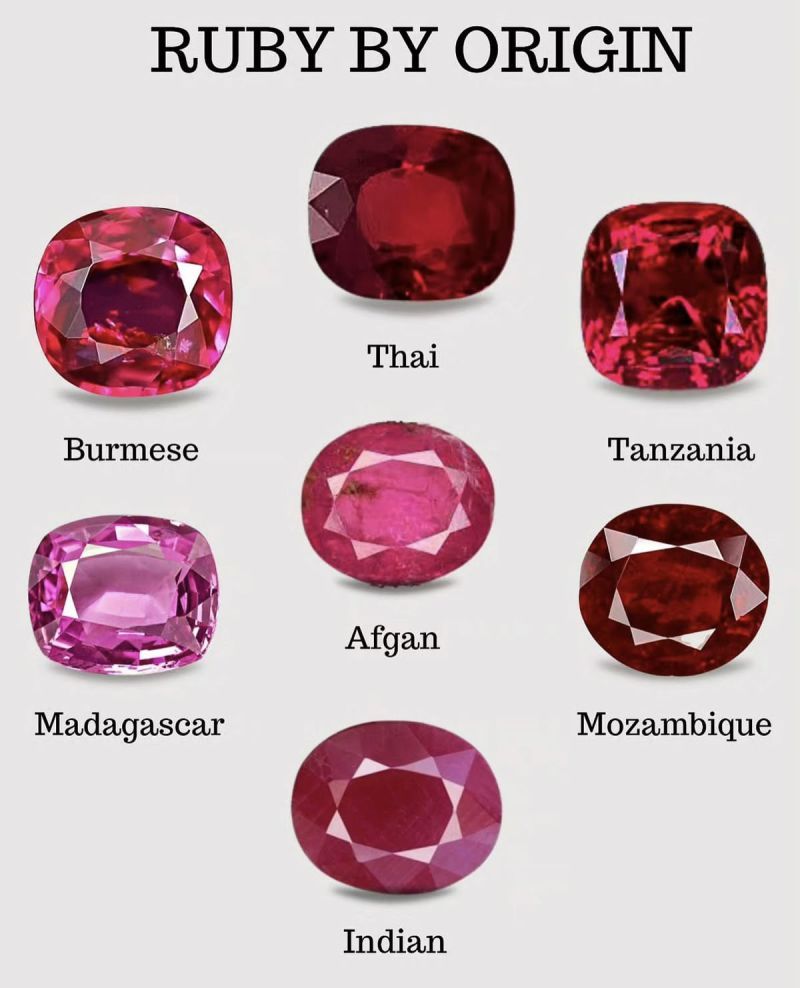
Coloured gemstonesare the category with the strongest design momentum heading into the holiday season.Natural sapphires,rubies, and emeralds remain the pillars, but the consumer base is widening beyond traditional fine-jewellery buyers.
The Big Three and Beyond -
Natural coloured gemstones are gaining attention, especially natural sapphires, natural rubies, and natural emeralds. These stones offer colourful and distinctive choices for holiday gifts, and they allow retailers to compete on design and individuality rather than on the commoditised diamond price comparison.
The American Gem Society identifies blues and greens sapphires, aquamarines, emeralds, jades, and tourmalines as a defining colour story, with sapphire’s durability making it suitable for everyday wear and emerald carrying centuries of symbolism around growth and new beginnings.
Jewelers of America’s market report describes the 2026 coloured gemstone market as “not short on demand” but “short on stability”, with tariffs, rising costs, and supply uncertainty forcing the trade to rethink sourcing and pricing. What is moving is either really high-end, scarce product or the low end; the middle tier has stalled. That makes coloured gemstones a curation game: retailers who can secure well-priced, traceable goods and present them with a clear design story will outperform those who treat coloured stones as a commodity add-on.
Holiday Giftability -
Coloured gemstones are inherently giftable: they carry birthstone associations, colour symbolism, and a sense of personal meaning that diamonds do not always match. Sapphire represents wisdom and loyalty; ruby carries passion and vitality; emerald symbolises renewal and hope. For holiday shoppers looking for something personal, colourful, and distinctive, coloured gemstone jewellery offers an alternative to the diamond default.
Retailers should prioritise sapphire rings and pendants, ruby accents, and emerald centrepieces in the $1,000–$5,000 range, where the design story can justify the price without competing directly with diamond price transparency.
5. How Retailers Can Act on These Trends -
The holiday season rewards prepared, category-specific merchandising over generic “sale” messaging. Here is how to translate the data into action.
For lab-grown diamond sellers: Build the holiday assortment around engagement rings, studs, and tennis bracelets in the $1,500–$5,000 band. Use the price advantage to trade customers up in size and design, not down in price. Market lab-grown as a fashion and self-purchase category, not only bridal.
For natural diamond sellers: Protect the luxury and rarity narrative at $2,500+. Focus on certified, traceable stones and ready-to-wear pieces. Custom commissions may remain soft; prioritise in-stock, high-intent gifting.
For gold sellers: Curate a luxury gold assortment at $2,500–$10,000. Use lightweight gold as a gifting entry point, but drive margin through statement pieces and gold-and-diamond combinations. Yellow gold remains the metal of choice for many consumers.
For coloured gemstone sellers: Lead with sapphire, ruby, and emerald as the pillars, but differentiate through design, cut, and colour combinations. Secure traceable supply and tell the provenance story. Coloured gemstones are a design-led category, not a price-led one.
For all sellers: Invest in online discovery and education. Adobe data shows that visits to U.S. retail sites from generative AI tools jumped 693%, and consumers are increasingly starting their jewellery search online before visiting a store or buying direct. Product pages, buying guides, and certification transparency are no longer optional.
CaratX seller resources:
Register to sell to B2B and B2C buyers in 18+ countries:CaratX seller registration
Learn about CaratX pricing and seller plans:Launch Your Products on CaratX
Ready to position your inventory for the holiday season? Sellers can register on the CaratX marketplace to reach B2B and B2C buyers across 18+ international countries:www.caratx.com/register. Buyers can shop certified natural diamonds and coloured gemstones at marketplace pricing:www.caratx.com.
Frequently Asked Questions -
Are lab-grown diamonds real diamonds? Yes. Lab-grown diamonds are chemically, physically, and optically identical to natural diamonds. The difference is origin: they are grown in a laboratory rather than formed in the Earth’s mantle. Major grading laboratories, including GIA and IGI, issue reports that clearly distinguish lab-grown from natural stones.
Will lab-grown diamond prices continue to fall? Lab-grown wholesale prices have declined significantly as production capacity has expanded. A premium one-carat lab-grown stone now retails between $800 and $1,200, with entry-level goods available for a few hundred dollars. Retail pricing may continue to adjust, but the consumer value proposition more size and design for the budget remains intact.
Is natural diamond jewellery still a good gift? Natural diamonds retain strong emotional and luxury signalling, particularly in bridal and high-value gifting. If the recipient values rarity, provenance, and long-term value retention, natural diamond jewellery remains a meaningful choice. The key is buying certified stones and understanding the 4Cs.
Why are gold jewellery volumes falling while value is rising? Gold prices have reached historic highs, so consumers are buying lighter, lower-carat, or smaller pieces at the mass end, while high-end buyers continue to spend on statement pieces. The result is fewer units sold but higher average transaction values.
Which coloured gemstones are best for holiday gifting? Sapphire, ruby, and emerald are the safest and most recognisable choices, but bicolor sapphires, spinels, tourmalines, and aquamarines are gaining traction in design-led pieces. Consider the recipient’s birthstone, colour preference, and lifestyle sapphire’s hardness makes it ideal for everyday wear, while emerald requires more careful handling.
How can retailers compete with online marketplaces? Compete on curation, certification, storytelling, and service. Consumers can compare prices online, but they cannot easily replicate the in-store experience, trusted advice, and after-sales support that a knowledgeable jeweller provides. Use online channels to drive discovery, and convert through transparency and expertise.