
Introduction:
For over two millennia, Sri Lanka has held an almost mythical status in the world ofgemstones. Known in Sanskrit as “Ratna-Dweepa” meaning “Island of Gems” this teardrop-shaped island nation has supplied some of the most magnificent gemstones ever discovered. Early Arab traders called itSerendib, which gave rise to the word “serendipity” a fitting name for an island where fortune seekers have, for centuries, stumbled upon treasures buried beneath its soil.
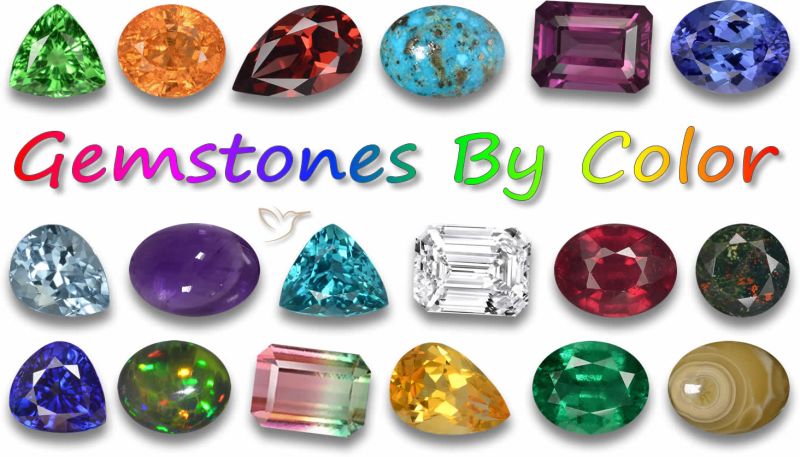
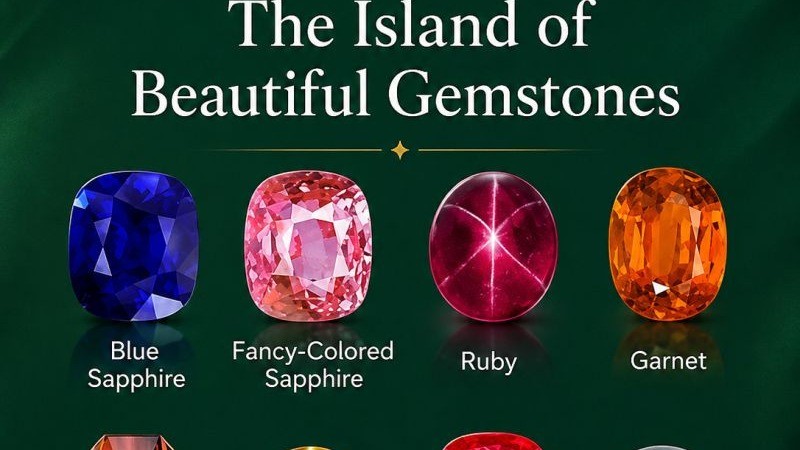
From the deep celestial blues of CeylonSapphiresto the legendary pink-orange glow of Padparadscha, Sri Lanka’s gemstone wealth is unparalleled. The island remains one of the world’s most important sources of fine gemstones, producingsapphires,rubies,spinels,garnets, chrysoberyl,alexandrite,tourmaline,zircon, and moonstone.
The gem-rich district of Ratnapura, whose name literally translates to “City of Gems” is the heart of Sri Lanka’s mining industry. Thousands of gem pits dot the landscape, some plunging as deep as 25 meters, as miners continue a tradition that has persisted for generations.
The Geology Behind the Beauty -
Sri Lanka’s extraordinary gem wealth is no accident of nature. The island’s geological foundation tells a story spanning hundreds of millions of years.
The Highland Complex -
Nearly all of Sri Lanka’s gem deposits are located within the central high-grade metamorphic terrain known as the Highland Complex, a geological unit that forms the backbone of the island. This region was formed during the assembly of the supercontinent Gondwana between 950 and 550 million years ago.
The Highland Complex consists primarily of granulite-facies metamorphic rocks, rocks that have been subjected to intense heat and pressure deep within the Earth’s crust. Over millions of years, these metamorphic processes created the perfect conditions for corundum (sapphire and ruby) and other gem minerals to crystallize.
Alluvial Deposits:
Most of Sri Lanka’s gem-quality material is found not in primary bedrock, but in secondary alluvial deposits. Over countless millennia, weathering and erosion broke down the parent metamorphic rocks, releasing hardy gemstones that were then transported by rivers and streams.
Characteristic Inclusions -
One of the most fascinating aspects of Sri Lankan gemstones is that their origin can often be determined by characteristic inclusions. Gemologists at the Gemological Institute of America (GIA) have documented distinctive inclusion scenes in Ceylon sapphires such as fine “silk” (rutile needles), angular color zoning, and specific fluid inclusions that serve as a fingerprint for Sri Lankan origin. This allows experts to trace a gemstone’s journey from the alluvial gravels of Ratnapura to the jewelry stores of London, New York, and Tokyo.
The Crown Jewels: Sri Lanka’s Most Famous Gemstones
Ceylon Blue Sapphire -
When most people think of Sri Lankan gemstones, the Ceylon Blue Sapphire immediately comes to mind. For centuries, Sri Lanka (formerly Ceylon) has been synonymous with some of the world’sfinest blue sapphires.
The classic Ceylon blue sapphire is prized for its velvety, cornflower to royal blue hues colors that have adorned royalty, clergy, and collectors for millennia. In ancient Greece and Rome, kings and queens woreblue sapphiresbelieving they protected against envy and harm. During the Middle Ages, clergy wore them to symbolize Heaven. And in 1981, the world watched as Prince Charles gave Lady Diana Spencer ablue sapphire engagement ringcementing thesapphire’sassociation with romance and royalty for a new generation.
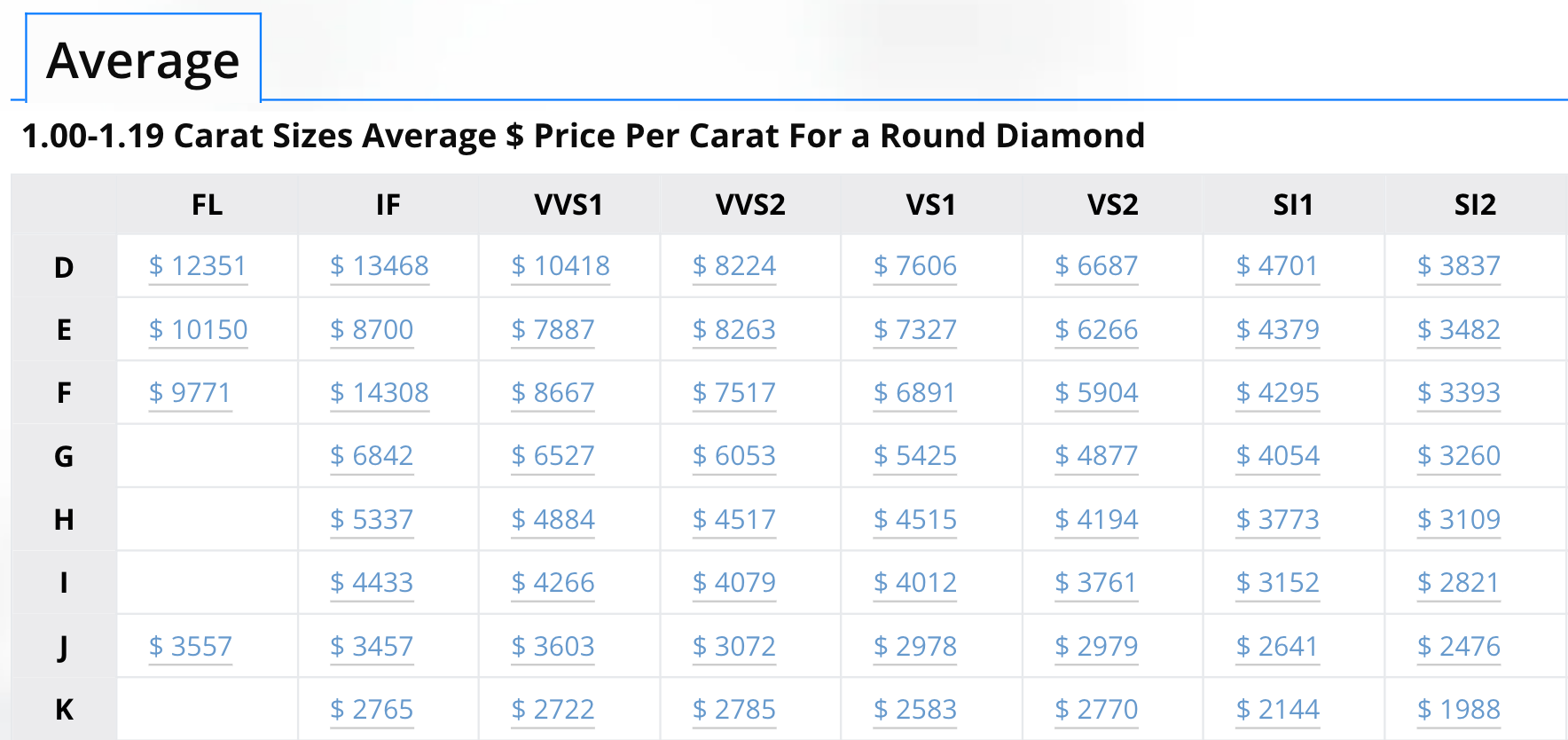
The supply of untreated, natural Ceylon sapphires has dwindled significantly over the past decade. High-quality specimens are now rarer than most large D-color diamonds, making them highly sought after by collectors and investors alike.
Explore Ceylon Blue Sapphires on CaratX Marketplace →
Padparadscha Sapphire:
Perhaps no gemstone captures the imagination quite like the Padparadscha sapphire. The name comes from the Sinhalese wordpadmaraga, meaning “lotus color” a reference to the delicate pinkish-orange hue of the lotus flower.
Sri Lanka is one of the few sources in the world for true Padparadscha sapphires. These extraordinary gems display a light to medium tone of pinkish orange to orange-pink, a color often poetically described as “sunset,” “salmon,” or “ripe guava”.
The term Padparadscha was initially applied only to stones from Sri Lanka. While other sources (notably Madagascar) have since produced similar colors, Sri Lankan Padparadschas remain the gold standard. The 1126-carat padparadscha sapphire crystal discovered in the Ratnapura district is one of the most spectacular examples ever found.
True Padparadscha sapphires are exceptionally rare and command very high per-carat values. Their scarcity, combined with their breathtaking beauty, makes them among the most coveted of all colored gemstones.
Discover Padparadscha Sapphires on CaratX →
Pink Sapphire -
Sri Lanka produces pink sapphires ranging from soft pastel pinks to vivid, intense hues. The color is caused by trace amounts of chromium within the corundum crystal lattice. After blue, pink is the most commercially popular fancy sapphire color.
However, fine-quality, unheated pink sapphires are becoming increasingly scarce in the market. Major sources include Madagascar, Sri Lanka, and Myanmar. Sri Lankan pink sapphires are particularly prized for their clean clarity and saturated color.
Yellow Sapphire -
Yellow sapphires from Sri Lanka are known for their bright yellow to golden-yellow colors, caused by trace amounts of iron. They occur primarily in the Balangoda region. These sunny gems are extremely popular as a September birthstone alternative and offer brilliant color at a generally more accessible price point thanblue sapphires.
The American Gem Trade Association (AGTA) recognizes yellow sapphires as a top seller in the colored gemstone market. Major deposits are found in Sri Lanka and Australia.
Shop Yellow Sapphires on CaratX →
Alexandrite:
One of the rarest and most magical gemstones on Earth,Alexandriteis a color-change variety of the mineral chrysoberyl. Discovered in Russia’s Ural Mountains in 1830, alexandrite displays a remarkable optical phenomenon: it appears green in daylight and purplish-red under incandescent light.
Sri Lanka produces finealexandrites, though good qualities are scarce and highly prized.Alexandritesover 2 carats are considered large. Fine material is rarer than ruby and commands prices exceeding $15,000 per carat. At auction, record-breaking specimens such as the $1.9 million Brazilian alexandrite sold at Sotheby’s, underscore the extraordinary value of this gem.
TheGemological Institute of America (GIA)includes alexandrite among the gemstones for which it offers origin determination services, reflecting the importance of geographic provenance in valuing these exceptional stones.
View Alexandrite Jewelry on CaratX →
Other Gemstones from Sri Lanka -
Sri Lanka’s gem diversity extends far beyondsapphiresandalexandrite. The island produces:
Spinel– Available in a range of colors, including the coveted red and pink varieties.
Chrysoberyl – Including the famous cat’s-eye chrysoberyl with its sharp, whitish chatoyancy.
Zircon– Found in various colors, including green and colorless.
Tourmaline– Occurring in multiple color varieties.
Garnet– Including pyrope-almandite (rhodolite) and hessonite (orange-brown grossular).
Moonstone – A feldspar gem with a characteristic adularescent glow.
A History Spanning Two Thousand Years -
Ancient Beginnings -
Gemstone use in Sri Lanka dates back at least 2,000 years. TheMahavamsa(The Great Chronicle of Ceylon) mentions a gem-encrusted throne owned by a Naga king in 543 BC—among the earliest accounts of the island.
The Roman naturalist Pliny the Elder wrote that ambassadors fromTaprobane(as Sri Lanka was then known) boasted of its fine gemstones during the reign of Emperor Claudius (41–54 AD). The Greek astronomer Ptolemy referred to the island’s beryl, sapphire, and gold in the 2nd century AD.
Medieval Trade and Exploration -
Marco Polo traveled to Sri Lanka in 1293 and noted the abundance of gems, including ruby, sapphire, topaz, amethyst, and garnet. The famous Arab explorer Ibn Battuta, visiting in the 14th century, wrote extensively of the precious stones he encountered.
Between 500 and 1500 AD, during the rule of ancient and medieval Sinhala kings, mining, possession, and commerce of precious stones was controlled by the monarch. Arab and Persian merchants purchased many fine gemstones, transporting them along ancient trade routes that connected the island to markets across the Indian Ocean and beyond.
European Colonization -
The Portuguese (1505–1656), Dutch (1656–1796), and British (1796–1948) all left their mark on Sri Lanka’s gem trade. European traders brought more gems to the West, furthering the island’s reputation as a premier source of gemstones.
In 1859, James Emerson Tennent an administrator of British Ceylon wrote:“There is no island in the world that has attracted the attention of authors in so many distant ages and so many different countries as Ceylon”.
Modern Revival -
During the 20th century, Sri Lanka’s standing as a premier gem trade center diminished due to competition from other sources, failure to adapt to new technologies like heat treatment, and government regulations that hindered growth.
However, in the last two decades, Sri Lanka has overcome those setbacks and now has a dynamic, rapidly growing gem and jewelry industry. Modern business practices now incorporate the trading expertise of generations of Sri Lankans, while artisanal mining practices blend harmoniously with mechanized operations. Updated import and export regulations have opened the path for Sri Lankans to acquire rough gemstones from around the world, revitalizing their trade.
The City of Gems -
Ratnapura, whose name literally means “City of Gems” remains the epicenter of Sri Lanka’s gemstone industry.
Thousands of pits measuring 2x2 or 2x4 meters and between 5 and 25 meters deep are found in the common mining areas of Ratnapura, Elahera, and Balangoda. Miners use traditional methods that have changed little over centuries. Riverbed dredging involves miners diving up to 60 feet deep to retrieve gem-bearing gravel.
The Demuwawatha Gem Market in Ratnapura serves as a bustling hub where rough and cut gemstones change hands. Here, centuries of trading expertise meet modern commerce, creating a unique marketplace that has few equals anywhere in the world.
Why Sri Lankan Gemstones Matter Today -
For collectors, investors, and jewelry enthusiasts, Sri Lankan gemstones represent a unique combination of factors:
Provenance and History: Every Sri Lankan gemstone carries with it a legacy spanning millennia.
Quality: Sri Lankan sapphires particularly untreated Ceylon sapphires are among the finest in the world.
Rarity: High-quality Sri Lankan gemstones are becoming increasingly scarce.
Investment Potential: Sapphires have shown steady appreciation, outperforming many other luxury goods over the last five years.
Start Selling Gemstones to 18+ International Countries →
Frequently Asked Questions -
1. Why is Sri Lanka called the “Island of Gems”?
Sri Lanka has been known as Ratna-Dweepa (“Island of Gems”) in Sanskrit for over two thousand years. The island’s unique geology particularly its alluvial gem deposits in the Highland Complex has produced an extraordinary variety of high-quality gemstones.
2. What is the most famous gemstone from Sri Lanka?
The Ceylon Blue Sapphire is undoubtedly the most famous. However, Sri Lanka also produces the legendary Padparadscha sapphire, rare Alexandrite, and many other gemstones including spinel, garnet, and moonstone.
3. What makes Padparadscha sapphires so special?
Padparadscha sapphires display a rare pinkish-orange color reminiscent of a sunset or lotus flower. Sri Lanka is one of the few sources of true Padparadscha sapphires, making them exceptionally rare and valuable.
4. How are gemstones mined in Sri Lanka?
Most gemstones are found in alluvial deposits gravel beds formed by ancient rivers. Miners dig pits up to 25 meters deep or engage in riverbed dredging to extract gem-bearing gravel. Traditional methods have been practiced for centuries, often alongside modern techniques.
5. Are Sri Lankan gemstones ethically sourced?
Sri Lanka has made significant strides in sustainable and ethical mining practices. Most mining is conducted by small-scale operations, and the country has implemented laws to protect miners and the environment.
6. Can I buy Sri Lankan gemstones online?
Yes. Through platforms likeCaratX, you can shop for certified natural gemstones from trusted global suppliers.
Recommended Reads from CaratX -
Fancy Sapphires: The Colorful Side of the Sapphire World– A comprehensive guide to fancy sapphire colors including pink, yellow, Padparadscha, and more.
The World's Top 10 Most Popular Gemstones– A definitive guide to the most sought-after gemstones on the planet.
The Complete Guide to Gemstone Verification– Learn how to verify gemstone authenticity, quality, and value.
Sapphires Shine While Diamond Market Faces Mixed Signals– An in-depth analysis of the sapphire market and investment trends.
White Gemstones: Properties, Value, and Buying Guide– A guide to white sapphires, diamonds, and moissanite.
Nature's Brightest Treasures: The Ultimate Guide to Orange Gemstones– Exploring orange diamonds, Padparadscha sapphire, citrine, fire opal, and more.
Get Started with CaratX -
Whether you’re a collector seeking the perfect Ceylon sapphire, a jeweler looking to source premium gemstones, or a seller wanting to reach international buyers,CaratXconnects you with a global marketplace fornatural diamondsandgemstones.
Shop Gemstones at Unbeatable Prices →
Sellers: Register to Start Selling to 18+ International Countries →