
Gemstones have captivated humanity for millennia, serving as symbols of power, beauty, and connection to the natural world. From the ancient royalty who adorned themselves with jewels to modern designers creating iconic pieces, gemstones continue to shape global culture and fashion.
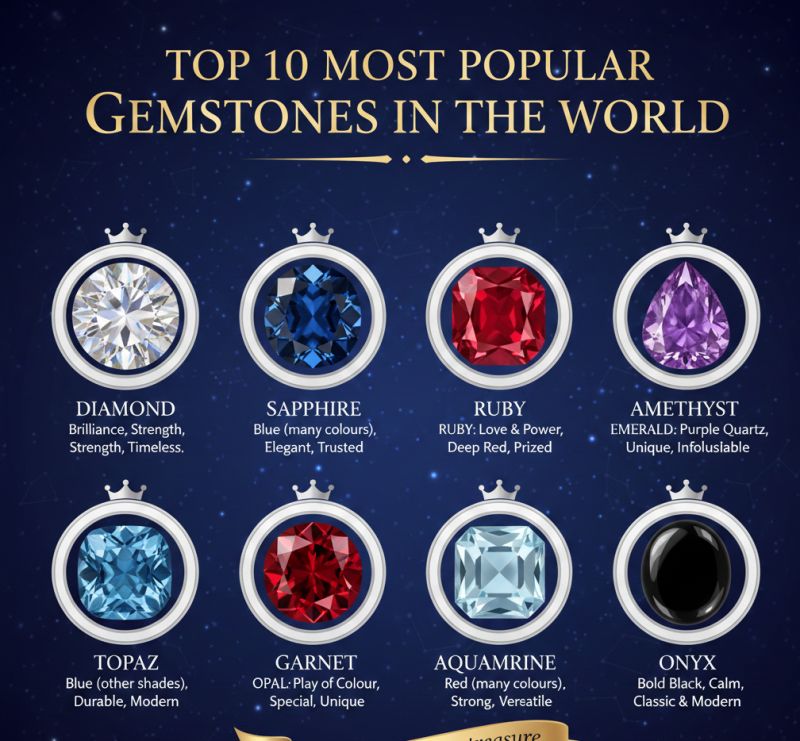
This definitive guide explores the top 10 most sought-after gemstones on the planet, diving into their unique characteristics, historical significance, and enduring appeal in the jewellery industry. Whether you're a collector, a jewellery enthusiast, or someone seeking the perfect stone, understanding these gems is your first step into a luminous world.
1. Diamond:
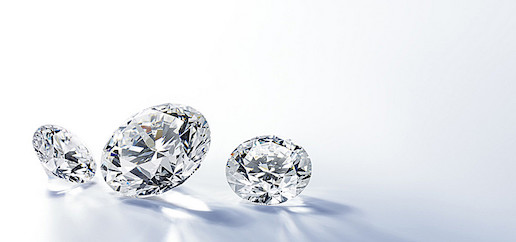
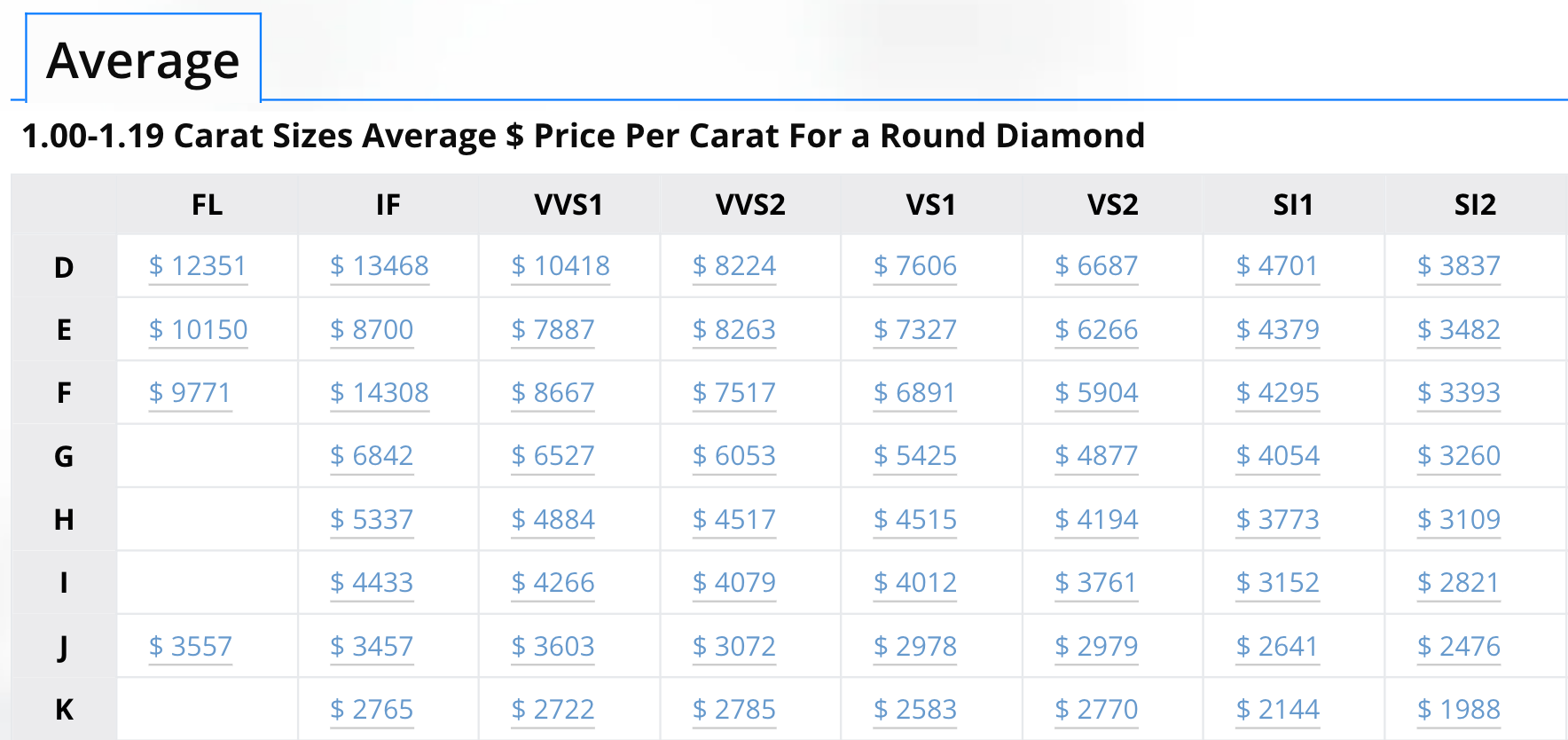
Diamond reigns supreme as the most famous and coveted gemstone worldwide. Composed of pure carbon arranged in a crystal lattice, diamonds are the hardest natural substance on Earth, scoring a perfect 10 on the Mohs scale of mineral hardness. This exceptional durability, combined with their extraordinary brilliance and fire, makes them ideal for everyday wear, particularly in engagement rings symbolizing eternal commitment.
Historically, diamonds were first mined in India over 2,000 years ago, and their allure has only grown through centuries. The modern diamond market was transformed by the discovery of South African mines in the late 19th century and the brilliant marketing campaigns that positioned diamonds as the ultimate symbol of love.
Today, diamonds are graded on the Four Cs: Cut, Colour, Clarity, and Carat weight, a universal system established by the Gemological Institute of America (GIA).
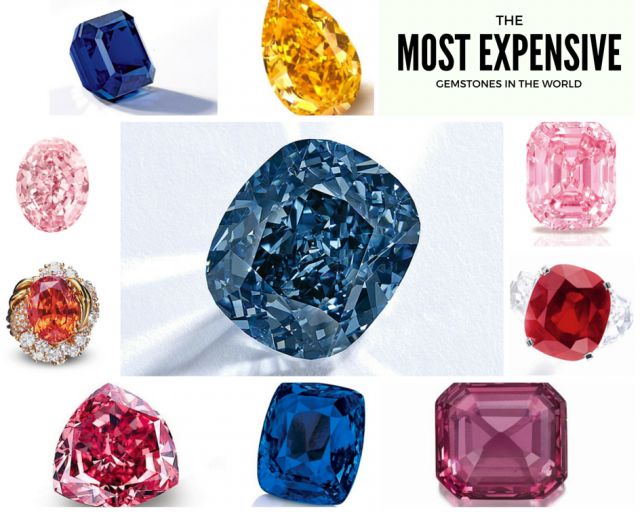
Beyond traditional colourless stones, fancy colour diamonds occur in hues like blue, pink, yellow, and even red, with some achieving record-breaking prices at auction. The science behind their formation immense pressure and heat deep within the Earth's mantle adds to their mystique and value.
Explore our curated collection of natural and lab-grown diamonds at CaratX's Diamond Marketplace.
2. Sapphire:
Sapphire, a variety of the mineral corundum, is most famously known for its deep, velvety blue colour, often associated with royalty and romance. However, sapphires exist in a rainbow of "fancy colours" except red (which is classified as ruby). Pink, yellow, orange (padparadscha), green, and colourless sapphires offer stunning alternatives.
With a hardness of 9 on the Mohs scale, sapphires are exceptionally durable, making them perfect for all types of jewellery. Some sapphires exhibit asterism a star-like effect or colour-change phenomena under different lighting. Historically, clergy wore blue sapphires to symbolize Heaven, and ancient Persians believed the sky was painted blue by the reflection of sapphire stones.
Major sources include Kashmir, Myanmar, Sri Lanka, and Madagascar. When choosing a sapphire, colour saturation is the most critical value factor.
At CaratX , we connect you with trusted global suppliers for both classic blue and rare fancy colour sapphires. Discover our exclusive range of fine sapphires here.
3. Ruby:
The July birthstone, Ruby, is the red variety of corundum, coloured by trace amounts of chromium. Its name derives from 'ruber', Latin for red. The most prized colour is a vivid, medium-dark toned red known as "pigeon's blood." Rubies are one of the hardest gemstones, sharing a Mohs rating of 9 with sapphires.
Rubies have been revered across cultures: ancient Hindus called them "ratnaraj" (king of precious stones), and medieval Europeans believed they bestowed health, wisdom, and success in love. The rarity of high-quality rubies, especially over one carat, often makes them more valuable per carat than diamonds of comparable size.
Significant deposits are found in Myanmar (Burma), Mozambique, Thailand, and Vietnam. Treatments like heat enhancement are common to improve colour and clarity.
Find exceptional natural rubies for your designs in our gemstone collection.
4. Emerald:
Emerald, a variety of the mineral beryl coloured by chromium and vanadium, is synonymous with lush green. Unlike other gems, emeralds are almost always included with unique internal characteristics called "jardin" (French for garden), which are accepted as part of their character and used to verify natural origin. These inclusions make each emerald truly one-of-a-kind.
With a hardness of 7.5-8, emeralds require more care than diamonds or sapphires. The earliest known emerald mines were in Egypt, dating back to 330 BC. Colombia remains the world's premier source for the finest emeralds with a pure, intense green hue. Other sources include Zambia, Brazil, and Zimbabwe. To protect the stone and enhance its colour, most emeralds are treated with oils or resins.
Browse our selection of Colombian and Zambian emeralds for your next statement piece.
5. Amethyst:
Once considered as valuable as ruby or emerald, Amethyst is a purple variety of quartz whose colour ranges from light lilac to deep violet, caused by iron impurities and natural irradiation. Its affordability and availability in large sizes have made it a favourite for both fine and fashion jewellery. Historically, it was believed to prevent intoxication its name comes from the Greek 'amethystos', meaning "not drunken."
Amethyst rates a 7 on the Mohs scale, suitable for daily wear with proper care. Major sources include Brazil, Uruguay, Zambia, and South Korea. Some amethyst, when heated, turns into citrine. As a popular and versatile gem, it offers excellent value.
Shop for stunning amethyst jewellery and loose stones on CaratX.
6. Topaz:
Topaz is a silicate mineral available in a wide spectrum of colours: the prized imperial topaz (orangey-pink), blue, sherry yellow, pink, and colourless. The most common blue topaz on the market is usually colourless material that has been irradiated and heated to achieve a stable blue hue. Naturally blue topaz is extremely rare.
With a hardness of 8, topaz is durable but has perfect cleavage, meaning it can split if struck hard. Topaz deposits are found in Brazil, Nigeria, Pakistan, and Russia. Its clarity, affordability, and range of colours make it a staple in modern jewellery design.
Explore our extensive inventory of topaz in various colours and cuts.
7. Opal:
Opal is a hydrated silica gel known for its unparalleled play-of-colour a dazzling display of spectral colours that change with the angle of observation. This phenomenon is caused by the diffraction of light through microscopic silica spheres within the stone. No two opals are exactly alike.
The main types are white opal, black opal (the rarest and most valuable), boulder opal, and fire opal. Opal is relatively soft (5.5-6.5 on Mohs) and contains water, requiring protection from heat and dehydration. Australia is the primary source, particularly for black opal. Ethiopia and Mexico are also significant producers.
Find your unique piece of shifting light in our opal collection.
8. Garnet:
Garnet is not a single stone but a group of silicate minerals. While most known for its rich red variety (almandine and pyrope), garnet occurs in every colour except blue. Tsavorite (green), spessartite (orange), and rhodolite (purplish-red) are highly sought-after varieties.
With a hardness ranging from 6.5 to 7.5, garnets are durable and have been used since the Bronze Age. They were popular in ancient Egyptian, Greek, and Roman jewellery. Garnets are found globally, with notable deposits in Africa, India, and Sri Lanka. Their brilliance, durability, and range of colours offer incredible versatility.
View our collection of garnets, from classic reds to rare greens.
9. Aquamarine:
Aquamarine, the blue to blue-green variety of beryl, evokes the calm of the ocean. Its name is derived from the Latin 'aqua marina' meaning "sea water." The colour is caused by iron impurities, and it is often heat-treated to reduce green tones and produce a purer blue.
Rated 7.5-8 on the Mohs scale, it has good durability. Large, clean aquamarines are relatively common, making them popular for statement jewellery. The largest aquamarines come from Brazil, but other sources include Nigeria, Madagascar, and Pakistan. Its clean, transparent clarity and soothing colour make it a timeless choice.
Discover elegant aquamarine stones and jewellery on our marketplace.
10. Onyx:
Onyx is a banded variety of chalcedony (quartz), most commonly known in its solid black form, which is often dyed to achieve a uniform colour. It has been used for centuries in cameos and intaglios due to its fine grain and ability to be carved. With a hardness of 6.5-7, it is suitable for jewellery but should be protected from hard knocks.
Onyx is a grounding stone, often used in men's jewellery and bold contemporary designs. Its stark contrast makes it popular for inlay work and paired with diamonds or coloured gems. Sources include Brazil, India, and Uruguay. For striking black onyx pieces, browse our designer jewellery selections.
How Gemstones Shape Global Jewellery Trends -
These ten gemstones form the backbone of the global jewellery industry, influencing trends from haute couture runways to everyday accessible luxury.
The current market shows a strong demand for ethical sourcing and traceability, with consumers increasingly valuing stones with verifiable origins. Additionally, lab-grown gemstones particularly diamonds, sapphires, and rubies are gaining significant market share, offering an eco-conscious and often more affordable alternative without compromising on beauty.
Platforms like CaratX are at the forefront of this evolution, connecting buyers and sellers across 18+ countries in a transparent digital marketplace. Whether you seek a classic diamond solitaire, a vibrant custom engagement ring with a coloured gemstone, or a statement piece featuring opal or onyx, understanding these gems empowers your choice.
Ready to explore? Shop the world's finest gemstones at unbeatable prices on CaratX . For designers and retailers, unlock global opportunities by registering as a seller on CaratX to start selling to B2B and B2C buyers worldwide.
Frequently Asked Questions (FAQs)
Q1: What is the most durable gemstone for an everyday engagement ring? A: Diamond is the hardest (Mohs 10) and most durable choice. Sapphire and Ruby (Mohs 9) are excellent, highly durable alternatives for coloured stone rings. Explore our engagement ring collection for inspiration.
Q2: Are lab-grown gemstones real? A: Yes. Lab-grown gemstones have the same chemical composition, crystal structure, and physical properties as their mined counterparts. They are a sustainable and often more affordable option. We offer both natural and lab-grown diamonds and gemstones.
Q3: How should I care for my gemstone jewellery? A: Use mild soap, warm water, and a soft brush. Avoid ultrasonic cleaners for porous stones like emerald, opal, or treated gems. Store pieces separately to prevent scratches. For more details, see our Jewellery Care Guide.
Q4: What does "treated" mean for gemstones? A: Many gemstones are treated (e.g., heated, oiled, irradiated) to enhance colour or clarity. Ethical sellers will always disclose treatments. All treatments are disclosed for stones sold on CaratX.
Q5: Why buy gemstones from a B2B marketplace like CaratX? A: CaratX connects you directly with global suppliers, eliminating middlemen and ensuring competitive prices, a wider selection, and transparent sourcing. Register as a buyer to access our network.
This educational content was brought to you by CaratX, your global marketplace for diamonds, gemstones, and fine jewellery. Connect with a world of brilliance.
Start Selling Globally: www.caratx.com/register Shop Gemstones: www.caratx.com
Learn About Our Seller Plans: CaratX Pricing & Plans