
The diamond industry thrives on a lexicon that sounds like cryptic poetry to outsiders: Sawables, Makeables, Macles, Flats. They’re the backbone of a $90 billion global industry. Understanding them could mean the difference between a mediocre investment and a masterpiece. Let’s unravel the science, strategy, and stories behind these words, and explore how they impact everything from engagement rings to stock portfolios.
From Earth’s Depths to Your Jewelry Box:
Diamonds begin their life 100+ miles underground, forged under extreme heat and pressure over billions of years. Volcanic eruptions carry these carbon crystals to the surface, where they’re mined from kimberlite pipes or alluvial deposits. When mined, these rough stones are far from the glittering gems we adore.
Cuttable vs. Non-Cuttable:
Cuttable Rough: Only ~20% of mined diamonds qualify as gem-grade. These stones have the clarity, color, and structural integrity to become gems. For example, the iconic Cullinan Diamond, discovered in South Africa in 1905, yielded nine major stones for the British Crown Jewels.
Non-Cuttable Rough: Flawed or irregularly shaped, these are sold for industrial uses like drill bits or grinding tools. Industrial diamonds account for 80% of mined stones but only 25% of the industry’s revenue.
But even within “cuttable” diamonds, value hinges on shape and yield, the amount of polished diamond retained after cutting. A 10-carat octahedron might yield two flawless 3-carat round brilliants, while a flat 10-carat stone could crumble into fragments.
The Diamond Cutter’s Dictionary:
Makeable -
Definition: A rough diamond that can be polished without sawing, splitting, or lasering.
Why It Matters: Makeables preserve maximum carat weight, making them the most profitable. For example, a 5-carat makeable could become a 4-carat emerald-cut gem with minimal waste.
Check out CaratX’s Makeable Diamond Collection to see how these gems dominate luxury markets.
Sawable -
Definition: Requires cutting into pieces to optimize yield.
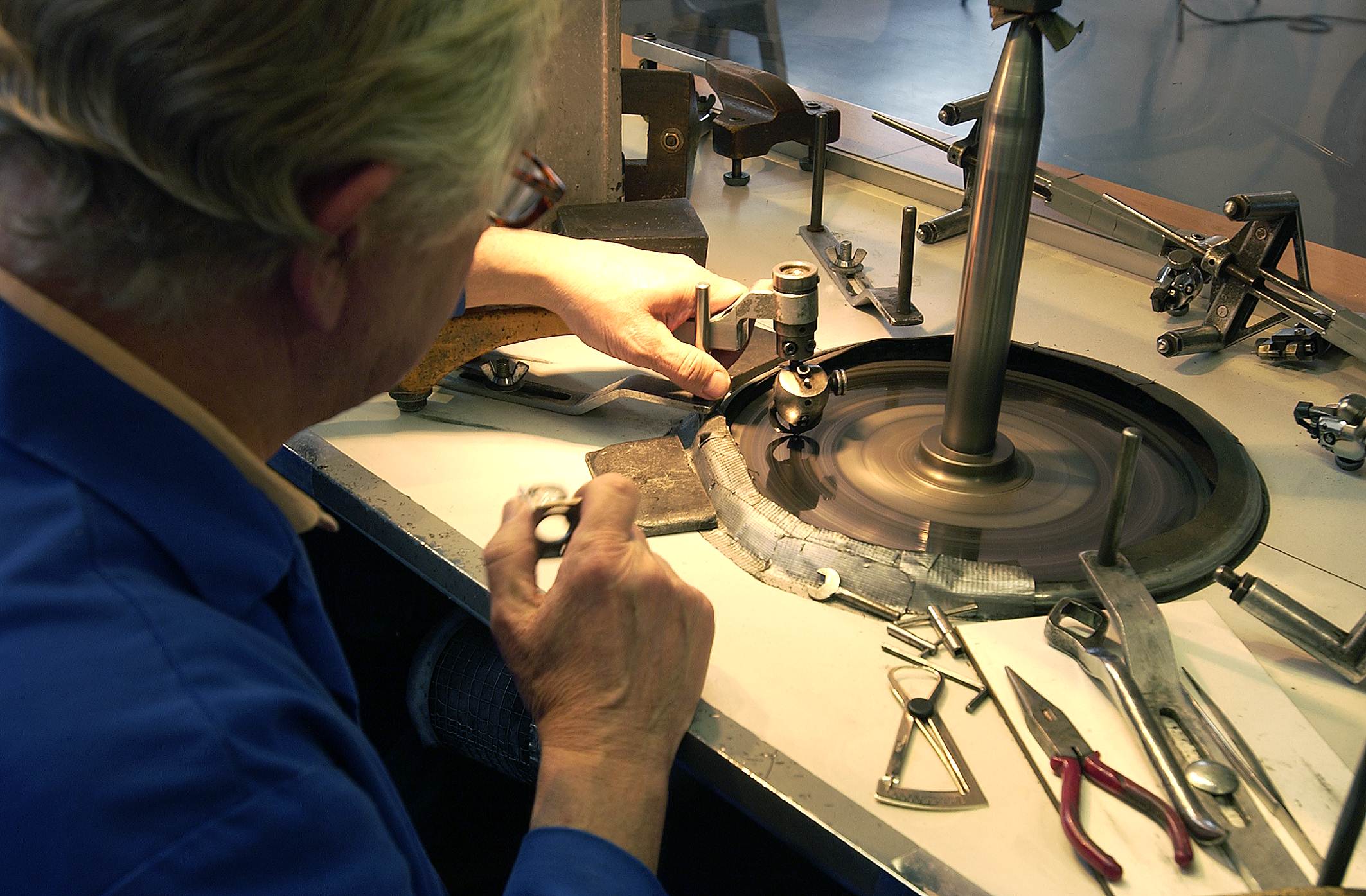
The Science: Sawing uses diamond-coated blades or lasers to split the stone. This avoids inclusions (flaws) and maximizes sparkle. The Sarine DiaExpert® software helps cutters visualize inclusions in 3D.
A sawable 8-carat rough might become two 3-carat princess cuts for diamond earrings, doubling its value.
Splittable -
Definition: Must be split along its natural crystal planes.
High Risk, High Reward: Poor cleaving can shatter the stone, but success creates gems like marquise or pear shapes. The GIA explains how atomic structure guides this process.
Macle -
Definition: A triangular “twin crystal” with internal tensions.
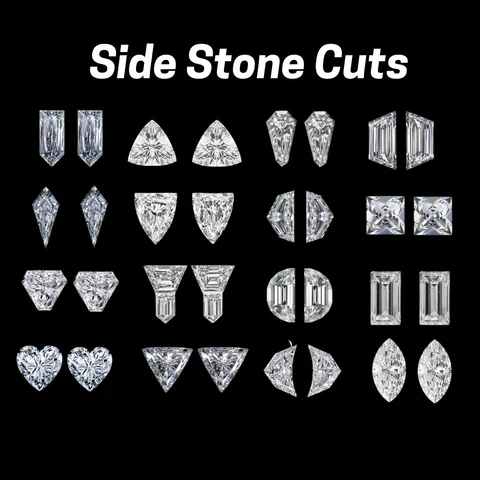
Innovation: Modern cutters use 3D modeling to transform macles into rare trilliant or heart-shaped diamonds. Explore CaratX’s Unique Shapes Gallery for examples.
Macles form due to twinning during crystal growth, as detailed by the Smithsonian’s Mineral Sciences Department.
Flat -
Definition: Thin, plate-like rough with low yield.
Savvy Use: Flats often become accent stones in halo rings or pave settings.
Market Data: Flat roughs sell for 30-50% less per carat than octahedrons, per the Rapaport Price List.
The Science of Sparkle:
Diamond cutting blends artistry with cutting-edge tech:
Laser Sawing: Precision tools like the Sarine Quazer 3 split rough with micron accuracy.
AI Modeling: Software predicts optimal cuts for maximum yield. The IGI uses 3D scans to map inclusions.
Why This Matters to You -
Whether you’re a buyer, seller, or investor, understanding these terms empowers smarter decisions:
Buyers: A “makeable” diamond often costs more upfront but retains value better. Learn more in CaratX’s Buyer’s Guide.
Sellers: Properly categorizing rough can boost profits by 30%+. Use tools like the GIA Diamond Dossier® for grading.
Investors: Industrial diamonds (non-cuttable) are tied to manufacturing demand, while gem-quality stones hedge against inflation.
The Global Market:
Lab-Grown Diamonds: While natural diamonds dominate luxury, lab-grown stones are disrupting the industrial sector. Learn more from the Gemological Institute of America (GIA).
Ethical Sourcing: Buyers demand conflict-free gems. CaratX’s Ethical Diamonds Hub uses blockchain to trace origins.
Emerging Markets: India’s Surat district processes 90% of the world’s diamonds. The World Diamond Council outlines sustainability efforts.
How CaratX Revolutionizes the Diamond Trade -
CaratX isn’t just a marketplace, it’s a tech-driven ecosystem:
Ready to join? Register as a Seller Browse Diamond Collections
Final Word:
Every diamond tells a story of Earth’s ancient forces, human ingenuity, and mathematical precision. The next time you admire a glittering gem, remember: its journey began with a cutter who saw potential in a rough stone others might’ve dismissed.
Diamonds aren’t just forever. They’re a language.
Sellers, unlock global markets with CaratX: Start Selling in 1 Click View Seller Subscription fees