

The Ultimate Compendium on Birthstones: History, Gemology, and the Definitive Buying Guide for 2026
Home
Our Favorite Articles The Ultimate Compendium on Birthstones: History, Gemology, and the Definitive Buying Guide for 2026 SHOP NOWHome
Our Favorite Articles The Ultimate Compendium on Birthstones: History, Gemology, and the Definitive Buying Guide for 2026 SHOP NOWFeb, 11, 2026 by Archit Mohanty 0 Comments
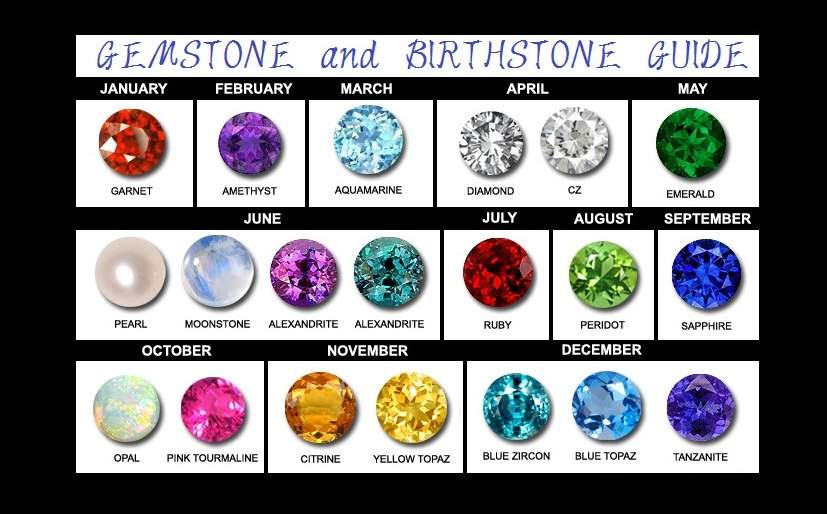
Birthstones are more than just colorful accessories; they are geological miracles carrying 4,000 years of human history. The modern concept of wearing a single gem corresponding to your birth month is a relatively recent phenomenon, but the roots trace back to the breastplate of Aaron in the Book of Exodus and the astrological wisdom of the 1st-century historian Josephus .
Today, driven by a 45% surge in personalized jewelry sales since 2020, birthstones dominate the "meaningful adornment" sector .
At CaratX , we connect you directly with vetted international sellers to ensure you aren't just buying a stone, you are investing in authenticity.
Whether you are a B2B buyer looking for wholesale lots or a consumer searching for the perfect bespoke ring, understanding the stone is the first step to mastery.
The earliest recorded link between gemstones and time comes from the Foundation Stones of the New Jerusalem (Revelation 21:19–20). However, it was St. Jerome in the 5th century who suggested Christians use these stones as a basis for personal adornment .
The Polish Myth vs. German Reality: For decades, the custom of wearing a single birthstone was attributed to 18th-century Poland. However, the Gemological Institute of America (GIA) notes evidence of this practice in Germany as early as the 1560s . The Tiffany poem published in 1870 cemented the Western canon, but the list we use today is the result of a 1912 meeting in Kansas dismissed by historian Rupert Gleadow as "nothing but a piece of unfounded salesmanship" .
The Jewelry Industry Council of America modernized the list by adding Alexandrite (June), Citrine (November), and swapping December’s Lapis for Zircon. The most recent seismic shift occurred in 2002 when the American Gem Trade Association (AGTA) added Tanzanite to December, followed by Spinel to August in 2016 .
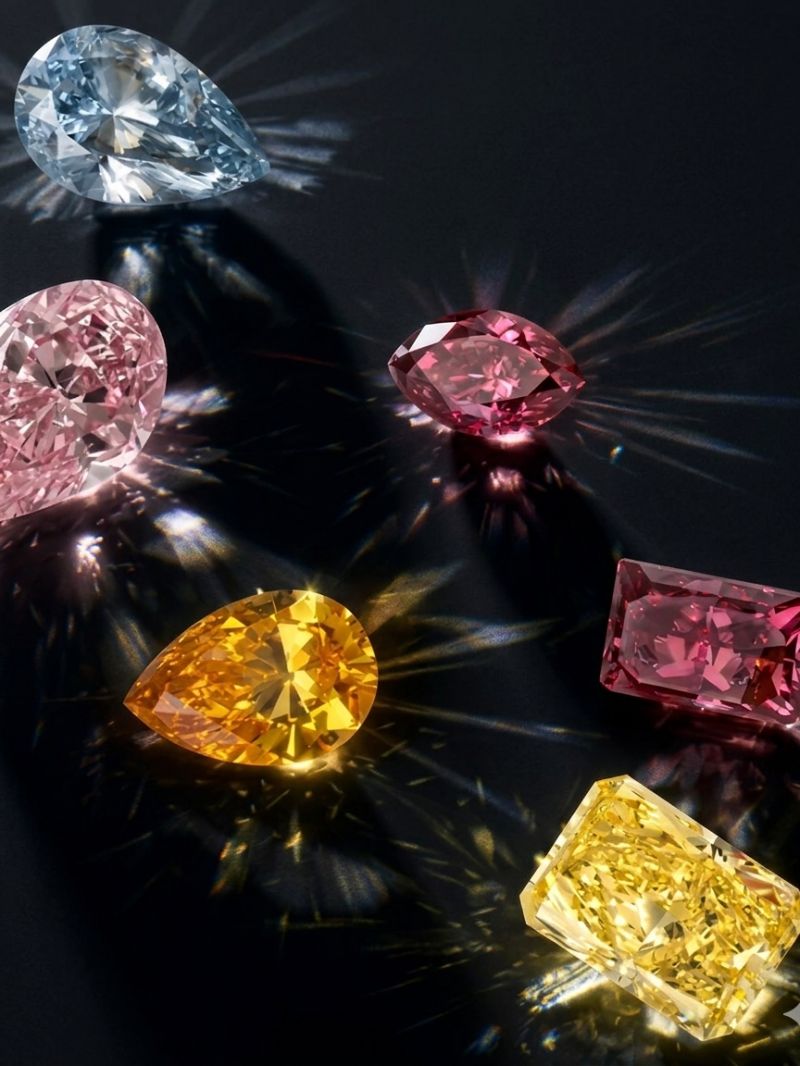
Here we analyze each stone not just by color, but by geological provenance, Mohs durability, and market investment potential.
Mineralogy: A group of silicate minerals. While often assumed to be red (Pyrope), it also occurs as green Tsavorite and orange Spessartine.
Hardness: 6.5 – 7.5 (Mohs)
Lore: Ancient Egyptians believed Garnet symbolized life. Roman nobles wore them in signet rings .
CaratX Insight: Look for clean Tsavorite garnets; they are rarer than emerald and undervalued in current markets.
Shop Certified Garnets on CaratX
Mineralogy: Quartz. The purple hue comes from iron irradiation.
Durability: 7 – Suitable for daily rings.
Warning: Prolonged direct sunlight fades the color .
History: Greek myth links it to Bacchus; the name translates to "not drunken" .
Source: Brazil, Nigeria, Mozambique.
Hardness: 7.5–8.
Treatment: Almost universally heat-treated to remove greenish tints.
Metaphysical: Known as the "sailor’s stone," it calms the mind and aids communication .
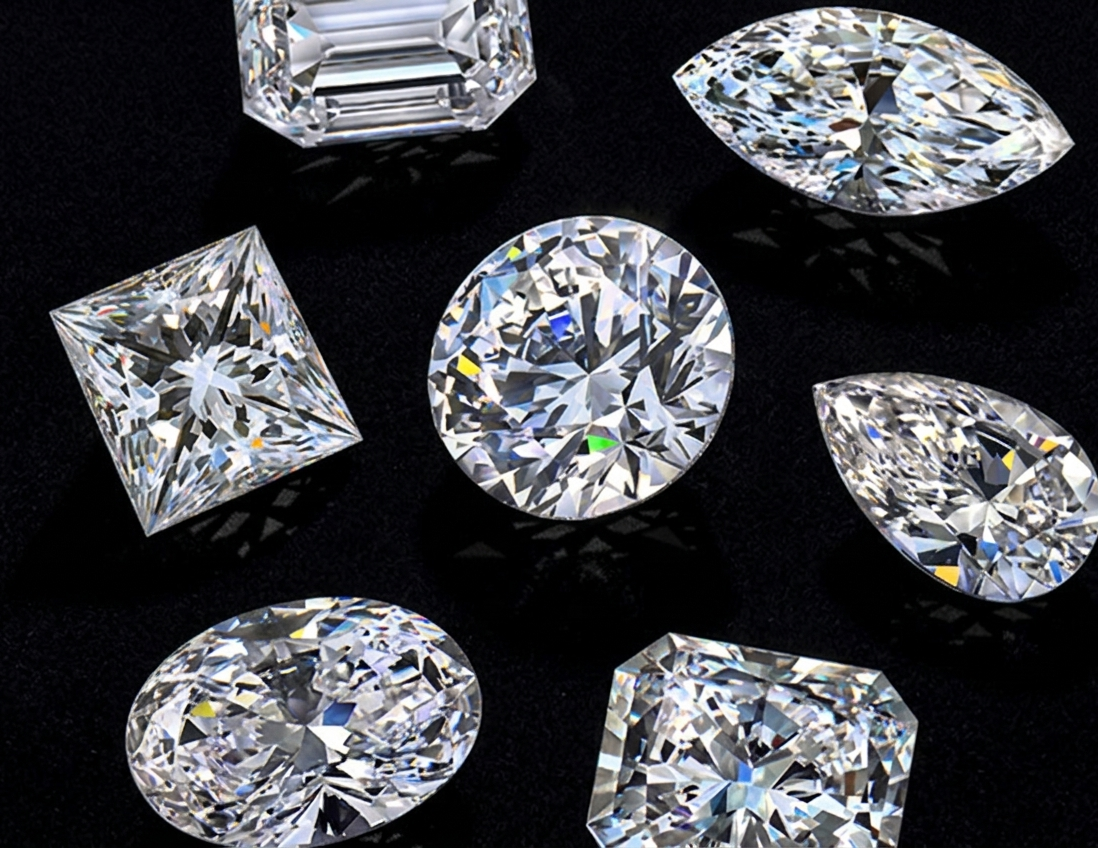
King of Gems: Hardness 10. Symbol of indestructibility (from Greek adamas).
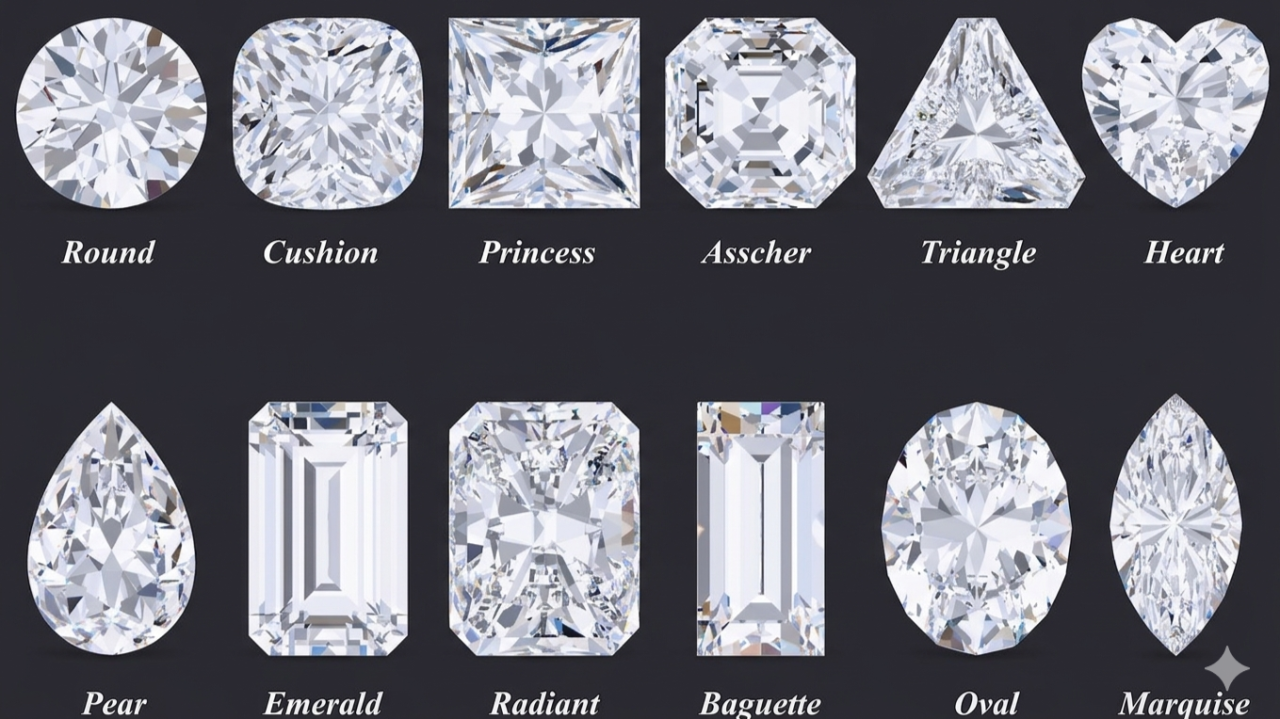
The 4Cs: At CaratX , we emphasize that Cut is the only human-controlled variable and the most important for brilliance. GIA grades cut from Excellent to Poor .
Market Trend: Lab-grown diamonds are now chemically identical to natural ones. Always check your certification for "Natural" vs. "Laboratory-Grown" .
CaratX Diamond Education Guide
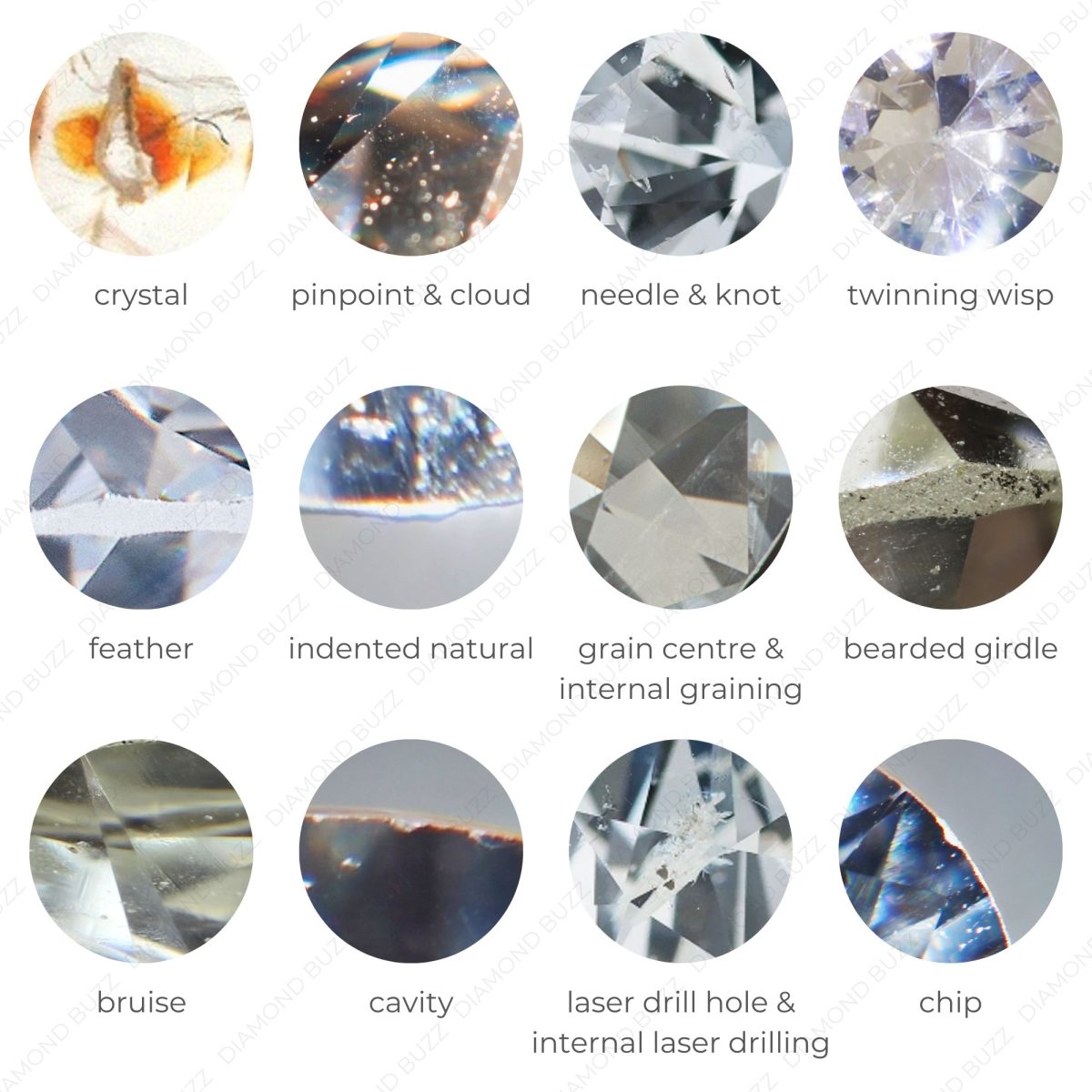
The Inclusion Paradox: Emeralds are usually included (Jardin). Clarity over color is a trap; color saturation is the primary value driver.
Hardness: 7.5–8, but brittle due to fissures.
Cleaning: Never use ultrasonic. Warm soapy water only .
History: Cleopatra famously claimed the Egyptian mines .
Pearl: The only gem from a living creature. Mohs 2.5–4.5. Requires extreme care; skin acidity can damage nacre.
Alexandrite: The color-change gem (green in daylight, red under incandescent). Fine material is rarer than ruby and commands prices exceeding $15,000/ct .
Sell Your Alexandrite on CaratX
The King of Colors: Corundum. Hardness 9. Chromium causes red fluorescence.
Pigeon’s Blood: The most sought-after color, historically exclusive to Burma (Myanmar). Mozambique rubies now dominate the market with similar color at 40% lower cost.
Warning: Lead-glass filled rubies are abundant. Always demand a GIA report.
Peridot: Olivine. One of the few gems found in only one color (green). Often confused with green glass. Mohs 6.5 .
Spinel (2016 addition): Hardness 8. The "great imposter" of history (the Black Prince’s Ruby is actually Spinel). Significantly more durable than Peridot .
Corundum: All colors except red (which is Ruby).
Padparadscha: The rarest variety, a delicate pink-orange.
Lore: Believed to cure ailments of the mind and bring discipline .
Durability: 9 – Excellent for engagement rings.
Link: Shop Ethically Sourced Sapphires
Opal: Hardness 5.5–6.5. Contains 5-10% water. "Crazing" occurs if it dries out. Avoid storing in safes with silica gel.
Tourmaline: Hardness 7–7.5. Paraiba tourmaline (copper-bearing) from Brazil is the holy grail, with neon blue colors exceeding diamond prices per carat .
Topaz: Hardness 8. Mystically associated with strength. Imperial Topaz (golden with pink undertones) is the rarest form.
Citrine: Quartz. Most commercial citrine is heat-treated Amethyst. Natural citrine is pale yellow, not deep orange .
Tanzanite: Zoisite. Only found in the Merelani Hills, Tanzania. Mohs 6–7. Pleochroic (blue/violet/gold). Never clean ultrasonically .
Turquoise: Pharaohs wore it 3,000 BCE. Porous; treated with epoxy for stability. "Sleeping Beauty" mine (AZ) is now closed prices rising .
Zircon: Not to be confused with Cubic Zirconia. Natural zircon is a high-refractive index gem with double refraction.
Link: December Birthstone Collection
The FTC Jewelry Guides mandate disclosure of treatments . If a seller says "natural ruby" but refuses a GIA/AGTL report, walk away.
Link: Verify Sellers on CaratX
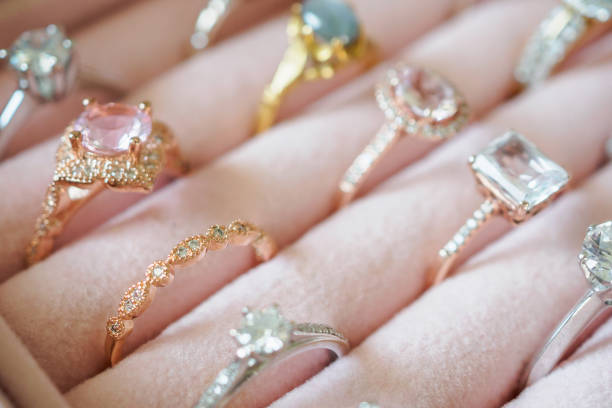
Daily Wear (Rings): Must be >7.5 (Sapphire, Ruby, Diamond, Alexandrite).
Occasional Wear (Pendants/Earrings): Opal, Pearl, Turquoise.
Medical Professionals: Avoid rings with high-profile settings; choose bezel-set Sapphires .
Density varies. A 1ct Ruby is physically smaller than a 1ct Diamond. Always check millimeter dimensions (e.g., 6.5mm round = ~1ct in Diamond, ~1.20ct in Sapphire) .
Lab-grown stones are chemically identical. They are a great choice for budget and traceability, but they have zero resale value. Natural stones, especially fine ruby and emerald, appreciate over time .
The Golden Rule: Warm water, mild soap, soft toothbrush.
DO NOT Ultrasonic: Emerald, Opal, Tanzanite, Turquoise, Pearls.
DO NOT Steam Clean: Any fracture-filled stone.
DO NOT Sunbathe: Amethyst, Celestite, Kunzite (color fades).
Storage: Hardness 9+ (Diamond, Sapphire) will scratch Mohs 7 (Quartz). Store in separate fabric-lined compartments .
Q: I was born in August. Can I wear Peridot AND Spinel? A: Absolutely. Since 2016, AGTA recognizes Spinel as an official August stone. Spinel is much harder (8 vs 6.5) and is recommended for engagement rings .
Q: Why does my Opal look "cracked"? A: This is "crazing." Opals contain water. If exposed to sudden temperature changes or dry air, internal tension causes fractures. Store opals with a damp cotton ball .
Q: How do I sell my inherited birthstone jewelry? A: The CaratX marketplace allows you to register as a seller and access 18+ international B2B buyers. You bypass the pawn shop margin entirely.
Link: Start Selling Now
Q: Are "Black Diamonds" real birthstones? A: While not an official birthstone for April (white/colorless diamonds are), black diamonds are a variety of carbonado. They are gaining popularity in alternative jewelry but are not recognized by the Jewelers of America birthstone list.
Q: What is the rarest birthstone? A: Alexandrite (June) and Paraiba Tourmaline (October). Fine alexandrite over 1 carat is considered a museum-grade investment.
Whether you are drawn to the protective embrace of Garnet or the spiritual clarity of Aquamarine, a birthstone is a biography written in crystalline structure. At CaratX , our mission is to democratize access to these treasures.
We connect miners, wholesalers, and jewelers directly to you, ensuring that the stone you wear comes with a verifiable chain of custody from the mine in Merelani to your ring finger.
Ready to buy or sell?
Consumers: Shop the World’s Gemstones
Sellers (B2B/B2C): Register for 18+ International Markets
Learn More: CaratX Pricing & Seller Plans
Image Credit - Geology In
May, 26, 2026
Aug, 06, 2022
Aug, 06, 2022
0 Comments
Please login to leave a reply.