
The Ultimate Guide to the World's Most Valuable Gemstones: Rarity, Value, and Investment
Home
News And Media The Ultimate Guide to the World's Most Valuable Gemstones: Rarity, Value, and Investment SHOP NOWHome
News And Media The Ultimate Guide to the World's Most Valuable Gemstones: Rarity, Value, and Investment SHOP NOWFeb, 10, 2026 by Archit Mohanty 0 Comments
Throughout history, gemstones have captivated humanity with their brilliance, color, and mystery. While beauty is the initial draw, the astronomical values commanded by the world's rarest specimens are driven by far more complex factors: a fragile alchemy of extreme geological rarity, cultural significance, and unwavering market demand.
The global gemstones market, valued at over $101 billion in 2024, is propelled not just by adornment but by a growing recognition of these natural wonders as tangible, alternative assets.
Understanding what elevates a gemstone from merely beautiful to truly priceless requires moving beyond the "Four Cs" (color, clarity, cut, carat).
It involves an appreciation for unique optical phenomena, deposits so limited they can be measured in carats per year, and histories intertwined with royalty and legend. This guide delves into the elite tier of the gemstone world, exploring the characteristics, origins, and market dynamics of the planet's most valuable minerals.
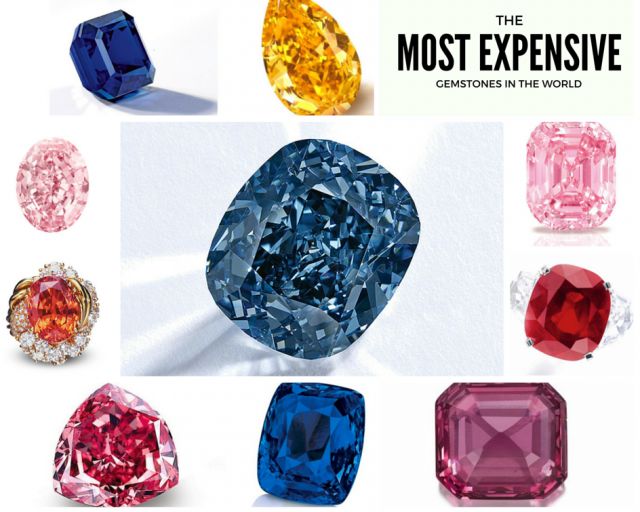
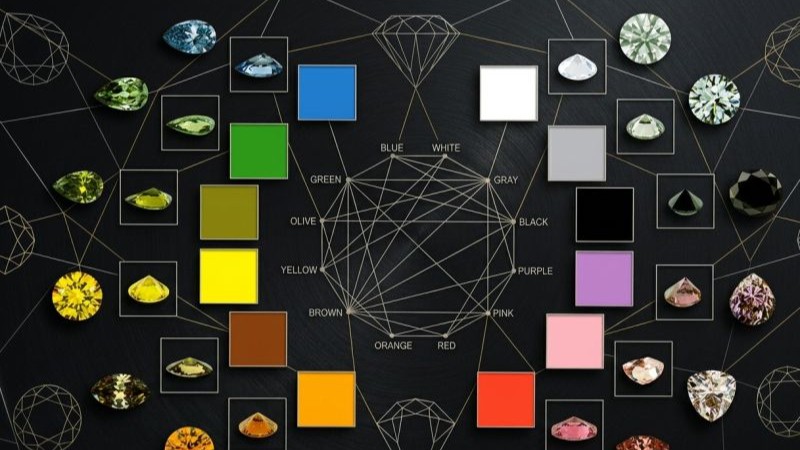
Colored diamonds represent the absolute pinnacle of gemstone value, with their hues born from rare atomic imperfections during formation.
Red Diamond: The undisputed champion of rarity. True red diamonds, like the famed 5.11-carat Moussaieff Red, are so scarce that most known specimens are under one carat. Their color is caused by a rare plastic deformation in the crystal lattice, making them arguably the most expensive gemstone per carat on Earth.
Blue Diamond: Valued for their serene, deep ocean hues caused by trace amounts of boron. The record-setting sales of stones like The Oppenheimer Blue ($57.5 million) highlight their status.
Explore our curated collection of exceptional colored diamonds at CaratX's Natural Diamonds page.
Pink Diamond: Their romantic color remains a geological mystery, often linked to immense pressure. The primary source, Australia's Argyle Mine, closed in 2020, sealing the fate of future supply and sending values for top-color Argyle pinks soaring. The Williamson Pink Star sold for $57.7 million in 2022.
Emeralds, rubies, and sapphires have formed the core of the colored gemstone trade for centuries, but their finest examples are in a league of their own.
Ruby: The "king of colored gems." The most coveted color is "pigeon's blood" a pure, vibrant red with a hint of blue, historically from Myanmar (Burma). Investment data shows that high-quality pigeon's blood rubies have seen consistent annual price appreciation, making them a secure investment choice.
Find exceptional rubies for your collection at CaratX's Gemstones Marketplace.
Emerald: Prized for its lush green color, caused by chromium and vanadium. The finest stones come from Colombia's Muzo and Chivor mines, known for a perfect grass-green hue without bluish or yellowish overtones. Unlike diamonds, emeralds are expected to have inclusions (known as "jardin"); a flawless, vivid green emerald is exceptionally rare.
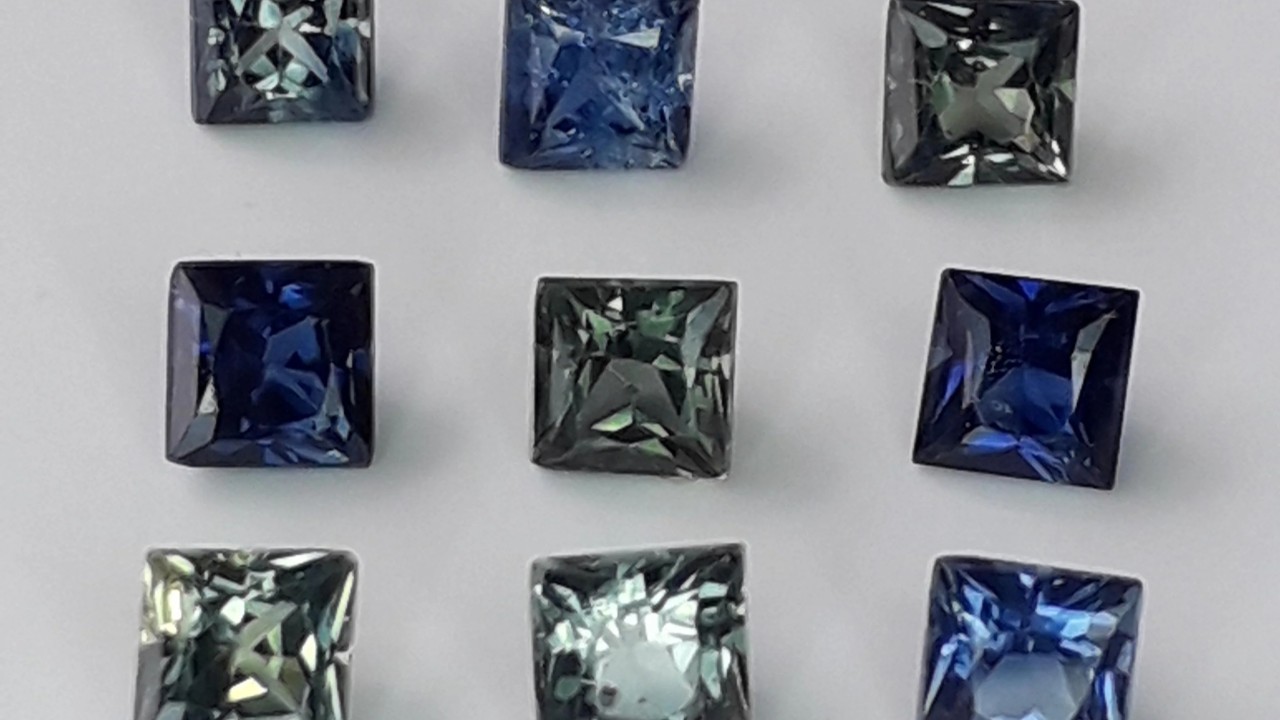
Sapphire: While blue is classic, the most valuable sapphires are the padparadscha (a sunset blend of pink and orange) and the unheated cornflower blue stones from Kashmir.
Burmese sapphires are also highly prized, with unheated specimens showing remarkable price growth.
These gemstones, discovered or popularized more recently, have skyrocketed to top-tier status due to their unique properties and extreme scarcity.
Alexandrite: The "emerald by day, ruby by night." This chrysoberyl variety exhibits one of nature's most dramatic color-change phenomena, shifting from green in daylight to red under incandescent light. Fine Russian alexandrite over three carats is virtually unobtainable.
Paraiba Tourmaline: Discovered in Brazil in the 1980s, this stone stunned the world with its electric, neon blue-green glow, caused by copper. It is one of the most desirable of all gemstones, with prices for top Brazilian material increasing exponentially. Analysts predict its value has "more room to run" due to fundamental rarity.
Jadeite (Imperial Jade): The most valuable form of jade. While other gems are valued for transparency, the ideal for Imperial Jadeite is a semi-transparent, vivid "emerald" green with an even color distribution.
Deeply revered in Chinese culture, it can command prices rivaling fine diamonds at auction, with pieces like the Hutton-Mdivani necklace selling for $27.4 million.
Beyond the well-known names lie minerals so rare they are known primarily to collectors and gemologists.
Painite: Once listed in the Guinness Book of World Records as the world's rarest mineral. Fewer than a dozen crystals were known for decades. New finds in Myanmar have increased availability slightly, but fine gem-quality painite remains extraordinarily rare and valuable.
Musgravite: A member of the taaffeite family, first discovered in Australia's Musgrave Range. For years, only a handful of cut stones existed. Its rarity stems from the specific geological conditions needed to form, making any gem over one carat a major collector's item.
Red Beryl (Bixbite): Estimated to be 1,000 times rarer than diamond, this crimson cousin of emerald is found almost exclusively in Utah's Wah Wah Mountains. The combination of its beautiful color and extreme scarcity ensures its place among the world's most valuable gems.
Key Value Driver: Extremely rare diamond color.
Notable Price Point (High-Quality): Over $1,000,000+ per carat
Primary Sources: Australia, Brazil, Africa.
Key Value Driver: Rich blue color caused by boron impurities.
Notable Price Point (High-Quality): Up to $4,000,000+ per carat
Primary Sources: South Africa, India.
Key Value Driver: Electric/Neon blue-green glow due to copper content.
Notable Price Point (High-Quality): $10,000–$50,000+ per carat.
Primary Sources: Brazil, Mozambique, Nigeria.
Key Value Driver: Vivid red color, historic desirability, strong market appreciation.
Notable Price Point (High-Quality): Consistently high and rising values.
Primary Sources: Myanmar (Burma), Mozambique.
Key Value Driver: Dramatic color-change phenomenon (green ↔ red).
Notable Price Point (High-Quality): $15,000–$70,000+ per carat
Primary Sources: Russia, Brazil, Sri Lanka.
Key Value Driver: Strong cultural significance, vivid translucency and color.
Notable Price Point (High-Quality): Multi-million-dollar record-setting pieces.
Primary Sources: Myanmar (Burma).
Not every gemstone is a good investment. Investment-grade stones are defined by several non-negotiable criteria:
Natural Origin: Lab-created stones, while beautiful, do not hold the same long-term value as natural specimens.
Top-Tier Quality: The finest color, clarity, and cut for the variety.
Significant Carat Weight: Generally, stones over a certain size threshold (which varies by type) see disproportionate value increases.
Provenance & Certification: Documentation from a reputable lab like the Gemological Institute of America (GIA) or American Gemological Society (AGS) is essential.
The gemstone market is dynamic. Key trends for 2026 and beyond include:
Rise of Colored Gems: Consumers, especially younger generations, are seeking unique, personalized jewelry, driving demand for sapphires, rubies, and emeralds as center stones.
Influence of Fashion & Culture: Color trends (like Pantone's Color of the Year) influence demand for gems like morganite and peridot. The "personal color season" trend is also guiding consumers toward specific gemstone hues.
Gemstone investing is not for the faint of heart. Key considerations include:
Illiquidity: Unlike stocks, selling a gemstone quickly at its full market value can be challenging.
Authentication Risk: The market is rife with synthetics, treatments, and misrepresentations. Expert verification is critical.
Market Knowledge Required: Value is influenced by nuanced factors like origin (e.g., a Burmese vs. Mozambican ruby) and treatment (heated vs. unheated).
For sellers looking to navigate this complex but rewarding B2B market, CaratX provides a streamlined platform.
Learn more about our seller services and how to get started on our Seller Registration page.
Whether buying for love or investment, follow these steps:
Educate Yourself: Understand the specific quality benchmarks for the gemstone you desire. Resources from the GIA are an excellent starting point.
Buy the Certificate, Not Just the Stone: Insist on a report from a major gemological laboratory.
Use a Reputable Dealer: Establish a relationship with a knowledgeable and trusted expert. For a wide selection of vetted stones, browse the global inventory on CaratX's Marketplace.
Consider the Long Term: Focus on quality over size. A smaller, exceptional stone will always outperform a larger, mediocre one in value retention.
CaratX is not just a marketplace; it's a global bridge connecting discerning buyers with trusted sellers. Whether you are a B2B retailer or a B2C customer, our platform offers:
Unbeatable Value: Direct access to a global network often translates to better pricing than traditional retail.
Verified Quality: Sellers are vetted, and many listings include certified stones.
Incredible Selection: From classic diamond lines to unique colored gemstone pieces, the variety is unparalleled.
Global Reach: We facilitate seamless international trade.
For Sellers: Ready to scale your business? Sellers, register on the CaratX marketplace here to start selling to 18+ international countries. Access both B2B and B2C buyers, leverage our secure platform, and utilize our tools to launch your products globally.
Learn more about our streamlined process and competitive pricing on our Launch Your Products page.
For Buyers: Begin your search for the perfect piece. Shop for natural diamonds, explore gemstones at unbeatable prices, or find that perfect finished jewelry item to elevate your collection.
Gemstones are durable but not indestructible. Proper care is essential to maintain value:
Regular Cleaning: Use mild soap, lukewarm water, and a soft brush. Avoid harsh chemicals and ultrasonic cleaners for porous or fractured gems like emeralds or opals.
Secure Storage: Store pieces separately in soft cloth pouches or a lined jewelry box to prevent scratches.
Professional Maintenance: Have settings and prongs checked by a jeweler annually and have deep cleaning done professionally.
The world's most valuable gemstones represent far more than material wealth. They are capsules of geological time, marvels of physics and chemistry, and enduring symbols of human achievement and desire.
From the legendary mines of Colombia and Burma to the cutting-edge trading platforms connecting global markets, the journey of these stones is as fascinating as their sparkle.
As the market evolves with new trends and technologies, the core principles of value remain anchored in unmatched beauty, proven rarity, and certified authenticity.
For those who appreciate, collect, or invest, these gemstones offer a unique intersection of art, science, and history, a truly tangible legacy.
Q1: Is rarity the only factor that determines a gemstone's value? A: No. While essential, rarity alone does not guarantee high value. A gem must also possess durability (to be worn as jewelry), beauty (desirable color and brilliance), and market demand. Some minerals are extremely rare but too soft or obscure to command high commercial prices.
Q2: Are lab-created gemstones a good investment? A: Lab-created gemstones, like those offered by many modern retailers, are an excellent, ethical choice for jewelry. However, they are not typically considered investment assets as they can be produced in quantity and do not share the geological rarity of natural stones.
Q3: What is the single most important document when buying a valuable gemstone? A: An independent gemological laboratory report from an institution like GIA or AGS. This report is the "passport" for your gem, verifying its identity, natural origin, quality grades, and any detectable treatments.
Q4: Which gemstone markets are growing the fastest? A: The Asia-Pacific region dominates the global market, driven by rising disposable incomes and cultural significance in countries like China and India. The United States market is also growing robustly, with a particular surge in demand for colored gemstones.
Q5: How can I start selling gemstones internationally? A: Platforms like CaratX are designed to facilitate global B2B and B2C gemstone trade. By registering as a seller, you can access a network of international buyers. Review the process and benefits on the CaratX Seller Plan page.
Gemological Institute of America (GIA). Gem Encyclopedia. A definitive, science-based resource on all gemstone varieties. https://www.gia.edu/gem-encyclopedia
International Gem Society (IGS). Investment Gemstones & Market Analysis. Provides detailed articles and data on gemstone investing. https://www.gemsociety.org
Grand View Research. Gemstones Market Size, Share & Trends Analysis Report. Comprehensive commercial analysis of global market forces.
Image Credit - Stahlfabrick
Aug, 06, 2022
Aug, 06, 2022

0 Comments
Please login to leave a reply.