
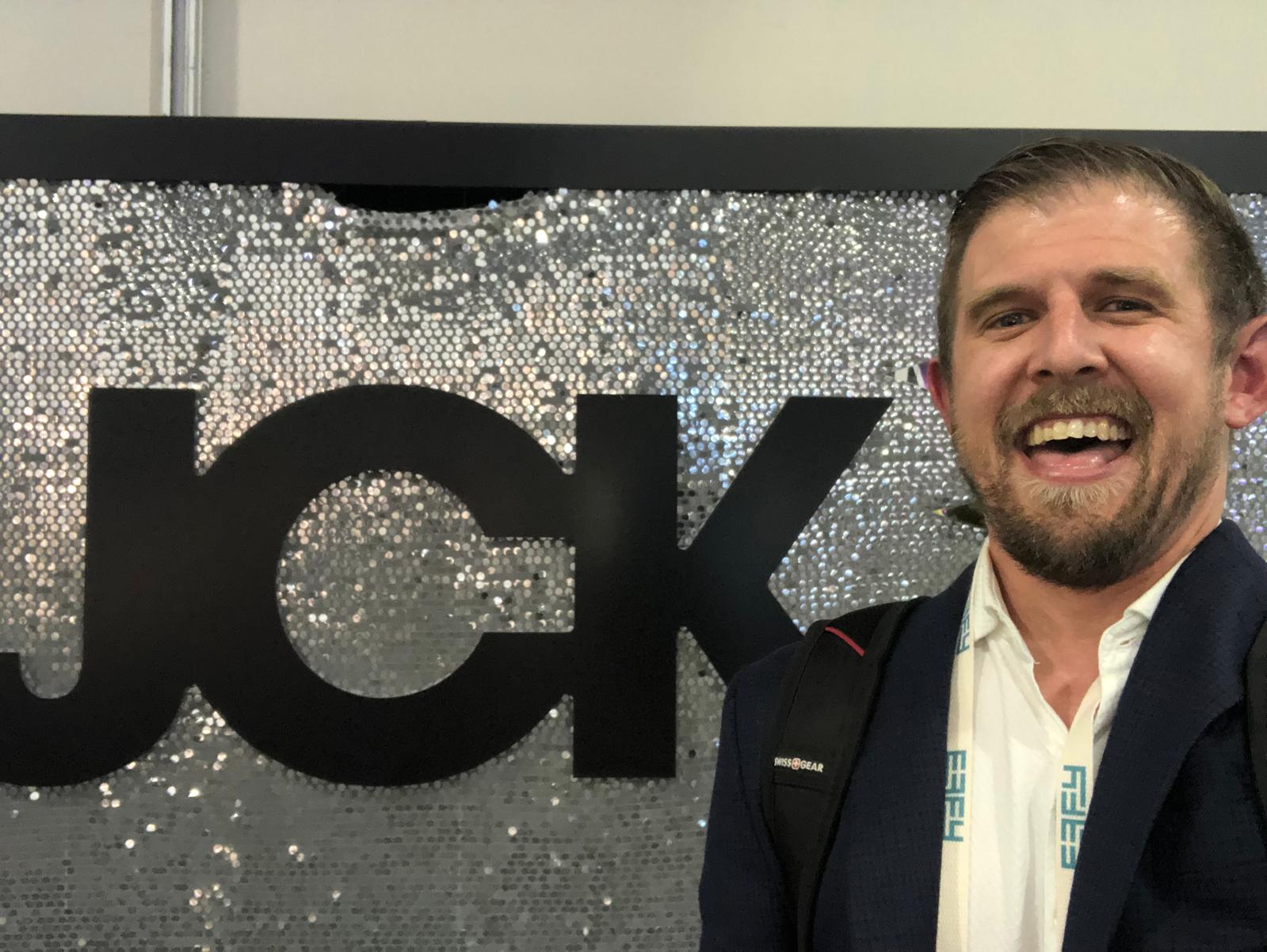
Las Vegas wasn't just hosting a trade show in June 2026,it was hosting the coronation of a market transformation. JCK Las Vegas 2026, held at The Venetian Expo from May 29 to June 1, wasn’t merely a jewelry exhibition; it was an industry-wide diagnostics report in real-time. The consensus emerging from the bustling aisles is clear: the era of "one-size-fits-all" diamond sales is over. In its place stands a polarized, experience-driven market where the middle ground is shrinking, and the extremes of value and volume are diverging.
After analyzing trade insights, speaking with exhibitors, and evaluating consumer behavior at the show, we’ve compiled the definitive 10-point breakdown of what happened at JCK Las Vegas 2026 and how CaratX is positioning global sellers to capitalize on these shifts.
1. Market Confidence Is Improving -
Despite persistent macroeconomic headwinds and tariff fluctuations, the mood in Las Vegas was noticeably lighter than in the previous two years. Both independent jewelers and large retailers expressed cautious optimism for the second half of 2026.
While no one is expecting a V-shaped recovery, the free-fall panic of 2024-2025 has subsided, replaced by a pragmatic acceptance of the "new normal" and strategic planning for gradual growth.
2. The Great Bifurcation: 2-Carat+ Vs. Everything Else -
The defining story of the show was the “K-shaped” bifurcation of the diamond sector. Large diamonds (2 carats and above) sold exceptionally well particularly 10-carat and larger stones driven by scarcity and the fact that supply is now at multi-decade lows.
Conversely, the traditional “bread-and-butter” engagement ring goods (0.70 to 1.20 carats) were difficult to move. This reversal of traditional dynamics forces businesses to adjust: the core of the natural diamond market is no longer entry-level bridging, but premium luxury.
Shop Large Natural Diamonds — https://www.caratx.com/shop
3. Gold Is Taking a Bigger Share of Consumer Spending -
With gold prices at historic highs, a larger percentage of the consumer’s budget is now allocated to the metal rather than the gemstone. The World Gold Council reported a sharp jump in the value of jewelry demand as consumers reallocated their wallets.
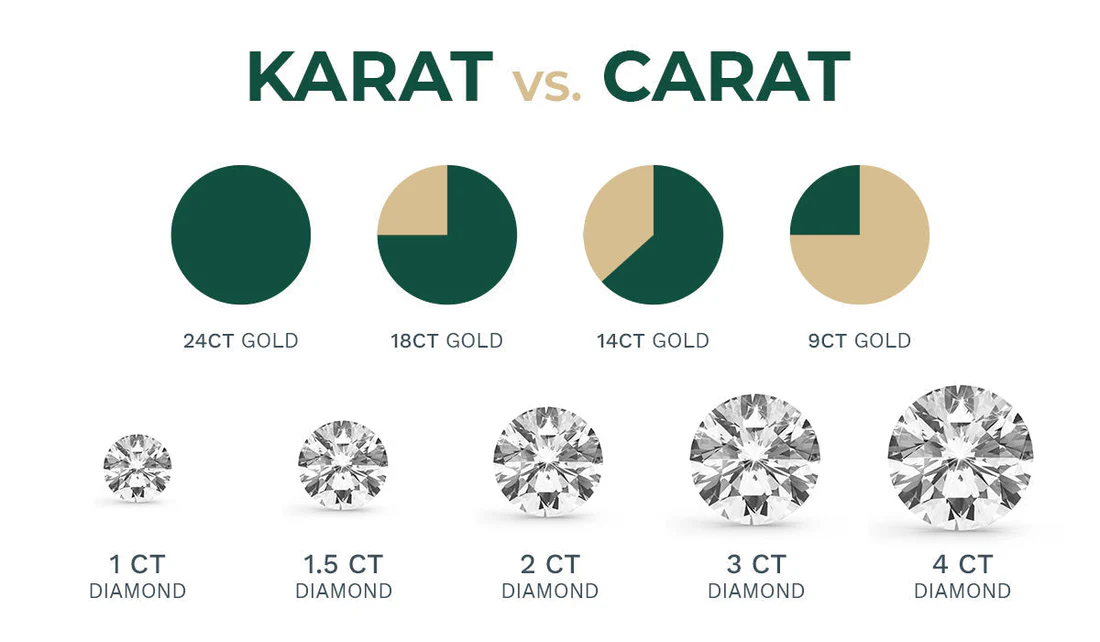
While this pressures smaller diamond sales, it benefits jewelry sales that utilize hollow construction, lighter karat weights, or specific aesthetic designs where gold remains the hero. Volume declined, but value surged, highlighting the need to showcase the tangible asset value of heavy gold pieces.
4. Strong Jewelry Sales ≠ Strong Diamond Revenue
This was a critical takeaway from JCK: the jewelry industry is healthy, but the diamond industry is not the only beneficiary. Traffic in the finished jewelry sectors of the show far outpaced the loose gem sections.
Simply put, people are buying diamonds inside finished jewelry more than they are buying loose stones for custom settings. This suggests that convenience and design are winning over pure customization, aligning with a general consumer preference for "ready-to-wear" luxury.
5. Lab-Grown Diamonds Have Found Their Economic Niche 🔬
The narrative has shifted from "lab-grown vs. natural" to "lab-grown and natural." Laboratory-grown diamonds have cemented their role as a performance category for lower price points, heavily featured in fast-fashion jewelry and affordable engagement rings. Data suggests they have crossed a 50% share in US engagement rings by unit sales. However, as GIA (Gemological Institute of America) evolves its descriptive grading for lab-growns, the market is further separating the technology from the luxury narrative.
Shop Lab Grown Diamonds — https://www.caratx.com/search-results/Lab-grown
6. Natural Diamonds: Rarity Wins in Premium Categories -
The industry saw a "return to roots" at JCK 2026. Natural diamonds remain untouchable in premium categories ($5,000+ price points). According to Edahn Golan, top-end growth remains resilient. Buyers are increasingly skeptical of the environmental claims of lab-created alternatives; studies have shown that lab-grown diamonds produced in coal-heavy regions can emit 500–600 kg of CO₂ per carat, compared to 160kg for mined diamonds, debunking the "green" myth.
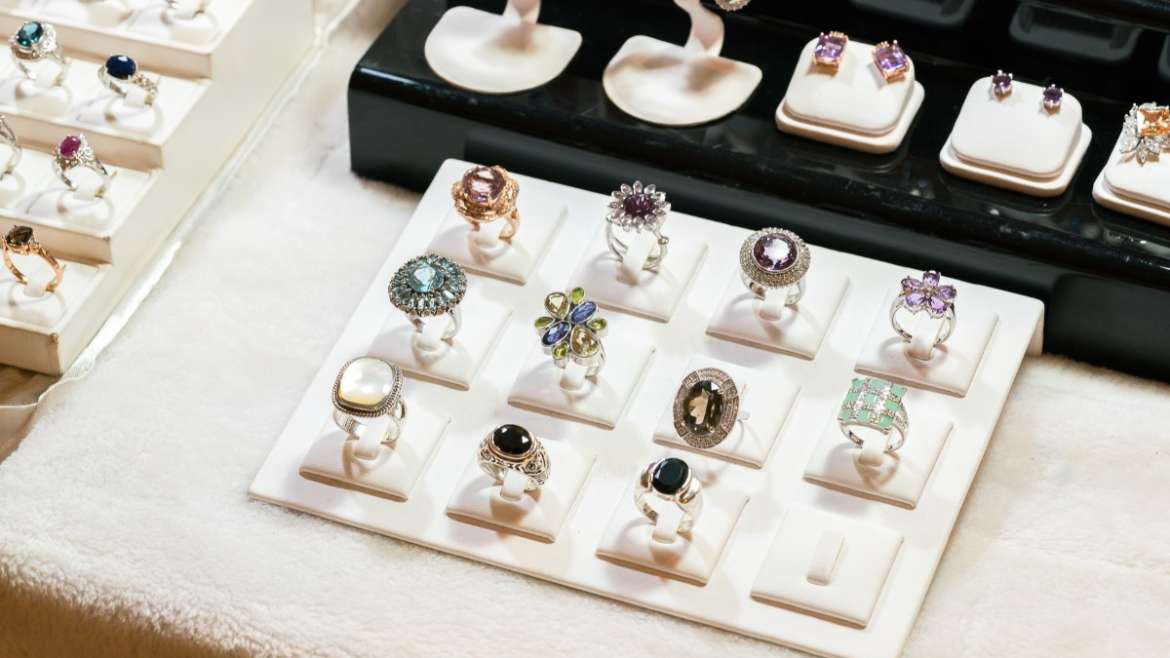
Furthermore, colored gemstones rubies, emeralds, and sapphires are making a massive resurgence as buyers look for unique, heritage-driven investments.
Rare Colored Gemstones — https://www.caratx.com/search-results/gemstones
7. Unique Styles Dominate: Long Ovals, Antique Cuts, and Marquises -
The days of the basic round brilliant are waning in the natural sector (they remain strong for labs). Long Ovals, Marquise, Emerald cuts, and Old Mine Cuts dominated the conversation on the show floor. These elongated shapes offer a visual "size advantage" without the premium carat price and offer a distinct modern silhouette that younger consumers favor over the legacy round brilliant. Vintage-inspired jewelry is also showing massive growth potential across bridal and fine jewelry categories.
Shop Natural Diamonds by Shape — https://www.caratx.com/search-results/Natural
8. The Death of the Engagement Ring as the Sole Driver -
The industry used to live or die by the proposal. JCK 2026 proved that era is ending. Fashion jewelry, self-purchases ("self-love" gifting), anniversary bands, and daily luxury are becoming the major volume drivers. This is a healthier market dynamic, smoothing out seasonality.
9. Traceability and Provenance: The Non-Negotiable Standard
Consumers are demanding to know exactly where their stone came from. Blockchain traceability solutions (like Tracr) and GIA’s Diamond Origin Reports using scientific matching are no longer competitive advantages; they are hygiene factors.
10. Storytelling and Education Are the Ultimate Sales Tools -
Data from JCK shows that retailers who created compelling narratives around the "miracle of nature" outperformed those who competed on price alone. Educational resources provided by the Natural Diamond Council and initiatives by GIA regarding the economic impact of mining communities (supporting roads, schools, and hospitals) are shifting public perception back toward naturals as a positive force for good.
The CaratX Advantage: Selling in 18+ International Countries
The JCK 2026 insights are clear: You cannot survive selling "standard" goods to a domestic audience anymore. You need international buyers, rare inventory, and efficient B2B cross-border tools.
CaratX is the platform bridging this exact gap. Whether you are a manufacturer sitting on 10-carat natural emerald cuts, a colored gemstone miner, or a lab-grown supplier, CaratX offers access to 18+ international markets. We handle the logistics, the compliance, and the buyer aggregation.
Sellers: Stop stacking inventory. Reach global B2B and B2C buyers today.
Buyers: Access rare, traceable gemstones and diamonds at unbeatable pricing.
Start Selling Internationally: https://www.caratx.com/register
View Pricing Plans: https://caratx.com/generic-pages/launch-your-products-on-caratx
Shop the Marketplace: https://www.caratx.com
Frequently Asked Questions (FAQ)
Q1: Why are large diamonds (2ct+) performing so well if the economy is tough? Large diamonds are a store of value and a portable asset. Wealthier consumers are shifting capital into tangible luxury goods, especially given the scarcity of high-quality rough. The supply for these goods is naturally limited (multi-decade low production levels), creating a supply/demand imbalance that pushes prices up regardless of general retail recession.
Q2: Are lab-grown diamonds still a good investment for retailers? Yes, but for volume, not margin. Lab-grown diamonds are an excellent entry-level product for fashion jewelry and lower-budget bridal. They bring customers into the store. However, retailers must not confuse lab-grown demand with natural diamond demand; they serve different psychological needs (affordability/trend vs. heritage/scarcity).
Q3: How can I ensure my diamonds are "conflict-free" and traceable? Look for suppliers who participate in the Kimberley Process Certification Scheme (KPCS) . For advanced traceability, request blockchain-backed solutions like Tracr or Gemological certificates that include origin data, such as the GIA Diamond Origin Report.
Q4: Does the JCK Las Vegas shift mean I should stop selling rounds? Not at all. Round brilliants still represent approximately 62% of diamond sales. However, to differentiate and capture the premium market, a retailer must stock high-quality fancy shapes (Oval, Marquise, Radiant) and vintage cuts. The round diamond is becoming the "commodity"; the fancy shape is the "profit maker."