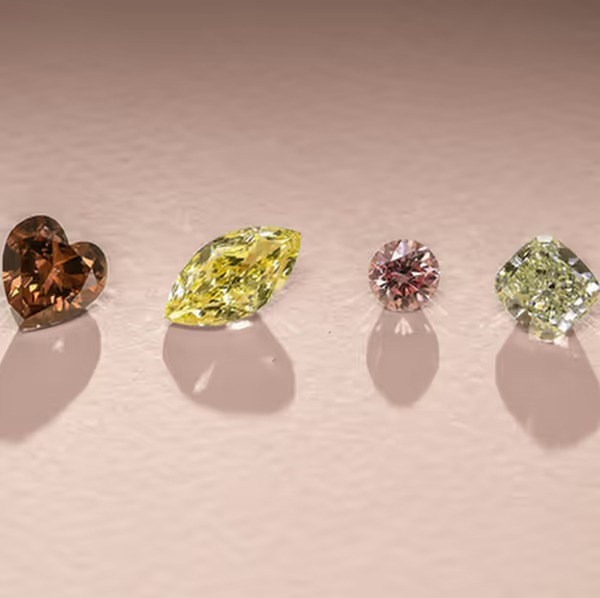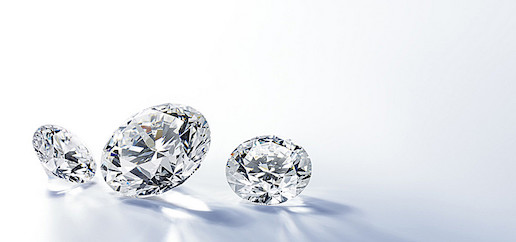

A square diamond is not just a shape, it is a statement of architecture, light, and craftsmanship. Two diamonds can share the same square outline yet possess completely different facet patterns, producing dramatically different levels of sparkle, fire, and scintillation.
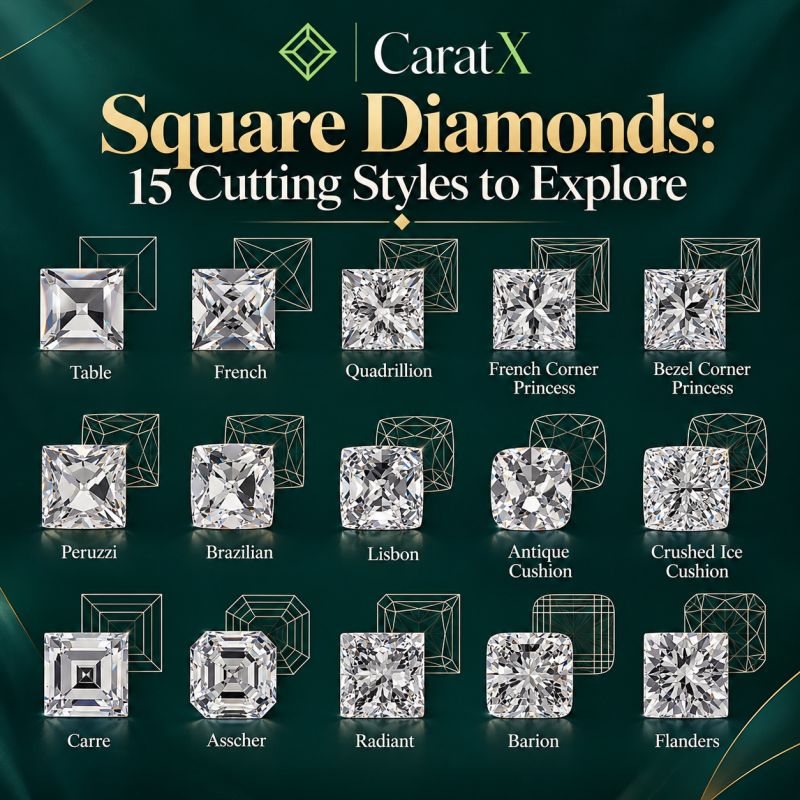
This guide explores 15 square diamond cutting styles, their histories, facet structures, and what each means for buyers and sellers in today's global marketplace.
Introduction: Why Square Diamonds Deserve a Closer Look
Square diamonds have experienced a remarkable resurgence in modern jewellery design. From the sharp, contemporary lines of theprincess cutto the vintage elegance of the Asscher, square shapes offer a geometric sophistication thatround brilliantssimply cannot replicate. Yet the term "square diamond" encompasses a surprisingly diverse family of cutting styles, each with its own facet arrangement, light performance characteristics, and historical lineage.
TheGemological Institute of America (GIA)defines a diamond's cut as the arrangement of its facets and how they interact with light, distinct from its shape, which refers solely to its outline. This distinction is critical: a princess cut and an Asscher cut may both appear square from above, but their internal facet structures produce entirely different visual effects. The princess cut uses a modified brilliant arrangement for intense sparkle, while the Asscher employs a step-cut pattern that creates a "hall of mirrors" effect.
Understanding these differences empowers buyers to make informed decisions and enables sellers to communicate value with precision. Whether you are browsingCaratX's loose diamond collectionor preparing toregister as a selleron our global marketplace, this guide will equip you with the technical and historical knowledge to navigate the world of square diamonds with confidence.
1. Princess Cut: The Modern Square Brilliant
Theprincess cutis the second most popular diamond shape in the world, surpassed only by the round brilliant. Developed in Israel in the late 1970s by Betzalel Ambar, Israel Itzkowitz, and Ygal Perlman, the princess cut was designed to bring the brilliance of a round brilliant into a square silhouette while maximising rough yield.
Facet Structure: The princess cut is classified by GIA as a "square modified brilliant." It typically features 57 to 76 facets, depending on the number of chevron tiers on the pavilion. The crown features either "bezel corners" (with a small diamond-shaped facet) or "French corners" (where star facets point toward the stone corners). The pavilion may have two, three, or four tiers of chevron facets, with larger stones sometimes featuring even more.
Light Performance: Theprincess cutdelivers brilliance that rivals theround brilliant, with electrifying sparkle and scintillation. However, its pointed corners are its most vulnerable feature, making protective settings essential. A four-prong, bezel, or halo setting is strongly recommended.
Buying Considerations: When selecting a princess cut, prioritise symmetry draw an imaginary line down the centre and ensure facets on both halves match. GIA warns that length-to-width ratios should not exceed 1:1.05.
ExploreCaratX's princess cut diamondsto find certified stones that meet these criteria.
2. Quadrillion Cut: The Original 49-Facet Square
The Quadrillion is the direct predecessor of the modern princess cut and represents a pivotal moment in diamond cutting history. In 1979, the same Israeli cutters who would later popularise the princess cut patented a square brilliant with 49 facets under the trademarked name "Quadrillion".
Facet Structure: The Quadrillion's defining innovation was its pavilion configuration: unlike most diamond cuts, its lower-pavilion facets widened toward the culet instead of narrowing, creating a star-like effect on the crown. With 49 facets significantly fewer than the Barion cut's 80-plus facets, the Quadrillion prioritised precision over complexity.
Historical Significance: The Quadrillion was an immediate commercial success, and versions of the cut were soon produced by other manufacturers who invariably added facets. These evolved versions became known as princess cuts. The Quadrillion thus represents the bridge between the experimental square cuts of the 1960s and the dominant princess cut of today.
Buying Considerations: Authentic Quadrillion diamonds are relatively rare in the modern market, as most were rebranded or modified into princess cuts. When sourcing them, verify the facet count and pavilion configuration through certification.
BrowseCaratX's square diamond inventoryfor available options.
3. Asscher Cut: The Art Deco Icon
TheAsscher cutwas developed in 1902 by Joseph Asscher, the legendary Dutch cutter who founded the Royal Asscher Diamond Company. It became the defining diamond cut of the Art Deco movement, admired for its architectural symmetry and deep, mirror-like reflections.
Facet Structure: The original Asscher cut features 58 facets arranged in three rows on the crown and three rows on the pavilion larger and wider-set than those of the emerald cut. The stone is nearly octagonal in shape, with cropped corners that create a distinctive "X" pattern when viewed face-up. In 2001, Edward and Joop Asscher introduced the Royal Asscher cut with 74 facets (16 more than the original), adding two additional rows of eight facets each to enhance brilliance.
Light Performance: Unlike brilliant cuts, theAsscherprioritises clarity and depth over sparkle. It offers a quieter, more sophisticated aesthetic, a "hall of mirrors" effect created by concentric step facets. This makes the Asscher particularly well-suited to higher-clarity diamonds, as its large, open table can reveal inclusions more readily than brilliant cuts.
Buying Considerations: Look for a length-to-width ratio between 1.00 and 1.05 for a true square appearance. The RoyalAsscher cutis internationally patented, with limited angle ranges.
4. Cushion Cut: The Pillow-Shaped Classic
Thecushion cutis one of the oldest diamond shapes still in production, with roots dating to the "old mine cut" of the 1700s. It is characterised by a square or rectangular shape with rounded corners and curved sides, creating a soft, pillow-like silhouette.
Facet Structure: Moderncushion brilliant cutstypically feature 58 facets with four or eight "mains" kite-shaped facets between the girdle and the culet. Some modified versions include additional facets on the crown or pavilion. Thecushion cutoften retains more colour than brilliant cuts, making it particularly well-suited to fancy coloured diamonds.
Light Performance: Cushion cuts offer a softer, more romantic brilliance than princess or radiant cuts. The "crushed ice" variety popularised by celebrity engagement rings features smaller, more numerous facets that create a shimmering, mosaic-like sparkle. According to CaratX market analysis, elongated cushions now trade at a 20% to 25% premium over square versions due to their elegant, finger-lengthening proportions.
The cushion cut's rounded corners offer greater durability than the princess cut's pointed corners, making it a safer choice for everyday wear.
ExploreCaratX's cushion cut diamondsto compare facet patterns and light performance.
5. Radiant Cut:
Theradiant cutwas created in 1977 by Henry Grossbard, who sought to combine the brilliance of a round brilliant with the elegant lines of anemerald cut. It was the first rectangular or square cut to feature a complete brilliant facet pattern on both the crown and pavilion.
Facet Structure: The radiant cut typically features 70 facets, with 25 on the crown and 30 on the pavilion (plus or minus a culet). Its eight-sided outline features cut corners, distinguishing it from the sharp-cornered princess cut. The crown employs step-cut facets, while the pavilion uses brilliant-cut facets, a hybrid approach that maximises both elegance and sparkle.
Light Performance: Theradiant cutis renowned for its allover sparkle and evenly distributed light-and-dark contrast, described as being "like stars twinkling in the night sky". The step-cut crown helps conceal small inclusions, making the radiant cut a forgiving choice for slightly lower clarity grades.
The finest radiant cuts feature table percentages between 61% and 69%, depth ranging from 61% to 67%, and a slightly thicker girdle for durability. ExploreCaratX's radiant cut diamondsfor premium certified options.
6. Peruzzi Cut: The Forgotten Ancestor
The Peruzzi cut is one of the most historically significant yet least understood cuts in diamond history. Named after Vincenzo Peruzzi, a Venetian diamond cutter traditionally credited with inventing the style in the late 1600s, it introduced the 58-facet design that would eventually become the modern round brilliant.
Facet Structure: The Peruzzi cut increased the total facet count from the Mazarin cut's 34 to 58 the same number found in modern round brilliants. It featured 33 crown facets and a cushion-shaped outline. This innovation dramatically increased the diamond's ability to reflect and refract light, marking the first time diamonds displayed the kind of sparkle now associated with modern cuts.
Historical Significance: There is a fascinating historical mystery surrounding the Peruzzi cut: despite numerous references to Vincenzo Peruzzi in 18th- and 19th-century literature, historians have never definitively proven he existed. Whether he was a real person or a name attached to an innovation emerging from Venetian workshops, the cut itself marked a revolutionary breakthrough.
Authentic Peruzzi cut diamonds are exceedingly rare and typically found only in antique jewellery or museum collections. When seeking vintage-inspired square cuts,CaratX's marketplaceconnects buyers with certified antique and estate diamonds from trusted sellers.
7. Barion Cut:
The Barion cut was invented in October 1971 by Basil Watermeyer, a South African diamond cutter who stumbled upon the design while attempting to reduce the "bowtie effect" in elongated diamonds. He named it by combining his first name with that of his wife, Marion, "Barion".
Facet Structure: The Barion cut is a mixed cut comprising a full emerald-cut crown superimposed on a modified brilliant-cut pavilion, with a square or rectangular girdle outline. The original Barion had over 80 facets, significantly more than the later Quadrillion's 49 facets.
Historical Significance: The Barion cut was a forerunner of the princess cut and influenced the development of many modern square brilliant cuts. Watermeyer's invention demonstrated that a square diamond could achieve brilliance comparable to a round brilliant.
Buying Considerations: Barion cuts are relatively rare in the contemporary market. When sourcing them, verify the facet count and cut classification through GIA or IGI certification.
8. Flanders Cut: The Modern Square Brilliant
The Flanders cut is a relatively recent innovation, created in 1983 by a Belgian gemmologist. It is a full square brilliant cut designed to leverage the octahedral shape of rough diamond crystals, resulting in less weight loss during cutting.
Facet Structure: The Flanders cut features 61 facets, 28 on the crown and 28 on the pavilion, plus a table and culet, totalling 57 facets in some descriptions. It takes approximately one-third more time to cut than a round brilliant, reflecting its complexity and precision.
Light Performance: The Flanders cut offers brilliance comparable to a round brilliant while maintaining a distinctive square silhouette with cut corners. Its design allows for new jewellery creations in closed settings and modern designs.
Buying Considerations: As a niche cut, Flanders diamonds are less widely available than princess or radiant cuts. They appeal to buyers seeking something genuinely different.
9. Carre Cut: The Classic Square
The Carre cut is a classic square-shaped diamond with straight edges and sharp corners. It is one of the cleanest and most minimalist square cuts available, often used in eternity bands and contemporary jewellery designs. Its simplicity makes it an excellent choice for buyers who prioritise geometric precision over elaborate sparkle.
Buying Considerations: Carre cuts are typically step-cut or brilliant-cut, depending on the manufacturer. When selecting, pay close attention to corner sharpness and edge symmetry.
10. Table Cut:
The table cut is one of the oldest diamond cutting styles, dating to the 14th century. It features a single large flat facet (the "table") on top of a roughly square or rectangular stone. While it lacks the brilliance of modern cuts, the table cut is prized for its historical authenticity and is sometimes reproduced in antique-style jewellery.
Buying Considerations: Table cuts are primarily collector's items. Their historical value often outweighs their light performance.
11. French Cut:
The French cut is a square or rectangular cut with a distinctive cross-shaped facet pattern on the crown. It is characterised by clean, simple lines and is often used in vintage-inspired jewellery. The French cut typically features fewer facets than brilliant cuts, giving it a more subdued, elegant sparkle.
Buying Considerations: French cuts are popular in Art Deco and Edwardian reproduction jewellery. They work beautifully in channel and bezel settings.
12. Barion Cut (Revisited):
As discussed in section 7, the Barion cut's influence extends far beyond its original patent. Variations of the Barion design including the Barion brilliant and Barion cushion continue to be produced today. These variations typically feature modified facet counts and proportions while retaining the distinctive emerald-cut crown and brilliant pavilion combination.
13. Bezel Corner Princess:
The bezel corner princess is a variation of the standard princess cut in which the vulnerable pointed corners are replaced with small bezel facets. This modification enhances durability without significantly compromising brilliance. It is an excellent choice for buyers who love the princess cut's sparkle but worry about corner chipping.
14. French Corner Princess: A Softer Variation
The French corner princess features star facets that point toward the stone corners, usually extending about 50% of the distance from the table corner to the girdle corner. This variation produces a slightly softer, more nuanced sparkle pattern than the standard bezel corner princess.
15. Square Emerald Cut: The Rectangular Square
The square emerald cut sometimes called the "square step cut" applies the emerald cut's concentric step facets to a square outline. It is distinguished from the Asscher cut by its length-to-width ratio and facet proportions. While the Asscher is typically cut as a perfect square, the square emerald cut may be slightly rectangular.
How to Choose the Right Square Diamond Cut -
Selecting the right square diamond involves balancing aesthetic preferences, durability requirements, and budget considerations. Here are the key factors to consider:
Light Performance vs. Geometric Precision -
Brilliant-style square cuts (princess, radiant, Quadrillion) prioritise sparkle and fire. Step-cut square diamonds (Asscher, square emerald) prioritise clarity and depth. Your choice should reflect whether you value maximum brilliance or architectural elegance.
Durability -
Pointed corners are vulnerable to chipping. If you lead an active lifestyle or plan to wear the diamond daily, consider cuts with cropped or bezel corners (Asscher, radiant, Flanders) or ensure protective setting styles.
Certification -
Always insist on certification from a recognised laboratory such as GIA or IGI. Certification verifies the diamond's cut grade, proportions, and facet arrangement. BrowseCaratX's certified loose diamondsfor fully documented options.
Market Trends -
According to CaratX market analysis, elongated fancy shapes including long cushions and radiants are commanding premium prices, while princess cuts show signs of renewed demand after a period of weakness. Understanding these trends can help both buyers and sellers make strategic decisions.
Selling Square Diamonds on CaratX -
CaratXconnects diamond, gemstone, and jewellery sellers with buyers in over 18 international countries. Our marketplace reduces the costs of online selling while providing access to a global network of B2B and B2C buyers.
For Sellers:
Register as a CaratX sellerto list square diamonds, fancy shapes, and jewellery.
Reach buyers across 18+ countries through our integrated marketplace.
For Buyers:
Shop certified natural diamondson our marketplace.
Explore lab-grown diamondsat competitive prices.
Browse engagement ringsand custom jewellery.
Frequently Asked Questions -
What is the difference between a princess cut and a Quadrillion cut?
The Quadrillion was the original 49-facet square brilliant patented in 1979. The princess cut is the broader category of square modified brilliants that evolved from the Quadrillion, typically featuring more facets and chevron tiers on the pavilion.
Which square diamond cut is the most durable?
The Asscher cut and cushion cut are generally the most durable square cuts due to their cropped or rounded corners. The princess cut is the least durable because of its sharp, pointed corners.
Are square diamonds more expensive than round diamonds?
Not necessarily. Square cuts like the princess and cushion often cost less per carat than equivalent round brilliants because they retain more rough weight during cutting. However, premium Asscher and radiant cuts with excellent proportions can command comparable prices.
Can I sell square diamonds on CaratX?
Yes. CaratX welcomes sellers of loose diamonds, gemstones, and fine jewellery. Visit ourseller registration pageto get started.
What should I look for in a square diamond's certificate?
Look for the cut grade (for round brilliants), symmetry, polish, and proportions. For fancy shapes like square cuts, GIA does not assign cut grades, so evaluate proportions and light performance manually or with expert guidance.
Recommended Reads from CaratX -
Diamond Shape Ratios: Why Proportion Matters More Than You Think— Learn how length-to-width ratios affect beauty and value.
All You Need to Know About Cushion Cut Diamonds— A comprehensive guide to cushion cuts.
The Art of Buying Loose Diamonds: Your Buyer's Guide— Master the fundamentals of diamond buying.
Ready to explore the world of square diamonds? Browse CaratX's certified diamond collection, register as a seller, or contact our team for personalised guidance.
Start selling to diamond buyers in 18+ international countries today.