
A pinksapphire engagement ring is one of the most romantic, durable, and increasingly sought-after choices in bridal jewelry but only when you understand what you are buying.
This guide covers the full picture: the gemstone’s history and symbolism, its geology and durability, the factors that determine value, treatment disclosures, care requirements, style considerations, and the questions buyers ask most often.
What Is a Pink Sapphire?
Pink sapphireis a variety of the mineral corundum (aluminum oxide, Al₂O₃). Corundum is the same mineral species that produces ruby; the distinction is one of color and trade convention. Red corundum is called ruby, while all other colors of gem-quality corundum including pink are called sapphire. Pink sapphires range from light red (pink) to light purple, with weak to intense saturation, and fall outside the color ranges used for ruby or purple sapphire.
The color ofpink sapphirecomes from trace amounts of chromium, the same element that gives ruby its red hue, just in lower concentrations. This shared chromophore is why the boundary between “pink sapphire” and “ruby” can be debated in the trade.
Western laboratories such as GIA generally require a dominant red hue with sufficient saturation before issuing a ruby report, whereas some Asian labs have historically been more permissive. For buyers, this matters: a stone sold as pink sapphire may sit close to the ruby color range, and laboratory classification affects both price and market positioning.
Beyond pink, corundum occurs in a wide spectrum of “fancy” colors orange, yellow, green, purple, violet, and colorless and each category has its own color range, causes of color, and market. The rarest and most valuable of the pink-orange family is padparadscha sapphire, an extremely rare and collectible variety that is a mix of pink and orange, typically ranging from light to medium pinkish orange to orange-pink .
History and Symbolism:
Sapphirehas been cherished as a symbol of nobility, truth, sincerity, and faithfulness for centuries. The custom of exchangingsapphire engagement ringsas tokens of commitment dates back to Ancient Rome, and in the medieval period sapphires were believed to act as a test of truthfulness: if the color remained strong, the wearer was considered sincere .
Pink sapphire carries additional layers of meaning. In contemporary gemstone symbolism, pink sapphire is associated with peace between lovers, wisdom amid hardships, and intense passion; it is also believed to hold protective powers that shield the wearer from harm.
The romantic blush ofpink sapphirehas made it a meaningful and modern engagement ring choice, worn by public figures including Queen Elizabeth, Grace Kelly, and Lady Gaga. Pink sapphire is sometimes called the “Intelligence Stone,” believed to amplify passion, truthfulness, knowledge, and wisdom in its wearer.
Padparadscha sapphires the pink-orange variety are especially associated with creativity, energy, and good health in gemological lore. The wordpadparadschaderives from the Sinhalese word for “lotus flower,” referencing the blossom’s pink-orange petals. Princess Eugenie of England brought padparadscha sapphire into the modern engagement-ring conversation with a ring featuring the stone surrounded by diamonds .
For buyers exploring the symbolic side of colored gemstones, CaratX’s guide to fancy sapphires explains how different corundum colors carry distinct emotional and market identities .
Durability and Wearability: Why Pink Sapphire Belongs in an Engagement Ring
The single most practical reason to choose pink sapphire for an engagement ring is hardness and toughness. Corundum ruby and sapphire ranks 9 on the Mohs hardness scale, second only to diamond. Importantly, corundum also has excellent toughness and no cleavage, meaning it resists breaking when struck, which makes it a great choice for rings and other mountings subject to daily wear.
The Mohs scale is not evenly spaced: diamond is only one number away from corundum, but it is many times harder than gems in the corundum family. In practical terms, pink sapphire is resistant to cracks, chips, and scratching, making it a smart and stylish choice for everyday wear. Corundum is also stable under normal wearing conditions, resistant to the effects of heat, light, and common chemicals.
For a deeper comparison of how hardness translates into jewelry longevity, see CaratX’s analysis of the Mohs scale and gemstone durability in fine jewelry, linked from itsyellow sapphireguide.
One caveat: treatment type affects care requirements. Untreated and heat-treated sapphires are very durable. Lattice-diffusion-treated stones may have shallow color penetration that can be removed by surface damage or re-cutting, and fracture-filled stones can be damaged by mild acids. Buyers should always ask about treatments and follow care instructions specific to the stone .
Pink Sapphire Engagement Ring Buying Guide -
Color: The Most Important Value Factor
Color has the greatest influence on a sapphire’s value, and preferred stones have strong to vivid saturation. Pink sapphires come in many shades, from the palest blush to striking hot pink. Within the pink category, connoisseurs distinguish between light pink sapphire (soft, pastel, low-to-moderate saturation, ethereal and versatile) and fancy pink sapphire (vivid, intense, medium-to-medium-dark tone, bold and statement-oriented) .
For buyers who want maximum color impact and rarity, fancy vivid pink is the target; for those who want a gentle, diamond-alternative look, light pink is the more practical entry point.
The rarest pink-family sapphire is padparadscha, whose pinkish-orange to orange-pink color is famously difficult to describe and even harder to source. Fine untreated Sri Lankan padparadscha stones can command extraordinary per-carat prices, and high-value purchases should be accompanied by a report from a recognized laboratory such as GIA, AGL, or SSEF. Padparadscha over 10 carats is considered exceptional .
Cut, Shape, and Sparkle -
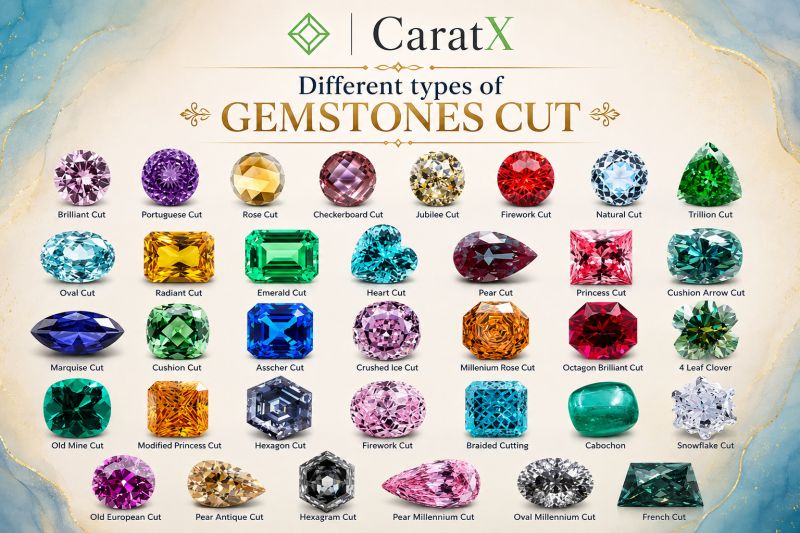
The cut gives a gemstone symmetry and reveals its color and brilliance. For maximum sparkle in a pink sapphire engagement ring, choose aradiant or mixed cut: these enable generous quantities of light to enter the stone, allowing the sapphire to glisten unabashedly. The shape is the outline seen from above; any shape can complement pink sapphire’s radiance, but popular engagement-ring choices are oval, round, and cushion shapes.
CaratX’s pink sapphire inventory allows buyers to filter by shape and cutting style, and its fancy sapphire guide notes that pink sapphires are increasingly scarce in fine, unheated qualities, so cut quality becomes even more important when evaluating a stone .
Clarity and Inclusions -
Pink sapphires typically contain some inclusions, and clarity grading for colored gemstones is more forgiving than for diamonds. The key is that inclusions should not compromise brilliance, durability, or transparency. Eye-visible inclusions that break the surface can affect toughness; inclusions that create a cloudy or milky appearance reduce value.
Because pink sapphire is a type of corundum, the same clarity principles that apply to sapphire generally apply here. GIA’s sapphire quality-factor guide explains that clarity is evaluated in the context of the stone’s color and overall appearance, not as an isolated grade .
Carat Weight and Rarity -
Fine pink sapphires are rare at every size, but large, vivid, unheated stones are exceptionally scarce. Unheated vivid pink sapphire from Sri Lanka at 1 carat and above with GIA documentation commands the highest per-carat prices in the pink sapphire family. For any stone represented as unheated above a modest price threshold, GIA documentation is strongly advisable; for investment-grade purchases unheated, Sri Lankan, 1 carat-plus, vivid GIA documentation is effectively mandatory .
Buyers should understand that carat weight interacts with color and treatment. A 2-carat heated pink sapphire may cost less than a 1-carat unheated stone of exceptional color. The right balance depends on whether the priority is size, rarity, or investment potential.
Treatments: Heated, Infused, and What to Disclose
Pink sapphires are commonly heated and/or infused to improve color and clarity. Heating is a standard, market-accepted treatment for sapphire and is stable under normal wearing conditions. Diffusion treatments such as beryllium diffusion, which can turn pink sapphire orange or pinkish-orange (padparadscha) are more invasive and affect durability and value .
The American Gem Society notes that heat-treated sapphires maintain their coloration for years and that treatment may also improve clarity, but other treatments such as irradiation can produce a “padparadscha” color that may fade with sunlight exposure . Buyers should insist on full treatment disclosure and a report from a recognized laboratory for any high-value pink sapphire..
Setting, Metals, and Style: Designing the Ring -
Metals -
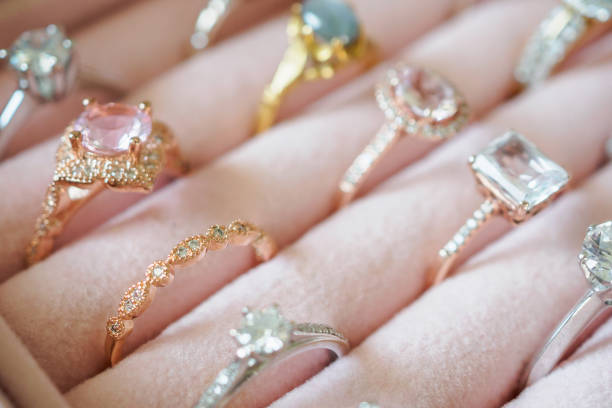
Pink sapphire is exceptionally versatile in metal choice. It looks just as gorgeous against white gold or platinum as it does on rose or yellow gold bands. White metals enhance the cool, crisp tones of light pink and fancy pink stones; rose gold amplifies the romantic blush; yellow gold creates a warm, vintage-inspired contrast.
Setting -
The setting holds the center stone securely and determines how much light reaches the gem. The prong setting is popular because it holds the gem aloft on metal prongs, providing optimal exposure for the sapphire as it sparkles. For a durable pink sapphire, the setting is largely a matter of personal preference and how much attention you want drawn to the stone.
Accent Stones and Bands -
Accent diamonds or gemstones add style and accentuate the center stone. Apave bandis a wonderful accent for pink sapphires: the addition of many tiny stones attracts more light to play off the gemstone for extra brilliance. Halo settings with pear-shaped or round diamonds can make a fancy pink sapphire feel larger and more glamorous.
Style Personality -
The style of an engagement ring reflects the wearer. For minimalism and elegance, a striking solitaire with a classic oval-shaped pink sapphire lets the gem’s color and cut speak for themselves.
For maximum glamour, a radiant-cut hot pink sapphire surrounded by a halo of pear-shaped diamonds creates a show-stopping centerpiece. CaratX’s collection of sapphire engagement rings and fancy sapphire jewelry can be browsed by style, shape, and metal to match these directions.
Care and Cleaning: Keeping Pink Sapphire Brilliant
Pink sapphire is durable, but it is not indestructible. Follow these guidelines from gemological authorities:
Warm, soapy water is always safe for cleaning sapphire .
Ultrasonic and steam cleaners are usually safe for untreated, heat-treated, and lattice-diffusion-treated stones. Fracture-filled, cavity-filled, or dyed material should only be cleaned with a damp cloth .
Avoid boric acid powder, which will etch the surface of even untreated corundum, and avoid mild acids like lemon juice on fracture-filled or dyed stones .
For routine care, use a soft cloth for weekly gentle cleanings and a mild soap solution for monthly deeper cleans, with professional cleaning once or twice a year .
Store pink sapphire jewelry separately to avoid scratches from harder stones especially diamond, which can abrade corundum.
CaratX’s blog includes care guidance for fancy sapphires and other colored gemstones, and its product pages for sapphire rings and jewelry can help buyers match care routines to specific settings and treatments .
Recommended Reads from CaratX -
Fancy Sapphires: The Colorful Side of the Sapphire World— a deeper dive into pink, padparadscha, yellow, and other fancy sapphire varieties.
A Detailed Guide to Light Pink vs. Fancy Pink Sapphire— color terminology, market value, and how to choose between pastel and vivid pinks.
The Ultimate Guide to Pink Gemstones & Diamonds— how pink sapphire compares with pink diamond, morganite, and other pink stones.
FAQs: Pink Sapphire Engagement Rings
Is pink sapphire good for everyday wear? Yes. Pink sapphire ranks 9 on the Mohs hardness scale and has excellent toughness with no cleavage, making it one of the most durable colored gemstones for daily wear .
Is pink sapphire the same as ruby? They are the same mineral species—corundum—but differ in color and trade classification. Red corundum is ruby; pink corundum is pink sapphire. Western labs generally require a dominant red hue with sufficient saturation before calling a stone ruby .
What is the rarest pink sapphire? Padparadscha sapphire, a pink-orange to orange-pink variety, is the rarest and most valuable of the pink sapphire family. Fine untreated Sri Lankan padparadscha can command exceptional prices per carat .
Are pink sapphires usually treated? Many pink sapphires are heated to improve color and clarity, and some are diffusion-treated. Heating is standard and stable; diffusion treatments are more invasive. Always ask for treatment disclosure and a laboratory report on high-value stones .
How do I clean a pink sapphire ring? Use warm, soapy water and a soft brush. Ultrasonic and steam cleaners are usually safe for untreated, heat-treated, and lattice-diffusion stones, but fracture-filled or dyed stones should only be wiped with a damp cloth .
Do pink sapphires hold their value? Fine, unheated, vividly colored pink sapphires especially those with GIA documentation have strong value retention and are increasingly scarce. Heated commercial-grade stones are more affordable but less investment-oriented .
What is the best metal for a pink sapphire engagement ring? All metals work well. White gold and platinum create a cool, crisp contrast; rose gold enhances the romantic blush; yellow gold creates a warm, vintage look.