
The mood across international diamond hubs is shifting. After three challenging years marked by price corrections, inventory gluts, and cautious consumer spending, the global diamond industry is showing genuine signs of life. The Las Vegas jewelry shows JCK, Couture, and the Luxury show provided the spark that luxury jewelers and wholesalers needed, translating optimistic sentiment into real purchase orders, especially in the premium categories.
As the second quarter of 2026 unfolds, data from authoritative industry sources confirms a complex but undeniable reality: the diamond market is not just stabilizing, but fundamentally bifurcating. The demand for large stones and unique cuts is outstripping supply, while mid-tier segments remain under pressure from macroeconomic headwinds and the continued rise of lab-grown alternatives.
For professionals in the diamond trade, this environment offers a clear strategic imperative. Success requires access to international buyers, efficient cross-border commerce, and inventory that aligns with emerging consumer preferences. This is where next-generation B2B marketplaces like CaratX are transforming how the industry operates, connecting sellers to buyers in over 18 countries.
In this analysis, we dissect the regional trends, the soaring demand for fancy shapes, the structural shifts in the natural vs. lab-grown debate, and what it all means for your business strategy.
The Las Vegas Effect:
The June 2025 edition of the Las Vegas jewelry shows served as the definitive confidence barometer for the global trade. Exhibitors at the high-end Luxury show reported better-than-expected traffic and sales, reflecting what analysts describe as a K-shaped recovery. In this pattern, high-end luxury goods experience robust demand while lower and mid-tier products continue to struggle.
The show revealed a "split diamond market." Long fancies and large round stones sold strongly amid shortages and steady demand, but the "bread-and-butter" goods that form the bulk of many dealers' inventory remained weak. The after-effects of these Las Vegas shows have rippled across the globe, with luxury jewelers placing new orders and purchasing inventory directly, providing a much-needed boost to the cash flow of manufacturers.
Regional Deep Dive, Where Are the Opportunities?
The post-Vegas market dynamics vary significantly by region. Here is how the major hubs performed.
United States: The Engine of Demand
Performance: Strong The US consumer, which accounts for nearly 50% of global diamond jewelry consumption, continues to act as the anchor for the entire industry. Following the Vegas shows, American luxury jewelers have been actively replenishing inventory. The sweet spot remains diamonds above 2 carats, specifically in F-I colors and VS1-SI2 clarities, where supply is tightening.
Demand Drivers: Consumers are seeking larger, high-quality stones as value-retaining assets. There is also a noticeable shift back towards natural diamonds in lower colors.
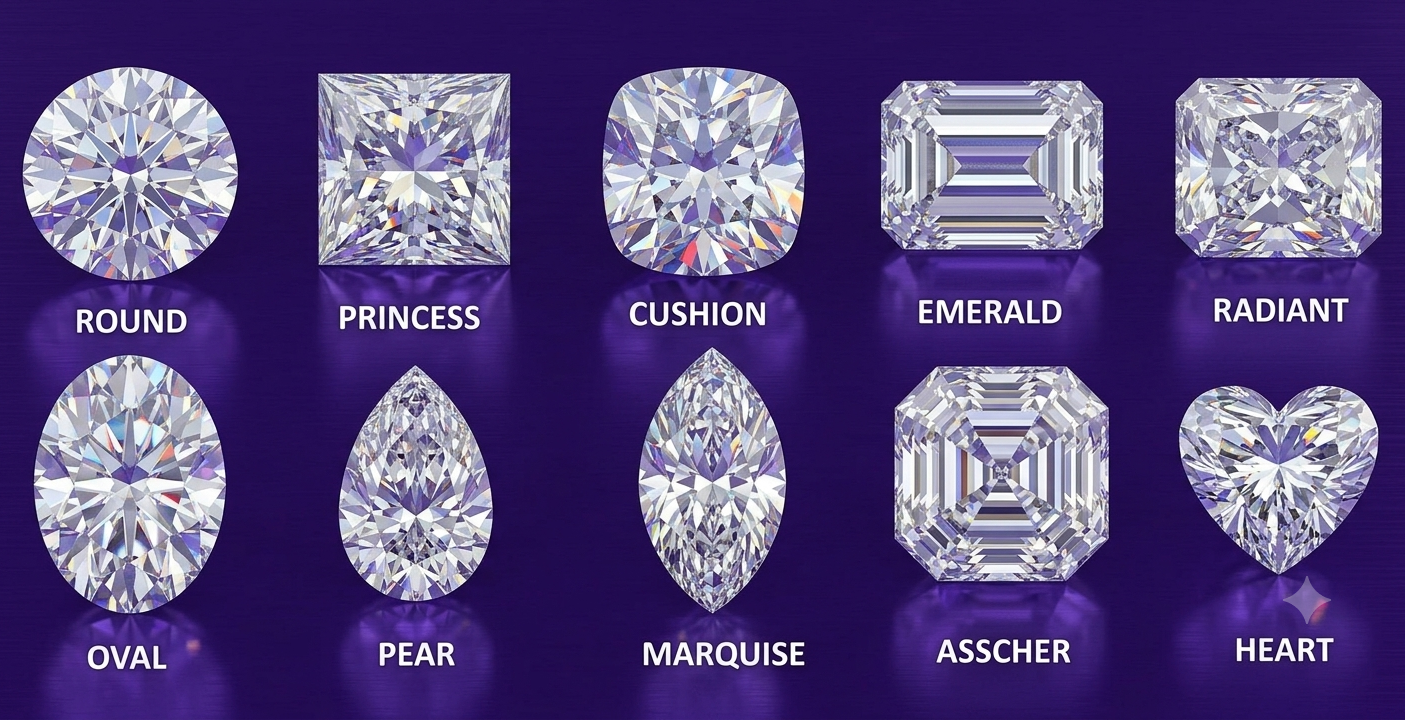
Product Focus: Elongated Ovals with good proportions, large Marquises, and Emerald cuts in D-I colors with VS-SI clarities are trading particularly well.
Strategy: For sellers, tapping into the US market requires listing premium inventory on platforms that US buyers trust. CaratX's marketplace offers direct access to this lucrative and deep consumer base, bypassing traditional, costly distribution layers.
Belgium:
Performance: Improving The Antwerp World Diamond Centre (AWDC) is showing early signs of stabilization after a brutal few years. Total trade value for 2025 closed at $19.1 billion, down from $24.5 billion in 2024 but showing a notable easing of the decline in the second half of the year.
Sentiment is being boosted by luxury brands urgently sourcing 5-carat+ diamonds for high-end collections. There is a pronounced shortage of long fancy shapes like Ovals, Emeralds, and Pears in larger sizes with excellent make.
Data Point: Polished diamond prices increased internationally by 11.6% year-on-year in Q1 2026, per AWDC data.
Macro Boost: Tariff exemptions on European-polished diamonds are attracting foreign buyers to Antwerp.
Israel:
Performance: Subdued but Specialized Business remains relatively quiet, with fewer Israeli companies attending the Las Vegas shows this year due to ongoing regional tensions and shifting trade flows. Net exports of rough and polished diamonds fell 23% year-on-year during the first eight months of 2025.
However, the market maintains pockets of strength. Specialized dealers focusing on 2-carat-plus diamonds, fancy shapes, and specialty cuts continue to find buyers. The quiet period highlights the need for digital trading, and many Israeli traders are turning to platforms like CaratX to maintain global reach without geographic constraints.
India: The Manufacturing Giant Adapts
Performance: Cautious but Strategic India, the world's largest diamond cutting and polishing center, remains a bellwether for global supply. Manufacturers continue to enforce strict supply control to prevent an inventory glut.
Sweet Spot: Large diamonds above 7 carats are performing well, as are elongated fancy shapes and unique jewelry designs. There is healthy demand for stones above 1.50 carats.
The Lab-Grown Milestone: In a historic shift, India exported 18.8 million carats of polished lab-grown diamonds (LGD) in FY 2025-26, surpassing natural diamond exports of 16 million carats by volume. However, by value, natural diamonds continue to command a massive premium, averaging $760 per carat versus just $60 per carat for lab-grown goods.
Outlook: Indian manufacturers remain cautious, but the domestic jewelry market is stable, and the EU-India trade deal has improved sentiment.
Hong Kong & Mainland China:
Performance: Cautiously Optimistic Buyers in Hong Kong remain cautious, preferring smaller quantities to avoid inventory buildup. However, there are early signs of a recovery in the mainland China market.
Consumer Shift: A crucial trend emerging from the region is the rapid divergence of natural diamond and lab-grown diamond buyers into two separate consumer groups, each with distinct motivations.
Market Data: Hong Kong's first-quarter polished exports increased 7% to $2.71 billion. A recent trade survey indicates a positive outlook, particularly with the return of tourists from mainland China and heightened seasonal gifting demand.
Fancy Shapes Continue to Outperform, Why Marquise, Oval, and Emerald Cuts Are Soaring
Perhaps the most significant trend of 2026 is the ongoing outperformance of fancy shape diamonds over traditional rounds. This is not a fleeting fashion; it represents a structural shift in consumer desire for uniqueness, elongation, and character.
The New Hierarchy of Premium Fancy Shapes -
1. The Marquise Cut – The New Most Expensive Shape High-quality Marquise diamonds are now in critically short supply. The RapNet data confirms that the Marquise has overtaken other shapes to become the most expensive fancy shape across several categories. The long, elegant silhouette maximizes carat weight for a stunning finger presence, making it a favorite among luxury buyers seeking dramatic effect.
2. Long Cushion Cuts – Trading at a 20% to 25% Premium The desire for elongation has made the Long Cushion cut a superstar. These diamonds are extremely easy to sell and are commanding a premium of 20% to 25% over square cushions. Retailers are actively seeking these stones because consumers prefer the modern, slender look over the chubbier square cushion.
3. Elongated Ovals – The Evergreen Favorite In the US market, elongated Oval diamonds with good proportions in D-I colors and VS-SI clarities are performing "very well." Ovals offer a perfect blend of classic brilliance and a slimming, elongated shape.
4. Radiant & Emerald Cuts – Rare and Sought After Long Radiant cuts and elongated Emerald cuts are also difficult to find because demand remains consistently strong. Very well-cut fancy shapes in these categories are becoming increasingly rare and are commanding significant premiums over poorly cut counterparts.
Start selling your fancy shapes on CaratX today.
The Data Behind the Recovery – Key Statistics
Authoritative sources provide the statistical backbone for the market's cautious optimism.
Polished Diamond Price Recovery: According to the Antwerp World Diamond Centre (AWDC), polished diamond prices increased by 11.6% year-on-year in the first three months of 2026, indicating a "gradual recovery" in the polished sector.
Larger Stones Remain Resilient: While the RapNet Diamond Index for 1-carat diamonds fell 2.3% in December 2025, the 3-carat index actually edged up by 0.3%, confirming the resilience of the premium segment.
Russian Sanctions & Trade Flows: Despite G7 sanctions, Russian rough diamond production has remained stable. These diamonds are now being redirected to markets like India and Dubai, where no sanctions apply. For Antwerp, this has resulted in the loss of roughly 30% of its rough diamond imports.
Lab-Grown by Volume, Natural by Value: India's FY 2025-26 data shows lab-grown diamonds surpassed natural by carat volume (18.8M vs 16M), but natural diamonds commanded an average of $760 per carat versus a steeply discounted $60 per carat for lab-grown, underscoring the vast value gap.
Natural vs. Lab-Grown – Two Markets, Two Strategies
The "tipping point" has arrived, but not in the way many predicted. The market bifurcation is now complete.
The Natural Diamond Market: Positioned as rare, finite, and emotional. It continues to dominate the investment-grade and high-end bridal segments. The U.S. accounts for half of world consumption, but new markets like India and China are expected to lead future growth.
The Lab-Grown Diamond Market: Positioned as accessible, affordable, and technically advanced. Lab-grown diamonds have captured over one-third of the market in the US by value and now exceed natural diamonds in export volume from India. However, rapidly falling prices (down 60-85% from natural equivalents) make the LGD market highly volume-driven and challenging for inventory holders.
Strategy for Sellers:
Natural Diamonds: Focus on exclusivity, certification (GIA), and unique characteristics (fancy shapes, antique cuts).
Lab-Grown Diamonds: Focus on rapid turnover, volume, and specific "fashion jewelry" niches rather than long-term inventory holding.
How CaratX Empowers Your Global Diamond Trade -
In a market defined by regional disparities and the need for speed, a digital-first B2B strategy is no longer optional, it's essential. CaratX provides the infrastructure for modern diamond trading.
Reach 18+ International Countries: Break free from local market constraints. Register as a seller to connect with vetted B2B and B2C buyers from the US, Belgium, India, Hong Kong, and beyond.
Reduce Selling Costs: Traditional supply chains are expensive. Sell on CaratX to leverage a platform designed to minimize e-commerce costs for diamonds, gemstones, and jewelry.
Diversify Your Inventory: Beyond diamonds, you can shop gemstones at competitive prices or list your own unique jewelry pieces to attract a wider audience.
Secure Payments & Logistics: CaratX has launched complete B2B payments solutions, offering seamless checkout and transaction security for global businesses.
Scale Your Business: Whether you are a wholesaler, manufacturer, or retailer, the CaratX Seller Plan provides the tools to grow your international sales volume.
Ready to start selling internationally? Click here to register on CaratX.
FAQs
Q1: What is the difference between a lab-grown diamond and a natural diamond? A natural diamond is formed over billions of years under high-pressure, high-temperature conditions deep within the Earth's mantle. A lab-grown diamond has an identical chemical and physical structure but is created in a matter of weeks using advanced technological processes (HPHT or CVD). The GIA provides educational resources on distinguishing natural from lab-grown diamonds.
Q2: Why are fancy shape diamonds more expensive than rounds now? Historically, rounds were always the most expensive due to high demand. However, supply dynamics have shifted. Manufacturers have cut fewer fancy shapes due to lower rough supply, leading to a shortage of well-proportioned Ovals, Marquises, and Emeralds, while consumer demand for these unique, finger-lengthening shapes has surged.
Q3: Is the diamond market actually recovering in 2026? The recovery is "K-shaped" and segmented. Premium categories (2+ carats, D-I colors, VS-SI clarities, fancy shapes) are experiencing genuine price growth and tight supply. However, the market for smaller diamonds (under 0.50 carats) and lower-quality goods remains weak due to competition from lab-grown diamonds and cautious consumer spending.
Q4: Are natural diamonds conflict-free? The diamond industry has implemented the Kimberley Process Certification Scheme, a UN-endorsed international system. According to the GIA, 99% of diamonds in the global marketplace are now certified conflict-free. Many reputable retailers also provide additional supply chain transparency.
Q5: What are the best-selling diamond cuts right now? The current best-sellers are elongated fancy shapes, specifically: Marquise (most expensive and in shortest supply), Elongated Oval, Emerald Cut, and Long Cushion Cuts (trading at 20-25% premium over square cushions). Princess cuts remain weak in major markets.
Q6: How can I sell my diamonds internationally? The most efficient way is through a specialized B2B marketplace like CaratX. By listing your inventory on a platform that handles cross-border payments, compliance, and buyer verification, you can bypass the logistical challenges of the traditional physical trading hubs.
Q7: Is the lab-grown diamond market still growing? By volume, yes. India exported more lab-grown diamonds than natural diamonds by carat volume in FY 2025-26. However, the value of the LGD market is under severe pressure due to rapidly falling prices per carat.
Recommended Reads from CaratX
Expand your knowledge of the global diamond industry with these expert analyses:
💎The Global Diamond Market: A Deep Dive into Regional Trends, Challenges, and Opportunities – Our comprehensive guide to navigating the current market.
Global Diamond Market in 2026: Resilience in Premium Segments, Strategic Realignment, and Emerging Opportunities – Detailed analysis of the forces shaping the year ahead.
Your Next Move in the Diamond Trade
The global diamond market is moving at two speeds: fast and premium, or slow and discounted. The choice is clear. Align your inventory with the demand for large, high-quality, elongated fancy shapes, and ensure you have a digital sales channel that offers you global reach.
Don't let your diamonds sit in a vault. Put them in front of international buyers today.
Register as a Seller on CaratX Now – Start selling to B2B and B2C buyers in over 18 countries.
Shop Natural Diamonds & Gemstones – Find the premium inventory your customers are demanding.
Explore CaratX Seller Plans – Scale your jewelry business with our flexible international plans.
Follow CaratX for more insightful and educational content about global diamond trade dynamics.