
Introduction:
In a world where colorless diamonds have long reigned supreme, a quiet revolution is taking place in thefine jewelryindustry. Grey diamondsnatural diamondswith soft silver, smoky, charcoal, or steel-gray hues are emerging as one of the most sophisticated and contemporary choices for discerning buyers. These stones offer a modern aesthetic that challenges traditional notions of what a diamond should look like, proving that beauty need not be colorless to be extraordinary.
Grey diamonds occupy a unique space in the diamond color spectrum. Unlike their colorless counterparts, which are prized for their absence of color, grey diamonds derive their distinct appearance from specific impurities and structural features within the crystal lattice. The result is a stone with a subtle, metallic sheen that exudes understated elegance, a perfect choice for those who seek something different from the conventional.
The growing appeal of grey diamonds reflects a broader shift in consumer preferences toward individuality and self-expression in fine jewelry. As more buyers seek alternatives to traditionalwhite diamonds, grey diamonds have emerged as a compelling option that combines rarity, beauty, and modern style.
How Grey Diamonds Get Their Hue -
Understanding the color of grey diamonds requires a journey into the depths of the Earth, where these remarkablegemsare formed over billions of years. The color of a natural grey diamond is not a superficial characteristic but rather an intrinsic property resulting from specific atomic-scale phenomena that occur during the diamond's formation deep within the Earth's mantle.
According to research published by theGemological Institute of America (GIA), the color of diamonds in the blue, gray, and violet range originates from four primary mechanisms. These mechanisms represent different ways in which the diamond's crystal structure interacts with light, producing the distinctive grey coloration that makes these stones so captivating.
The Role of Boron -
Perhaps the most well-known cause of grey coloration in diamonds is the presence of boron. While boron is famously associated with blue diamonds such as the legendary Hope Diamond, it can also produce grey hues under certain conditions. When boron atoms substitute for carbon atoms in the diamond's crystal lattice, they create a semiconductor property that distinguishes these diamonds from most others, which are electrical insulators.
Boron-induced grey diamonds are classified as Type IIb diamonds, a rare category that constitutes less than 0.1% of all natural diamonds.
These diamonds typically exhibit a blue-grey coloration and are prized for their unique combination of color and electrical conductivity. The Cullinan mine in South Africa is the most reliable source for Type IIb diamonds, and recent evidence suggests these stones originate at "superdeep" mantle depths exceeding 600 kilometers.
Hydrogen-Related Defects -
While boron may be the most famous cause of grey coloration, hydrogen is actually the more common culprit. High concentrations of hydrogen trapped within the diamond's structure alter the way the stone absorbs light, producing the cool, metallic tones characteristic of grey diamonds.
Hydrogen-induced grey diamonds are most commonly associated with the now-closed Argyle mine in Australia, which was renowned for producing a wide variety of fancy color diamonds.
These stones often exhibit a slightly "oily" or smoky appearance and may show subtle hints of violet or olive under certain lighting conditions. The presence of hydrogen in these diamonds is often accompanied by nickel-related defects, which gemologists can detect through photoluminescence spectroscopy.
Radiation Damage and GR1 Defects -
A third mechanism involves radiation damage.Diamondsthat have been exposed to natural radiation sources such as radioactive minerals or fluids in the Earth's crust can develop structural defects known as GR1 centers. These defects alter the diamond's light absorption properties, resulting in grey or greenish-grey coloration.
Diamonds colored by GR1 defects are thought to obtain their color from late-stage interactions with radioactive materials over thousands to millions of years. Because elevated temperatures can change their color, this natural irradiation likely occurred relatively close to the Earth's surface, making these diamonds particularly interesting from a geological perspective.
Micro-Inclusions and Graphite Particles -
The fourth mechanism involves microscopic inclusions within the diamond. Some grey diamonds do not derive their color from chemical impurities like hydrogen or boron but rather from millions of tiny particles trapped inside the stone during a period of rapid growth.
These inclusions, often consisting of graphite or other minerals, are so small and densely distributed that they diffuse light, creating a misty or smoky grey aesthetic. In many cases, these clouds of micro-inclusions are associated with "mixed-habit" diamonds that exhibit both cuboid and octahedral growth sectors. The rapid growth that characterizes these diamonds allows them to trap high quantities of mineral and fluid inclusions, resulting in the distinctive grey appearance.
Color Grading: Understanding Grey Diamond Quality
The grading of grey diamonds is more complex than that of colorless diamonds, as it involves both the traditional D-to-Z color scale and the fancy color grading system.
The D-to-Z Scale -
The GIA D-to-Z Color Scale, which ranges from D (colorless) to Z (light yellow, light brown, or light gray), is used to evaluate the depth of a diamond's color. Diamonds with very pale grey hues those that fall within the D-to-Z range are graded using this scale exclusively through a grade of "J".
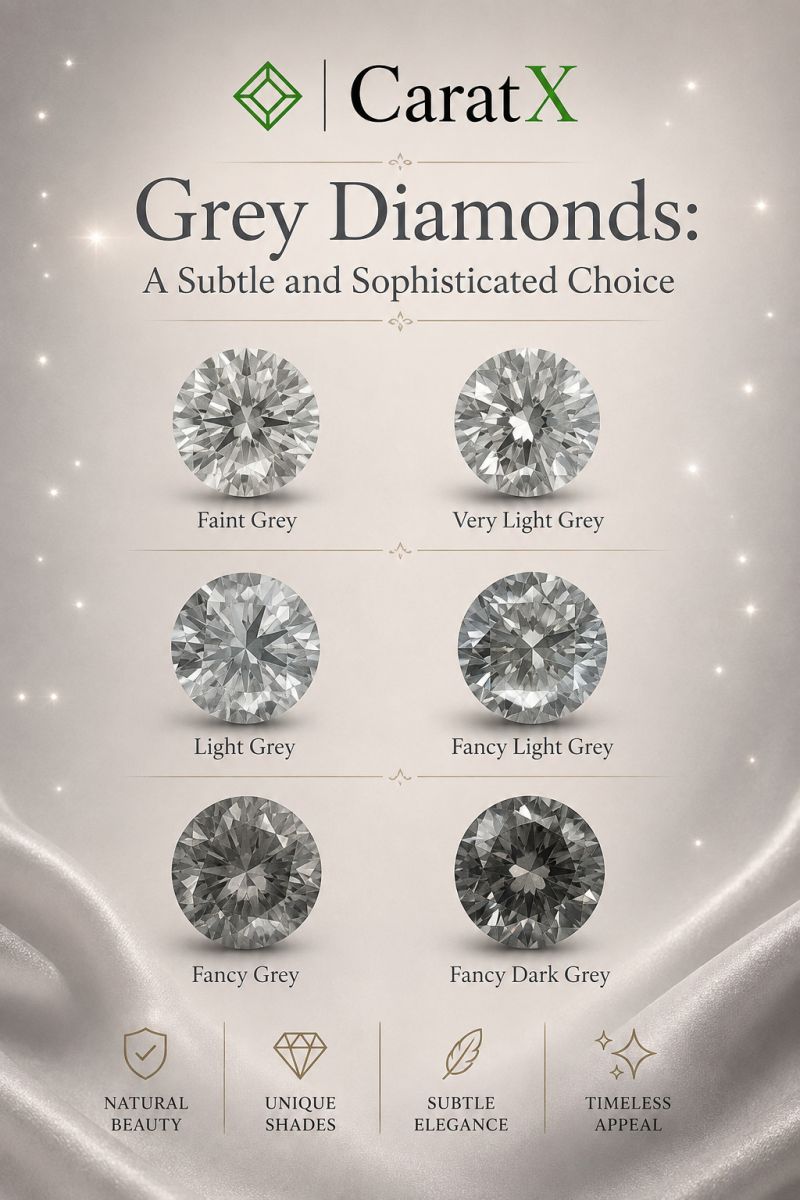
When adiamondhas enough grey to rank between "K" and "M," the official grade on the report does not use a letter. Rather, it employs one of the first three rankings of the fancy color grading system: Faint Gray. The next category, "Very Light," is used for grey diamonds graded "N" through "Q-R," while diamonds graded "S" through "Y-Z" are listed as "Light Gray".
The Fancy Color Grading System -
For grey diamonds that are darker than the D-to-Z range or for those that exhibit other hues such as pink, blue, or green the GIA's Colored Diamond Color Grading System is used. This system evaluates diamonds based on three attributes:
Hue: The basic color (e.g., grey, blue-grey, greenish-grey)
Tone: The lightness or darkness of the color
Saturation: The intensity of the color
The nine grades in this system range from Faint to Fancy Vivid, with intermediate grades including Very Light, Light, Fancy Light, Fancy, Fancy Intense, Fancy Dark, and Fancy Deep.
The Rarity of Pure Grey -
Pure grey diamonds those without modifying hues of blue, violet, green, or brown are exceptionally rare. Most grey diamonds exhibit secondary tones, with blue-grey and violet-grey being among the most valued combinations. The rarity of pure grey diamonds makes them a true treasure for collectors and connoisseurs.
Rarity and Value: What Makes Grey Diamonds Special
How Rare Are Grey Diamonds?
Natural grey diamonds are significantly rarer than yellow and brown diamonds yet share similar value ranges, making them a captivating option for those intrigued by their unique aesthetic. According to industry estimates, fancy colordiamondsas a whole represent less than 0.1% of all mined diamonds, and grey diamonds constitute only a fraction of that already tiny percentage.
The rarity of grey diamonds is compounded by the fact that they are sourced from only a few specific locations worldwide. The Cullinan mine in South Africa and the Argyle mine in Australia have been the primary sources of natural grey diamonds, with the closure of the Argyle mine in 2020 further constraining supply.
Pricing and Value Factors -
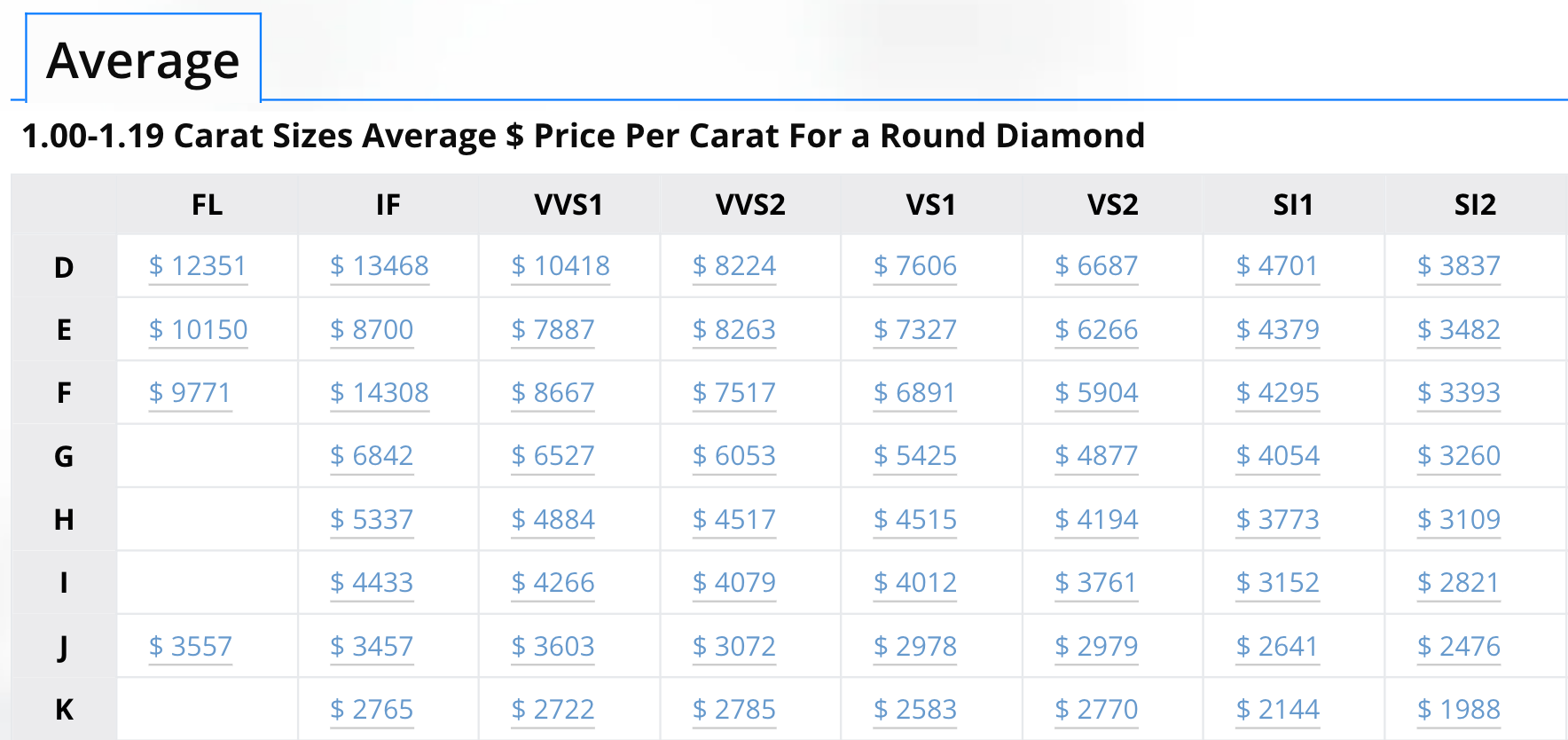
The value of grey diamonds varies widely depending primarily on color expression and carat weight. According to industry sources, mid-range Fancy Grey diamonds typically command prices of £3,500-12,000 per carat. However, prices can vary dramatically based on specific characteristics:
Color Purity: Pure grey diamonds without modifying hues are the most valuable.
Secondary Hues: Noticeable contributions of blue or violet can increase value by several times.
Clarity: As with all diamonds, higher clarity grades command premium prices.
Carat Weight: Larger grey diamonds are exponentially rarer and more valuable.
It is not uncommon to find two grey diamonds of similar carat weight where one is priced under a thousand dollars while the other commands about ten times that amount due to more desirable color characteristics.
Natural vs. Treated Grey Diamonds -
One of the most important factors in grey diamond valuation is whether the color is natural or the result of treatment. Some diamonds undergo irradiation or HPHT (High Pressure High Temperature) treatment to achieve a grey or black appearance. While treated grey diamonds can be attractive, they do not carry the same rarity or value as natural grey diamonds.
Treated grey diamonds typically cost 50-70% less than their natural equivalents. Reputable grading laboratories, such as GIA and IGI, clearly state "natural color" on certification reports for untreated stones. This documentation is essential when purchasing a grey diamond, particularly for engagement rings or heirloom jewelry.
Grey Diamonds in Jewelry: A Modern Aesthetic
The Appeal of Grey Diamonds in Fine Jewelry
Grey diamonds have gained significant popularity in recent years as consumers seek alternatives to traditionalwhite diamonds. Their neutral, metallic appearance pairs beautifully with all metal types platinum, white gold, yellow gold, and rose gold making them incredibly versatile design elements.
The appeal of grey diamonds lies in their subtlety. Unlike the bold, vibrant hues of pink or blue diamonds, grey diamonds offer a sophisticated, understated elegance that complements any outfit and occasion. They symbolize mystery, elegance, and resilience, making them a meaningful choice for engagement rings and other significant jewelry pieces.
Popular Jewelry Applications -
Grey diamonds are increasingly popular in a variety of jewelry applications:
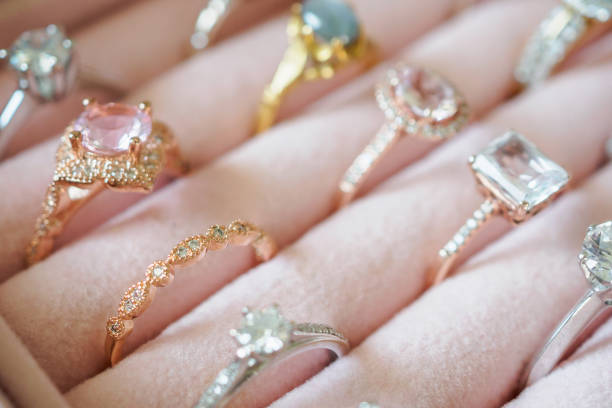
Engagement Rings: Perhaps the most significant trend is the use of grey diamonds inengagement rings.For couples seeking a unique, non-traditional alternative toclassic white diamonds, grey diamonds offer a stunning, modern option. Their neutral tone allows for versatile design options, from minimalist solitaires to bold, architectural settings.
Earrings:Greydiamond studsor drop earrings provide a sophisticated, contemporary look that works for both everyday wear and special occasions.
Pendants:A greydiamond pendantis the quintessential accessory for those who appreciate understated elegance. The stone's subtle shimmer draws the eye without overwhelming the overall look.
Statement Pieces: For those who want to make a bolder statement, grey diamonds can be incorporated into cocktail rings, cluster designs, or mixed-metal pieces.
Pairing with Other Gemstones -
Grey diamonds pair beautifully with other gemstones, creating dynamic and sculptural jewelry designs. Combinations withemeralds, champagne diamonds, and other fancy color diamonds are increasingly popular. The neutral grey tone serves as a perfect backdrop, allowing other colors to pop while maintaining a cohesive aesthetic.
Famous Grey Diamonds -
While grey diamonds may not have the same name recognition as famous blue or pink diamonds, several notable grey diamonds have captured public attention:
The Bulgari Blue Gray: A 13.28-carat gray diamond that sold for over $1.5 million at auction. This stone demonstrates the significant value that can be achieved by exceptional grey diamonds with desirable color characteristics.
The Hope Diamond's Greyish Hue: While primarily known as a blue diamond, the famous Hope Diamond exhibits greyish undertones, illustrating the continuum between blue and grey coloration in diamonds.
How to Buy a Grey Diamond: A Buyer's Guide
Certification Matters -
When purchasing a grey diamond, certification from a reputable laboratory is essential. The GIA (Gemological Institute of America) and IGI (International Gemological Institute) are among the most respected organizations for diamond grading. A certificate from these laboratories confirms:
Whether the color is natural or the result of treatment.
The exact color grade (e.g., Fancy Grey, Fancy Intense Grey)
Clarity grade
Carat weight
Cut quality
Understanding Color Descriptors -
Grey diamonds are described using specific terminology that indicates their color characteristics:
Fancy Light Grey: A pale grey with subtle color expression.
Fancy Grey: A medium grey with clear color presence.
Fancy Intense Grey: A strong, vivid grey.
Fancy Dark Grey: A deep, dark grey approaching charcoal.
Fancy Deep Grey: The darkest category, with intense, saturated color.
Secondary hues are indicated with modifiers such as "Greenish Grey" or "Bluish Grey."
Evaluating Cut Quality -
Because grey diamonds can have subdued brilliance compared to colorless diamonds, cut quality is particularly important. A well-cut grey diamond will maximize light performance, ensuring the stone retains depth and visual balance. Cutters often prioritize symmetry and polish to enhance the stone's appearance.
Clarity Considerations -
While grey diamonds can have inclusions, the type and location of inclusions matter more than their mere presence. Some grey diamonds owe their color to micro-inclusions, which are considered acceptable and even desirable in the context of these stones. However, larger inclusions that affect durability or light performance should be avoided.
The Future of Grey Diamonds -
Market Trends -
The market for grey diamonds is evolving as consumer preferences shift toward unique, personalized jewelry. According to industry reports, fancy color diamond prices have increased at a compound annual rate of 5.7% over the past 20 years. While grey diamonds have not seen the same dramatic price appreciation as pinks or blues, their growing popularity suggests increasing value over time.
The Rise of "Salt and Pepper" Diamonds -
It's worth noting the distinction between true grey diamonds and "salt and pepper" diamonds. While both can appear grey, salt and pepper diamonds get their color from visible black and white inclusions, whereas true fancy grey diamonds derive their color from atomic-level impurities. Salt and pepper diamonds are generally less expensive but also less rare.
Conclusion:
Grey diamonds represent a perfect marriage of rarity, beauty, and modern sophistication. Their subtle, metallic appearance offers a compelling alternative to traditional colorless diamonds, proving that a diamond does not have to be colorless to be rare, beautiful, and unforgettable.
From the atomic-level interplay of boron and hydrogen to the microscopic graphite inclusions that create smoky clouds of color, every grey diamond tells a unique geological story that spans billions of years. Whether set in a minimalist solitaire engagement ring or a bold statement piece of jewelry, grey diamonds offer a distinctive elegance that resonates with those who appreciate understated luxury.
Follow CaratXfor more insightful and educational content about diamonds, gemstones, and the jewelry industry.
Start selling diamonds in 18+ International countries –www.caratx.com/register
Sellers register on CaratX marketplace to start selling to B2B and B2C buyers –www.caratx.com/register
Sell jewelry internationally to buyers through our CaratX seller plan –https://caratx.com/sell-on-caratx
Shop gemstones from our CaratX marketplace at unbeatable prices –https://caratx.com/search?query=gemstones
Shop natural diamonds –https://caratx.com/search?query=Natural
More details about our Pricing –https://caratx.com/sell-on-caratx
Recommended Reads from CaratX
Expand your knowledge of diamonds and the jewelry industry with these insightful articles from CaratX:
The Guide to Fancy Colored Diamonds: Nature's Most Rare and Vibrant Gems– A comprehensive guide to fancy color diamonds, covering what they are, the science behind their colors, and why they are among the rarest geological marvels on the planet.
Why Fancy Color Diamonds Are Capturing Attention in 2026: The Complete Investor & Collector's Guide– Understand why fancy color diamonds have become one of the most sought-after asset classes, including a detailed breakdown of the GIA fancy color grading scale from Faint to Fancy Vivid.
Exclusive: 2026 Fancy Color Diamond Market Deep Dive – Prices, Rarity, and the Smart Money's Move on Rare Hues– An in-depth analysis of the fancy color diamond market in 2026, featuring data from the Fancy Color Research Foundation (FCRF) on price trends for yellow, pink, and blue diamonds.
Understanding Diamond Color – A Comprehensive Guide– A complete breakdown of the GIA D-to-Z diamond color scale, explaining what diamond color means, how it affects value, and the difference between colorless and fancy colored diamonds.
The Solitaire Diamond Ring: A History of the World's Most Iconic Engagement Ring– Trace the remarkable journey of the solitaire engagement ring from Ancient Roman gold bands to the revolutionary Tiffany Setting of 1886.
The 31‑Hue Wheel: The Ultimate Guide to Gemstone Colour Grading– Learn how the 31‑Hue Wheel, adopted by leading gemologists, brings scientific precision to gemstone color grading and eliminates confusion from vague trade names.
From Rough to Remarkable: The Meticulous Art of Diamond Assorting– Discover how rough diamonds are sorted by color groups, from colorless to fancy colors, before they begin their journey to becoming polished gems.
Natural Diamond Jewellery Trends: Insights from the NDC Report– Explore the latest trends in natural diamond jewelry, including the dominance of round diamonds and the growing popularity of VS-clarity stones.
Start selling diamonds in 18+ International countries –www.caratx.com/register
More details about our Pricing –https://caratx.com/generic-pages/launch-your-products-on-caratx
Frequently Asked Questions -
Are grey diamonds natural?
Yes, grey diamonds can be entirely natural. Their color results from the presence of hydrogen, boron, structural defects from radiation exposure, or micro-inclusions within the diamond. However, some grey diamonds on the market are treated to achieve their color. Always check for certification from a reputable laboratory like GIA to confirm natural origin.
Are grey diamonds rare?
Yes, natural grey diamonds are quite rare. They are significantly rarer than yellow and brown diamonds, and pure grey diamonds without modifying hues are exceptionally rare. The rarity of grey diamonds contributes to their value and appeal.
How much do grey diamonds cost?
The price of grey diamonds varies widely based on color purity, carat weight, clarity, and whether the color is natural or treated. Mid-range Fancy Grey diamonds typically cost £3,500-12,000 per carat, while treated grey diamonds cost 50-70% less. Stones with desirable blue or violet modifiers can command significantly higher prices.
What is the difference between grey and "salt and pepper" diamonds?
True grey diamonds get their color from atomic-level impurities (hydrogen, boron, or structural defects), resulting in a smooth, consistent color throughout the stone. "Salt and pepper" diamonds, by contrast, appear grey due to visible black and white inclusions scattered throughout the stone. Salt and pepper diamonds are generally less rare and less expensive.
Are grey diamonds suitable for engagement rings?
Absolutely. Grey diamonds score a perfect 10 on the Mohs hardness scale, making them exceptionally durable and suitable for everyday wear. Their neutral tone allows for versatile design options, from minimalist solitaires to bold, architectural settings. Many couples choose grey diamonds for their unique, modern aesthetic.
Where are grey diamonds found?
Natural grey diamonds are primarily sourced from the Cullinan mine in South Africa and the Argyle mine in Australia. Other sources include Brazil, Russia, India, and South Africa.
How are grey diamonds graded?
Grey diamonds are graded using either the GIA D-to-Z scale (for very pale grey hues) or the Colored Diamond Color Grading System (for darker stones). The color grading system evaluates hue, tone, and saturation, with grades ranging from Faint to Fancy Vivid.