
GIA to Introduce Cut Grading for Fancy-Shaped Diamonds in 2027 -
Home
Education Blog GIA to Introduce Cut Grading for Fancy-Shaped Diamonds in 2027 - SHOP NOWHome
Education Blog GIA to Introduce Cut Grading for Fancy-Shaped Diamonds in 2027 - SHOP NOWJun, 15, 2026 by Archit Mohanty 0 Comments
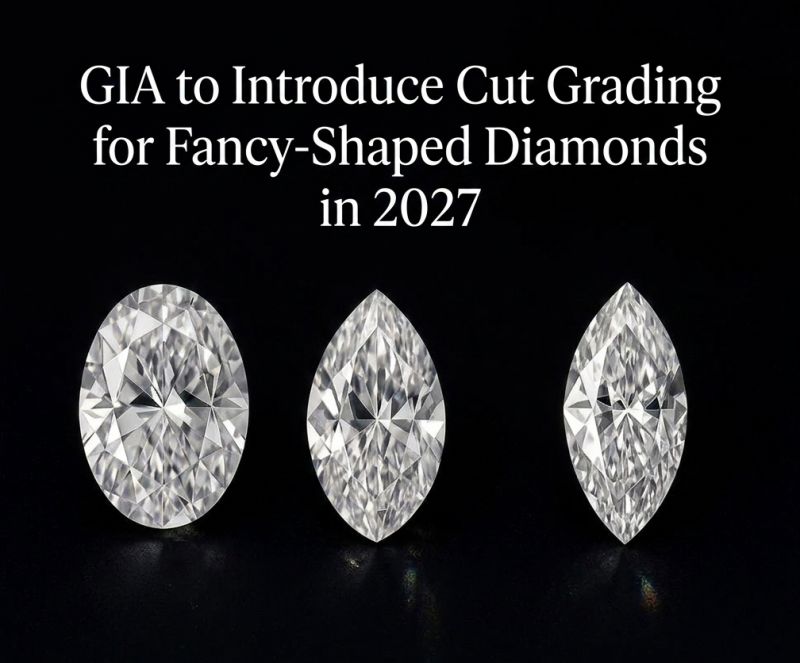
For decades, if you were buying a Round Brilliant diamond, you could look at a certificate and see a definitive Cut Grade (Excellent, Very Good, etc.) telling you exactly how well the stone interacts with light. However, if you were buying an Oval, Pear, or Marquise, you were largely flying blind.
But that is about to change forever. The Gemological Institute of America (GIA) has officially announced a seismic shift in the industry. Starting in 2027, the GIA will launch a formal Cut Grading system for selected Fancy-Shaped diamonds.
For buyers, this means transparency. For sellers, this means a new standard. For the industry, it means the "wild west" of fancy shape evaluation is coming to an end.
At CaratX the leading B2B and B2C marketplace connecting 18+ international countries with premium diamonds, gemstones, and jewelry, we are already preparing our sellers for this transition. If you want to rank higher in the future, you need to understand the science of Cut and Fluorescence today.
The diamond market has changed. While rounds used to dominate, Fancy Shapes have surged in popularity. According to GIA Executive, almost one-third of all diamonds submitted to GIA for grading in 2022 were fancy-shaped, a massive jump from less than a quarter in the previous decade.
Celebrities and social media trends have pushed Ovals, Pears, and Marquise into the spotlight. However, until now, these stones only received scores for Polish and Symmetry ignoring the complex interaction of light performance (brightness, fire, and scintillation) that defines a diamond’s beauty.
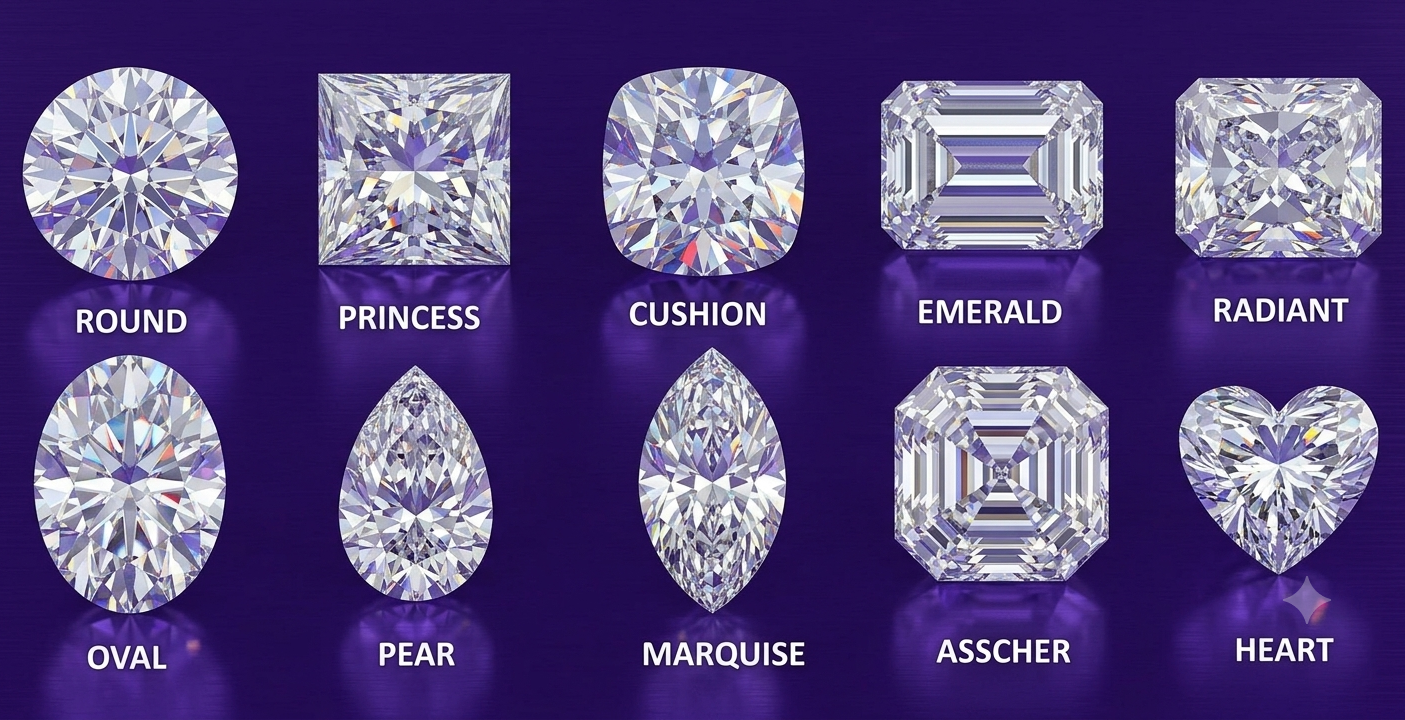
Initially, the GIA will focus on the three most commercially popular elongated fancy cuts: Oval, Pear, and Marquise.
Oval: Known for its brilliant faceting and ability to elongate the finger.
Pear: A hybrid of round and marquise, offering a unique teardrop silhouette.
Marquise: The "navette" shape famous for maximizing carat weight spread.
GIA researchers have published extensive studies, such as "Observations of Oval-, Pear-, and Marquise-Shaped Diamonds: Implications for Fancy Cut Grading" in Gems & Gemology, laying the groundwork for this system. Unlike rounds, fancy shapes require 3D wireframe files to map light behavior due to their geometric complexity.
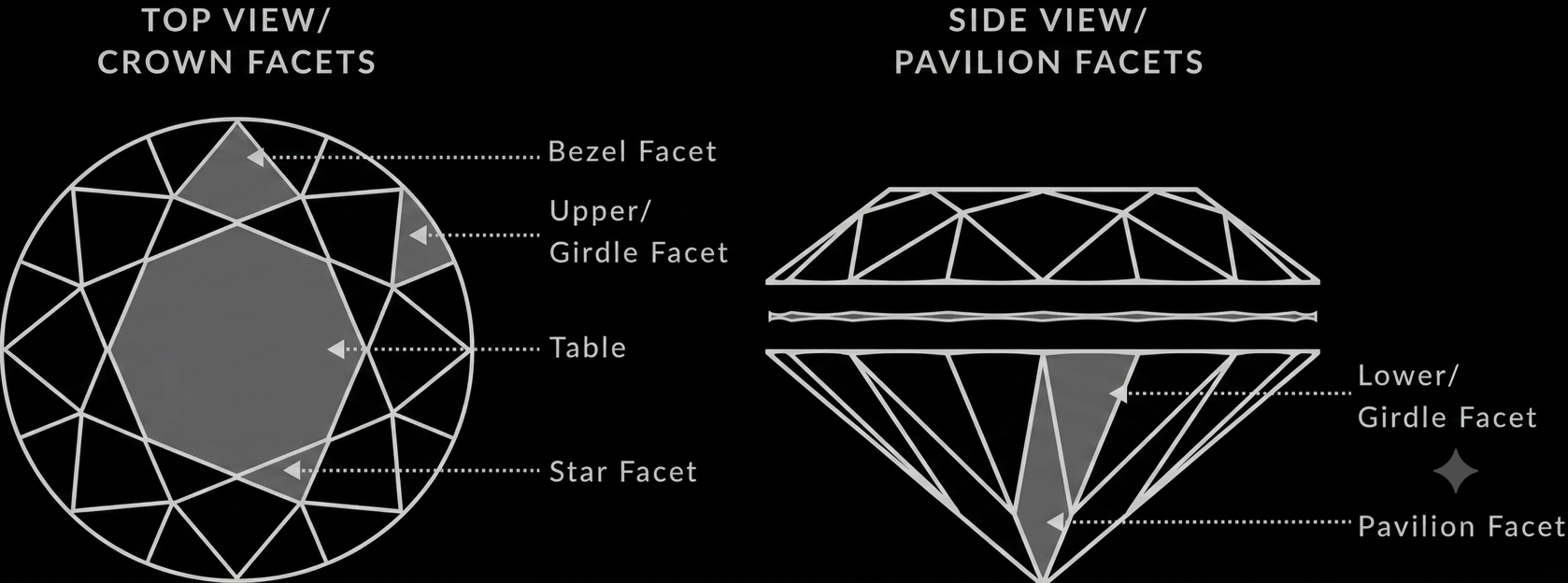
The new grading will likely focus on eliminating undesirable features like prominent windowing (areas where the stone is see-through) and reducing the dreaded "bow-tie" effect (dark, dull bands across the center). The goal is to provide a consistent visual sense of quality, ranging from Excellent to Poor, similar to the round brilliant system.
For traders on CaratX, this is a golden opportunity. Historically, well-cut fancy shapes traded at discounts compared to rounds simply because the "proof" of cut quality was missing. With a GIA Cut Grade, premium stones will command premium prices.
Shop Natural Diamonds – Compare certified rounds and fancy shapes now at CaratX Marketplace.
While the 2027 cut grade is the headline, the GIA is also rolling out (starting Q4 2024) crucial comments on Fluorescence. If you want to be an expert buyer or seller, you cannot ignore fluorescence, as it directly impacts the transparency and value of the fancy shapes you are buying.
Fluorescence is the visible glow emitted by some diamonds when exposed to ultraviolet (UV) light (like sunlight or a UV lamp). Approximately 25% to 35% of natural diamonds exhibit this phenomenon, with more than 95% fluorescing a specific color: Blue.
The "Good" (The Positive Effect) For diamonds in the lower color ranges (I, J, K, L, M), strong blue fluorescence can be a blessing. The blue emission acts as a color corrector, neutralizing the yellow/brown tints in the stone. This often makes the diamond appear whiter and brighter in natural daylight than its actual color grade would suggest. Many smart buyers use this to get a "color upgrade" for free.
The "Bad" (Haziness & Milkiness) For higher color diamonds (D, E, F) , strong or very strong fluorescence can sometimes cause the diamond to appear hazy, milky, or oily under strong UV-rich light.
However, GIA research has clarified a vital nuance: Fluorescence alone does not cause haziness. The "milky" effect is usually caused by structural defects or light-scattering inclusions in the diamond crystal. Strong fluorescence simply makes these existing transparency issues more noticeable.
Because of this nuance, the GIA is updating their reports. They will add comments for specific D to Z diamonds stating that fluorescence "may enhance the diamond’s appearance in UV-rich environments" or, in less than 0.2% of cases, that it can make existing haziness more visible.
Dive deeper into Diamond Fluorescence and find glowing deals at CaratX Education Hub.
The timeline is set. GIA will release parameters in 2026 and launch the system in 2027. Here is how to use this information today.
If you are holding inventory of Oval, Pear, or Marquise diamonds, you need to start sorting them by optical performance now.
Segregate the "Milky" stones: Check high-color stones with strong fluorescence under natural light.
Premium for Excellence: Well-cut stones with great light return and faint/medium fluorescence will likely become the "Excellent" grade in 2027.
Global Reach: List your certified diamonds on CaratX Seller Plan to access buyers in 18+ international countries. Whether you sell jewelry or loose stones, the demand is shifting to premium quality.
You now have a two-year window to understand these metrics before the market prices adjust.
Look for Bow-tie: In Ovals and Pears, a minimal bow-tie indicates a superior cut.
Fluorescence as a Tool: If budget is tight, look for I-J color stones with Medium to Strong Blue fluorescence. They often face up like G-H colors but cost significantly less.
Shop Smart: Browse our curated selection of Certified Diamonds at CaratX Shop and filter by shape to see the difference in real-time.
The introduction of cut grading for Fancy Shapes by the GIA is not just a technical upgrade; it is a consumer protection milestone. It removes the guesswork and places value back where it belongs: on Beauty, Fire, and Brilliance.
At CaratX, we are dedicated to bringing this level of transparency to the global market. We connect sellers with buyers across continents, ensuring that whether you are trading a Marquise from India or selling a Pear-cut ring to a client in New York, you have the data and the platform to succeed.
Ready to sell? Join the future of diamond trading. REGISTER NOW to start selling diamonds & jewelry to 18+ International Countries.
Don't let your diamonds sit in a vault. Put them in front of international buyers today.
Register as a Seller on CaratX Now – Start selling to B2B and B2C buyers in over 18 countries.
Shop Natural Diamonds & Gemstones – Find the premium inventory your customers are demanding.
Explore CaratX Seller Plans – Scale your jewelry business with our flexible international plans.
Follow CaratX for more insightful and educational content about global diamond trade dynamics.
Q1: Why is GIA only starting with Oval, Pear, and Marquise in 2027? A: These are the three most popular fancy shapes in the market. GIA researchers have spent years collecting data on these specific cuts first, as they share similar brilliant faceting challenges (like the bow-tie effect) before expanding to other shapes like Emerald or Cushion.
Q2: Will a new cut grade make my old GIA certificate useless? A: No. Your old certificate remains valid for the stone's identity, color, and clarity. However, the new system will provide additional data on cut quality, which may influence resale value. Well-cut stones will likely command higher premiums post-2027.
Q3: Does fluorescence ruin a diamond's brilliance? A: Rarely. GIA studies show that for the overwhelming majority of diamonds, fluorescence has no negative effect on transparency. The "milky" look occurs in fewer than 0.2% of submitted stones and usually relates to structural defects, not the fluorescence itself.
Q4: Can I sell jewelry internationally through CaratX? A: Absolutely. Our CaratX Seller Plan allows jewelers and manufacturers to list and sell completed jewelry pieces internationally to both B2B and B2C buyers directly from a single account.
Jun, 15, 2026
Aug, 06, 2022
Aug, 06, 2022

Sep, 09, 2024
0 Comments
Please login to leave a reply.