
The global diamond industry is in the midst of a quiet but profound transformation. For decades, the universal benchmark of a diamond’s worth was its absence of color the icy brilliance of a D‑color flawless stone. But in 2026, the gravitational center of the luxury gemstone market has shifted decisively toward color.
Fancy color diamonds natural diamonds that exhibit a distinct body color ranging from delicate pink and vibrant blue to intense yellow and the rarest green are no longer a niche curiosity for connoisseurs. They have become one of the most actively discussed, aggressively sought, and strategically held asset classes in the world of tangible luxury.
What Are Fancy Color Diamonds?
Fancy color diamonds are natural diamonds that fall outside the conventional D‑to‑Z color scale used for colorless stones. While a classic white diamond is valued for its purity and lack of hue, a fancy color diamond is valued for the precise opposite: the presence, intensity, and purity of its color.
According to the Gemological Institute of America (GIA), only one out of every 10,000 carats of fashioned diamonds displays a fancy color and the odds of a diamond displaying intense, vivid color drop to just one in 25,000 carats.
That scarcity alone would command attention. But what elevates fancy color diamonds from rare curiosities to blue‑chip investment assets is a combination of geological uniqueness, irreplaceable supply constraints, and a maturing global market where collectors and ultra‑high‑net‑worth individuals increasingly prioritize color over carat weight. Understanding the fancy color grading scale is the single most important factor for any buyer or investor entering this market.
Understanding the Fancy Color Grading Scale -
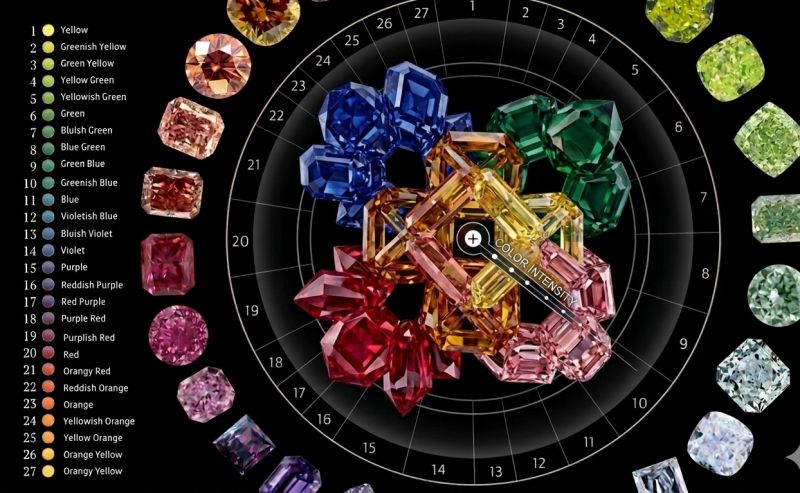
Unlike colorless diamonds, which are graded from D (colorless) to Z (light yellow or brown), fancy color diamonds are evaluated on three distinct dimensions: hue (the dominant color), tone (the lightness or darkness), and saturation (the intensity or strength of the hue). The GIA Colored Diamond Grading System uses a nine‑tier scale to describe color intensity, ranging from Faint, Very Light, and Light up through Fancy Light, Fancy, Fancy Intense, Fancy Vivid, Fancy Deep, and Fancy Dark.
For investors and serious collectors, three grades matter most as the primary drivers of both rarity and value:
Fancy Light diamonds display a soft and delicate color appearance, making them a beautiful and elegant entry point into the world of fancy-color diamonds. They are the most accessible intensity grade and often represent the most affordable opportunity to own a certified fancy-color diamond.
Fancy Intense diamonds exhibit a deeper, more noticeable color with strong saturation and visual impact. Their vibrant appearance makes them significantly rarer than lower intensity grades, resulting in a substantial premium over Fancy and Fancy Light diamonds.
Fancy Vivid diamonds represent the pinnacle of color intensity, showcasing exceptionally rich, pure, and highly saturated color. As the rarest of all fancy-color grades, they account for only a small fraction of fancy-color diamonds discovered worldwide. Their exceptional rarity and beauty often drive prices to 100% or more per carat above comparable Fancy Intense diamonds of similar quality.
Fancy Vivid diamonds whether pink, blue, yellow, or green consistently achieve the highest prices per carat at major auction houses and private sales. The legendary Winston Pink Legacy, a Fancy Vivid pink diamond weighing 18.96 carats, sold for more than $50 million, establishing a per‑carat record of $2.6 million. Similarly, the Pink Star a 59.60‑carat Fancy Vivid pink diamond remains the most expensive gem ever auctioned at $71.2 million.
These are not isolated anomalies; they are data points in a long‑term trend that the Fancy Color Research Foundation (FCRF) has tracked for over fifteen years: natural fancy color diamonds have appreciated at rates that consistently outpace inflation and often outperform traditional asset classes.
Pink Diamonds:
No category of fancy color diamonds captures the imagination or the investment thesis quite like pink diamonds. Their appeal transcends fashion or fleeting trends. Pink diamonds owe their color not to trace elements like nitrogen (which produces yellow) or boron (which produces blue), but to plastic deformation in their crystal lattice a distortion of the atomic structure that occurs during or after crystal growth deep within the Earth. The color in 99.5% of pink diamonds comes from this unique formation mechanism, making them among the most fascinating objects in gemological science.
But what truly transformed pink diamonds from geological marvels to investment icons was the permanent closure of the Argyle mine in Western Australia in late 2020. For decades, Argyle produced 90–95% of the world’s pink and red diamonds. No other source has emerged to fill the void. As Rio Tinto completed the final stages of mine closure execution in early 2026, the market fully absorbed the reality that the primary supply of natural pink diamonds had effectively ended.
The 2026 market for pink diamonds tells a story of selectivity and quality premiums. According to the latest Q1 2026 data from the FCRF, pink diamond prices experienced a modest year‑over‑year decline of approximately 0.8%, with a sequential dip of 0.3% compared to Q4 2025. However, these aggregate figures conceal a crucial nuance: the decline was concentrated in certain large‑carat, ultra‑high‑end segments, while high‑quality categories continued to show strength.
The 1‑carat Fancy Intense Pink category actually saw prices increase by approximately 1.9% in Q1 2026, demonstrating robust demand for smaller, investment‑grade stones. Meanwhile, larger Fancy Vivid Pink diamonds experienced corrections ranging from 1.5% to 2.2%. This divergence reveals a market that is increasingly quality‑selective, with buyers focusing intensely on GIA certification, verified origin, and the purity of color saturation above all else.
For investors, the strategic implication is clear: within the pink diamond category, Fancy Intense and Fancy Vivid stones of 1–3 carats represent the sweet spot where liquidity, affordability, and value preservation converge. The Argyle closure has effectively capped supply forever, and as the FCRF notes, any long‑term price adjustments remain segmented, with ultra‑rare categories bearing strong color saturation continuing to enjoy steady demand.
Blue Diamonds:
If pink diamonds are rare, blue diamonds are geological anomalies of an entirely different order. Their color is caused by trace amounts of boron an element found primarily on the Earth’s surface incorporated into the diamond’s crystal lattice during formation. But the story of how boron reaches a diamond is astonishing.
Research published on the cover of Nature revealed that blue diamonds form at extreme depths of 410 to 660 kilometers (or more) into the Earth’s lower mantlapproximately four times deeper than most other diamonds. The boron that gives blue diamonds their iconic color originated in ancient sea floors, carried deep into the mantle by the movement of tectonic plates in a process known as subduction. The famous Hope Diamond is the most celebrated example of this extraordinary origin.
In 2026, blue diamonds have demonstrated remarkable price resilience relative to other fancy color categories. According to FCRF data, blue diamond prices declined approximately 0.5% year‑over‑year a shallower drop than pinks and actually increased by approximately 0.3% compared to Q4 2025, making them the only major fancy color category to post a positive sequential gain.
The strongest performer in Q1 2026 was the 1‑carat Fancy Blue category, which saw prices climb approximately 1.3%. At the vivid intensity level, blue diamonds regularly achieve prices of $1 million per carat or more at major auction houses, with investment‑grade stones commanding premiums that far exceed those of almost any other collectible asset class.
Yellow Diamonds:
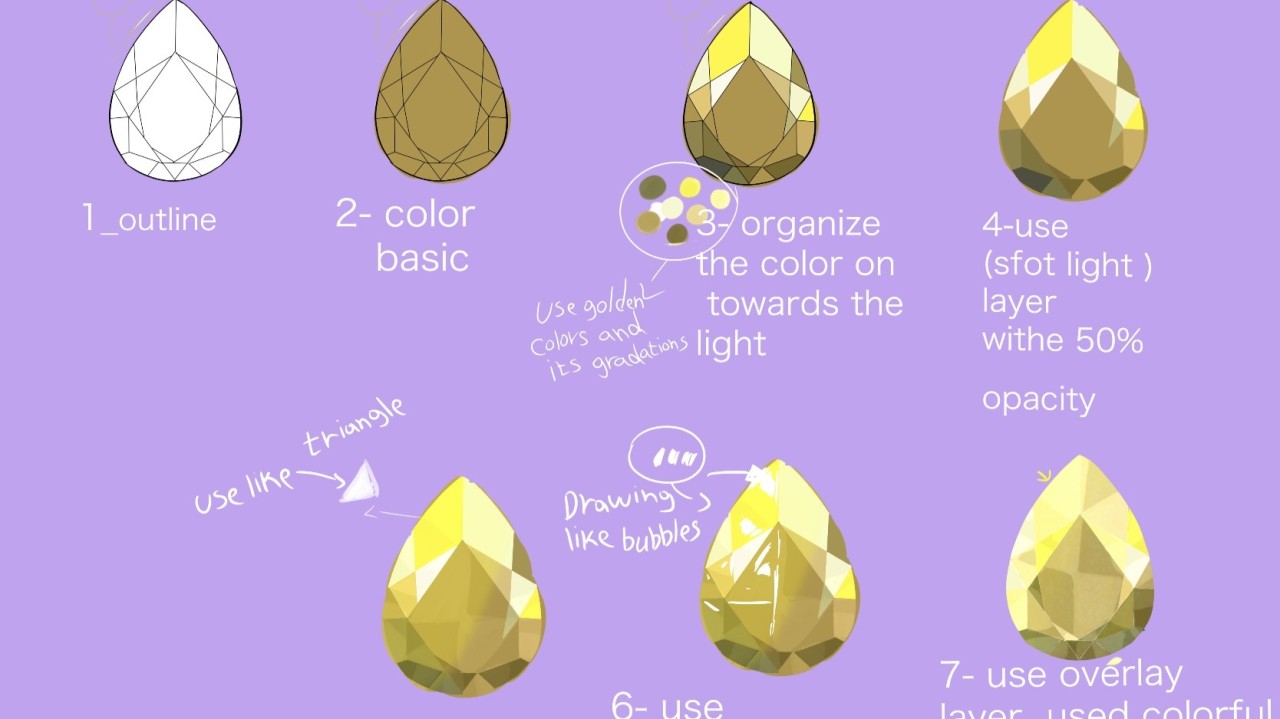
For collectors and investors seeking to enter the fancy color market without the stratospheric entry costs of pink or blue stones, yellow diamonds represent the most accessible and potentially rewarding opportunity. Their sunny, vibrant hues are caused by nitrogen atoms incorporated into the diamond’s crystal lattice during formation the same element that produces the faint yellow tints that reduce the value of colorless diamonds. However, once the yellow saturation exceeds the D‑to‑Z scale, the dynamic reverses entirely: deeper, more intense yellow becomes a premium attribute rather than a flaw.
Yellow diamonds are the second most common fancy color after brown, but Fancy Intense and Fancy Vivid yellow diamonds remain genuinely rare. According to the Natural Diamond Council, fancy color diamond prices have grown at a compound annual growth rate of 5.7% over the last two decades, with yellow diamonds appreciating approximately 50% over a ten‑year period ending in 2024. While the overall yellow diamond index showed a 1.2% decline in the trailing twelve months as of Q1 2026, the category’s long‑term trajectory remains positive, driven by growing demand from emerging markets in India and the Middle East.
For investors, the value proposition of yellow diamonds lies in their exceptional value‑to‑rarity ratio. A 2–3 carat Fancy Vivid yellow diamond offers spectacular visual impact warm, luminous, and unmistakable at a fraction of the per‑carat cost of a comparable pink or blue stone. As the diamond industry publication DiamondsnColors notes, yellow diamonds are the category where the investment thesis and the wearability thesis converge most elegantly, making them ideal for buyers who want an asset that can be both held and worn.
Green Diamonds:
Among all fancy color diamonds, green diamonds occupy a unique and often misunderstood position. They are widely considered the rarest of the primary color categories. Unlike yellow (nitrogen), blue (boron), or pink (plastic deformation), the green hue in natural diamonds is the result of natural radiation exposure over geological timescales. When diamond deposits lie in proximity to radioactive rocks containing uranium, thorium, or potassium‑40 isotopes, alpha particles emitted by these elements displace carbon atoms in the diamond’s crystal lattice, creating GR1 centers that absorb red and yellow light, allowing only green light to pass through.
This formation mechanism has two crucial implications for buyers. First, the green color is typically confined to a thin “skin” on the diamond’s surface, only a few micrometers thick. Cutters must strategically facet the stone to maximize the face‑up display of green color, often leaving as much of the natural rough around the girdle as possible.
Second, because green color can be artificially replicated through irradiation treatment, every green diamond must be treated with suspicion and examined carefully in gemological laboratories.
The market for natural green diamonds is exceptionally small but intensely loyal. Less than 0.1% of all diamonds submitted to the GIA for grading fall into the “Fancy Color” category, and green is the scarcest among the primary hues. For collectors who acquire a GIA‑certified natural green diamond with verified origin, the stone represents a genuinely irreplaceable asset one that may not appear on the market again for decades.
Investment Outlook & Market Trends for 2026 -
The fancy color diamond market entered 2026 with a clear and consistent theme: selectivity. The FCRF’s Q1 2026 Fancy Color Diamond Index was down just 0.2%, following a 0.1% dip in Q4 2025. Industry analysts view these minuscule movements as reflective of broader diamond industry sentiment rather than a meaningful shift in actual fancy color diamond transactions.
The more significant story is the divergence within the market: while commercial‑grade stones face sustained pressure from laboratory‑grown alternatives and shifting consumer preferences, premium fancy color diamonds particularly those with GIA‑certified Fancy Intense or Fancy Vivid color grades have demonstrated remarkable stability.
Several factors drive this selectivity:
The Argyle closure has permanently capped the supply of new pink diamonds, and no comparable source has emerged. The market has fully priced in this reality.
Growing demand from emerging markets particularly India, where demand for colored diamonds has risen 25% despite rising prices, and the Middle East is absorbing stones that would have previously gone to Western markets.
Investors are increasingly treating fancy color diamonds as alternative assets, allocating capital to tangible stores of value that carry no counterparty risk, no carrying costs (unlike real estate), and no correlation to public equity markets.
For sellers, jewelers, and wholesalers, the message is unambiguous: color intensity and GIA certification are now the primary determinants of both liquidity and price. A Fancy Intense stone will consistently outperform a Fancy stone of the same hue and carat weight. A Fancy Vivid stone will trade at a substantial premium to Fancy Intense. And stones with secondary or modifying hues (e.g., “purplish pink” or “greenish blue”) will generally trade at a discount to pure hues.
Start Selling on CaratX: The Global Marketplace for Fancy Color Diamonds
As the fancy color diamond market continues its global expansion, reaching buyers across international borders has become both an opportunity and a necessity for serious sellers. CaratX provides aB2B and B2C marketplace that connects diamond and jewelry sellers with buyers in 18+ international countries.
Whether you are a wholesaler looking to list natural diamonds, a jeweler seeking to reach new retail customers, or a collector ready to monetize your inventory, CaratX offers:
Direct access to a global buyer base across B2B and B2C channels.
Seamless seller registration and inventory management tools.
Competitive pricing structures designed for volume and premium sellers alike.
Sellers register on CaratX marketplace here to start selling to B2B and B2C buyers →
You can now sell jewelry internationally to buyers through our CaratX seller plan →
Shop natural diamonds and gemstones from the CaratX marketplace at unbeatable prices →
More details about our pricing →
For buyers and collectors looking to acquire fancy color diamonds, CaratX maintains a curated inventory of certified natural diamonds across all color categories and intensity grades. Shop natural diamonds here →
Shop gemstones from our CaratX marketplace →
Enhance your understanding of diamonds, gemstones, and the global market with these guides from the CaratX blog:
The Types of Natural Diamond Colors: A Complete Guide — An authoritative exploration of every natural diamond color category, from yellow and pink to blue and green, including GIA grading standards.
Pink & Blue Diamonds in 2026: Market Selectivity, Value Preservation & Investment Outlook — In‑depth analysis of the 2026 pink and blue diamond markets, including Q1 pricing data and FCRF insights.
The Guide to the Green Diamond Color Scale: Rarity, Valuation, and Market Trends — The definitive resource on natural green diamonds, their formation mechanism, and investment considerations.
Natural Diamond Market 2026 — Current market analysis including price trends, supply constraints, and the growing premium for large, high‑quality stones.
Diamond Type Classification: Guide to Geology, Rarity and Smart Buying — Understand the atomic structure and trace elements that determine diamond color, including the role of nitrogen, boron, and hydrogen.
From Rough to Radiant: The Complete History of Diamond Cuts — How the art of diamond cutting has evolved, with implications for fancy color diamond presentation.
The Ultimate Guide to Diamond Carat Size and Cut — Understanding how carat weight translates to visual size across different diamond shapes.
Gemstone Secrets Revealed: The Science & Scarcity Behind Nature’s Masterpieces — The geological and chemical principles that determine gemstone beauty, durability, and rarity.
Fancy Sapphires: The Colorful Side of the Sapphire World — For collectors interested in colored gemstones beyond diamonds, a comprehensive guide to fancy sapphires.
Carat vs. Karat: The Ultimate Guide to Jewelry Measurements — Essential knowledge for any serious jewelry buyer or seller.
Frequently Asked Questions (FAQs)
Q: How rare are fancy color diamonds compared to white diamonds?
Only one out of every 10,000 carats of fashioned diamonds displays a fancy color. The odds of a diamond displaying intense or vivid color drop to just one in 25,000 carats. This makes fancy color diamonds approximately 10,000 times rarer than commercial‑grade white diamonds.
Q: What color intensity grade offers the best investment value?
While Fancy Vivid stones achieve the highest absolute prices and rarity premiums, Fancy Intense stones often represent the optimal balance between value appreciation potential and accessibility. The 1‑carat Fancy Intense Pink category saw prices increase 1.9% in Q1 2026, demonstrating strong demand and liquidity.
Q: Is GIA certification essential for fancy color diamond investment?
Yes. Virtually every fancy color diamond sold at major auction houses has been graded by GIA. GIA reports provide the standardized color grading (including hue, tone, and saturation) that enables transparent pricing and international trading. Without GIA certification, resale liquidity is severely compromised.
Q: Are lab‑grown fancy color diamonds a good investment?
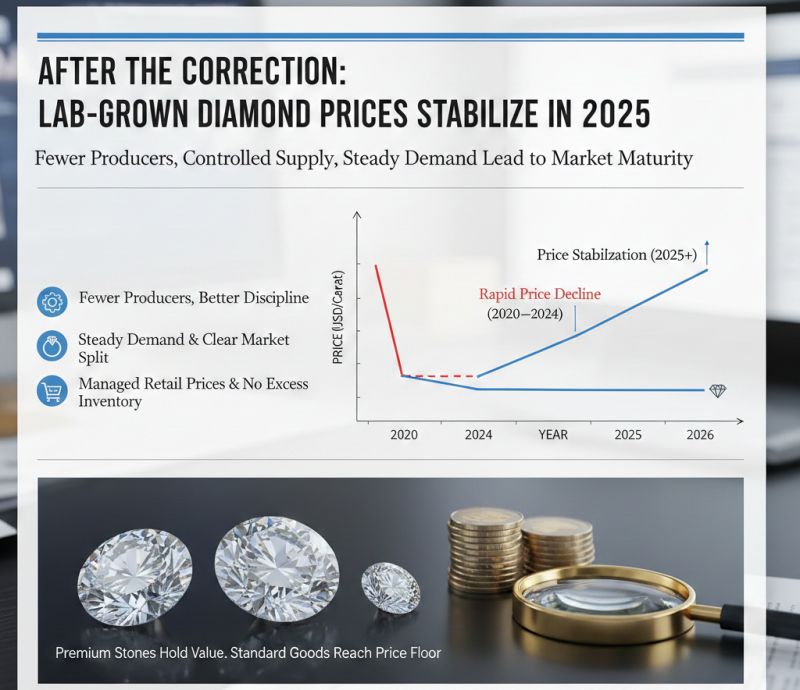
No. Lab‑grown diamonds — including those with vivid pink, blue, or yellow coloration — have no scarcity value and do not appreciate over time. Their wholesale prices continue to decline as production technology improves. Only natural fancy color diamonds with GIA‑certified origin have demonstrated long‑term value appreciation.
Q: Which fancy color is the rarest?
Red diamonds are the rarest of all fancy colors. From 1957 to 1987, GIA did not issue a single lab report for a diamond with “red” as the only descriptive term. Green diamonds are the next rarest among primary hues, followed by blue and pink. Yellow and brown are the most common fancy colors.
Q: How does the Argyle mine closure affect pink diamond prices?
The Argyle mine in Western Australia produced 90–95% of the world’s pink and red diamonds before its permanent closure in late 2020. No other source has emerged to replace this supply. The closure has effectively capped the global supply of natural pink diamonds, creating a permanent upward pressure on prices for certified stones.
Q: Can I sell fancy color diamonds internationally through CaratX?
Yes. CaratX enables diamond and jewelry sellers to reach buyers in 18+ international countries through its B2B and B2C marketplace platform. Sellers register here to start listing inventory.
Q: What is the minimum carat weight worth investing in for pink diamonds?
Investment‑grade pink diamonds typically start at 0.50 carats, with the 1‑carat segment showing the strongest liquidity and price stability in 2026. Stones below 0.30 carats generally trade as “melee” and do not command the same per‑carat premiums as larger stones.
Q: Are blue diamonds a better investment than pink diamonds in 2026?
Blue diamonds demonstrated slightly stronger price performance in Q1 2026, posting a positive sequential gain of 0.3% versus pink’s 0.8% year‑over‑year decline. However, both categories remain fundamentally strong due to extreme geological rarity. The choice between pink and blue often comes down to personal aesthetic preference and available inventory.
Q: Where can I learn more about natural diamond colors?
CaratX offers a comprehensive guide to natural diamond colors covering every major hue, their geological origins, and GIA grading standards. For current market analysis, refer to CaratX’s Natural Diamond Market 2026 report.