
The global diamond market is not recovering in a straight line. It is recovering selectively. After several years of inventory correction, production cuts have tightened supply in the categories that matter most, and demand is rebuilding across key trading hubs but buyers are no longer buying indiscriminately.
They are buying better stones, larger stones, and stones with a story. The result is a market that rewards precision on both sides of the transaction: sellers who understand which shapes and sizes are liquid, and buyers who understand what “quality” actually commands a premium in 2026.
This analysis breaks down where demand is growing across the major diamond markets, which fancy shapes are outperforming, what supply discipline is doing to pricing, and how buyers and sellers can position themselves in a market that is becoming more segmented and more rewarding for those who understand it.
The Macro Picture: Supply Discipline Meets Selective Demand
The defining feature of the 2026 diamond market is supply discipline. Global natural diamond production was estimated at just over 100 million carats in 2025, the lowest annual output since 1992, according to diamond analyst Paul Zimnisky.
Production is forecast to rebound only modestly to around 105 million carats in 2026 down from more than 150 million carats as recently as nine years ago. De Beers cut its 2026 production guidance to 21–26 million carats, and ALROSA is producing at an estimated 15% below capacity.
The consequence is a structurally tighter market than the industry has seen in decades. The global diamond market was valued at $103.86 billion in 2025 and is projected to grow from $106.77 billion in 2026 to $133.16 billion by 2034, at a CAGR of 2.8%. But the growth is not coming from volume. It is coming from value.
Consumers are buying less frequently but spending more per transaction, average spending per stone increased 11% in recent U.S. retail data, even as unit volumes softened. The market is concentrating in larger,better-quality diamonds, and that shift is reshaping demand across every major trading hub.
Where Demand Is Growing: A Region-by-Region Breakdown
United States: Deliberate Buying, Larger Stones
The American market has not dimmed, it has grown more deliberate. U.S. independent jewelers sawnatural diamondsales rise 4% in Q4 2025 and 9% in Q1 2026, with demand concentrated in stones of 1 carat or more. Activity is particularly strong for 1–3 caratround diamondsand elongated fancy shapes like ovals and long radiants. Good-quality stones in these categories are in short supply, and dealers are paying firm prices to restock.
The retail narrative is nuanced. According to the Gem & Jewellery Export Promotion Council (GJEPC), elongated silhouettes,ovals, andemerald cutsare gaining ground in the U.S., and warmer-toned diamonds champagne and soft yellow hues are being integrated into mainstream assortments rather than treated as niche.
Baguettes andmarquise cutsare also generating particular strength, introducing movement and structure that feels fresh while remaining grounded in a recognizable diamond language.
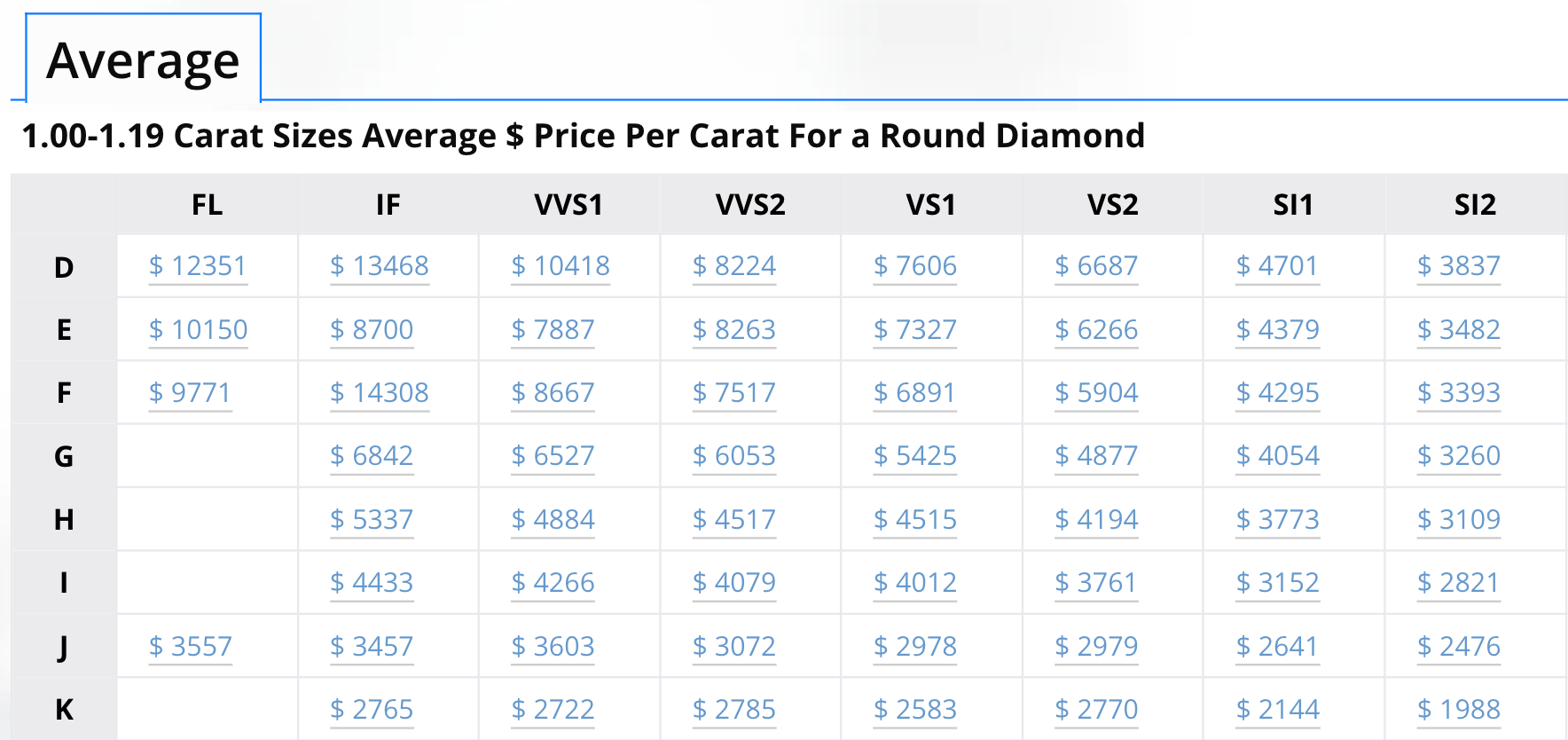
Advance orders for round and fancy-shape, D–F, IF–VS diamonds remain strong for high-end designers, with a positive trend emerging in the 1 to 1.99 ct., F–J, VS–SI range broadening demand that had been concentrated in 2 ct. and larger stones.
Key takeaway for U.S. buyers: rounds remain the backbone of bridal, but fancy shapes are the growth engine.
CaratX’s marketplace offers certified natural diamonds across carat weights and shapes from trusted sellers in 18+ countries - www.caratx.com
Belgium: Sentiment Improving, Fancy Shapes Strong
The Antwerp diamond trade is showing signs of renewed confidence. Sentiment is improving even for weaker categories such as 0.50 to 0.80 ct. goods in lower colors, and less merchandise is available.
Buyers are purchasing to meet specific customer needs rather than building speculative inventory. Fancy shapes are strong, and dealers are actively seeking solutions to competition fromlaboratory-grown diamonds.
The shift of goods from Dubai due to regional instability boosted Antwerp trading figures in March, and larger round diamonds of 2 ct. and above are moving well. Good-quality polished diamonds remain difficult to find, while smaller stones are moving slowly. For sellers with well-cut fancy shapes and certified larger goods, Antwerp remains a liquid and discerning market.
Israel: Steady Trading, Overseas Focus
Trading in Israel remains steady, with sellers focusing on overseas markets during India’s factory shutdown. The local market is quiet, and dealers are not importing much inventory. Companies with U.S. branches are outperforming those without, reflecting the importance of access to the American demand engine.
First-quarter polished exports slumped 13% year on year to $399.4 million after returns, and fewer dealers than normal planned to attend the Las Vegas shows amid security concerns.
Israel’s role in 2026 is less about domestic consumption and more about bridging supply and demand between cutting centers and overseas buyers. Sellers with established international channels are finding opportunities; those reliant on local demand are facing a quieter market.
India: Stable Demand, Price Pressure in Small Sizes
India remains an engine of growth for the industry, supported by an expanding middle-class market. Demand is stable, and jewelry sales are performing relatively well. However, smaller diamonds especially 0.30–0.50 carat stones are facing price pressure due to rising supply. Trading reflects global trends, with 2 ct. and larger diamonds steady and the U.S. market the best source of demand despite competition from synthetics.
India’s domestic market is growing, with orders for D–G, VVS–VS goods, while stars (0.01–0.03 ct.) have weakened after a recent revival. The country’s manufacturing base is also navigating the global shift toward certified goods and traceability, with the GJEPC playing an active role in Kimberley Process discussions and responsible sourcing initiatives.
For sellers targeting India, the opportunity lies in certified, better-quality goods in the 2 ct.+ range and in fancy shapes that align with global demand. For buyers, India remains a critical sourcing hub for volume and craftsmanship but selectivity on quality is essential.
Hong Kong: Improving Demand for Certified, Larger Stones
Hong Kong’s demand is improving for certified diamonds above 1 carat. Larger diamonds, especially 3–5 carat stones, are attracting wealthy buyers.Ovalsand emerald cuts are popular for custom engagement rings, and fancy pink and vivid yellow diamonds are selling quickly because of limited availability.
The Hong Kong show in June 2026 reflected a solid market for premium jewelry, gemstones, and 5 ct.+ diamonds, with serious buyers from Southeast Asia and India. Demand is mostly in 0.30 to 0.50 ct. and in 3 ct.+ rounds and long fancies, reflecting the broader market bifurcation. Buyers are insisting on GIA reports, and steady demand exists for 3 to 10 ct. round, pear, and oval diamonds in D–F, IF–VVS qualities.
Hong Kong’s role as a hub for high-value, certified goods makes it a critical market for sellers of premium fancy shapes and large certified rounds. For buyers, it offers access to some of the most discerning collectors and jewelers in Asia. CaratX’s marketplace connects sellers directly to this demand without the traditional intermediary layers.
The Fancy Shape Revolution: Where the Premiums Are
The most significant structural shift in the diamond market is the rise of fancy shapes. Long fancy shapes ovals, marquises, and emeralds are doing better than rounds in 2 ct. and larger sizes, and high-quality stones in these categories are in short supply. This is not a temporary trend. It reflects a deeper change in consumer preferences toward individuality, finger coverage, and differentiated aesthetics.
Ovals and Emeralds: The Clear Winners
Ovals and emerald cuts are selling well, particularly in sizes of 2 carats and above. In the U.S., elongated ovals of good shape and quality in D–I, VS–SI categories are in solid demand, while emerald cuts continue to attract buyers seeking understated elegance although finding well-cut specimens is increasingly difficult.
Ovalsremain the top-selling fancy shape in the United States, and their liquidity is supported by strong bridal and self-purchase demand.
Emerald cuts are benefiting from the “quiet luxury” aesthetic, with elongated cuts in 2+ ct. sizes seeing price increases of 15–20% in some segments. Well-proportioned emerald cuts with clean lines and minimal bow-tie are commanding premiums, while poorly cut stones remain illiquid.
For buyers, CaratX’s selection of oval diamonds and emerald-cut diamonds offers access to certified stones with the proportions that matter. For sellers, these are the shapes to prioritize in inventory planning.
Marquise: Scarcity Drives Premiums
Marquise diamondsare the most expensive fancy shape in the current market. High-quality marquises are in short supply, and premiums are escalating. The marquise is reported as the most expensive fancy shape, and well-cut stones with length-to-width ratios above 1.85 are commanding significant premiums.
The marquise’s “spread factor”, the way its elongated shape makes it appear larger than a round of the same carat weight is a key driver of demand. A well-cut 1.00 ct. marquise can appear up to 15% larger than a 1.00 ct. round brilliant, and marquise diamonds are generally 10–25% less expensive than their round counterparts, making them an attractive value proposition for buyers who want maximum visual impact.
However, cut quality is critical. The bow-tie effect a dark band across the center of the stone is a common problem in poorly cut marquises, and the severe shortage of well-cut stones explains much of the premium. CaratX’s guide to marquise shape diamonds explores the history, cut, and why they are trending in 2026, and the marketplace offers certified marquise diamonds with verified proportions.
Long Cushions: A 20–25% Premium Over Squares
Long cushion cuts are trading at a 20%–25% premium over square cushions, driven by superior finger coverage and the elongated silhouette that consumers are favoring. A 3 ct. F/VS2 long cushion can trade at $42,000 versus $33,600 for an equivalent square, reflecting the market’s willingness to pay for proportions that deliver a larger visual footprint.
Long cushionsare easy to sell and are among the most liquid fancy shapes in the current market. For sellers, they represent an opportunity to capture premium pricing without the extreme scarcity of high-quality marquises. For buyers, they offer a balance of availability, value, and visual impact. CaratX’s marketplace includes long cushion diamonds with verified dimensions and certifications.
Princess Cuts: Demand Improving, Prices Low
Princess cutsare showing signs of demand improvement, although prices remain low. The shape has faced sustained pressure from changing consumer preferences and competition from other fancy shapes, but the current price levels are attracting value-conscious buyers. For sellers with well-cut princess diamonds, the market is stabilizing; for buyers, it is an opportunity to acquire certified stones at favorable prices.
ExploreCaratX’s selectionof princess-cut diamonds for available inventory.
Antique Cuts: Gaining Popularity
Antique cuts are gaining popularity for their classic and vintage appearance. Old European cuts, old mine cuts, and other antique styles are drawing interest from buyers who value history, character, and differentiation from modern brilliants. In the U.S., vintage-leaning design cues emphasizing geometry and strong line emerald cuts, movals, cushions, and old European cuts are bringing history into a more modern context.
For sellers, antique cuts offer an opportunity to command premiums from a niche but growing buyer base. For buyers, they offer a way to own a piece of diamond history with a distinctive aesthetic.
What Buyers Want Now: Quality, Provenance, and Value -
The common thread across every region is selectivity. Buyers are not abandoning diamonds they are reallocating spend toward stones that hold value. That means:
Quality over quantity. Good-quality polished diamonds remain difficult to find, and well-cut stones with beautiful proportions are commanding premiums. Buyers are willing to pay for cut quality, and poorly proportioned fancies are illiquid.
Certification and provenance. GIA reports are a baseline expectation in Hong Kong and other premium markets, and traceability is becoming a differentiator.
Size and shape differentiation. Larger stones (2 ct.+) and elongated fancy shapes are outperforming smaller rounds and commercial-quality goods.
Value per visual carat. Marquise and oval cuts offer a larger face-up appearance per carat, making them attractive for buyers who want maximum impact within a budget.
Investment-grade tangibility. Diamonds are increasingly viewed as tangible stores of value, particularly among high-net-worth buyers and tech entrepreneurs.
For buyers, the implication is clear: focus on certified, well-cut stones in the shapes and sizes that are liquid. For sellers, the implication is equally clear: inventory that does not meet these standards will face continued price pressure.
How to Position Yourself in the 2026 Diamond Market -
For Sellers -
The sellers who are winning in 2026 are those who align inventory with demand. That means prioritizing:
Certified fancy shapes in ovals, emeralds, marquises, and long cushions, especially in 2 ct.+ sizes.
Larger certified rounds in the 1–3 ct. range, where U.S. and Hong Kong demand is strongest.
Well-cut goods with verified proportions poorly cut fancies remain illiquid and discounted.
CaratX connects sellers directly to B2B and B2C buyers in 18+ international countries. Registration is free, and sellers can list diamonds, gemstones, jewelry, and pearls on a marketplace built for cross-border trade.
To start selling, register here. For details on pricing and plans, visit the CaratX seller plans page -https://caratx.com/sell-on-caratx
For Buyers -
The buyers who are getting the best outcomes are those who:
Define their shape and size strategy based on liquidity and visual impact, not just price per carat.
Insist on certification and proportion verification especially for fancy shapes where cut quality varies widely.
Source from platforms that aggregate verified supply rather than relying on fragmented local markets.
Monitor regional price differentials — U.S. demand for ovals and emeralds, Hong Kong demand for 3–5 ct. certified goods, and India’s price pressure in small sizes create arbitrage opportunities.
CaratX’s marketplace allows buyers to shop natural diamonds, gemstones, and jewelry from verified sellers across 18+ countries.
For buyers who want to understand the nuances of shape and proportion, the CaratX education blog and shape guides are practical resources -https://caratx.com/blog
Recommended Reads from CaratX -
Global Diamond Market 2026: Where Demand Is Growing and What Buyers Want Now— the strategic overview of supply discipline and selective demand.
Diamond Market Update 2026: Global Trends, Fancy Shape Demand & What Buyers Need to Know— the region-by-region and shape-by-shape companion analysis.
The 2026 Fancy Shape Diamond Market Revolution— why marquises command the highest premiums and long cushions trade at 20–25% over squares.
The Diamond Market Shift: Why Long Fancy Shapes Are Outperforming Rounds in 2026— the spread factor, oval dominance, and the marquise supply crunch.
Marquise Shape Diamonds: History, Cut, and Why They're Trending in 2026— the definitive guide to the most expensive fancy shape.
Pear-Shaped Fancy-Color Diamonds: The Complete Guide to Nature's Rarest Teardrops— for buyers interested in the rarest teardrops in the natural diamond world.
Diamond Shape Ratios: Why Proportion Matters More Than You Think— the most practical guide to length-to-width ratios across every major shape.
The Anatomy of an Old Mine Cut Diamond: A Collector's Guide to Antique Brilliance— for antique-cut enthusiasts.
The Elongated Diamond Revolution: Why Long Fancy Cuts Are Dominating 2025— the foundational article on the elongated-shape shift.
Frequently Asked Questions -
1. Which diamond shapes are in highest demand in 2026?
Ovals, emerald cuts, marquises, and long cushions are the standout performers. Ovals and emeralds are leading in the 2 ct.+ segment, marquises are the most expensive fancy shape due to scarcity of well-cut stones, and long cushions are trading at 20–25% premiums over square cushions.
2. Why are fancy shapes outperforming rounds?
Fancy shapes offer differentiation, better finger coverage, and often better value per visual carat. Consumer preferences are shifting toward individuality, and elongated silhouettes photograph well and align with current design trends. Supply of well-cut fancies is also tighter, supporting premiums.
3. Is the diamond market recovering?
The market is recovering selectively, not uniformly. Larger, higher-quality stones and fancy shapes are leading the rebound, while smaller and commercial-quality goods face continued pressure. Supply discipline from major producers is supporting prices in the best categories.
4. What should buyers prioritize when purchasing a diamond in 2026?
Certification, cut quality, and provenance. GIA reports are a baseline expectation in premium markets, and well-proportioned stones command premiums while poorly cut stones are illiquid. Buyers should also consider shape liquidity and visual impact, not just price per carat.
5. How does traceability affect diamond value?
Traceability is becoming a trust differentiator. The revised System of Warranties and blockchain platforms like Tracr provide verifiable provenance, and buyers especially in premium markets —are willing to pay for responsibly sourced, certified goods.
6. Can I sell diamonds internationally through CaratX?
Yes. CaratX connects sellers to B2B and B2C buyers in 18+ international countries. Sellers can register here and access plans designed for different business needs. The marketplace supports diamonds, gemstones, jewelry, and pearls.
Start selling to buyers in 18+ international countries. Register on CaratX here. Shop certified natural diamonds and fancy shapes on the CaratX marketplace. Shop gemstones at unbeatable prices. For pricing and seller plan details, visit the CaratX seller plans page.