
Introduction:
From the deep red Garnet of January to the serene London Blue Topaz of December, birthstones are far more than colorful accessories. These gems are steeped in centuries of history, carrying symbolic meanings that connect us to ancient traditions, natural wonders, and personal milestones. Wearing your birthstone is a way to carry a piece of the earth's story and a touch of personal symbolism with you every day.
This comprehensive guide delves into the rich tapestry of birthstone meanings, historical origins, and modern significance. Whether you're selecting a gift of profound meaning, exploring gemology, or looking to connect with your own birth month's emblem, understanding these stones adds a deeper layer of appreciation to their undeniable beauty.
The Historical Roots of Birthstones -
The tradition of birthstones is ancient and cross-cultural, with origins tracing back to biblical times. Historians often reference Aaron's breastplate, described in the Book of Exodus, which was adorned with twelve gemstones representing the tribes of Israel.
Over millennia, these associations evolved through various cultures including Indian, Polish, and Arabic traditions before crystallizing into the modern list we recognize today, largely standardized in 1912 by the Jewelers of America to promote a consistent list for each month.
This connection between month and gemstone transforms jewelry from mere ornament into a personal talisman. At CaratX , we honor this tradition by connecting you with exceptional stones. Explore our curated collection of Diamond & Gemstone pieces to find a birthstone that resonates with you.
A Monthly Journey Through Birthstones -
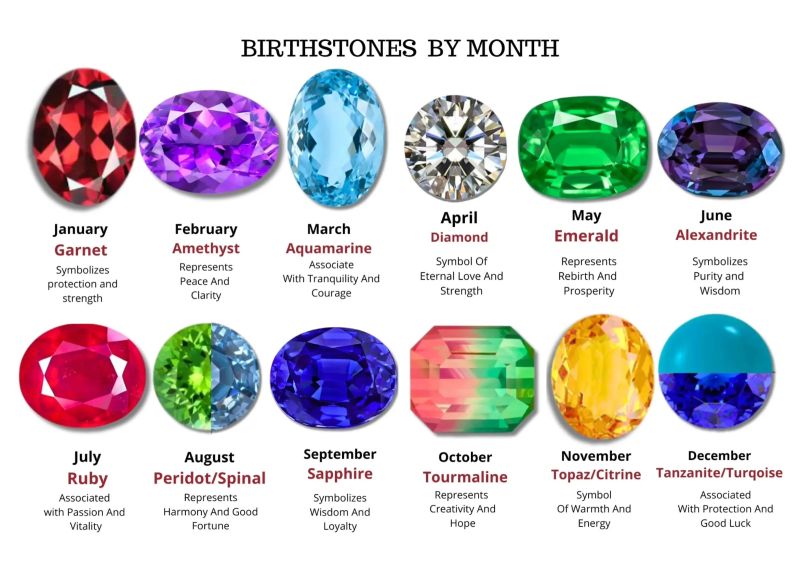
January: Garnet –
Color & Variety: Most commonly a rich, deep red, but garnet also occurs in vibrant greens, oranges, and even rare color-changing varieties.
Symbolism & Meaning: Historically, garnet has been revered as a stone of protection for travelers and a symbol of deep, enduring commitment and love. Its vibrant red hue is associated with the heart, blood, and inner fire, promoting vitality and passion.
Care Tips: With a good hardness (6.5-7.5 on the Mohs scale), garnet is suitable for daily wear but should be protected from hard knocks. Clean with warm soapy water and a soft brush.
February: Amethyst –
Color & Variety: Ranges from light lilac to deep, regal purple. The finest color is a strong reddish-purple or deep purple with rose-colored flashes.
Symbolism & Meaning: The name amethyst derives from the Greek word "amethystos," meaning "not intoxicated." Ancient Greeks and Romans believed it warded off drunkenness and promoted a clear, calm, and balanced mind. It has long been associated with spirituality, peace, and stress relief.
Care Tips: Amethyst is a quartz (Mohs 7) but its color can fade with prolonged exposure to strong sunlight. Store it carefully and clean with mild soap and water.
March: Aquamarine –
Color & Variety: Prized for its tranquil, light blue to blue-green color, reminiscent of clear ocean waters. Deeper blue tones are generally more valuable.
Symbolism & Meaning: Named from the Latin for "seawater," aquamarine was considered the treasure of mermaids and a talisman for sailors, offering protection on voyages. It symbolizes courage, soothing fear, and calming the mind. It's an ideal stone for communicators, promoting clarity and truth.
Care Tips: With good durability (Mohs 7.5-8), aquamarine is excellent for jewelry. Clean with warm, soapy water. Ultrasonic cleaners are usually safe unless the stone has significant inclusions.
April: Diamond –
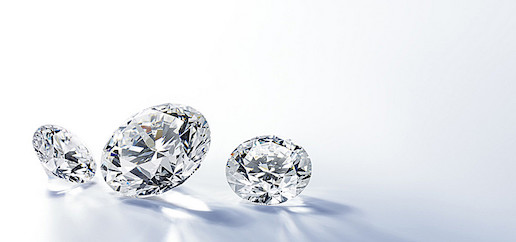
Color & Variety: While famed for its colorless perfection, diamond comes in a rainbow of "fancy" colors yellow, pink, blue, and more. It is the hardest known natural substance on Earth.
Symbolism & Meaning: The diamond's unmatched hardness and brilliant fire have made it the ultimate symbol of eternal love, commitment, and invincibility. It represents purity, strength, and unwavering light. Choosing the right diamond involves understanding the Four Cs: Cut, Color, Clarity, and Carat.
You can learn more about these essential qualities in our comprehensive CaratX Diamond Guide.
Care Tips: Despite its hardness, diamond can chip if struck at the right angle. It can also be stained by grease. Clean regularly with a mild detergent or a commercial jewelry cleaner to maintain its spectacular fire.
May: Emerald –
Color & Variety: The most desirable color is a vivid, lush green with a bluish secondary hue. Emeralds are almost always included (contain natural imperfections), which are accepted as part of their character, often described as a "garden."
Symbolism & Meaning: For over 4,000 years, emerald has been the symbol of spring, rebirth, and enduring love. Cleopatra famously adored them. It is associated with foresight, good fortune, and promoting harmony and growth.
Care Tips: Emeralds are more fragile than they appear (Mohs 7.5-8) and are often treated with oils to minimize the appearance of inclusions. Clean only with a soft, damp cloth and avoid ultrasonic cleaners, heat, and harsh chemicals.
June: Pearl & Alexandrite –
Pearl: Organic gems formed within mollusks. They symbolize purity, humility, and innocence. Their soft luster represents inner wisdom and a calm demeanor.
Alexandrite: One of the rarest and most remarkable gemstones, famous for its color-changing phenomenon appearing green in daylight and red under incandescent light. Discovered in 1830 in Russia, it symbolizes luck, prosperity, and the balance between the physical and spiritual realms.
Care Tips: Pearls are soft and sensitive to acids (like perfume or sweat), dryness, and scratches. Wipe them after wearing with a soft cloth. Alexandrite is durable (Mohs 8.5) and can be cleaned with warm soapy water.
July: Ruby –
Color & Variety: The finest ruby color is a vivid, medium-dark toned red known as "pigeon's blood." It is a variety of the mineral corundum, the same species as sapphire.
Symbolism & Meaning: Ruby's fiery red has always been linked to the heart, courage, and life force. Ancient cultures believed it held the power of life. It is the ultimate stone of passion, driving, and leadership, promising vitality and confidence to its wearer. The Gemological Institute of America (GIA) notes that ruby has been prized among the world's most valuable gemstones for centuries.
Care Tips: Excellent hardness (Mohs 9) makes ruby ideal for everyday wear. Clean with warm soapy water or an ultrasonic cleaner.
August: Peridot –
Color & Variety: Ranges from yellowish-green to a vibrant, pure "bottle" green. It is one of the few gemstones that only occurs in one color.
Symbolism & Meaning: Called the "gem of the sun" by ancient Egyptians, peridot was believed to ward off night terrors. It is a stone of lightness, positive energy, and renewal, helping to reduce stress and anger while attracting good fortune.
Care Tips: Peridot has fair to good durability (Mohs 6.5-7). Avoid sudden temperature changes and clean only with a soft brush in warm, soapy water. Avoid steam and ultrasonic cleaners.
September: Sapphire –
Color & Variety: While iconic blue, sapphire comes in a "fancy" spectrum of pink, yellow, orange, green, and the rare, prized padparadscha (orange-pink). Like ruby, it is a corundum.
Symbolism & Meaning: For centuries, sapphire has symbolized sincerity, faithfulness, and wisdom. Medieval clergy wore it to represent heaven, and it has long been associated with royalty and romance. It is believed to bring peace, joy, and mental clarity.
Care Tips: Excellent durability (Mohs 9). Most sapphires can be cleaned safely with warm soapy water or an ultrasonic cleaner.
October: Opal & Tourmaline –
Opal: Famous for its play-of-color a dazzling display of spectral colors that shifts with movement. It symbolizes creativity, imagination, and spontaneity.
Tourmaline: Exists in more colors and color combinations than any other gemstone, from vibrant watermelon (pink center, green rind) to deep indicolite blue. It is a stone of emotional healing, compassion, and grounding.
Care Tips: Opal is relatively soft (Mohs 5.5-6.5) and can be damaged by heat and dryness. Clean gently with a damp cloth. Tourmaline is more durable (Mohs 7-7.5) but should be protected from hard knocks. Clean with warm soapy water.
November: Topaz & Citrine –
Topaz: While often blue in jewelry, its natural imperial topaz color is a vivid orangey-pink to red-orange. It symbolizes strength, intellect, and warmth.
Citrine: The transparent, yellow to orange-brown variety of quartz. Its sunny color has earned it the nickname "merchant's stone," believed to attract wealth, success, and prosperity.
Care Tips: Both are durable (Mohs 7 for Citrine, 8 for Topaz). Clean with warm soapy water. Note that some blue topaz is irradiated to achieve its color and should not be subjected to heat during repairs.
December: London Blue Topaz, Turquoise, & Tanzanite –
London Blue Topaz: A deep, inky, grayish-blue stone that exudes sophistication, calm, and clarity. It is believed to promote honest communication and emotional balance.
Turquoise: An opaque blue-to-green mineral that has been treasured as a talisman by ancient cultures from Egypt to the Native Americans. It is a universal stone of protection, friendship, and spiritual grounding.
Tanzanite: A stunning violetish-blue variety of zoisite, found only in one small area of Tanzania. It symbolizes spiritual awakening, transformation, and higher consciousness.
Care Tips: Blue Topaz is durable (Mohs 8). Turquoise is porous, soft (Mohs 5-6), and sensitive to chemicals; wipe clean with a dry cloth. Tanzanite is softer (Mohs 6.5) and must be worn and stored with great care to avoid chipping.
Choosing and Caring for Your Birthstone Jewelry -
Selecting birthstone jewelry is a personal journey. Consider not only the color and symbolism but also the lifestyle of the wearer. A durable stone like sapphire or diamond is perfect for an engagement ring or daily-wear piece, while a more delicate opal or pearl might be better suited for earrings or special occasion necklaces.
When you find your perfect piece, proper care ensures it lasts generations. Regular, gentle cleaning with appropriate methods, safe storage to prevent scratches, and periodic professional check-ups for pronged settings are essential.
Find Your Perfect Birthstone on CaratX
Your birthstone is a personal emblem, a connection to history, and a work of natural art. At CaratX , we are dedicated to connecting you with extraordinary gemstones and jewelry from trusted sellers across the globe.
Our marketplace offers an unparalleled selection, from classic solitaires to unique designer creations, all with the transparency and trust you deserve.
Ready to explore? Begin your search in our Diamond & Gemstone collection.
Are you a jeweler or seller with exceptional stones? Launch your products on CaratX today and reach a global audience of discerning buyers.
For personalized service and to discover the latest trends, visit our main marketplace at www.caratx.com.
Let your birthstone be more than a gem, let it be a story you wear, a meaning you cherish, and a connection to the timeless beauty of the earth.
Frequently Asked Questions (FAQs)
Q: Can I wear a birthstone that isn't for my birth month? A: Absolutely. Many people choose stones based on the meaning or properties they desire, or simply for their beauty. It's a personal choice.
Q: Are there modern vs. traditional birthstone lists? A: Yes. The list in this article follows the modern list. Some months have historical alternatives (e.g., December's turquoise). Both are considered valid.
Q: How can I verify the authenticity of a birthstone I purchase? A: Always buy from reputable sellers. For valuable stones like diamonds, rubies, or sapphires, request a laboratory report from a recognized gemological institute like the GIA or AGS.
Q: What is the most durable birthstone for an everyday ring? A: Diamond (Mohs 10) is the hardest, followed by sapphire and ruby (Mohs 9). These are excellent choices for rings that will withstand daily wear.
Image Credit - Geology In