
The global diamond industry is experiencing a major transformation as lab-grown diamonds rapidly gain market share.

Home News And Media The global diamond industry is experiencing a major transformation as lab-grown diamonds rapidly gain market share.

SHOP NOW
The global diamond industry is experiencing a major transformation as lab-grown diamonds rapidly gain market share.

image

The diamond industry is undergoing its most significant transformation since De Beers' legendary "A Diamond is Forever" campaign. According to a recent market report from jewelry insurer BriteCo, the year 2025 marks a pivotal moment: lab-grown diamonds are no longer just an alternative, they are a dominant force.

As the marketplace that connects buyers and sellers in over 18 countries, CaratX watches these trends closely. Whether you are a consumer looking for the best value or a seller adapting to shifting demands, understanding the 2025 landscape is crucial. The data reveals a fascinating story of technology, changing consumer values, and a market that has truly split into two distinct paths.

Let's dive deep into the BriteCo report and explore what these numbers mean for the industry, and for you.

The 42% Threshold: Lab-Grown Captures Critical Mass

The headline statistic from BriteCo’s 2025 analysis is stark: 42% of all diamond jewelry sold now contains lab-grown diamonds. This is not a niche market anymore. This penetration rate is even higher in the critical engagement ring sector, where lab-grown stones account for 48% of sales.

This shift represents a fundamental change in consumer psychology. For decades, the "4 Cs" (Cut, Color, Clarity, Carat) were the primary drivers. Now, a fifth factor has entered the chat: Origin. Buyers are increasingly viewing natural and lab-grown diamonds as different products serving different needs.

Why the Shift? The Perfect Storm of the Early 2020s

The BriteCo report correctly identifies that this didn't happen overnight. It was a perfect storm:

Improved Manufacturing: The Chemical Vapor Deposition (CVD) and High-Pressure High-Temperature (HPHT) processes have matured. The early "tell-tale" signs of lab-grown stones (like brownish tints or distinct growth lines) have been largely eliminated by technological advancements.

The "Covid Effect": During the pandemic, supply chain disruptions affected natural diamond mining while simultaneously, consumer spending shifted from experiences to tangible goods. Lab-grown manufacturers, often based in countries with different pandemic protocols, were able to scale up production to meet this new demand.

Price Divergence: As we will explore next, the price gap became a chasm.

The Price War: $4,200 vs. $1,000

The economics of diamonds have been rewritten. The BriteCo report states that in 2025, the average price for a natural 1-carat diamond hovers around $4,200, with a range of $3,000 to $6,000. In contrast, a lab-grown 1-carat diamond averages $1,000 or less.

This is not just a discount; it's a different price category altogether. For the price of one natural carat, a consumer can now buy a lab-grown stone that is significantly larger, or of higher color/clarity, or pair it with a more elaborate setting.

The Economic Ripple Effect -

This price pressure has had a knock-on effect on the natural diamond market. Major mining companies have had to adjust their strategies, focusing on the "ultra-luxury" segment and increasing marketing efforts to highlight the rarity and geological romance of natural stones. The Gemological Institute of America (GIA) continues to provide crucial research on how to identify and grade both categories, maintaining transparency in the market.

The "Bigger is Better" Trend: From 1.31ct to 2.45ct

Perhaps the most telling statistic from the BriteCo report is the explosion in average carat weight for lab-grown engagement ring center stones. Between 2019 and 2025, the average size jumped from 1.31 carats to 2.45 carats.

This is the "mansion effect." With the cost-per-carat of lab-grown diamonds plummeting, consumers are engaging in "size maximization." A 2.5-carat stone that would cost a small fortune in the natural market is now accessible to a much wider audience.

The Shape Shift: Overtaking the Round

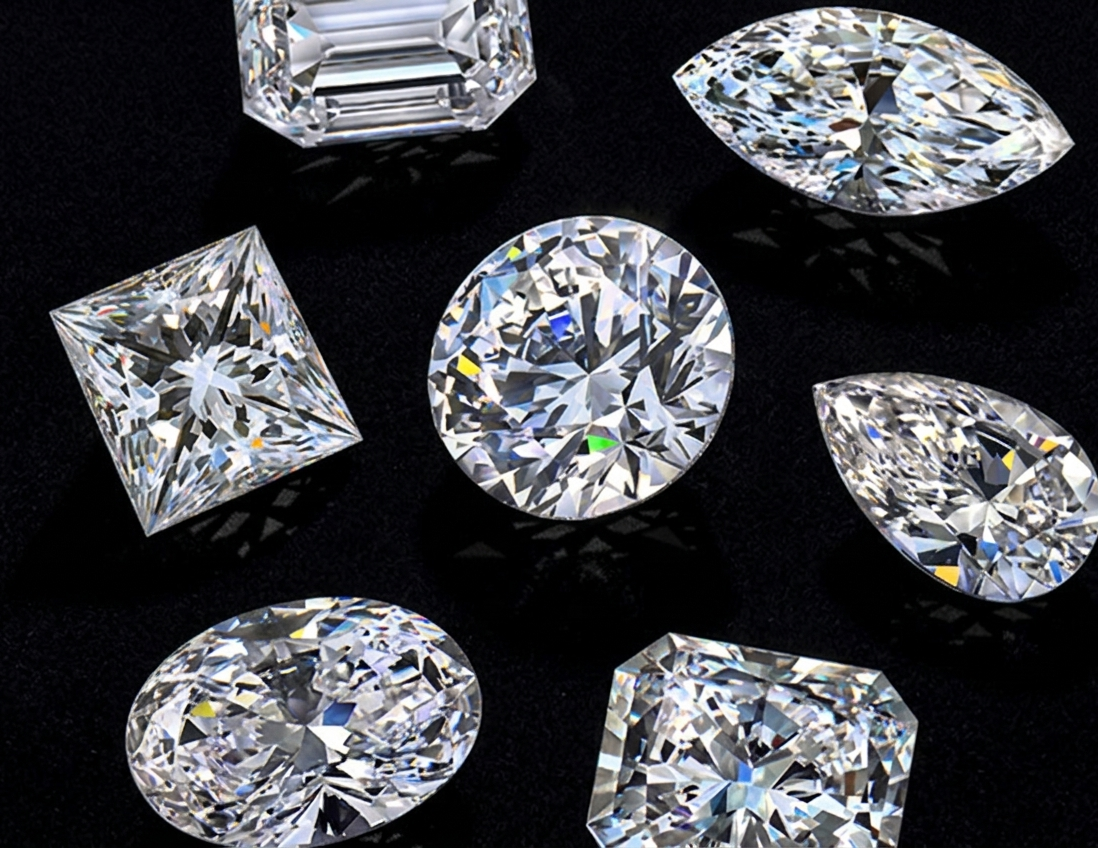
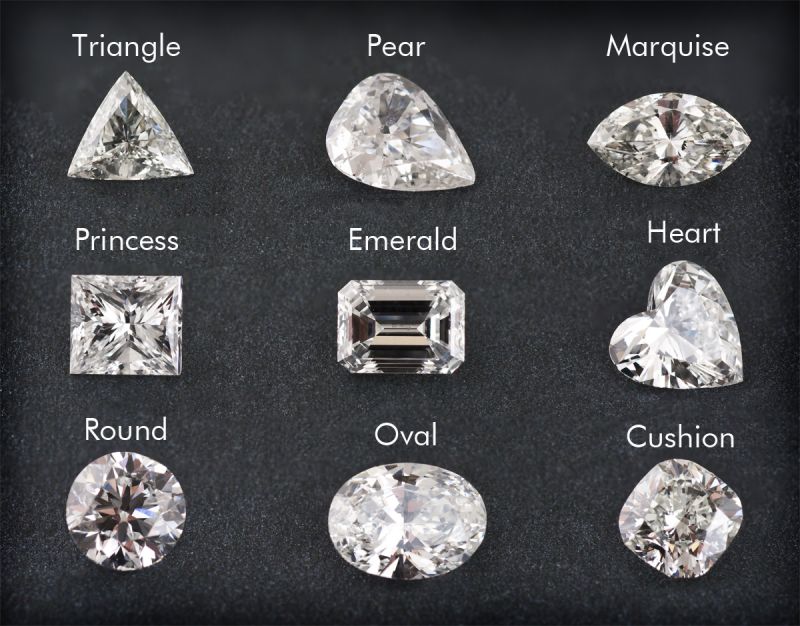
When you can afford a bigger stone, the shape you choose changes. The BriteCo report notes that in 2025, Oval became the most popular shape for lab-grown diamonds, dethroning the classic round brilliant.

Why the shift to oval?

Perceived Size: Oval cuts face up larger than round brilliants of the same carat weight because they elongate the stone.

Modern Aesthetic: The oval has a sleek, elongated silhouette that fits perfectly with contemporary jewelry design trends.

Finger Elongation: Many consumers prefer the flattering, finger-lengthening effect of an oval shape.

This trend is crucial for sellers on the CaratX marketplace.

If you are listing inventory, stocking popular ovals and other fancy shapes (pear, marquise, emerald cut) is likely a winning strategy right now.

Browse the latest trending shapes on CaratX to see what's in demand.

The Future: BriteCo's 2025 Predictions

The BriteCo report doesn't just look backward; it offers a compelling vision of the future. Their predictions align with what we are seeing in the global trade data on CaratX .

1. Natural Diamond Marketing Intensifies -

As lab-grown diamonds capture market share, natural diamond producers will fight back. We can expect to see a resurgence of marketing campaigns focused on heritage, rarity, and the billions of years of geological history contained in a natural stone. This is about repositioning the natural diamond as the ultimate luxury good, distancing it from the commodity-like pricing of lab-grown.

2. Lab-Grown as Its Own Category -

For years, lab-grown diamonds were compared to natural diamonds, they were "just as good as" the real thing. BriteCo predicts they will increasingly be viewed as their own category of jewelry, akin to Moissanite or other fine synthetic gems. This is a healthy evolution for the market, allowing consumers to choose based on preference and budget without the baggage of comparison.

3. A Return to Natural for Engagement Rings -

BriteCo posits that consumers may start choosing natural diamonds for engagement rings again. This suggests a potential cyclical trend where, after the initial rush to size and affordability, a segment of the market may return to the perceived permanence and tradition of natural stones.

However, it is unlikely the market will ever return to the pre-2020 status quo. The two categories will likely coexist, serving different customer segments.

4. The Rise of Fancy Colored Lab-Grown Diamonds -

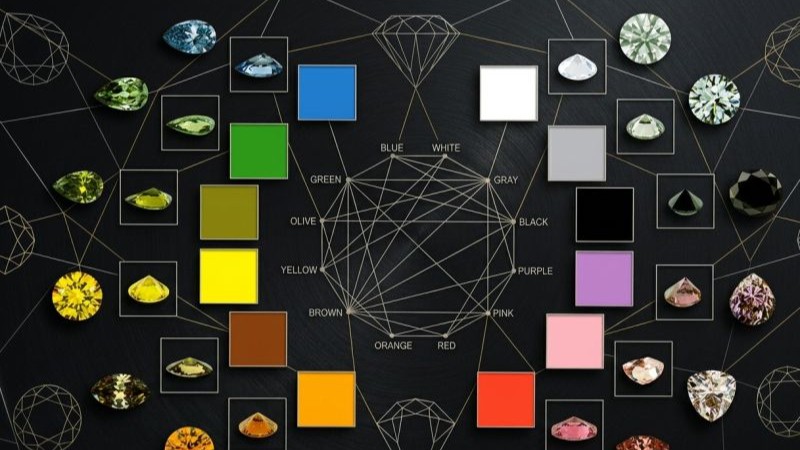
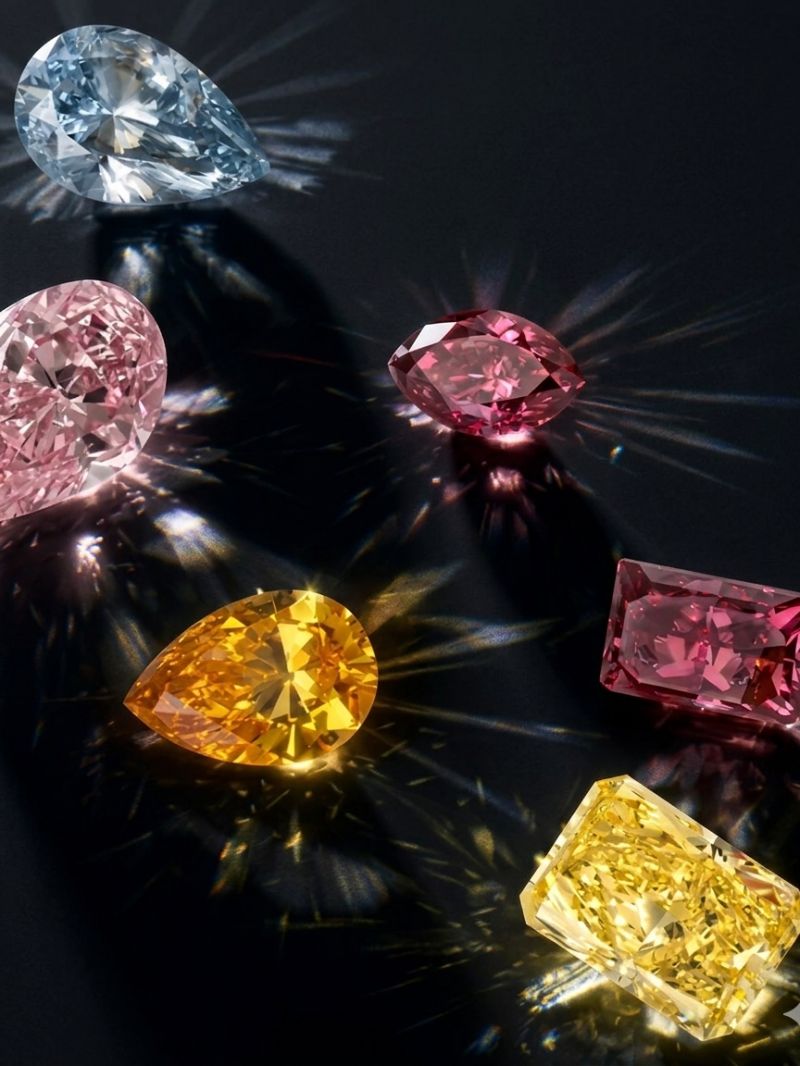
Technology is advancing rapidly. Creating a flawless, D-color (colorless) diamond in a lab is now routine. The next frontier is fancy colors. Natural fancy vivid blue, pink, or red diamonds are among the rarest and most expensive materials on Earth. Labs can now produce these colors with increasing consistency and at a fraction of the cost.

BriteCo predicts this will be a major growth area. Imagine a 2-carat vivid pink diamond for the price of a mid-range car that is the future we are heading towards.

For a look at the current state of colored diamonds (both natural and lab), check the collections available on CaratX.

The Verdict: A Two-Track Market

The BriteCo 2025 report confirms what traders on CaratX experience daily: we are living in a two-track diamond market.

Track 1 (Natural): Focuses on investment-grade stones, ultra-luxury, heritage, and the story of billions of years. It is the domain of the connoisseur.

Track 2 (Lab-Grown): Focuses on accessible luxury, size, fashion-forward shapes (like oval), and technological marvel (like fancy colors). It is the domain of the modern consumer.

Both tracks are valid. Both tracks have passionate buyers. The key to success in 2025 is understanding which track you are on and marketing accordingly.

Whether you are a seller looking to reach B2B buyers across 18+ countries, or a buyer searching for the perfect stone at the perfect price, the CaratX platform is built for this new era.

Register as a seller today to list your inventory, or explore our marketplace to find your next diamond.

Frequently Asked Questions (FAQ) About Lab-Grown Diamonds in 2025

1. Can a jeweler tell the difference between a lab-grown and a natural diamond? Yes, professional gemologists using specialized equipment (like the gemological microscope discussed in our previous blog) can tell the difference. Labs like GIA and IGI use advanced spectroscopy and magnification to detect subtle growth patterns unique to lab-created stones. However, to the naked eye, they are visually identical.

2. Do lab-grown diamonds hold their resale value? Currently, lab-grown diamonds do not hold resale value as well as natural diamonds. Because they can be produced continuously, they function more like a consumer electronic than a finite natural resource. The secondary market for lab-grown diamonds is primarily for the gold/platinum content of the setting, not the stone itself. This is a key difference consumers should consider.

3. Are lab-grown diamonds considered "fake"? No. They are chemically, physically, and optically identical to natural diamonds. The FTC has ruled that they are diamonds. The difference is origin: one is grown in the earth over billions of years, the other is grown in a laboratory over weeks or months. The correct term is "lab-grown" or "lab-created," not "fake" or "simulant" (like Cubic Zirconia).

4. Which is better for an engagement ring: natural or lab-grown? There is no objective "better," only what is better for you.

Choose Natural if you value tradition, rarity, and long-term investment potential.

Choose Lab-Grown if you prioritize maximum size and quality for your budget, or if you prefer the ethical and environmental assurances of a man-made product.

5. Where can I buy or sell lab-grown diamonds internationally? Platforms like CaratX specialize in connecting vetted sellers with international buyers.

You can register as a seller to access markets in over 18 countries, or shop as a buyer for a wide selection of both natural and lab-grown stones.

0 Comments

Please login to leave a reply.