

💎 Demand for Large and Fancy-Color Diamonds Continues to Rise -
Home
News And Media 💎 Demand for Large and Fancy-Color Diamonds Continues to Rise - SHOP NOWHome
News And Media 💎 Demand for Large and Fancy-Color Diamonds Continues to Rise - SHOP NOWJun, 11, 2026 by Archit Mohanty 0 Comments
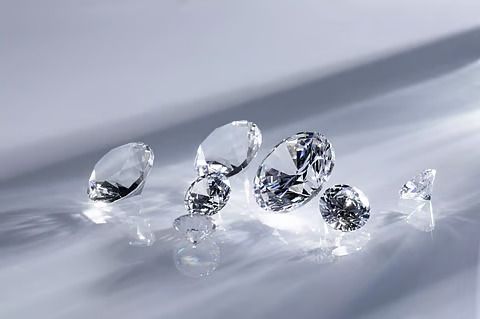
The global diamond industry is currently experiencing one of the most significant shifts in modern history. After three consecutive years of market contraction, the first half of 2026 has delivered a clear signal: the recovery is real, but it is strikingly uneven.
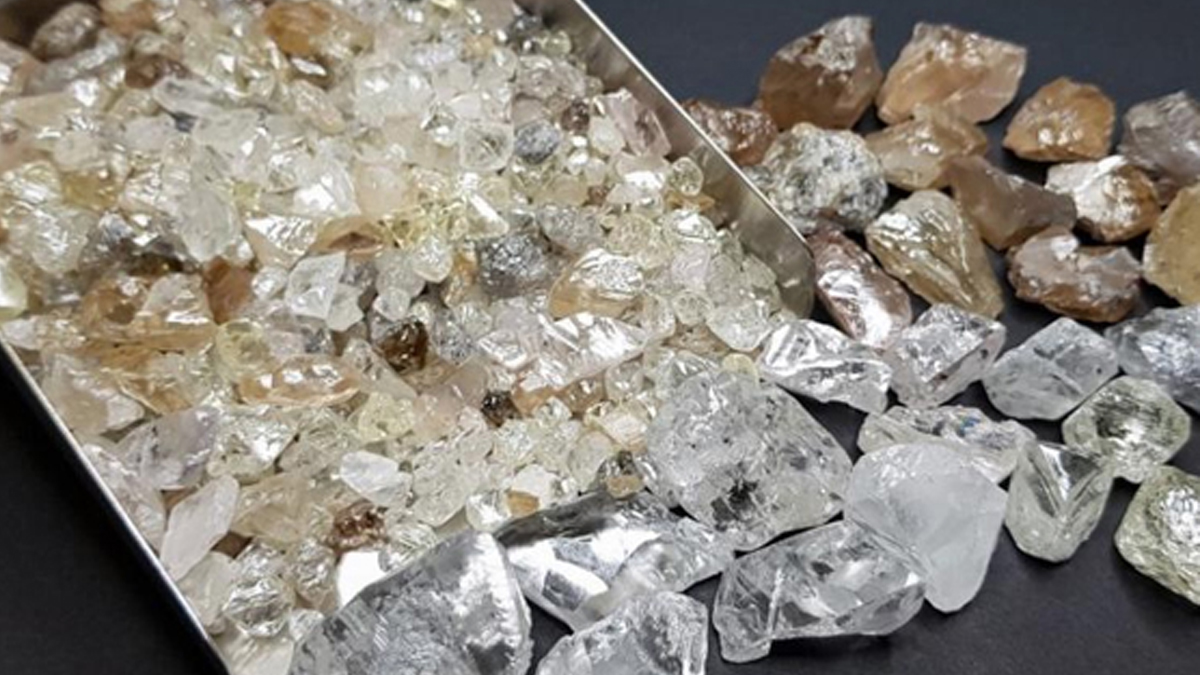
While commercial-grade diamonds continue to face pricing pressure, the high-value segment specifically large carat stones, investment-grade 2 to 10-carat diamonds, and rare fancy-color diamonds is witnessing a resurgence not seen since before the pandemic.
The most compelling data comes from Alrosa, the world's largest diamond miner by volume, which reported record customer interest in May 2026. According to the company, diamond viewings more than doubled year-on-year, reaching an eight-year high and surpassing pre-pandemic 2019 levels.
This surge in demand was concentrated in two specific categories: diamonds above 10.80 carats and rare fancy-color diamonds. Since the beginning of 2026, prices for roughly 80% of Alrosa's 2- to 10-carat diamonds have increased by 6% to 9%, a reflection of growing investor appetite for tangible, scarce assets in an uncertain economic climate.
This detailed report examines the forces driving this premium-market recovery: the unprecedented supply squeeze, the flight to tangible assets, the selective resilience of fancy-color diamonds, and the long-term case for investment-grade stones, all backed by authoritative data from industry bodies, academic research, and market analysts.
The most fundamental driver of the current market dynamics is supply. The global natural diamond industry is producing less than it has in decades, and the shortage is most acute in the large and fancy-color categories.
According to Paul Zimnisky, a world-leading independent diamond industry analyst, global natural rough diamond supply is forecast to fall below 95 million carats in 2026, the lowest output since 1987. Zimnisky emphasizes the severity of the contraction:
"It's hard to overstate the supply contraction over the last few years. I think the potential for a squeeze in natural diamond prices is unusually heightened at the moment and could be set off with any positive demand catalyst." Paul Zimnisky, CFA
For context, global output has fallen from over 150 million carats as recently as 2017 to barely over 100 million carats in 2025. This dramatic decline stems from a combination of resource depletion (legacy mines reaching the end of their economic lives), operational curtailments (producers voluntarily cutting output to stabilize prices), and a lack of new discoveries (developing a new diamond mine takes 10 to 12 years).
Both De Beers and Alrosa have significantly reduced production in response to market conditions:
De Beers cut its 2026 production guidance to 21–26 million carats, down from 26–29 million carats previously, representing production at roughly 35% below capacity.
Alrosa announced plans to reduce output by 14% to 25–26 million carats in 2026.
Rio Tinto is in the process of closing Diavik, its only remaining producing diamond mine, which produced upwards of 7 million carats annually as recently as 2019.
This coordinated supply discipline means that as demand returns, there is limited capacity to quickly ramp up production particularly for large stones, which are rare by their very nature.
Large diamonds above 2–3 carats are disproportionately affected by supply constraints. Alrosa noted that shortages of larger, high-value stones particularly those above 2–3 carats are increasingly driving price stability and demand. The geological reality is that large rough diamonds are exponentially rarer than small ones. When production volumes fall across the board, the absolute number of large stones entering the market collapses even more dramatically.
The demand side of the equation is equally compelling. May 2026 marked a turning point for the industry.
Alrosa reported that the number of customer viewings of its diamond products in May 2026 more than doubled compared with May 2025. This figure is particularly significant because viewings are a leading indicator of actual purchasing intent. The miner also noted that May 2026 viewings exceeded pre-pandemic levels recorded in 2019, signaling a return of buyer confidence after years of caution.
According to multiple industry reports, the strongest demand was concentrated in three distinct segments:
Diamonds above 10.80 carats – ultra-large stones prized by collectors and high-end jewelry houses.
Rare fancy-color diamonds – stones with vivid and intense color saturation, particularly pinks, blues, and yellows.
Investment-grade stones between 2 and 10 carats – the sweet spot for wealth preservation and portfolio diversification.
Since the beginning of 2026, prices for roughly 80% of Alrosa's 2- to 10-carat diamonds have increased between 6% and 9%. These price increases first appeared in January 2026 and accelerated through February and March.
While the rough diamond market is recovering broadly, the fancy-color diamond segment has demonstrated remarkable stability throughout the industry downturn.
According to the Fancy Color Research Foundation (FCRF), the Q1 2026 Fancy Color Diamond Index (FCDI) declined just 0.2% quarter-on-quarter, following a 0.1% decline in Q4 2025. Over the trailing twelve months, the index fell only 0.9%, a remarkably small movement for any asset class during a period of global economic uncertainty.
The FCRF noted that such "minuscule movements often reflect the broader sentiment of the diamond industry rather than a meaningful shift in actual fancy color diamond transactions". In other words, the underlying demand for high-quality fancy-color stones remains intact, with price adjustments driven largely by specific characteristics such as size, color intensity, and rarity rather than broad market weakness.
The pink diamond category was down 0.3% in Q1 2026 and 0.8% year-on-year. However, this aggregate figure masks significant variation within the category:
1-carat Fancy Intense Pink was the top performer across all fancy colors in Q1 2026, rising by 1.9%.
Larger fancy vivid pinks saw more pressure, reflecting profit-taking after years of exceptional gains.
This selective performance confirms that strong color intensity and accessible carat weights continue to attract buyer interest.
Blue diamonds demonstrated even greater stability, declining just 0.3% in Q1 2026 and 0.5% on a trailing 12-month basis. The category benefits from exceptionally tight supply and consistent demand from collectors, particularly for stones in the 1 to 3-carat range.
Yellow diamonds the most abundant of the fancy colors recorded the largest yearly decline, down 1.2% on a trailing 12-month basis. However, premium stones with intense and vivid saturation continue to perform well, mirroring the broader market's bifurcation between commercial and investment-grade stones.
The convergence of rising demand and falling supply has elevated investment-grade diamonds specifically stones in the 2 to 10-carat range with high clarity, excellent cut, and GIA certification into a legitimate alternative asset class.
Alrosa's data reveals that approximately 80% of its 2 to 10-carat diamonds by value have seen price increases of 6% to 9% since the beginning of 2026. This category is "commonly sought by collectors, investors and high end jewellery manufacturers".
The 2 to 10-carat segment represents a sweet spot for investment:
Below 2 carats: More abundant, subject to greater price volatility from commercial jewelry demand.
Above 10 carats: Exceptionally rare, but also less liquid and requiring significantly more capital.
2 to 10 carats: Scarce enough to command premium pricing, liquid enough to trade through multiple channels, and accessible to a broader range of investors.
Alrosa has highlighted that "shortages of larger, high-value stones, particularly above 2–3 carats, are increasingly driving price stability and demand". As global production continues to fall and existing mines deplete, the inventory of certified investment-grade diamonds available for purchase will only shrink further.
"Only one in 10,000 diamonds has a fancy colour. Large, vivid fancy colour diamonds are extremely rare and very valuable. The rarest and most valuable colors are saturated pinks, blues, and greens."
Based on current data and analyst projections, several trends will shape the diamond market for the remainder of 2026 and into 2027.
Both De Beers and Alrosa have signaled their commitment to aligning output with prevailing demand rather than flooding the market. This supply discipline means that the current shortage of large stones is unlikely to ease in the near term. According to Paul Zimnisky, "the potential for a squeeze in natural diamond prices is unusually heightened".
Yes but selectively. The bifurcation between commercial and investment-grade diamonds is expected to persist. Investment-grade stones (2 to 10 carats, high clarity, excellent cut, GIA certified) will likely continue their upward trajectory, while smaller, lower-quality commercial goods may remain under pressure.
Despite minor price corrections in some fancy-color categories in Q1 2026, the FCRF emphasizes that "the fancy colour diamond market remains resilient, with selective price movements largely driven by specific factors such as size, colour intensity and rarity". For investors, this means focusing on high-saturation stones (Fancy Intense and Fancy Vivid) in accessible carat weights (1 to 5 carats).
Wealthy consumers in India, China, and the Middle East continue to drive growth in the high-value segment. India's diamond exports increased by 54% in February 2026 compared to January, reflecting rebounding demand from the world's largest diamond cutting and polishing hub.
While the case for investment-grade diamonds is compelling, potential investors should be aware of several important considerations.
Diamonds are less liquid than publicly traded stocks or gold but more liquid than physical art or real estate. Certified stones can be sold through auctions, private dealers, or online B2B marketplaces like CaratX within a matter of weeks. The most liquid categories are 1 to 3-carat investment-grade stones with GIA certification.
The diamond industry is subject to geopolitical risks, including trade sanctions (G7 nations imposed full sanctions on Russian diamonds in July 2024) and supply chain disruptions. However, these risks can also create opportunities, as they constrain supply and support prices.
A: Three primary factors: supply constraints (global production at 40-year lows), inflation hedging (high-net-worth individuals seeking tangible assets), and post-pandemic recovery (rebounding consumer confidence and luxury spending). Alrosa reported that viewings of its diamonds in May 2026 more than doubled year-on-year, with the strongest demand for stones above 10.80 carats and fancy-color goods.
A: Since the beginning of 2026, prices for roughly 80% of Alrosa's 2 to 10-carat diamonds have increased between 6% and 9%. The increases first appeared in January and accelerated through February and March.
A: Yes. The FCRF Q1 2026 index declined only 0.2% a minuscule movement that reflects stability, not weakness. The FCRF notes that "the fancy colour diamond market remains resilient, with selective price movements largely driven by specific factors such as size, colour intensity and rarity". Top performers like 1-carat Fancy Intense Pink rose 1.9% in Q1 2026.
A: Entry-level investment-grade fancy color diamonds typically start in the $5,000 to $10,000 range for smaller Fancy Light yellow stones. However, for meaningful long-term appreciation, investors should consider stones priced between $15,000 and $50,000 for Fancy Intense yellows or small pinks. Premium portfolios often allocate six to seven figures for larger Fancy Vivid stones.
A: No. Lab-grown diamonds (LGDs) are chemically identical but infinitely scalable in production. As a result, they experience rapid price deflation (50–70% over a few years) and have virtually no secondary market value. Only natural diamonds exhibit the long-term price appreciation and scarcity premium discussed throughout this analysis.
Whether you're a collector seeking investment-grade fancy color diamonds, a seller looking to reach 18+ international markets, or a jewelry enthusiast wanting to learn more, CaratX is your trusted global marketplace for certified natural diamonds and gemstones.
For Sellers: Start selling diamonds in 18+ International countries – Register Here
For Buyers: Shop natural diamonds and gemstones from our marketplace – Shop Now
For Jewelers: Sell jewelry internationally to B2B and B2C buyers through our CaratX seller plan – Learn More
Pricing: More details about our transparent pricing structure – Check Here
Aug, 06, 2022
Aug, 06, 2022
Apr, 01, 2026
0 Comments
Please login to leave a reply.