

The 2026 Diamond Market: How Fancy Shapes and a US-India Trade Deal Are Redefining the Industry
Home
Education Blog The 2026 Diamond Market: How Fancy Shapes and a US-India Trade Deal Are Redefining the Industry SHOP NOWHome
Education Blog The 2026 Diamond Market: How Fancy Shapes and a US-India Trade Deal Are Redefining the Industry SHOP NOWFeb, 06, 2026 by Archit Mohanty 0 Comments
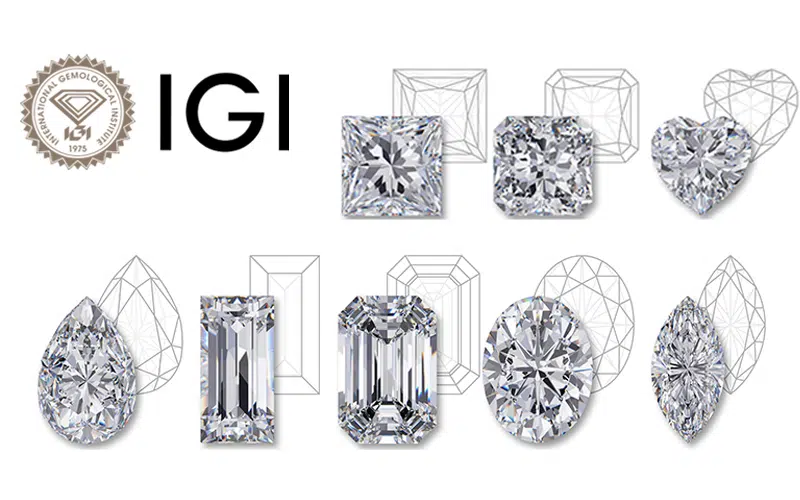
The global diamond market is experiencing a dynamic shift in 2026, driven by evolving consumer tastes and significant geopolitical developments. While round brilliants have long held the throne, a new reign of fancy-shaped diamonds is underway, supported by a landmark trade agreement between the United States and India. This analysis dives deep into the trends, data, and implications for traders, retailers, and enthusiasts alike.
The most striking trend this year is the outperformance of select fancy shapes over traditional rounds, particularly in stones of 2 carats and above. According to industry reports, Marquise diamonds currently command the highest price per carat among all fancy shapes.
Their elongated silhouette and distinctive bow-tie effect (when cut correctly) are capturing the hearts of designers and consumers seeking vintage-inspired yet modern looks.
The demand for Oval diamonds remains exceptionally robust, especially in the US market. Buyers are gravitating towards elongated ovals in the D–I color range and VS–SI clarity, a sweet spot that offers exceptional brilliance and size perception without the premium of flawless stones.
This trend is partly documented by gemological authorities like the Gemological Institute of America (GIA), which notes the increasing sophistication of buyers in understanding cut quality over pure grade metrics.
Emerald Cut diamonds, with their hall-of-mirrors clarity and step cuts, are also seeing a strong resurgence. Their clean, architectural lines appeal to a market leaning towards understated luxury.
A critical factor influencing the market is a pronounced shortage in specific models. Long Radiants and Long Cushions are in acutely short supply, leading to rapid sales and inflated premiums. Notably, Long Cushions are trading at a 20% to 25% premium compared to their square counterparts.
This shortage in top-quality "long" models across various shapes is likely to support and potentially drive prices even higher in the coming months, creating a window of opportunity for holders of such inventory.
The market is exhibiting a clear polarization in quality perception. Very well-cut fancy shapes are rare and selling at significant premiums. Conversely, as noted in global trade updates, fancy shapes with poor proportions are becoming extremely difficult to sell and often remain unsold.
This underscores a critical lesson for buyers and sellers: precision cutting is no longer a niche preference but a primary value driver. Resources like the International Gem Society’s (IGS) library on diamond proportions provide valuable context for why cut is so crucial.
While the US market shows unwavering strength for elongated shapes, there are subtleties elsewhere.
In India, prices for 0.30 to 0.79 ct Ovals and Pears are softening, with a key exception: the ideal "long" models continue to hold their value. This indicates a global, rather than regional, appreciation for superior elongation and cut.
In contrast to the winners, Princess cuts remain weak, with consistently lower demand. This may be due to market saturation from previous years or a cyclical shift in consumer preference toward softer, more organic elongated forms.
Explore the diamonds shaping the market on CaratX:
Shop our curated collection of high-demand Oval Cut Diamonds.
Discover the elegant lines of our Emerald Cut Diamonds.
Find rare and premium Long Cushion Cut Diamonds on our marketplace.
The global diamond industry received a massive confidence boost with President Donald Trump's announcement of progress on a US-India trade deal. This news has immediately improved market sentiment, stabilized pricing, and invigorated trading activity in key centers from Antwerp to Surat.
The core hope stems from the agreement's potential to reduce jewelry tariffs to a more manageable 18%, offering major relief to exporters. There is even widespread speculation that diamonds and gemstones could become fully exempt from tariffs, a move that would reshape trade flows.
In anticipation of these finalized terms, many Indian exporters are expected to pause shipments to the US, creating a short-term supply dynamic that could firm up prices. The World Diamond Council often provides updates on such pivotal trade policies.
This optimism is already reflecting in the numbers. After declines in January, round diamond prices turned stable in early February. The RAPI (Rapaport Price Index) for January showed softer declines than in previous quarters:
0.30 ct & 1 ct RAPI: -1.3%
0.50 ct RAPI: -1.2%
US retail and wholesale activity has remained steady, suggesting underlying consumer strength is being amplified by trader confidence.
The positive mood was evident at major industry events. The Centurion Show in Tucson reported strong buyer attendance and robust demand, particularly for colored gemstones and high-end diamonds. This aligns with the broader trend of diversification and personalized luxury.
Major producers are adapting to the new landscape. De Beers, in a significant strategic shift, is re-evaluating its company value and has cut its 2026 production plan to 21–26 million carats, down from the previously guided 26–29 million carats.
This follows a year where rough prices fell around 25% in 2025, with additional special deals offered to sightholders. The subsequent busy rough-trading events in Antwerp have helped restore confidence among dealers, creating a more stable foundation for the polished market.
Leverage the new trade dynamics with CaratX:
Sellers, register on the CaratX marketplace to start selling to our network of B2B and B2C buyers across 18+ countries.
Expand your reach: Learn how to sell jewelry internationally through our dedicated seller plan.
For buyers: Shop natural diamonds and gemstones at competitive prices directly from our global marketplace.
The convergence of these two trends, fancy shape dominance and trade deal optimism creates a unique market environment. We can expect:
Increased Premiums for Precision-Cut Elongated Shapes: The shortage in long models, combined with high demand, will likely sustain and grow price premiums.
A More Integrated US-India Supply Chain: A favorable trade deal will streamline operations, reduce costs, and potentially increase the flow of goods, benefiting consumers with more choice and stable pricing.
Renewed Focus on Cut and Craftsmanship: As poor-proportioned stones languish, the industry's emphasis will rightfully return to the art of cutting, a principle long championed by institutions like the American Gem Society (AGS).
Q: Why are Marquise diamonds the most expensive fancy shape right now? A: A combination of high demand for their unique shape, relatively lower supply due to cutting complexity (more rough wastage), and their strong performance in the 2-carat+ category has driven Marquise diamonds to the top of the price chart for fancy shapes.
Q: How will the US-India trade deal affect diamond prices for consumers? A: If tariffs are reduced or eliminated, it could lower costs for US retailers importing finished jewelry from India, a global manufacturing hub. This savings could be passed on to consumers or result in better value, though strong demand may absorb some of the benefit. It will likely lead to greater price stability.
Q: What does "long" model mean for cushions and radiants? A: A "long" cushion or radiant has a length-to-width ratio typically greater than 1.10, giving it a more rectangular or elongated appearance compared to a "square" model (ratio close to 1.00). This shape is currently more fashionable and in shorter supply.
Q: Why has De Beers cut its production guidance for 2026? A: This is a strategic response to weaker rough prices in 2025 and aims to better align supply with current demand, thereby supporting price stability across the market. It also reflects a company-wide value reassessment.
Q: Where can I buy or sell diamonds taking advantage of these trends? A: Platforms like CaratX provide a global marketplace connecting buyers and sellers directly. You can shop natural diamonds or register as a seller to start selling to an international audience, capitalizing on these precise market movements.
Market trend data and RAPI figures are synthesized from industry-standard reports including the Rapaport Price Index and IDEX Online market analysis.
Information on US-India trade deal progress is based on official announcements and reporting from Reuters and The Economic Times.
Gemological and cut quality principles referenced are in accordance with educational materials from the Gemological Institute of America (GIA) and the International Gem Society (IGS).
Production data for De Beers is sourced from the company's official production and sales reports.
Trade show sentiment is compiled from show reports and industry summaries from National Jeweler and JCK Online.
Ready to be part of the modern diamond trade? Whether you're looking to source ideal-cut fancy shapes or expand your business internationally, CaratX is your gateway.
Register as a seller today or explore our marketplace to experience the future of diamond trading.
Start Selling: www.caratx.com/register
Shop Diamonds: https://caratx.com/search-results/diamond
Shop Gemstones: https://caratx.com/search-results/gemstones
Learn About Our Pricing: https://caratx.com/generic-pages/launch-your-products-on-caratx
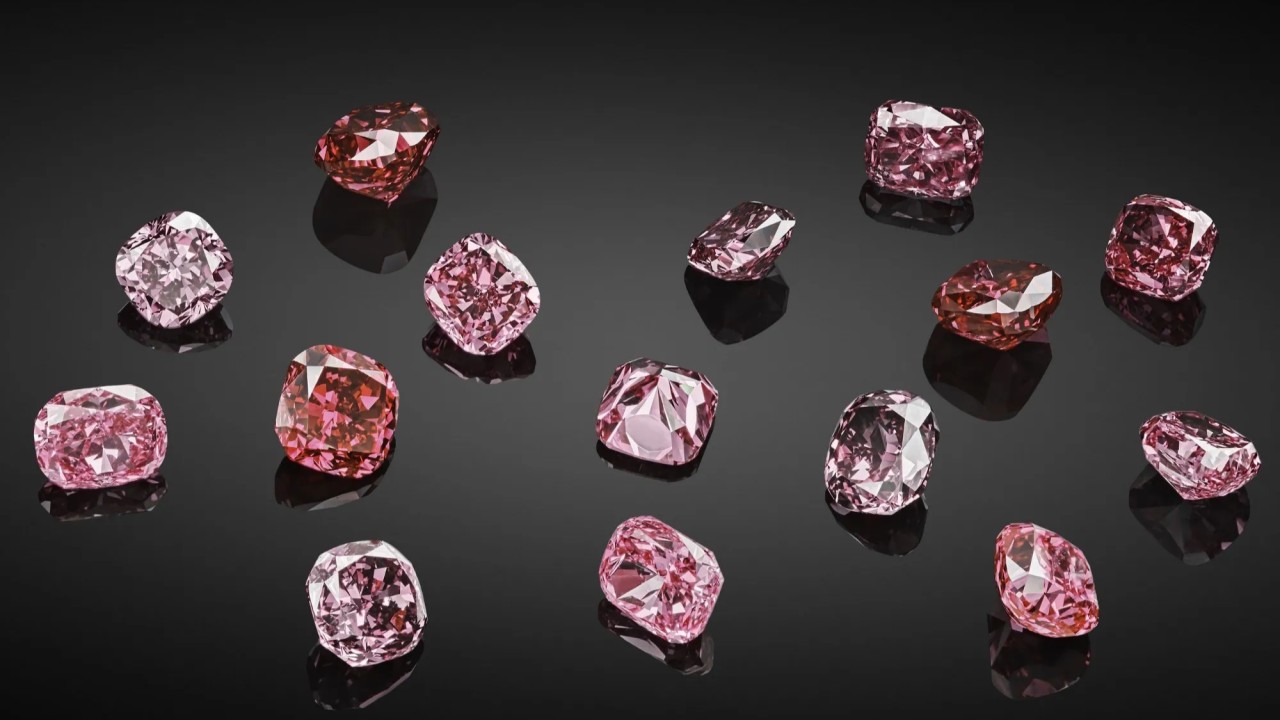
Image Credit - IGI
Jun, 18, 2026
Aug, 06, 2022
Aug, 06, 2022

0 Comments
Please login to leave a reply.