

Pink Sapphires: The Complete Guide to 2026’s Most Coveted Colored Gemstone
Home
News And Media Pink Sapphires: The Complete Guide to 2026’s Most Coveted Colored Gemstone SHOP NOWHome
News And Media Pink Sapphires: The Complete Guide to 2026’s Most Coveted Colored Gemstone SHOP NOWJun, 12, 2026 by Archit Mohanty 0 Comments
In the glittering world of fine jewelry, a quiet revolution has been unfolding. Pink sapphires once relegated to the sidelines as niche alternatives have blossomed into the undisputed stars of modern design. Their ascent from specialty gem to mainstream darling reflects a broader cultural shift toward personalized expression, color-infused luxury, and conscious consumption. This isn’t a fleeting trend; it’s a fundamental reimagining of what luxury gemstones represent for a new generation.
As buyers, particularly millennials and Gen Z, seek stones with personal meaning and visual distinctiveness, the soft blush to vivid fuchsia hues of pink sapphires offer a perfect canvas. Their exceptional durability a 9 on the Mohs scale of mineral hardness makes them ideal for heirloom-quality engagement rings and daily-wear jewelry. This combination of beauty, strength, and relative accessibility has positioned pink sapphires at the forefront of the “soft luxury” movement, where elegance meets wearability.
The journey of the pink sapphire is a story of changing aesthetics and values. It’s a tale of geological serendipity, where a minuscule chemical guest transforms a common mineral into a legendary treasure. This definitive guide will journey deep into the heart of the Earth, into the science of color, through the annals of human history, and across global markets to provide a understanding of these mesmerizing gems, empowering you to make an informed choice for your next exquisite jewelry purchase.
Shop Pink Sapphires on CaratX Marketplace
To truly appreciate a pink sapphire, one must understand its origin. Sapphires belong to the mineral species corundum (aluminum oxide, or Al₂O₃). In its pure, unadulterated state, corundum is completely colorless and known as “white sapphire.” The mineral corundum crystallizes in the trigonal crystal system and is composed only of aluminum and oxygen, requiring a growth environment free of silicon a very common element, making natural corundum relatively uncommon.
The stunning palette of sapphires from blues and yellows to pinks and padparadscha arises from trace elements that infiltrate the crystal structure during formation deep within the Earth’s crust. These elemental interlopers are the artists behind the palette:
Iron and titanium combine to create blue sapphire.
Iron alone yields yellow and green sapphire.
Vanadium can produce rare color-changing specimens.
Chromium is the key to pink and red corundum.
The signature pink color of pink sapphire is primarily due to the presence of chromium (Cr³⁺ ions). According to the Gemological Institute of America (GIA), only a few hundredths of a percent of chromium can cause the pink color, and the concentration of chromium is the critical factor: a little creates soft pastel pinks, while a higher concentration leads to rich, saturated hot pinks and reds.
This precise chemical ballet distinguishes a pink sapphire from its ruby cousin; the line between pink sapphire and ruby is defined by color saturation and hue, making pink sapphires a fascinating and varied category.
Read More: Ruby vs. Pink Sapphire — A Definitive Guide
One of the most compelling reasons for the rising popularity of pink sapphires is their exceptional physical durability.
Hardness: With a score of 9 on the Mohs scale, sapphire is the second hardest natural substance on Earth, bested only by diamond (10). This exceptional hardness translates to outstanding scratch resistance.
Toughness: Unlike diamond, which has perfect cleavage and can split if struck at the wrong angle, sapphire has no cleavage. There are no internal planes of weakness where the stone could split, making it extremely resistant to chipping and breaking.
Everyday durability: This combination of hardness and toughness makes pink sapphire an impeccable choice for jewelry designed for a lifetime of wear, particularly engagement rings, wedding bands, and daily signature pieces.
The International Gem Society (IGS) notes that this durability, combined with its captivating color range, makes pink sapphire one of the most practical yet beautiful choices for fine jewelry.
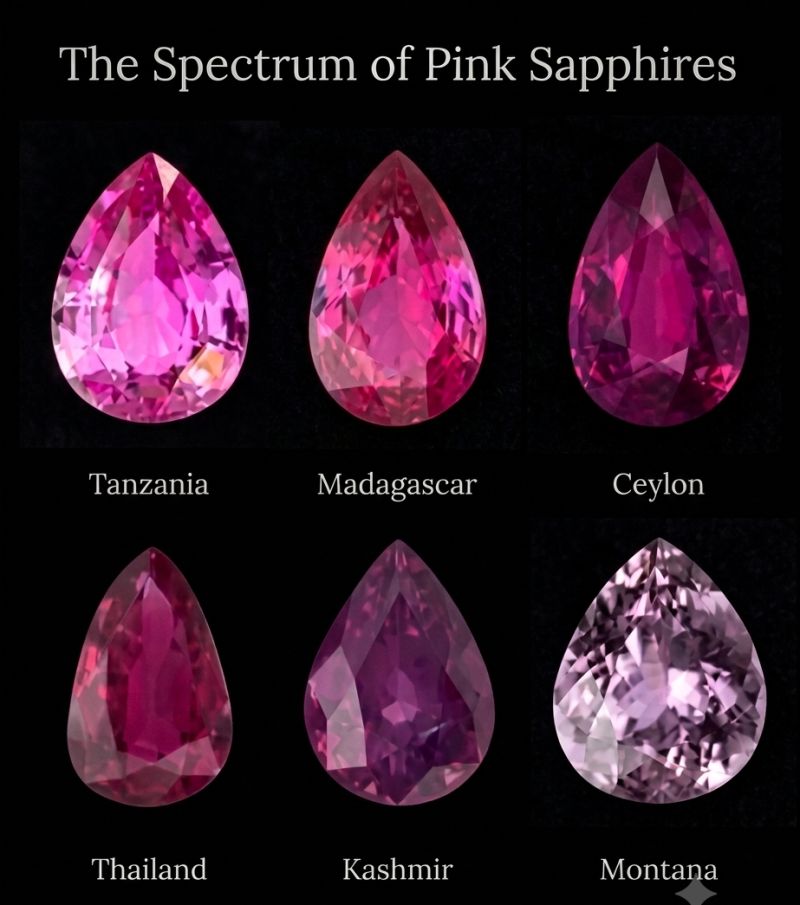
Many people think pink sapphires come in only one color. But nature creates an incredible spectrum of pink shades, each with its own personality, value, and appeal.
Light Pink Sapphires have delicate and elegant colors with soft pastel pink tones and low to medium saturation. Their subtle appearance makes them perfect for everyday jewelry and an affordable choice for those who prefer minimalist designs.
Medium Pink Sapphires display a rich and vibrant true pink color without strong secondary hues. Their balanced saturation gives them a timeless appeal, making them one of the most popular choices for engagement rings.
Vivid Pink Sapphires are known for their intense and highly saturated pink color that creates a striking visual impact. These rare stones are among the most valuable pink sapphires and are especially prized by collectors.
Purplish Pink Sapphires contain a noticeable purple modifier that gives them a luxurious magenta appearance. Their dramatic and sophisticated color has made them increasingly popular in high-end jewelry designs.
The color grading of pink sapphires follows a sophisticated system known as the 31‑Hue Wheel. This precision tool, adopted by leading gemological laboratories like GIA, divides the visible spectrum into 31 distinct hue positions and captures subtle transitions that can dramatically affect value. For pink sapphires, key hue positions include:
P (Purple) – purplish pink stones fall here
pR (Purplish Red) – where many vivid pinks are classified
RP (Red-Purple) – deep, rich pink tones
Learn More: The 31‑Hue Wheel — Ultimate Guide to Gemstone Colour Grading
Pink sapphires are found in several parts of the world, each producing its own unique shades and characteristics based on local geology. Each location leaves its own fingerprint on the gemstone, creating differences in color, brilliance, and rarity. That is what makes pink sapphires so fascinating.
Sri Lanka (Ceylon) is famous for producing soft pastel pink, peachy-pink, and light pink sapphires. These gems are known for their exceptional brightness and clarity, giving them the classic "Ceylon" appearance that is highly sought after by collectors and jewelry lovers.
Madagascar is one of the world's most important sources of pink sapphires today. Its stones range from vivid pink to purplish-pink with high saturation and excellent transparency, making them very popular in fine jewelry.
Tanzania produces rich pink sapphires with subtle purple hints and remarkable color intensity. Their deep, saturated colors and rarity often lead them to be compared with the finest Burmese material.
Myanmar (Burma) is renowned for its exceptionally rare pink sapphires with strong saturation and a velvety appearance. These stones carry historical prestige and command premium prices in the market.
Vietnam is known for bright pink and raspberry-colored sapphires with excellent transparency and clean material. These gems have become increasingly popular in the gemstone market.
Mozambique has emerged as an important source of pink sapphires, producing vibrant stones in attractive sizes. Its material offers appealing colors and good availability, making it an increasingly significant supplier.
GIA research confirms that new sources and new treatments have greatly expanded the supply of gem corundum, with Myanmar and Sri Lanka remaining major sources joined by Madagascar. Geological studies suggest similarities between Madagascar and Sri Lanka, indicating shared origins for various sapphires.
Explore: The Beauty of Sapphire — 2,000-Year Journey
While diamonds have a standardized grading system, evaluating colored gemstones like pink sapphire requires a more nuanced approach. The value factors for pink sapphire are:
Color is the single most important determinant of a pink sapphire’s value, driving up to 60% of the price in high-quality stones. The GIA notes that pink sapphires range from light red (pink) to light purple with weak to intense color saturation. The most prized stones have a pure pink hue without strong secondary colors (though purplish-pink can be very desirable), medium to medium-dark tone, and vivid saturation.
In colored gemstones, inclusions are more tolerated than in diamonds. However, high clarity increases value. Pink sapphires with eye-clean clarity (no visible inclusions to the naked eye) are highly prized, especially in lighter tones where inclusions are more visible.
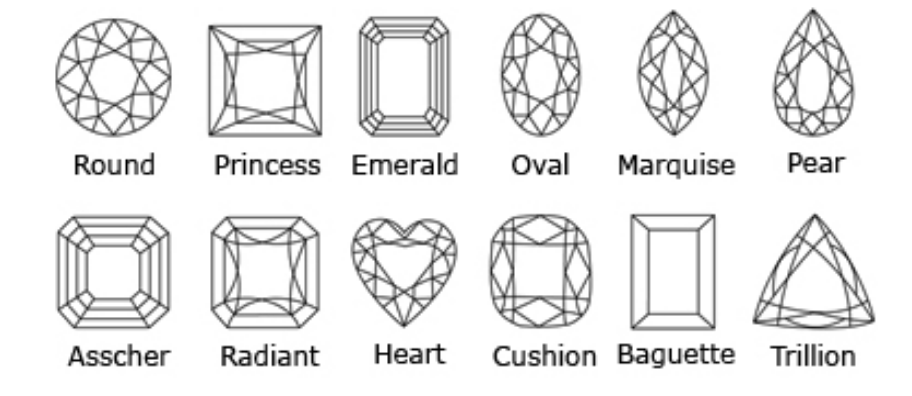
A well-executed cut maximizes color, brilliance, and overall beauty. Poorly cut stones may appear too dark, too light, or have a “window” (a transparent area where light leaks out). Oval, cushion, and round brilliant cuts are most common for pink sapphires.
Larger pink sapphires are significantly rarer than smaller ones. Price per carat increases exponentially with size, especially for vivid, saturated colors. A 3-carat vivid pink sapphire will command a much higher per-carat price than a 1-carat stone of similar quality.
Heat treatment is the most common enhancement for pink sapphires. This is an accepted practice in the gem industry, but it’s essential to know what you’re purchasing.
Heat treatment is used to improve a sapphire’s color, remove color zoning, and improve clarity. GIA has been studying low-temperature heat treatment (around 800°C) on pink sapphires, a procedure commonly used to reduce blue color components or zones. Studies on pink sapphires from Ilakaka, Madagascar, show that after heat treatment at 800°C, a subtle blue tint is removed, making the color a purer pink.
Higher-temperature treatments involving beryllium can alter color more dramatically. GIA has studied beryllium in pink and yellow sapphires, noting that pink sapphires may turn orange or pinkish orange (padparadscha) with beryllium diffusion. These treatments should always be disclosed.
Unheated pink sapphires are increasingly rare and command significant premiums. An 11.16 ct unheated pink sapphire from Mozambique recently examined by GIA was noted for its unique encounter pure pink hue and exceptional size. When shopping on CaratX Marketplace, you can filter for unheated stones through certified listings.
Traditionally, sapphire symbolizes nobility, truth, sincerity, and faithfulness. It has decorated the robes of royalty and clergy members for centuries. A special orangy pink sapphire color is called padparadscha, which means “lotus flower” in Sinhalese, the language spoken in Sri Lanka.
In the 1990s, discoveries in East Africa and Madagascar brought fancy sapphires widespread recognition. Today, pink sapphires have evolved from understudies to leading ladies. Their rise mirrors the growing desire for individuality and color in fine jewelry. Celebrities and style icons have embraced pink sapphires for engagement rings and red-carpet looks, cementing their status as modern classics.
Read: Navaratna Rings — The Cosmic Power of Nine Gemstones
As colored gemstones continue to gain popularity, pink sapphires are attracting collectors and jewelry lovers who want something rare, colorful, and different from traditional choices and who want to make responsible choices in how they acquire them.
CaratX connects buyers and sellers while ensuring transparency and ethical practices in the global gemstone trade.
With a hardness of 9 on the Mohs scale and excellent toughness, pink sapphires are remarkably low-maintenance. Here’s how to keep them looking their best:
Cleaning: Warm, soapy water and a soft brush are all you need. Avoid ultrasonic cleaners if your stone has fractures or if you’re unsure of its treatment history.
Avoid harsh chemicals: Remove your sapphire jewelry before using bleach, ammonia, or other harsh household cleaners.
Storage: Store separately from other gemstones to prevent scratching sapphire can scratch other gemstones (and even other sapphires).
Recheck settings: Have your jewelry inspected annually to ensure prongs and settings remain secure.
GIA’s care and cleaning guide confirms that corundum has excellent toughness and no cleavage, making it a great choice for rings and other mountings subject to daily wear.
The pink sapphire market is experiencing unprecedented growth. Here’s why:
The declining availability of high-quality pink sapphire material from traditional sources has made fine stones increasingly rare, leading to steadily rising prices.
Growing consumer interest in colored gemstones, particularly among Millennials and Gen Z, has significantly boosted demand for pink sapphire engagement rings and fine jewelry.
The limited number of alternative investment opportunities has increased the appeal of tangible luxury assets, encouraging more investors to consider rare gemstones such as pink sapphires.
Celebrity endorsements and the influence of social media have brought greater visibility to pink sapphires, helping transform them into highly desirable gemstones in the mainstream market.
According to industry analysts, pink sapphires have shown consistent price appreciation of 5-10% annually for premium material. Vivid pink and purplish-pink stones, particularly from Myanmar and Madagascar, have outperformed broader gemstone markets.
💎 Pink Sapphires: The Definitive Guide to 2026’s Most Sought-After Gemstone
💎 Ruby vs. Pink Sapphire: A Definitive Guide to Corundum's Crimson and Blush Hues
💎 The 31‑Hue Wheel: The Ultimate Guide to Gemstone Colour Grading
💎 The Beauty of Sapphire: A 2,000-Year Journey from Ancient Persia to Modern Marketplaces
💎 Navaratna Rings: The Cosmic Power of Nine Gemstones
💎 White Gemstones: Properties, Value, and Buying Guide
Q1: Is a pink sapphire a real sapphire? A: Yes. Pink sapphire is a genuine variety of the mineral corundum, just like blue sapphire. All corundum that is not red (ruby) is classified as sapphire, regardless of color.
Q2: Are pink sapphires rarer than blue sapphires? A: Pink sapphires, especially those with vivid saturation and no heat treatment, are considerably rarer than commercially available blue sapphires. Fine-quality pink sapphires are among the rarest of all fancy sapphire colors.
Q3: What’s the difference between a pink sapphire and a ruby? A: Ruby and pink sapphire are both corundum colored by chromium. The distinction is based on color saturation and hue. According to the International Gem Society, there is no universal agreement on the exact boundary, but generally, stones with deeper, more saturated red are classified as ruby, while lighter, pinker stones are sapphires.
Q4: Do pink sapphires fade in sunlight? A: No. The color of pink sapphire is generally stable and will not fade under normal conditions. Unlike some other pink gemstones (like certain pink tourmalines), pink sapphire maintains its color integrity over decades.
Q5: Can pink sapphires be worn every day? A: Absolutely. With a Mohs hardness of 9 and no cleavage, pink sapphires are among the most durable gemstones available, second only to diamond. They are excellent choices for engagement rings and daily-wear jewelry.
Q6: How can I tell if a pink sapphire is treated? A: Without advanced gemological testing (like spectroscopy), it’s difficult to determine treatment status with certainty. Always purchase from reputable sellers who provide laboratory reports from accredited institutions like GIA, AIGS, or SSEF.
Pink sapphires represent the perfect intersection of beauty, durability, rarity, and value. From their fascinating geological formation driven by trace amounts of chromium to the breathtaking spectrum of hues found in deposits across Sri Lanka, Madagascar, Tanzania, Myanmar, and beyond these gems tell a remarkable story of nature’s artistry.
As colored gemstones continue to gain mainstream acceptance, pink sapphires stand poised to become even more coveted. Whether you’re a collector seeking investment-grade stones, a jewelry lover looking for the perfect engagement ring, or an industry professional sourcing for your business, pink sapphires offer something truly special.
Ready to explore the world of pink sapphires? Visit CaratX Marketplace today to browse our curated collection of natural pink sapphires, loose gemstones, and fine pink sapphire jewelry. Our platform connects buyers and sellers across 18+ international countries, with transparent pricing, certified stones, and ethical sourcing.
Shop Pink Sapphires & Engagement Rings
Sell Diamonds & Gemstones Internationally
Jun, 18, 2026
Aug, 06, 2022
Aug, 06, 2022
May, 18, 2026

0 Comments
Please login to leave a reply.