

Moonstone Around the World: A Detailed Guide to Origins, Quality, and Value
Home
News And Media Moonstone Around the World: A Detailed Guide to Origins, Quality, and Value SHOP NOWHome
News And Media Moonstone Around the World: A Detailed Guide to Origins, Quality, and Value SHOP NOWJun, 22, 2026 by Archit Mohanty 0 Comments
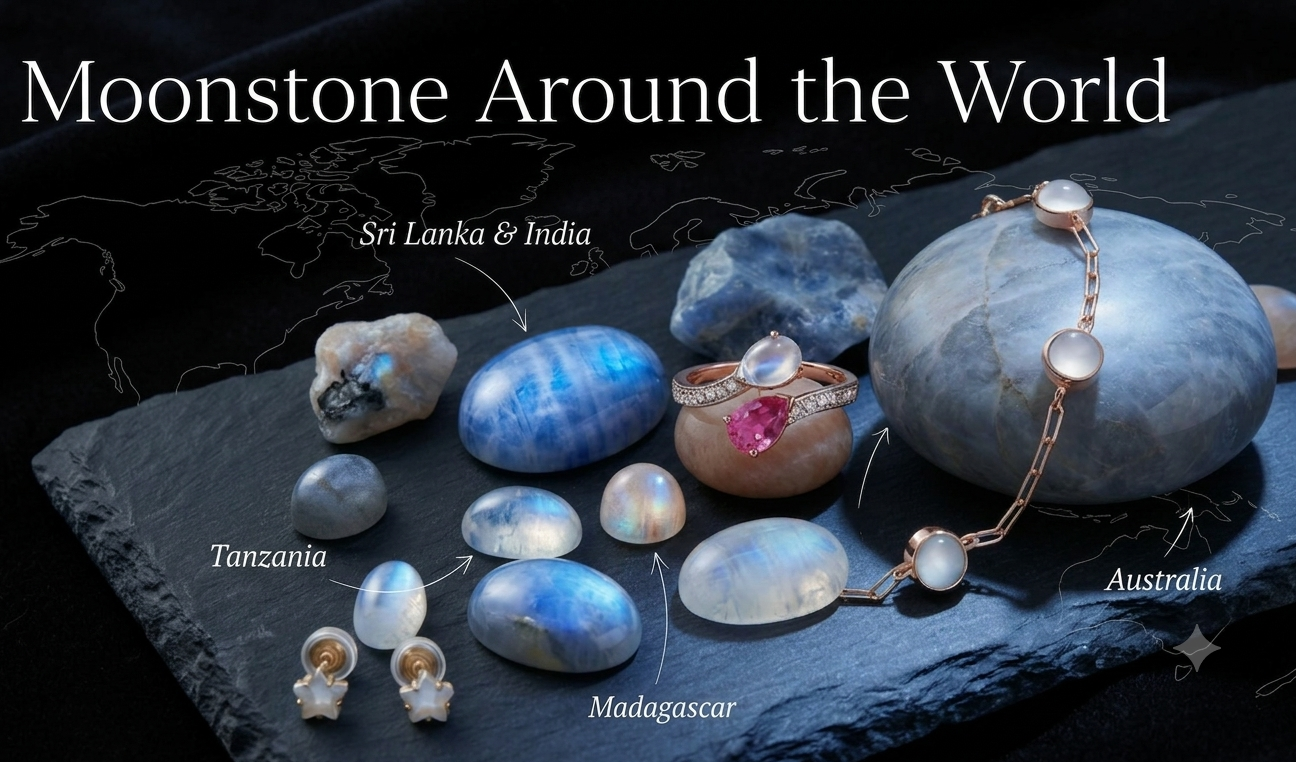
Moonstone has captivated humanity for millennia with its ethereal, moon-like glow. This soft, billowy light known as adularescence seems to float beneath the gem's surface, shifting and moving as the stone is turned. But not all moonstones are created equal. Where a moonstone comes from can dramatically affect its appearance, quality, and rarity.
In this guide, we'll explore the world's most important moonstone sources, from the legendary blue moonstones of Sri Lanka to the exciting new discoveries in Madagascar.
Whether you're a collector, jeweler, or simply a gemstone enthusiast, understanding moonstone's origins will help you make informed decisions when shopping for gemstones on the CaratX marketplace.
Moonstone is a variety of the feldspar-group mineral orthoclase. Feldspars are the most widespread minerals in the Earth's crust, making up more than 60% of the rocky crust. You can pick up a rock almost anywhere in the world and find that it contains a mineral or two from the feldspar group.
What makes moonstone truly special is its internal structure. During formation, orthoclase and albite separate into alternating, stacked layers. These layers are incredibly thin about 0.5 microns, similar to the size of a wavelength of light. When light falls between these layers, it scatters in many directions, producing the phenomenon called adularescence.
The Gemological Institute of America (GIA) describes adularescence as "the light that appears to billow across a gemstone, giving its surface a glowing appearance". The name "moonstone" was given because this floating light resembles the glow of the moon through a thin cloud cover.
Sri Lanka has been producing moonstones for more than a century and remains the world's most important source of high-quality blue-sheen moonstone. The finest stones are transparent and display a vivid floating blue glow that collectors highly value.
The most sought-after moonstones come from the Meetiyagoda region in Sri Lanka. Here, traditional mining families have passed down extraction techniques for generations. The mines are typically artisanal operations rather than large mechanized mines miners prospect through stream sediments and gravels where moonstone is found, often alongside a variety of other gems.
Sri Lankan blue moonstone features a colorless body with an intense blue sheen. The finest examples are of glassy purity with a mobile, electric blue shimmer. Large stones above 10 carats with strong blue sheen are becoming increasingly rare, making them highly prized by collectors and investors alike.
High-quality blue moonstone from Sri Lanka is considered rare and valuable. The value of a moonstone hinges on several key traits gems with a clear, colorless body and vivid blue adularescence fetch the highest prices. The sheen should ideally be centered on the top of a cabochon and easily seen from a wide range of viewing angles.
Sri Lankan rainbow moonstone, with its pale blue sheen and near-transparent body, is considered most valuable. Titanium moonstones, a rare variety, are also found in this region.
For those interested in acquiring exceptional gemstones, CaratX connects buyers with natural diamonds and loose diamonds from trusted sources worldwide.
India supplies a large share of the world's moonstones and serves as the commercial backbone of the global moonstone trade. Indian material comes in white, peach, gray, and rainbow varieties and is widely used in jewelry because of its affordability and availability.
The gem mineralization in southern India is geologically connected to Sri Lanka and Madagascar, forming part of a broad late Neoproterozoic-early Cambrian gemstone province in central Gondwana. This ancient geological connection explains why these three regions produce similar feldspar gemstones.
Indian moonstones are more commercially accessible than their Sri Lankan counterparts. They are available in a wider range of colors and price points, making them popular choices for:
Fashion jewelry and everyday wear.
Beaded necklaces and bracelets.
Bohemian and spiritual jewelry designs.
Entry-level collector pieces.
While rainbow moonstone is technically a variety of labradorite rather than orthoclase, it's widely traded as moonstone in the commercial market. The GIA notes that labradorite found in Madagascar has a multicolored adularescence over a light bodycolor and is known in the trade as rainbow moonstone.
In 2023, something extraordinary happened in the world of moonstone. Miners in the Andilamena district of Madagascar discovered exceptional high-clarity rainbow moonstone that would soon capture the attention of the global gem community.
Only several kilograms of this material were recovered, making it extremely limited. The stones attracted strong interest when they appeared at the 2024 Tucson Gem Show. The GIA quickly recognized the significance of this find and featured it in their Spring 2024 issue of Gems & Gemology.
This new material is transparent to translucent, with a white body color and blue adularescence. What sets it apart is the distinct orange flash effect that some specimens display. The blue "moonlight" is caused by light interference from moonstone's alternating microscopic layers of albite and orthoclase.
The gemstones from this find were of decent size, with most weighing at least several carats and the largest being an impressive 65.88-carat cabochon. Early parcels were claimed at premium prices. Previously, rainbow moonstones were mostly seen in cabochon cuts, but this new material has led to an increase in faceted rainbow moonstones.
High-quality, ethically certified stones from Madagascar command a premium, ranging from $70 to $300 per carat. Value is determined by the strength of the adularescence, clarity, color variety, and carat size.
The Madagascar discovery represents a significant moment in the gem world. For collectors and investors, limited-supply finds like this often represent opportunities for appreciation. For jewelry designers, the availability of facet-grade rainbow moonstone opens up new creative possibilities.
While Sri Lanka, India, and Madagascar are the most significant sources, moonstone is also found in several other countries:
Historically, the most valuable, transparent moonstones with strong blue sheen came from Myanmar. Today, blue moonstone can still be found in Myanmar, along with India, Madagascar, Malawi, and Tanzania.
Brazil produces moonstone in significant quantities and is an important player in the global market. Brazilian material tends to be more commercially oriented.
Moonstone has been found in the United States, including deposits in New Mexico, North Carolina, and Virginia. These deposits are generally small and not commercially significant on a global scale.
Australia also produces moonstone, though in smaller quantities compared to the major sources.
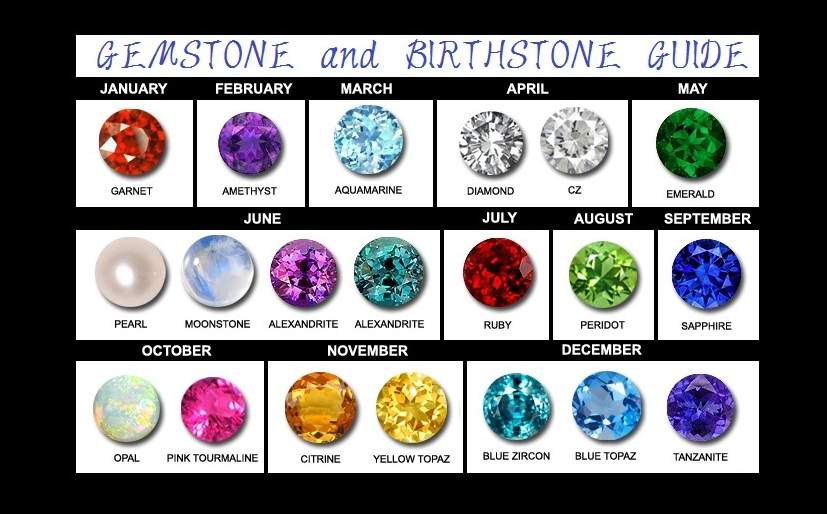
Moonstone is one of the three birthstones for June, along with pearl and alexandrite. The GIA notes that the finest moonstones show a blue sheen against a colorless background, and this June birthstone has been associated with both Roman and Greek lunar deities.
Ancient Romans thought that a moonstone was made of moonlight, hence the name. Moonstone has long been associated with love, fertility, and intuition. The gem was once called "adularia," named after the Swiss town where fine specimens were found.
Because moonstone ranks 6 to 6.5 on the Mohs scale, it requires some care in jewelry settings. As noted in CaratX's Mohs Scale Decoded guide, feldspar minerals like moonstone are "best showcased in earrings or pendants where they are less likely to be damaged".
Moonstone's beauty lies in its adularescence a soft, billowy light that appears to float beneath its surface. Rainbow moonstone displays stunning blue and multicolor flashes, making it central to bohemian and spiritual jewelry styles.
When evaluating moonstone, the GIA recommends considering the following quality factors:
The finest moonstone is a gem of glassy purity with a mobile, electric blue shimmer. Adularescence should ideally be blue, centered on the top of a cabochon, and easily seen from a wide range of viewing angles.
Characteristic inclusions in moonstone include tiny tension cracks called centipedes. While some inclusions are expected, stones with higher clarity command premium prices.
As it displays moonstone's phenomena to best advantage, cabochon is the most common cut. However, the new Madagascar material has made faceted moonstones more available.
Moonstone comes in a wide range of sizes and carat weights. Large stones with strong blue sheen are increasingly rare and valuable.
Whether you're buying moonstone for personal use or as part of your jewelry inventory, here are some key considerations:
Sri Lankan blue moonstone commands the highest prices and is most prized by collectors. Indian moonstone offers the best value for commercial jewelry. Madagascar rainbow moonstone represents a rare opportunity for collectors.
The strength and color of the adularescence is the single most important quality factor. Look for a strong, centered blue sheen that's visible from multiple angles.
The finest moonstones have a clear, colorless body with vivid blue adularescence. Body color should be as inconspicuous as possible.
Cabochon cuts are traditional and best display adularescence. Faceted moonstones are rarer but increasingly available from Madagascar material.
Work with reputable dealers and consider stones with certification from recognized gemological laboratories.
At CaratX, we connect buyers with verified sellers from around the world. Whether you're looking for natural diamonds, loose diamonds, or other gemstones, our marketplace provides transparency and trust.
Moonstone occupies a unique place in the gem world. Unlike diamonds, which are valued for their hardness and brilliance, moonstone is prized for its ethereal beauty and optical phenomena.
Both moonstone and opal display unique optical effects, but they are fundamentally different. Opal's play-of-color comes from its silica sphere structure, while moonstone's adularescence comes from feldspar layer interference.
Labradorite and moonstone are both feldspar minerals, but labradorite displays labradorescence (a broader, more colorful flash) rather than adularescence. Rainbow moonstone is actually a variety of labradorite.
While diamonds are the hardest natural material (10 on the Mohs scale) and prized for their brilliance, moonstone offers a softer, more romantic aesthetic. Both have their place in fine jewelry.
For a deeper understanding of gemstone differences, check out CaratX's guide on what's the difference between diamonds and gems.
The global moonstone market continues to evolve. The Madagascar discovery has injected new excitement into the category, while Sri Lankan blue moonstone remains the gold standard for collectors.
For those looking to sell moonstone or other gemstones internationally, CaratX provides a platform to reach buyers in 18+ countries. Sellers can register on the CaratX marketplace to start selling to B2B and B2C buyers worldwide.
You can now sell jewelry internationally through our seller plan.
Moonstone is a gemstone of remarkable beauty and diversity. From the legendary blue sheen of Sri Lankan stones to the exciting new discoveries in Madagascar, each source offers something unique. Understanding where moonstone comes from and what makes each source special is essential for anyone looking to buy, sell, or simply appreciate this enchanting gem.
As the global gemstone market continues to evolve, platforms like CaratX are making it easier than ever to connect buyers and sellers across borders.
Whether you're a collector seeking the finest Sri Lankan blue moonstone, a jeweler looking for commercial-grade Indian material, or an investor eyeing the rare Madagascar find, the opportunities are vast.
Explore these related articles from the CaratX blog for more insights into the world of gemstones and jewelry:
The Timeless Allure of White Gemstones – A complete guide to white gems including moonstone, diamond, and moissanite
White Gemstones: Properties, Value, and Buying Guide – Comprehensive buying advice for white gemstones
Pastel Gemstones: The Perfect Subtle Touch to Enhance Diamonds – Explore beryl, aquamarine, morganite, and other pastel gems
The Mohs Scale Decoded: The Ultimate Guide to Gemstone Hardness – Understand gemstone durability for jewelry design
What's the Difference Between Diamonds and Gems? – Understanding the relationship between diamonds and other gemstones
Understanding Diamond Color – A Comprehensive Guide – Everything you need to know about diamond color grading
The Art of Buying Loose Diamonds – A step-by-step guide to purchasing loose diamonds
Ready to explore the world of gemstones?
Shop gemstones from our CaratX marketplace at unbeatable prices.
Shop natural diamonds from trusted sources.
Sellers register on CaratX marketplace to start selling to B2B and B2C buyers in 18+ countries.
Sell jewelry internationally through our CaratX seller plan.
More details about our Pricing
Follow CaratX for more insightful and educational content about gemstones, diamonds, and the global jewelry trade.
The most valuable moonstones are transparent stones with a colorless body and vivid blue adularescence, typically from Sri Lanka. Large stones above 10 carats with strong blue sheen are increasingly rare.
Technically, rainbow moonstone is a variety of labradorite rather than orthoclase. However, it's widely traded as moonstone in the commercial market due to its similar appearance.
High-quality blue moonstone from Sri Lanka is considered rare and valuable. Other varieties like white or rainbow moonstone are more common.
Real moonstone displays adularescence—a soft, billowy light that appears to float beneath the surface. This effect is caused by light scattering between microscopic feldspar layers. The glow should move as the stone is turned.
With a hardness of 6 to 6.5 on the Mohs scale, moonstone is suitable for jewelry but requires care. It's best suited for earrings, pendants, and occasional-wear rings where it's less likely to be scratched or damaged.
Adularescence is the soft glow of light that appears to float just below the surface of a polished gemstone. It's caused by light scattering between alternating microscopic layers of orthoclase and albite.
CaratX connects buyers with verified sellers of gemstones, natural diamonds, and loose diamonds from around the world. You can shop gemstones at competitive prices through our marketplace.
Aug, 06, 2022
Aug, 06, 2022
0 Comments
Please login to leave a reply.