
Introduction:
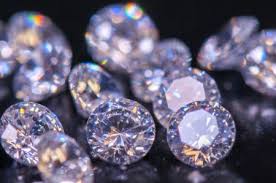
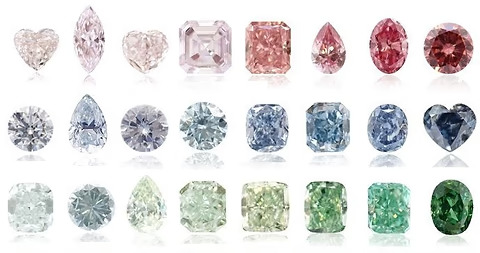
When most people picture a diamond, they envision a pristine, colorless stone flashing with brilliant white light. While these classic diamonds remain timeless, the world of natural diamonds holds a far more vibrant spectrum.
Naturally colored diamonds, often called "fancies," represent nature's most extraordinary geological artistry. Formed under unique and rare conditions deep within the Earth over billions of years, these stones are among the planet's most coveted treasures.
For collectors, investors, and jewelry lovers, understanding these colors is key to appreciating their immense value and beauty. This comprehensive guide delves into the science, rarity, and characteristics of each major natural diamond color, serving as your definitive resource.
Whether you're a curious enthusiast or a seasoned buyer exploring the exceptional selection on the CaratX marketplace, this exploration reveals why colored diamonds stand at the pinnacle of gemological wonder.
The 4Cs and Color Grading: Understanding the Scale
Before exploring specific colors, it's essential to understand how they are evaluated. The Gemological Institute of America (GIA), the world's foremost authority on diamonds, grades colored diamonds differently than their white counterparts.
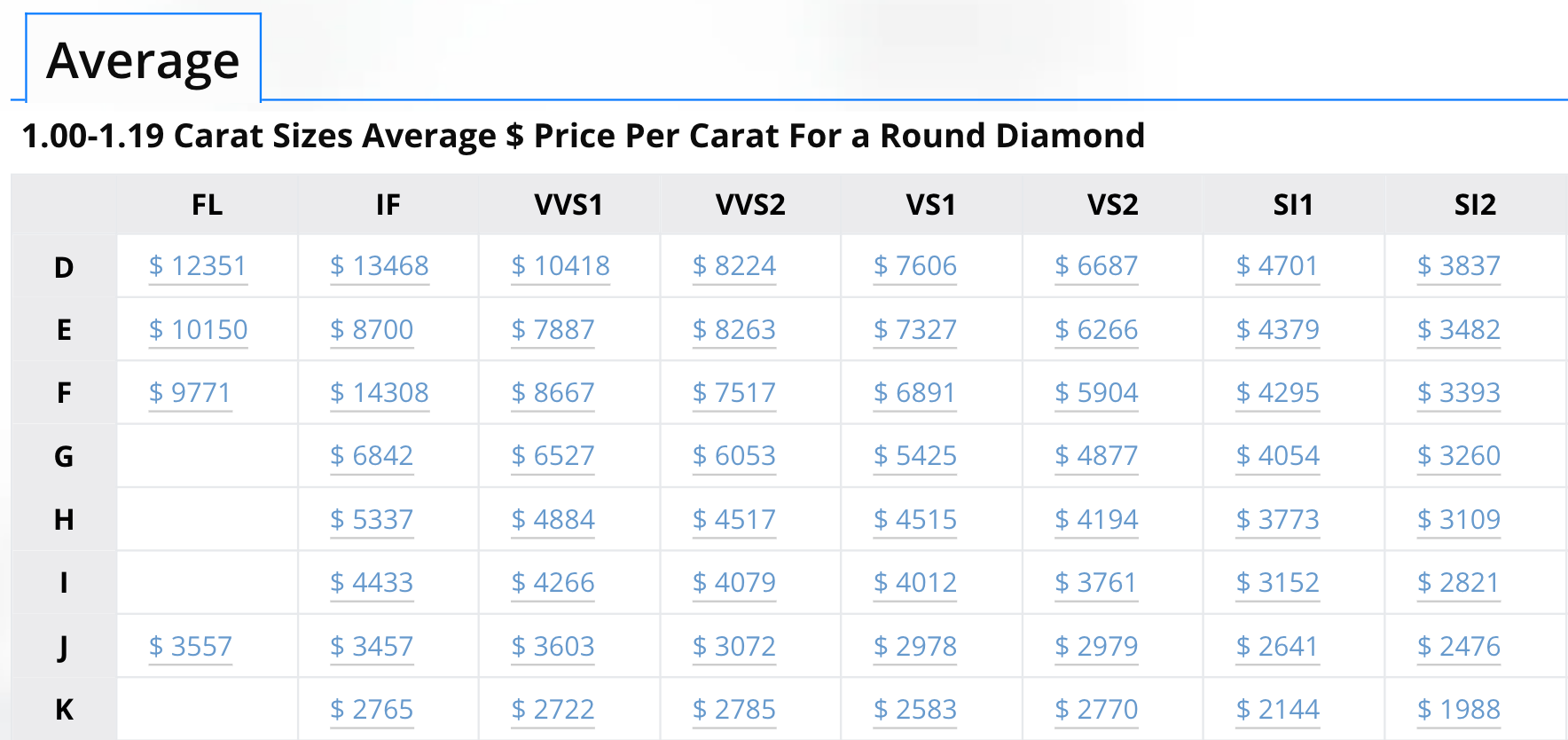
For colorless diamonds, the scale runs from D (exceptional whiteness) to Z (light yellow or brown tint). However, for true fancy color diamonds, the scale measures three different aspects:
Hue: The primary color of the diamond (e.g., pink, blue, yellow).
Tone: The relative lightness or darkness of the hue.
Saturation: The intensity or strength of the hue.
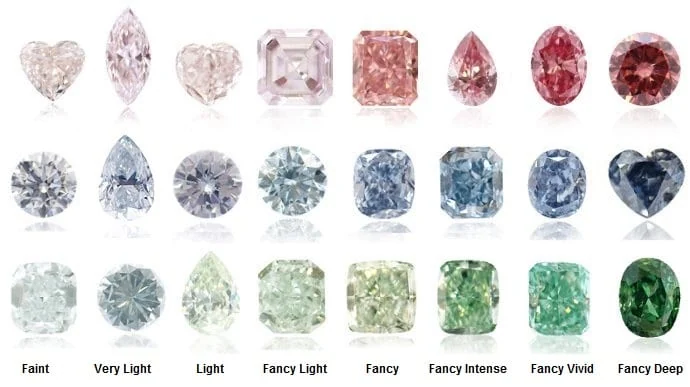
The GIA issues Fancy Color Diamond Grading Reports that describe the color using terms like "Fancy Light," "Fancy," "Fancy Intense," "Fancy Vivid," "Fancy Deep," and "Fancy Dark." Generally, a more intense and saturated color, assuming the tone is balanced, commands a significantly higher value.
A Spectrum of Rarity: Exploring Natural Diamond Colors
1. White (Colorless) Diamonds:
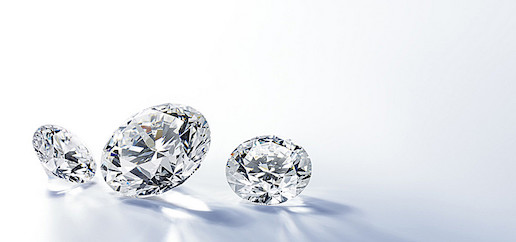
While termed "white," these diamonds are valued for their lack of color. The highest grades (D-F) are exceptionally transparent, allowing maximum light to pass through and be dispersed as fire and brilliance.
They are the most common among gem-quality diamonds and serve as the universal benchmark for engagement rings and classic jewelry. Their timeless appeal lies in their purity and unmatched sparkle. For a stunning selection of these classic stones, browse the natural diamonds collection at CaratX.
2. Yellow Diamonds:
Nitrogen atoms incorporated into the diamond's crystal lattice during formation are responsible for these sunny hues. They range from a subtle lemony tint to a deep, captivating canary yellow. The most sought-after stones possess a pure, vibrant yellow hue without brownish modifiers. Famous examples include the Tiffany Yellow Diamond.
Yellow diamonds offer a joyful and accessible entry point into the world of fancy colors. Discover a range of warm yellow diamonds to brighten any jewelry design.
3. Brown Diamonds:
Once primarily used for industrial purposes, brown diamonds (sometimes called champagne, cognac, or chocolate diamonds) gained popularity in the late 20th century for their warm, earthy tones.
Their color is linked to structural defects (related to plastic deformation) in the crystal lattice, sometimes combined with nitrogen. Prized for their versatility and contemporary look, they are often featured in modern and men's jewelry designs.
4. Blue Diamonds:
The mesmerizing blue of these diamonds comes from the presence of boron atoms within the carbon structure. Boron absorbs red, yellow, and green light, allowing blue to be transmitted. They are exceedingly rare in nature, with the legendary Hope Diamond being the most famous example.
Most natural blue diamonds have a secondary gray or green modifier; a pure, vivid blue is a true treasure of geology. Their color is associated with depth, wisdom, and unparalleled luxury.
5. Pink and Red Diamonds:
The origin of pink and red diamonds is one of gemology's most fascinating subjects. Unlike other colors, their hue is not caused by a chemical impurity but by a structural anomaly known as plastic deformation. This distortion in the crystal lattice alters how light passes through, absorbing green light and reflecting a pink to red spectrum.
The Argyle mine in Australia was the primary source of over 90% of the world's pink diamonds before its closure in 2020, making existing stones even more collectible. Red diamonds are the absolute rarest, with only a handful of true Fancy Red diamonds known to exist.
Discover unique colored diamonds, including rare pinks, to find a piece of geological history.
6. Green Diamonds:
Natural green diamonds get their color from exposure to natural radioactive minerals (like uranium) deep within the Earth over millions of years. This radiation displaces carbon atoms in the crystal structure, creating defects that absorb red light.
The color is often confined to the surface, making a uniformly green bodycolor extremely rare and valuable. The famed Dresden Green is a prime example of this elusive color.
7. Orange, Purple, Violet, and Gray Diamonds -
Orange Diamonds: A combination of structural defects and nitrogen typically creates this vibrant hue. A pure, intense orange without brown modifiers is excessively rare.
Purple & Violet Diamonds: Like pink diamonds, their color is attributed to crystal lattice distortion and the presence of hydrogen. They often exhibit secondary hues like pink or gray.
Gray Diamonds: Can be caused by boron (producing a conductive blue-gray stone) or hydrogen, often with a secondary blue or green modifier. They are prized for a sleek, modern aesthetic.
8. Black Diamonds:
Unlike other colors, a true black diamond's opacity comes from a dense concentration of mineral inclusions (like graphite or pyrite) and fractures throughout the stone. These inclusions absorb all light, giving the diamond its opaque, metallic appearance.
They are typically cut in cabochon or fancy shapes to highlight their bold, dramatic effect and are popular in avant-garde and masculine jewelry designs.
Investing in Colored Diamonds:
The market for natural fancy color diamonds operates on different principles than the white diamond market. Rarity is the primary driver of value. A vivid pink or blue diamond can sell for hundreds of thousands to millions of dollars per carat at auction, far exceeding the price of a colorless diamond of equivalent size. Factors influencing value include:
Color Intensity: Vivid and Intense grades are most valued.
Color Purity: Stones with a single, modifying-free hue (e.g., pure orange) are rarer than those with secondary colors.
Size: As with all diamonds, larger stones are exponentially rarer.
Origin: Some mines, like the closed Argyle for pinks, carry a premium.
Due to the high stakes and potential for treatment or synthetics, purchasing from a reputable and knowledgeable source is paramount. Professional grading reports from GIA or other major labs are non-negotiable.
Find Your Perfect Colored Diamond with CaratX
The journey to owning a natural colored diamond is an exciting one. Whether you are drawn to the fiery intensity of a yellow diamond, the mysterious depth of a blue, or the legendary rarity of a pink, education is your first step.
CaratX provides a trusted platform where you can explore a curated selection of natural colored diamonds and gemstones. Our marketplace connects you with a global network of reputable sellers. For businesses looking to offer these extraordinary gems, launching your products on CaratX opens the door to an international clientele of discerning buyers.
Ready to explore the rainbow? Begin your search today and discover a world where color is the ultimate luxury.
Frequently Asked Questions (FAQs)
Q: Are colored diamonds more valuable than white diamonds? A: Not always. Common fancy light yellows or browns may be priced similarly to white diamonds. However, intense and vivid colors in rare hues like pink, blue, red, and pure orange can be orders of magnitude more valuable than a colorless diamond of the same size, due to their extreme geological rarity.
Q: How can I be sure a colored diamond is natural? A: Always insist on an independent grading report from a major gemological laboratory like the Gemological Institute of America (GIA) or the American Gemological Laboratories (AGL). These reports will specify the origin of color ("natural" versus "treated") and detail any detected treatments.
Q: What does it mean if a diamond is "treated" to enhance its color? A: Many diamonds on the market undergo treatments like irradiation, high-pressure high-temperature (HPHT), or coating to improve or change their color. Treated diamonds are significantly less valuable than their natural counterparts. A reputable seller will always disclose this information, which will also be noted on a lab report.
Q: Can I use a colored diamond for an engagement ring? A: Absolutely! Colored diamonds make for incredibly unique and personal engagement rings. Yellow and pink diamonds are popular choices. It's important to ensure the setting protects the stone, and to consider that some colors (like light pink) may appear differently under various light sources.
Q: Where does CaratX source its diamonds and gemstones? A: CaratX operates as a global B2B and B2C marketplace, connecting buyers with a vetted network of professional sellers and retailers from around the world. You can shop with confidence for natural diamonds and fine jewelry on our platform.
Image Credit - Leibish