

The Ultimate Guide to Diamond Blemishes: Types, Impact, and Clarity
Home
News And Media The Ultimate Guide to Diamond Blemishes: Types, Impact, and Clarity SHOP NOWHome
News And Media The Ultimate Guide to Diamond Blemishes: Types, Impact, and Clarity SHOP NOWJan, 20, 2026 by Archit Mohanty 0 Comments
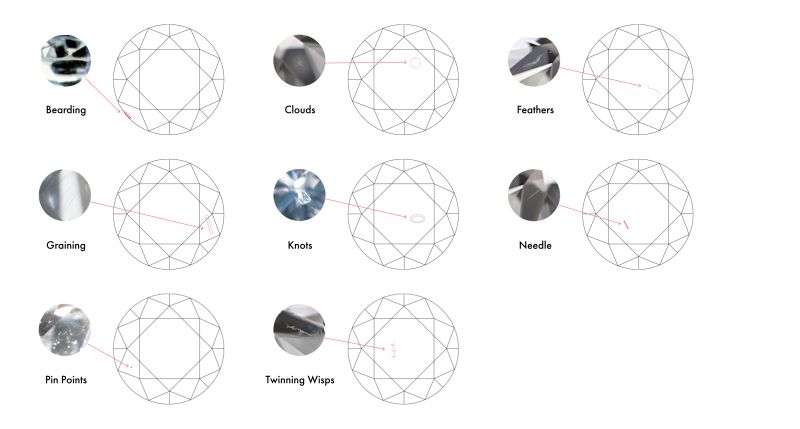
When assessing a diamond's clarity, gemologists evaluate two categories of imperfections: inclusions (internal features) and blemishes (surface characteristics). While inclusions form during the diamond's creation deep within the Earth, blemishes typically occur during cutting, polishing, setting, or wear. Understanding these surface features is crucial for anyone purchasing, selling, or appreciating diamonds, as they directly impact appearance, durability, and value.
At CaratX , we believe educated buyers and sellers make better decisions. Whether you're shopping for natural diamonds or considering becoming a seller on our international marketplace, knowledge of blemishes empowers your diamond journey.
A scratch appears as a thin, white line on the diamond's surface caused by contact with another diamond or hard material. Despite diamonds ranking as the hardest natural substance (10 on the Mohs scale), they can scratch each other because hardness is directional. Scratches often occur during storage when diamonds rub together or from accidental impacts.
Visual Impact: Typically visible under 10x magnification, larger scratches might be seen with the naked eye, particularly in larger stones.
A pit is a minute opening or hole on the diamond's surface, appearing as a tiny dot under magnification. These can result from natural crystal structure or the removal of an inclusion very close to the surface during polishing.
According to the Gemological Institute of America (GIA), pits are common and usually don't affect structural integrity unless clustered.
A nick is a small chip or notch along a diamond's facet junction, girdle edge, or culet. These often occur at points of vulnerability during setting, repair, or accidental impact. Nicks are more concerning than other blemishes as they can potentially develop into larger fractures if subjected to further stress.
Proper setting design can protect vulnerable points. Explore diamond jewelry on CaratX that features protective settings.
Abrasion manifests as tiny, fuzzy scratches along facet edges where they meet. This cumulative wear pattern develops over time, especially in rings worn daily. The girdle (the diamond's widest perimeter) is particularly susceptible.
While mild abrasion doesn't usually affect clarity grade significantly, severe cases can reduce brilliance by interfering with light reflection. Regular professional inspection is recommended for frequently worn pieces.
These fine, parallel grooves are remnants of the polishing process. Every polished diamond exhibits microscopic polish lines to some degree. When properly executed, they're invisible to the unaided eye and don't detract from beauty.
Grading Impact: Excessive or poorly oriented polish lines can lower the polish grade on diamond certificates.
An extra facet is a non-standard plane added to the diamond, usually to remove a surface-reaching inclusion or correct a symmetry issue. While technically a blemish, it's often a strategic choice to improve overall appearance.
Trade Perspective: In the diamond industry, an extra facet is generally preferred over a visible inclusion. Browse CaratX's diamond collection to see how professionals balance these considerations.
A "natural" is a portion of the original diamond rough left intentionally on the polished stone, usually on or near the girdle. This serves as evidence of the diamond's natural origin and demonstrates the cutter's skill in maximizing carat weight retention.
Authenticity Marker: Naturals are appreciated by many diamond connoisseurs as they connect the finished gem to its geological beginnings.
Also called "polish burns," these appear as hazy or cloudy white areas caused by excessive friction heat during polishing. The high heat can graphitize the diamond's surface, creating a dull appearance that's difficult to remove without significant weight loss.
Technical Note: The International Gem Society notes that burn marks are more common in diamonds cut for weight retention rather than optimal proportions.
This unusual blemish presents as a wavy, textured area resembling reptile skin. It results from irregular crystal structure combined with suboptimal polishing techniques. Unlike other blemishes, lizard skin affects how light reflects from the surface, potentially creating visible dull zones.
Blemishes directly influence three critical components of diamond evaluation:
Clarity Grade: While inclusions have greater impact, visible blemishes can lower clarity grades, particularly at higher clarity levels (VS and above).
Polish Grade: Specific blemish types (scratch, abrasion, polish lines) directly determine the polish grade on laboratory reports.
Symmetry Grade: Nicks, extra facets, and significant naturals can affect symmetry assessments.
The value impact varies significantly:
Minor blemishes invisible to the naked eye: Minimal impact.
Visible blemishes affecting brilliance: 5-15% value reduction.
Structural blemishes (deep nicks, large chips): 15-30%+ value reduction.
Certain blemishes indicate vulnerability:
Nicks may propagate into cracks if subjected to impact.
Abrasion suggests the diamond requires protective resetting.
Multiple scratches indicate poor storage practices.
Examine diamonds under magnification before purchase.
Request diamonds with "Excellent" or "Very Good" polish grades.
Consider setting styles that protect vulnerable edges.
View diamond education resources to make informed decisions.
Use diamond tweezers with protective tips.
Store diamonds separately in soft-lined containers.
Regularly inspect inventory for damage.
Consider professional repolishing for valuable stones with minor blemishes.
Remove diamond jewelry during physical activities.
Clean with soft brushes rather than abrasive materials.
Schedule annual professional inspections.
Consider insurance for significant pieces.
At CaratX, we provide detailed imaging and certification for all diamonds in our marketplace. Our platform enables buyers to examine stones closely and sellers to present items accurately.
Whether you're looking to shop natural diamonds or sell diamonds internationally, our transparent approach ensures informed transactions.
For Sellers: Register on the CaratX marketplace to access buyers across 18+ countries. Our platform provides the tools to showcase diamond characteristics comprehensively, including high-resolution imagery that displays clarity characteristics accurately.
For Buyers: Use our advanced search filters to select diamonds based on specific clarity characteristics that matter to you. Our educational resources help you understand exactly what you're purchasing.
Q: Can blemishes be removed from a diamond? A: Many blemishes can be removed through repolishing, but this process removes diamond material and may affect carat weight, proportions, and value. Professional assessment is necessary to determine feasibility.
Q: Which blemishes are most concerning? A: Structural blemishes like deep nicks or chips are most concerning as they may compromise durability. Surface-only blemishes like faint polish lines are generally acceptable.
Q: How do blemishes differ from inclusions? A: Blemishes are surface features; inclusions are internal. Inclusions generally have greater impact on clarity grading, but significant blemishes can also lower grades.
Q: Are blemishes considered "flaws"? A: In the trade, blemishes are considered characteristics rather than flaws. Most diamonds have some blemishes, and they often don't affect beauty when minor.
Q: Can blemishes develop over time? A: Yes, scratches, abrasions, and nicks can develop through wear. Proper care minimizes this risk. Explore jewelry care guidelines for maintenance tips.
Q: How does CaratX ensure blemish disclosure? A: CaratX requires high-quality imagery and certification for listed diamonds. Our seller standards mandate accurate description of all clarity characteristics.
While perfect diamonds exist, most stones contain blemishes that tell their unique story. Understanding these characteristics allows for informed purchasing, proper care, and realistic value assessment. Whether you're adding to your collection or beginning your selling journey, knowledge transforms these surface features from concerns to understood characteristics.
At CaratX , we're committed to democratizing diamond knowledge and access. Our global marketplace connects informed buyers with reputable sellers, creating transactions based on transparency and education.
Ready to engage with the global diamond market?
Buyers: Shop our curated selection of natural diamonds and gemstones with complete transparency.
Sellers: Join CaratX's international marketplace to access buyers across 18+ countries. Our seller tools make presenting diamond characteristics accurate and straightforward.
Start your journey today at www.caratx.com
May, 26, 2026

Aug, 06, 2022
Aug, 06, 2022




0 Comments
Please login to leave a reply.