

Fancy Color Diamonds: How Rarity Is Driving Record Prices 💎
Home
News And Media Fancy Color Diamonds: How Rarity Is Driving Record Prices 💎 SHOP NOWHome
News And Media Fancy Color Diamonds: How Rarity Is Driving Record Prices 💎 SHOP NOWJan, 22, 2026 by Archit Mohanty 0 Comments
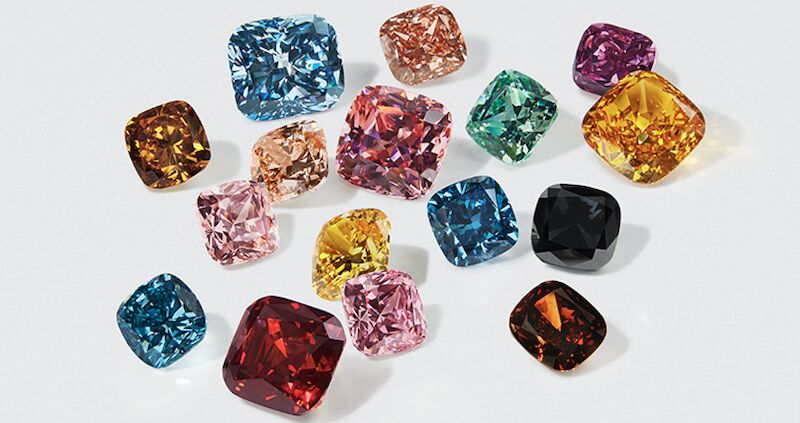
The landscape of rare diamond investment is undergoing a profound transformation one that many mainstream investors have yet to notice. While public attention fluctuates with economic cycles, a strategic consolidation is occurring at the highest echelons of the market. The most exceptional stones are increasingly vanishing from public view into private collections and confidential transactions, creating a new paradigm of scarcity.
For the discerning investor or collector, understanding this shift is not merely academic; it is critical to accessing what may be one of the most compelling alternative asset classes of this decade. As we approach 2026, converging factors of finite supply, evolving demand, and market structure changes are creating a unique and potentially limited window of opportunity.
A revealing metric highlights this new reality: the supply of investment-grade diamonds at premier international auctions has declined by nearly 45% over the last four years. This is not an indicator of dwindling interest, but rather evidence of a fundamental market migration.
The Rise of the Private Treaty Sale: Transactions for seven and eight-figure diamonds are increasingly conducted off-market. These private sales, brokered discreetly between ultra-high-net-worth individuals, family offices, and specialist dealers, offer sellers confidentiality, speed, and often, better net proceeds without the public spectacle of an auction hammer.
The "Lock-Up" Effect for Top-Tier Assets: When a masterpiece diamond be it a vivid pink or a deep blue enters a private collection or a heritage asset portfolio, it frequently disappears for a generation or more. This permanent reduction in circulating supply exerts relentless upward pressure on prices for comparable stones that remain available.
Implications for the Visible Market: The diamonds that do appear at auction today are often of a different profile. This makes the truly exceptional stones that occasionally surface and the platforms that can access them more valuable than ever. For sellers, this environment necessitates a strategic platform choice to reach qualified, serious buyers globally.
The most dramatic story within this niche is the ascension of natural fancy color diamonds (FCDs). Once considered primarily exquisite jewelry pieces, they have decisively transitioned into recognized hard assets with a formidable performance record.
Since 2005, the category as a whole has seen an approximate 205% increase in value, significantly outpacing many traditional investments over the same period.
The term "fancy color" encompasses a breathtaking range, but not all colors perform equally. Their investment potential is directly tethered to their geological rarity.
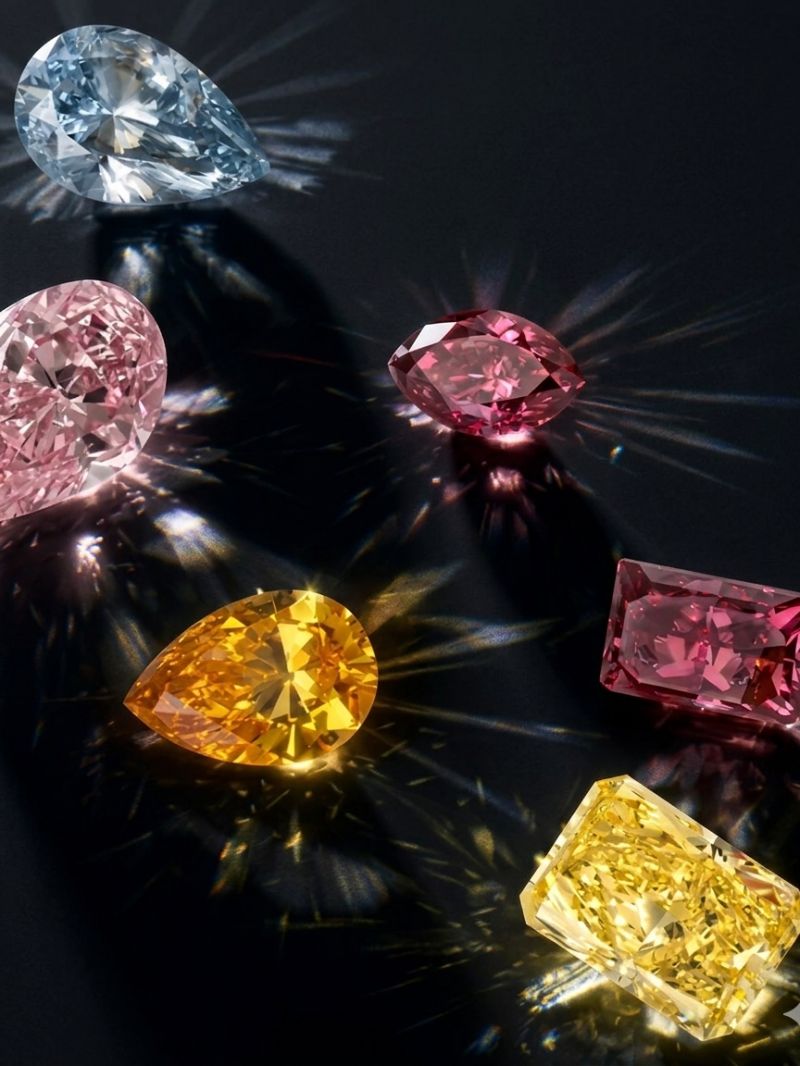
Pink Diamonds: The Unrivaled Champion: Leading the appreciation race are natural pink diamonds, with values skyrocketing by an astonishing 450% since 2005.
The 2020 closure of the Argyle mine in Australia the source of over 90% of the world's pink diamonds acted as a permanent supply shock, cementing their status as perhaps the most coveted of all colored gems. You can explore the pinnacle of this rarity through our curated collection of natural fancy color diamonds.
Blue Diamonds: The Cornerstone of Legacy Collections: Exhibiting a robust 290% growth, blue diamonds represent stability and profound rarity. Their color originates from trace amounts of boron during formation, a far less common occurrence than the structural anomalies that cause pink hues. Stones like the legendary Hope Diamond have cemented blue's place in history, attracting institutional-grade investors and museums alike.
Yellow & Other Hues: Consistent Demand in a Rainbow: While often more available than pinks or blues, fine fancy yellow diamonds of high saturation show steady and consistent demand growth. The market for even rarer hues vivid oranges, pure violets, and striking greens is so small and illiquid that a single significant purchase can redefine price benchmarks for years.
This incredible performance is rooted in basic science and economics. Less than 0.01% of all natural diamonds mined possess a fancy color, making them exponentially rarer than their white counterparts.
As major mines age and new discoveries of color-yielding ore become exceptionally rare, this fixed and dwindling supply collides with rising global wealth and a growing appreciation for tangible, portable wealth stores.
The trends outlined above have been building for decades. So why is 2026 shaping up to be a particularly critical juncture? The answer lies in the confluence of three powerful forces.
Supply Maturation: The pipeline from major historical sources of colored diamonds has effectively narrowed to a trickle. New mining projects are capital-intensive, face increasing environmental and social governance hurdles, and offer no guarantee of producing significant fancy color yields. The inventory above ground is what the market must now work with.
Demand Diversification: The buyer profile is expanding beyond traditional collectors. Financial investors, Asian markets, and next-generation wealth seeking inflation-resistant, non-correlated assets are all entering the fray. This broadening base competes for a static or shrinking pool of top-quality assets.
Market Democratization (For Sellers): This is where the landscape is innovating. While the assets themselves are exclusive, the ability to sell them effectively is becoming more accessible. Digital B2B marketplaces are dismantling old geographic and informational barriers, connecting sellers directly to a global network of verified buyers.
For a business, this means the opportunity to launch products internationally with unprecedented efficiency. By choosing the right platform, such as our tailored CaratX Jewelry Seller plan, sellers gain access to tools like local currency conversion, inventory analytics, and dedicated support to navigate this premium market.
For investors and sellers aiming to engage with this market, a disciplined, informed approach is non-negotiable.
For Buyers/Investors:
Prioritize Provenance & Certification: Every serious purchase must be accompanied by a report from a leading gemological laboratory (e.g., GIA, Gubelin, AGS) that clearly specifies color origin (natural), color grade, and characteristics.
Embrace the Long Term: View rare diamonds as a 10–20 year horizon asset. Their value is realized through cycles, benefiting from compounding scarcity.
Focus on Quality Over Size: A one-carat stone with exceptional color (e.g., Fancy Vivid) and clarity will always be more desirable and liquid than a larger stone with inferior color.
For Sellers/Businesses:
Access is Everything: Your profit potential is limited by your buyer pool. A platform that connects you to 18+ international markets is essential for achieving true price discovery. Register as a seller to start selling to this global B2B and B2C network.
Leverage Data: In a market driven by nuance, analytics on inventory trends are powerful. Understanding what colors, sizes, and qualities are moving in different regions informs smarter acquisition and pricing strategies.
Professional Presentation is Key: High-resolution photography, video, and comprehensive certification details are the baseline requirement to attract serious buyers. Premium listings on high-traffic pages can significantly increase visibility.
The rare diamond market is not for the speculative or faint of heart. It is a domain for the informed, the patient, and the strategic. The data is clear: a perfect storm of scarcity is underway. The supply of the world's most beautiful natural treasures is fundamentally finite, while the capital and desire to own them continue to grow globally.
2026 represents a point where these long-term trends become unmistakably evident in pricing and availability. For collectors and investors, it underscores the importance of engaging with reputable, knowledgeable partners.
For jewelers, estate holders, and diamond businesses, it highlights a historic opportunity to connect with this demand. The platforms that facilitate these connections by providing trust, transparency, and global reach will be at the center of this new chapter.
Whether your goal is to acquire a legacy asset or to sell jewelry internationally to a qualified audience, the imperative is to act with knowledge and through the right channels. The era of the rare diamond as a cornerstone of a sophisticated asset portfolio has firmly arrived.
Start your journey today. Explore our marketplace to shop for natural diamonds or register as a seller to unlock a world of opportunity.
Q: I'm new to diamond investing. Should I start with white or colored diamonds? A: For investment purposes, fancy color diamonds have demonstrated stronger and more resilient price appreciation due to their extreme rarity. However, entry points can be higher. High-quality white diamonds (D-F color, Flawless-VVS clarity) remain a store of value, but the explosive growth potential is more concentrated in the fancy color segment.
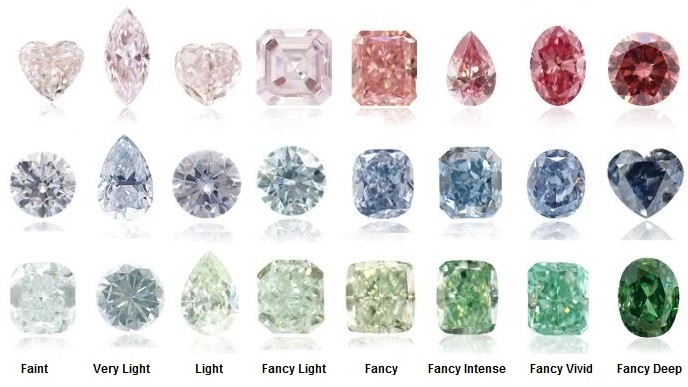
Q: How can I verify the authenticity and value of a fancy color diamond? A: Always insist on a grading report from a major, independent gemological institute. The Gemological Institute of America (GIA) is the global standard, especially for color diamonds. Their reports detail the critical "4Cs," confirm the color is natural, and assign a specific color grade (e.g., Fancy Intense Pink).
Q: Is now a good time to sell inherited or estate diamond jewelry? A: Given the current supply-constrained market and robust demand, it can be an excellent time. Value is maximized by selling loose stones (unmounted from jewelry) to buyers focused on the diamond itself. Using a platform that accesses international B2B buyers, like CaratX , helps achieve the best possible price by reaching the broadest market.
Q: What are the main benefits of using a B2B diamond marketplace as a seller? A: Key benefits include: Global Reach (instant access to buyers in 18+ countries), Efficiency (digital catalog vs. traveling to shows), Improved Cash Flow (direct sales vs. consignment), and Valuable Data (insights into inventory trends and pricing).
Our seller plans are designed to provide these exact advantages.
Image Credit - Anita Diamonds
May, 26, 2026
Aug, 06, 2022
Aug, 06, 2022
0 Comments
Please login to leave a reply.