

💎 The Beauty of Sapphire: A 2,000-Year Journey from Ancient Persia to Modern Marketplaces
Home
Education Blog 💎 The Beauty of Sapphire: A 2,000-Year Journey from Ancient Persia to Modern Marketplaces SHOP NOWHome
Education Blog 💎 The Beauty of Sapphire: A 2,000-Year Journey from Ancient Persia to Modern Marketplaces SHOP NOWMar, 05, 2026 by Archit Mohanty 0 Comments
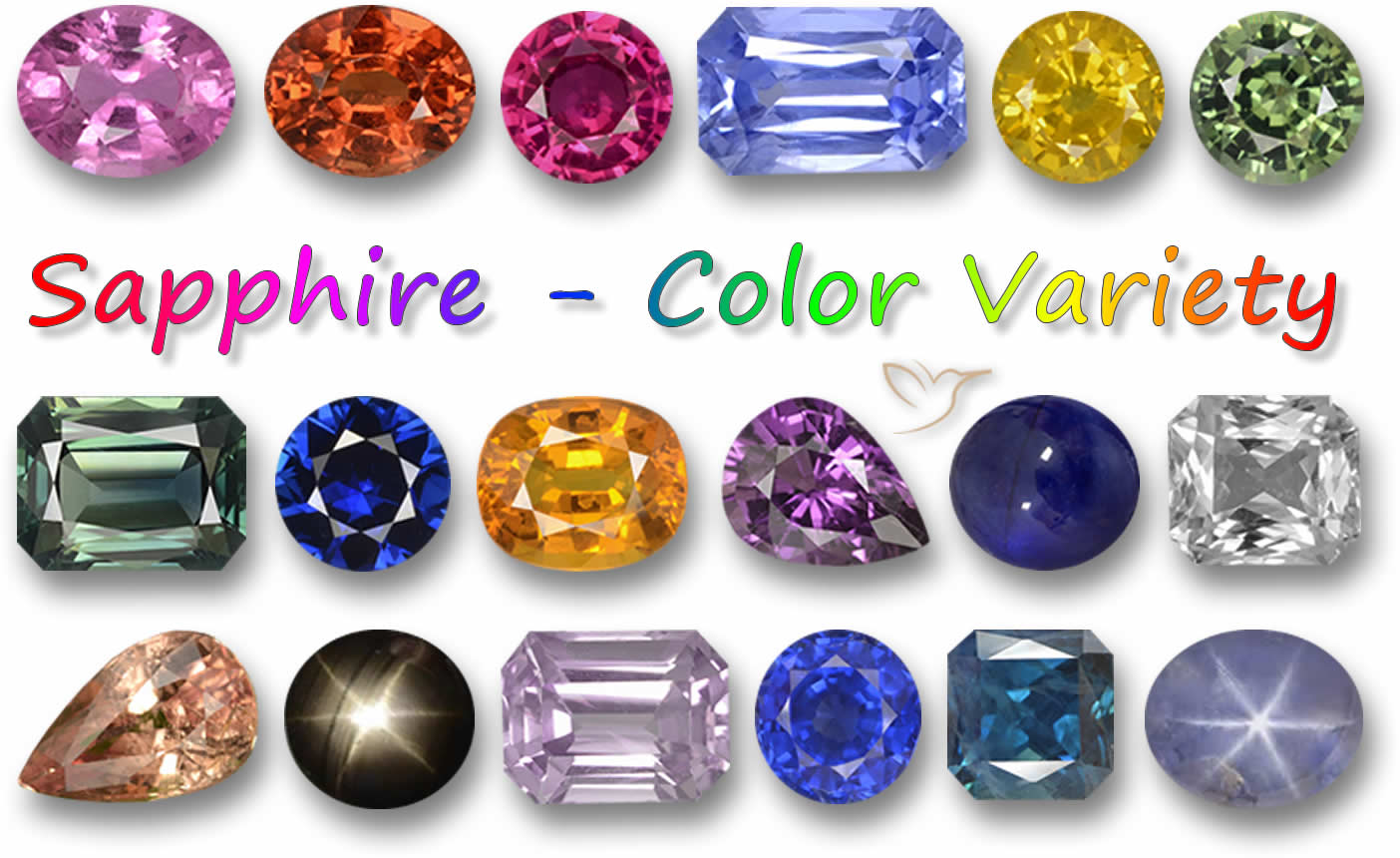
When we think of royalty, wisdom, and the celestial hue of the sky, one gemstone comes to mind: the Sapphire. As one of the "Big Three" of colored gemstones (alongside Ruby and Emerald), Sapphire has adorned the crowns of emperors and the engagement fingers of princesses for millennia. But beyond its beauty lies a fascinating story of geology, history, and global commerce.
At CaratX , we bridge this ancient legacy with modern technology, allowing you to buy, sell, and trade these treasures in a global digital marketplace.
In this guide, we will dig deep into the history, science, and modern market of sapphires, providing you with the knowledge to appreciate them fully.
The very name "Sapphire" has roots that stretch back through the ages. The word derives from the Latin sapphirus and the Greek sappheiros (Online Etymology Dictionary). Interestingly, in ancient Greek, the word may have actually referred to another blue stone, likely Lapis Lazuli, indicating how the appreciation for blue gems has always been intertwined.
In Ancient Persia, it was believed that the Earth rested on a giant sapphire, and it was the reflection of this stone that painted the sky blue. This mythology highlights the stone's association with the heavens, a theme that persists across cultures.
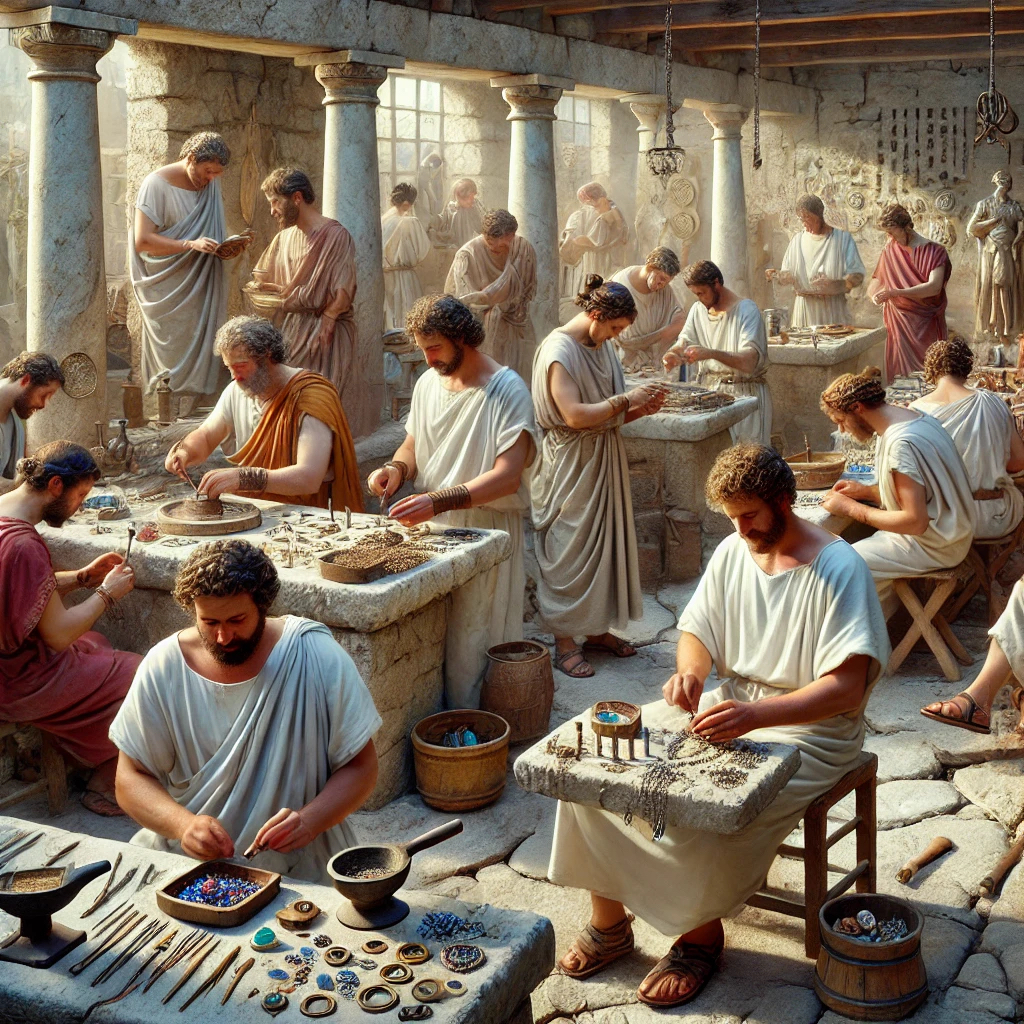
In the classical world of Greece and Rome, sapphires were sacred to Apollo. Worshippers would consult the Oracle at Delphi wearing sapphires to better understand the prophecies. They weren't just decorative; they were tools for wisdom.
During the Middle Ages, the Catholic clergy wore sapphires in their rings and vestments. To them, the blue stone symbolized the heavens and promoted a life of piety and purity. It was believed to attract divine favor and preserve chastity.
Perhaps the most famous sapphire in British history resides in the Imperial State Crown at the Tower of London.
The St. Edward's Sapphire, set in the center of the topmost cross, is said to have been worn in a ring by Edward the Confessor in the 11th century, making it one of the oldest gems in the British Crown Jewels (The Royal Collection Trust).
Scientifically, sapphire is a variety of the mineral Corundum, which is an aluminum oxide (Al₂O₃). While the general public associates sapphire with blue, the gemological definition is more specific.
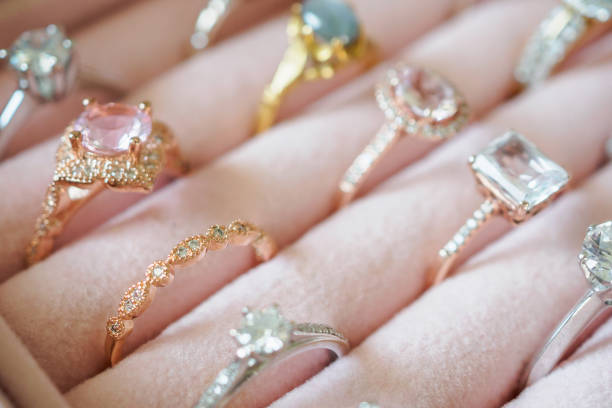
On the Mohs scale of mineral hardness, corundum ranks a solid 9 out of 10. This makes it the second hardest natural mineral after diamond (which is a 10). This exceptional hardness makes sapphires incredibly durable and suitable for daily wear, such as in engagement rings.
The Gemological Institute of America (GIA) provides extensive research on the physical properties of corundum (GIA.edu).
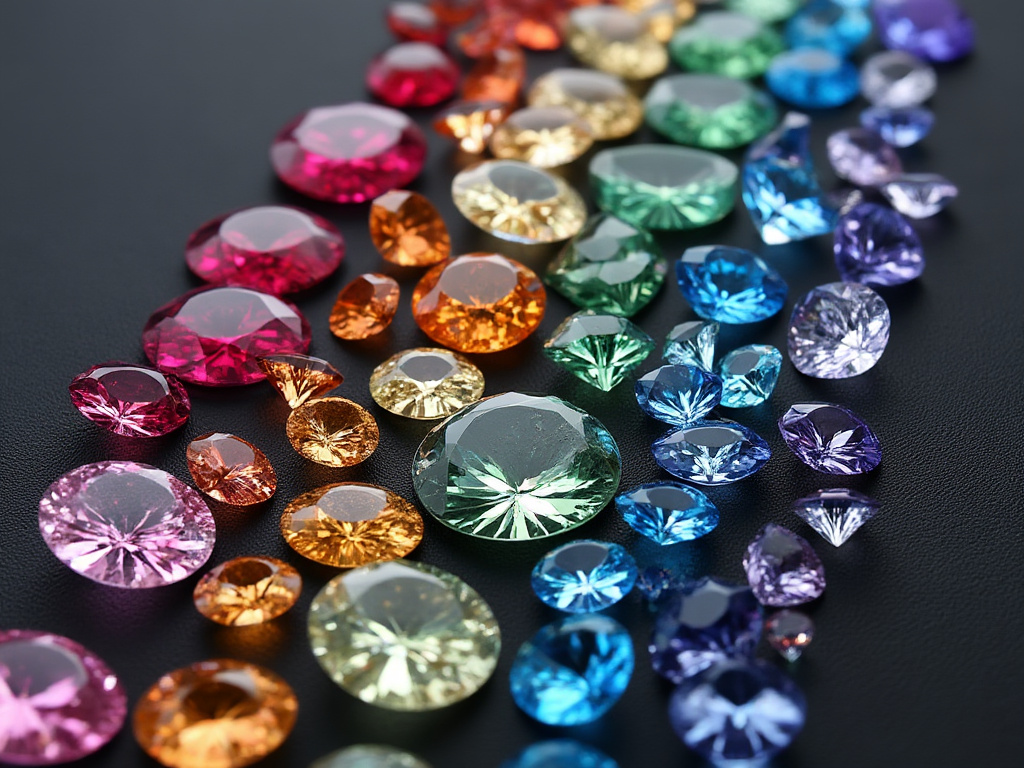
The chemical purity of corundum is clear, but it is the trace elements that introduce the rainbow.
Blue: The classic color is caused by the interaction of Titanium and Iron.
Padparadscha: A rare pink-orange hue, named after the Sinhalese word for lotus blossom.
Yellow/Green: Usually caused by trace amounts of Iron.
Pink/Purple: Caused by trace amounts of Chromium.
Note on Ruby: Red corundum is the only color excluded from the sapphire family. When chromium is present in high concentrations, the stone becomes a Ruby.
If it isn't red, it's a sapphire. You can explore a variety of these fancy sapphires and natural diamonds on our marketplace at CaratX.com.
Where a sapphire is found can significantly impact its value and appearance. For over a century, certain regions have been synonymous with quality.
The Kashmir sapphire is the holy grail of blue gemstones. Mined in the late 19th and early 20th centuries in the Zanskar range of the Himalayas, these stones possess a unique "velvety" blue due to tiny inclusions that scatter light. Mining here was sporadic and has ceased, making these stones rare collectibles.
Myanmar (Burma) produces "royal blue" sapphires with intense saturation. They are found alongside rubies in the Mogok Stone Tract, often referred to as the "Valley of Rubies." The geological conditions here produce stones with high clarity and deep color.
Sri Lanka is a geological marvel, producing some of the largest and most diverse sapphires in the world. "Ceylon" sapphires are typically lighter, brighter, and more brilliant than their Kashmir or Burmese counterparts. They range from cornflower blue to vibrant yellows and pinks.
Since the 1990s, Madagascar has become a dominant force in the gemstone market. The island off the coast of Africa produces sapphires that rival the quality of Sri Lankan and even Kashmir stones. The Ilakaka region alone transformed the global supply chain. For modern sourcing, Madagascar is key.
Today, almost all sapphires on the market (roughly 95%) are heat-treated. This is an ancient practice accepted by the industry to enhance color and clarity.
By heating a stone to extreme temperatures (up to 1800°C), the internal chemistry is altered to deepen the blue or reduce "silk" (rutile inclusions).
Other treatments include:
Beryllium Diffusion: A more complex treatment to create bright orange and yellows.
Lattice Diffusion: Used to create a thin layer of color on the surface.
When buying, it is vital to purchase from transparent sources. At CaratX , we ensure that our sellers provide clarity on treatment status.
If you are a seller looking to reach international buyers, you can register your inventory on our platform here: CaratX Seller Registration.
The gemstone trade, once confined to the bazaars of Bangkok or Jaipur, has now gone digital. The rise of B2B and B2C platforms has democratized access.
For sellers, the challenge is no longer just about finding stones, but about finding the right buyers. CaratX solves this by connecting sellers in over 18+ countries with verified buyers.
If you are a jewelry manufacturer or a wholesaler, listing your products on a global marketplace is the next step in business growth.
Check out our pricing and plans for launching your products: CaratX Pricing and Launch Page.
For buyers, the advantage is access to a global inventory from your home. Whether you are looking for a specific fancy sapphire or a natural diamond to set in a ring, you can shop with confidence.
Shop Natural Diamonds: https://caratx.com/search-results/Natural
Shop Gemstones: https://www.caratx.com/gemstones
From the mystical beliefs of the Persians to the durable stone in a modern engagement ring, the sapphire remains a testament to Earth's geological artistry. Its hardness, color variety, and rich history make it a perennial favorite.
At CaratX , we are proud to be a part of this 2,000-year-old story, bringing the next chapter to life through technology and global connectivity.
Whether you are a seasoned dealer or a first-time buyer, the world of sapphires is open to you.
1. What is the difference between a Ruby and a Sapphire? Both are the same mineral, Corundum. The difference lies in the trace elements. Red Corundum is classified as Ruby. Every other color blue, green, yellow, pink, purple is classified as Sapphire.
2. What is the rarest color of sapphire? The rarest is the Padparadscha, a delicate mix of pink and orange. Also extremely rare are unheated "Kashmir" sapphires with their distinct velvety blue.
3. Are all sapphires heat treated? Not all, but the vast majority are. Heat treatment is an ancient and accepted practice to improve color. Untreated, natural sapphires of fine quality are extremely rare and command significantly higher prices.
4. Can sapphires be worn every day? Yes. With a hardness of 9 on the Mohs scale, sapphires are extremely tough and resistant to scratches, making them an excellent choice for engagement rings and daily wear.
5. How can I sell my sapphires internationally? You can leverage a global B2B/B2C marketplace like CaratX.
By registering as a seller, you gain access to a network of buyers in 18+ countries. Start by visiting CaratX Registration.
Ready to explore the world of gemstones?
Visit CaratX.com today to shop a wide selection of natural diamonds and colored gemstones.
For trade sellers, expand your business globally by registering at CaratX.com/register
Jun, 18, 2026

Aug, 06, 2022
Aug, 06, 2022
Sep, 25, 2024

0 Comments
Please login to leave a reply.