
For centuries, the color purple has been synonymous with royalty, spirituality, and luxury, a status born from the historical rarity and expense of purple dye. Today, this regal fascination has found a brilliant new expression in the world of gemstones. Purple gemstones are surging in popularity for 2025-26, captivating jewelers, collectors, and fashion-forward individuals alike.
This trend is more than a simple color preference. It represents a shift towards jewelry with personal significance, unique character, and a story. In an era of mass production, purple gems from the widely loved amethyst to the collector's dream of sugilite offer a tangible connection to nature's artistry and a palette of meanings, from inner peace to creative awakening.
A Spectrum of Significance:
The appeal of purple gemstones is deeply rooted in their rich historical and symbolic weight.
Historical Prestige: In ancient civilizations, purple was the color of emperors and deities. Egyptians associated purple crystals with divine life, while Greeks and Romans believed amethyst could ward off intoxication and promote a clear mind. This legacy of exclusivity and power is intrinsically woven into every purple stone.
Modern Symbolism: Today, these stones are cherished for representing creativity, intuition, and spiritual wisdom. They are seen as bridges between the heart and the mind, offering emotional balance and a sense of calm in a chaotic world. This makes them profoundly appealing to those seeking more than just adornment from their jewelry.
Spiritual and Metaphysical Connections: Many are drawn to purple gems for their purported healing properties and chakra associations. They are primarily linked to the crown and third eye chakras, which are centers for spiritual connection, intuition, and higher consciousness. This spiritual dimension adds a layer of personal significance that fuels their demand.
The 2025-26 Purple Palette:
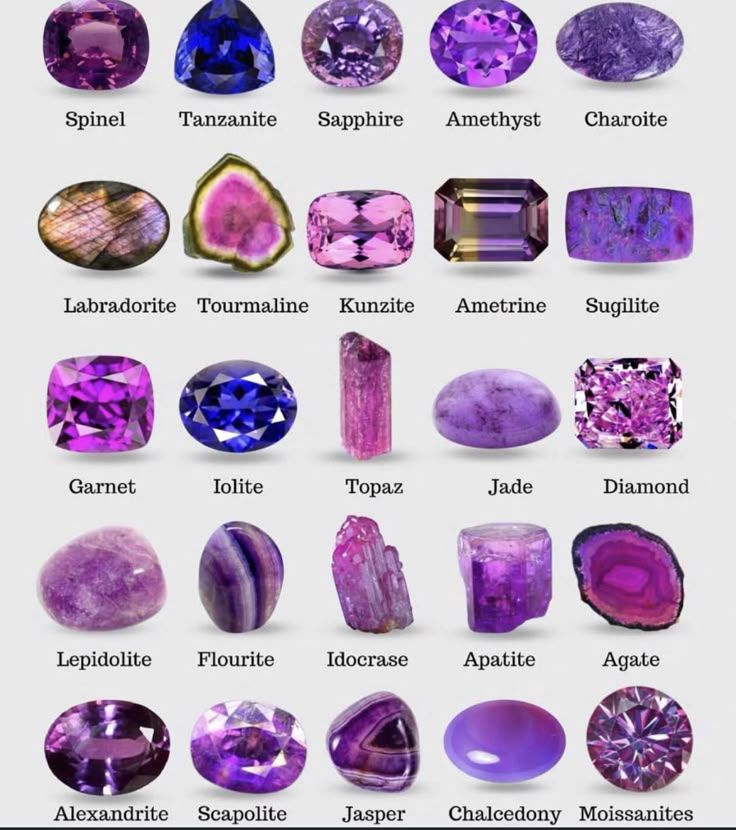
The purple gemstone family is remarkably diverse, offering options for every taste, budget, and purpose. Here’s a guide to the most significant stones defining the current trend.
The Enduring Classics -
These stones form the foundation of the purple gem world, beloved for their beauty, durability, and accessibility.
Amethyst: The undisputed ambassador of purple gems. As a variety of quartz, it offers excellent durability (Mohs hardness 7) for everyday wear and a stunning range from pale lilac to deep violet. It remains the top choice for its calming energy, clarity, and timeless beauty.
Purple Sapphire: For those seeking unparalleled durability with a regal purple hue, sapphire is the answer. With a hardness of 9 on the Mohs scale, it is second only to diamond, making it perfect for heirloom-quality engagement rings and daily-wear jewelry. Its color comes from trace elements like iron, titanium, and chromium. Discover the strength and elegance of purple sapphire in our curated collection of sapphire jewelry.
Tanzanite: A gem of extraordinary rarity, found only in one place on Earth: Tanzania. Prized for its striking trichroism displaying blue, violet, and purple hues depending on the angle of view it symbolizes transformation and spiritual awakening. While slightly softer (6.5-7 Mohs), its captivating color makes it a prized possession for special occasions.
The Rising Stars & Collector's Gems -
These unique stones are gaining major traction for their distinctive looks and powerful presence.
Sugilite: Tipped as a major color trend for 2025, this rich, vibrant purple stone commands attention. First discovered in Japan, sugilite is celebrated for its opaque, royal purple color and is considered a stone of spiritual love and protection. Its bold appearance makes it ideal for statement jewelry.
Charoite: Instantly recognizable by its swirling patterns of lavender, lilac, and violet, charoite is a true geological wonder from Siberia. This unique "gem rock" is associated with transformation and is often used in one-of-a-kind cabochons and decorative objects.
Purple Spinel: An underrated gem that is quickly coming into its own. With excellent hardness (8 Mohs) and vivid saturation, purple spinel offers great durability and sparkle. It is highly valued by collectors for its purity of color and is seen as a stone of renewal and energy.
A World of Unique Options -
Beyond the headliners, a fascinating array of purple gems offers specialized appeal.
Iolite: Often called "water sapphire," iolite displays beautiful violet-blue pleochroism and is known as a stone of inner vision and exploration.
Purple Garnet (Rhodolite): A vibrant, affordable option with a raspberry-to-purple hue. It offers good durability and is a stone of passion and creative energy.
Kunzite: A delicate, feminine stone ranging from soft pink to light purple. It is known for its connection to emotional healing and compassion but requires care, as its color can fade with prolonged sunlight exposure.
Fluorite: Beloved by collectors for its often-vibrant, neon-like purple bands and perfect cubic crystals. With a hardness of only 4, it is too soft for rings but makes for stunning earrings or display pieces.
Purple Gemstones: Key Characteristics & Uses
Amethyst
Color Range: Light lilac to deep purple
Mohs Hardness: 7
Primary Appeal & Best Use: A timeless, best-selling gemstone known for its rich purple hues. Suitable for everyday jewelry such as rings, pendants, and bracelets.
Purple Sapphire
Color Range: Violet to rich purple
Mohs Hardness: 9
Primary Appeal & Best Use: Extremely durable and luxurious. Ideal for engagement rings and daily-wear jewelry where longevity is essential.
Tanzanite
Color Range: Blue-violet to purple
Mohs Hardness: 6.5–7
Primary Appeal & Best Use: Exceptionally rare with a striking color-shift effect. Best suited for pendants and earrings rather than heavy-wear rings.
Sugilite
Color Range: Deep, royal purple
Mohs Hardness: 5.5–6.5
Primary Appeal & Best Use: An opaque gemstone with bold visual impact. Commonly used in cabochons, beads, and artistic jewelry designs.
Charoite
Color Range: Swirling lavender and purple
Mohs Hardness: 5–6
Primary Appeal & Best Use: Valued for its unique, natural patterns. Popular for collector pieces and statement jewelry.
Purple Spinel
Color Range: Vivid lavender to deep purple
Mohs Hardness: 8
Primary Appeal & Best Use: Offers excellent sparkle and durability. Versatile for all jewelry types, including rings, earrings, and necklaces.
The Driving Forces Behind the Purple Boom
Several cultural and consumer trends are converging to propel purple gemstones to the forefront.
The Quest for Uniqueness and Personal Expression: In a world of fast fashion, people are increasingly drawn to jewelry that tells a story and reflects their individuality. The rarity and varied personalities of purple gems from the spiritual amethyst to the bold sugilite cater perfectly to this desire.
The "Quiet Luxury" and Meaning-Driven Movement: Modern luxury is less about obvious logos and more about quality, craftsmanship, and meaning. Purple gemstones, with their historical depth and metaphysical associations, embody this shift. They are perceived as investments in well-being and personal style.
The Rise of Alternative Engagement Stones: As couples seek non-traditional symbols for their commitment, durable and meaningful colored gemstones are booming. Purple sapphires, with their diamond-like hardness and royal connotations, and unique stones like tanzanite are becoming popular centerpieces for expression rings and engagement jewelry.
Choosing and Wearing Your Purple Gemstone -
Selecting the right purple gem involves balancing beauty with practicality.
Quality Factors -
When assessing any purple gemstone, jewelers and collectors focus on "The Four Cs," adapted for color gems:
Color: The most important factor. Look for a pleasing, saturated hue without undesirable brown or gray modifiers. The ideal color varies by stone a deep violet is prized in amethyst, while a pure, vivid purple is sought in spinel.
Clarity: Eye-clean stones (with no visible inclusions to the naked eye) are generally most valuable. However, some inclusions are acceptable and can even be desirable, like the unique swirling patterns in charoite.
Cut: A good cut maximizes the stone's brilliance and color. Well-cut facets should be symmetrical and reflect light evenly across the stone.
Carat Weight: Size influences price, but a smaller stone with exceptional color can be more valuable than a larger, paler one.
Style and Setting
Metal Pairings: Purple gems are incredibly versatile. White metals like platinum and sterling silver provide a cool, modern contrast that makes the purple pop. Yellow and rose gold offer a warm, vintage-inspired, and luxurious feel.
Jewelry Styles: The trend embraces both bold and minimalist designs.
For inspiration on how to incorporate these stunning gems into your collection, explore our diverse range of gemstone jewelry at CaratX.
Caring for Your Purple Treasures
Proper care ensures your purple gemstones retain their beauty for generations.
Storage: Store pieces separately in a soft-lined jewelry box to prevent scratches. Keep softer stones like kunzite and fluorite away from harder gems.
Cleaning: Use mild soap, lukewarm water, and a soft brush. Avoid ultrasonic cleaners and steamers for gems with inclusions (like tanzanite) or fractures.
Conclusion
The ascent of purple gemstones is a definitive trend for 2025-26, blending ancient symbolism with contemporary style. It speaks to a desire for authenticity, personal meaning, and beauty that stands apart. Whether you are drawn to the soothing familiarity of amethyst, the durable luxury of a purple sapphire, or the artistic statement of a sugilite, there is a purple gemstone that resonates with every story and style.
This is the perfect moment to explore the captivating world of purple gems.
Begin your journey by discovering our curated selection of natural, ethically sourced purple gemstones and finished jewelry pieces at CaratX.
Frequently Asked Questions
Which purple gemstone is hardest and best for an engagement ring?
Purple sapphire is the hardest, with a Mohs hardness rating of 9, making it an excellent and durable choice for an engagement ring meant for daily wear. It offers both exceptional toughness and a regal, unique color.
Are there affordable options for purple gemstone jewelry?
Yes. Amethyst is the most accessible and affordable purple gemstone, offering great beauty and durability at a lower price point. Purple garnet (rhodolite) and iolite are also beautiful, vibrant options that are typically more budget-friendly than sapphires or tanzanite.
What causes the purple color in these gemstones?
The purple color is almost always due to trace elements present during the gem's formation. Common color-causing elements include iron, titanium, manganese, and chromium. The specific combination and concentration of these elements determine the exact shade of purple.
Can purple gemstones be worn every day?
It depends on the specific stone. Gems with a hardness of 7 or higher on the Mohs scale (like amethyst, purple sapphire, spinel, and topaz) are generally considered safe for daily wear in rings and bracelets. Softer stones like fluorite or kunzite are better suited for earrings, pendants, or occasional-wear jewelry.
What is the rarest purple gemstone?
Natural purple diamonds are among the rarest colored diamonds in the world. In more accessible categories, tanzanite is exceptionally rare as it is mined from only one location in Tanzania, and purple sapphires of fine quality are also quite scarce, as many are heat-treated to become pink sapphires.
Image Credit - Pinterest