
The 2025 U.S. Loose Diamond Market: A Deep Dive into Trends, Pressures, and Strategic Shifts
Home
News And Media The 2025 U.S. Loose Diamond Market: A Deep Dive into Trends, Pressures, and Strategic Shifts SHOP NOWHome
News And Media The 2025 U.S. Loose Diamond Market: A Deep Dive into Trends, Pressures, and Strategic Shifts SHOP NOWJan, 27, 2026 by Archit Mohanty 0 Comments
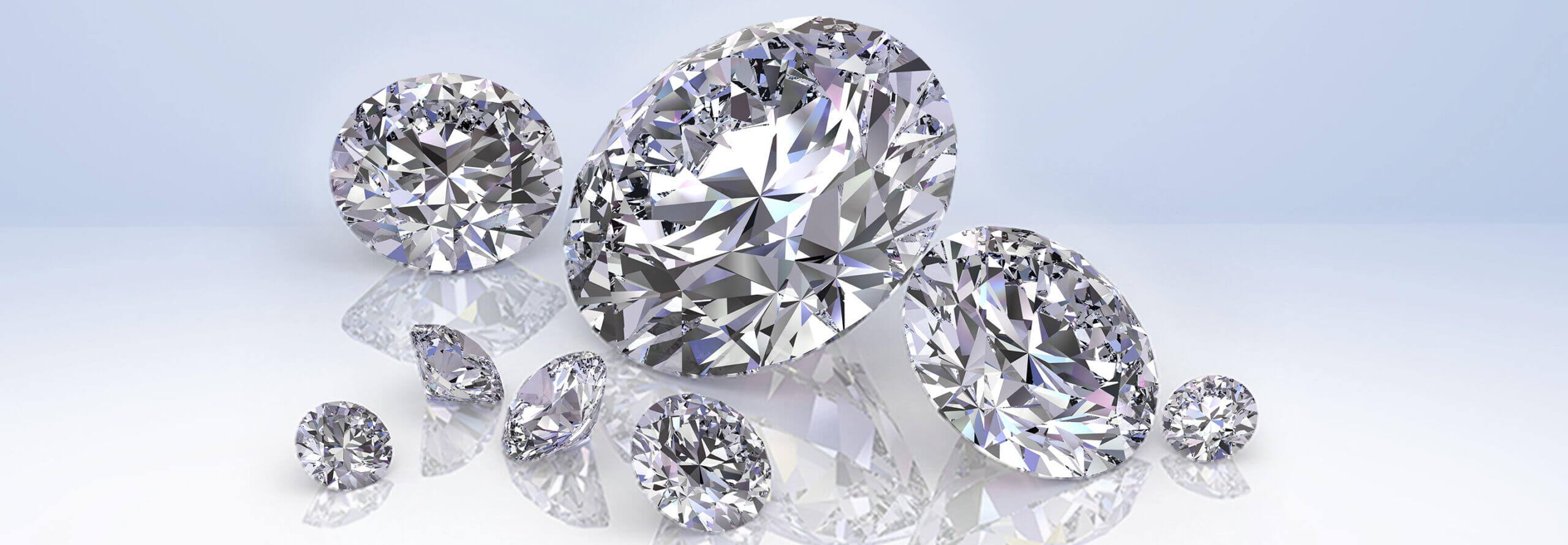
The U.S. loose diamond market navigated a complex and challenging landscape in 2025, marked by shifting consumer preferences, economic pressures, and a continued evolution in the relationship between natural and lab-grown stones.
While overall revenue contracted, underlying trends reveal a market in the midst of a significant transformation, where value, intentionality, and customization are becoming paramount. This analysis deciphers the key data points and explores their implications for retailers, manufacturers, and consumers.
The headline figure is clear: total U.S. retailer revenue from both natural and lab-grown loose diamonds fell by 3% in 2025. This decline underscores persistent pressures. However, drilling deeper (pun intended), we see a market bifurcating: a shrinking volume of natural diamond transactions focused on higher value, and a lab-grown sector grappling with intense commoditization.
The traditional model is being reshaped, favoring retailers and platforms that can adapt to these new dynamics.
Natural loose diamonds endured their fourth consecutive year of decline, solidifying their position as the worst-performing category in the U.S. jewelry market for 2025. Their share of total jewelry revenue has starkly fallen from over 20% to just 16%.
Revenue & Units: Revenue dropped 4% (following a -5% drop in 2024), but the more alarming figure is the 10% decline in unit sales. This indicates that significantly fewer stones are being sold.
The "Higher Value" Paradox: Despite fewer sales, the average price per natural loose diamond rose 6.3% to approximately $11,000, and the average carat size increased to 1.46 carats. This is the core story: consumers are not abandoning natural diamonds; they are being more selective.
They are trading up, purchasing larger, higher-quality stones for special, meaningful pieces, aided by softer overall diamond prices. As noted by the Gemological Institute of America (GIA), consumer education has led to a more discerning buyer who prioritizes quality and significance over mere ownership.
The Rise of 2-Carats: Reflecting this trend, 2-carat diamonds became the second most popular size, with unit sales growing 5% year-over-year. This size represents a clear statement piece, often for an engagement ring, balancing visual impact with (relative) value.
Holiday Season Weakness: The crucial November-December period was particularly weak, with sales value down 10% and unit sales plummeting nearly 18%. This suggests that natural loose diamonds are losing their footing as "impulse" or gift items outside of core life-event purchases.
Where Demand Remains: Demand is now concentrated. The data shows sustained consumer willingness to spend more, but primarily for engagement rings and custom-made natural diamond jewelry. This underscores the loose diamond's evolving role as a component for bespoke, emotionally significant jewelry rather than a standalone product.
Implication for Sellers: The era of stocking a broad inventory of small, lower-value natural diamonds is ending. The focus must shift to curating a selection of higher-quality, larger stones and, more importantly, showcasing exceptional custom design services to transform those stones into heirlooms. For those looking to source such stones, exploring a curated selection of natural diamonds is key.
Lab-grown diamonds (LGDs) are no longer the unstoppable growth engine. While they continue to gain market share from natural stones in volume terms, the sector is under severe strain.
Revenue Pressure: LGD revenue fell by mid-single digits in November 2025, a critical month.
Falling Average Selling Price (ASP): Consumers spent less per lab-grown item, a trend ongoing for over three years. This is driven by:
Slowing Unit Growth: Unit sales growth slowed to low single digits, a dramatic deceleration from the double-digit hikes of previous years. According to a report by the International Gem Society (IGS), this signals market maturation and saturation in entry-level price points.
Implication for Sellers: The lab-grown market is becoming a volume-driven, low-margin business. Success requires operational efficiency, massive scale, or a strategic pivot towards marketing LGDs for fashion jewelry or larger, statement pieces where the value proposition of size-for-price remains compelling. Sellers can source these stones competitively through a lab-grown diamonds marketplace.
The most acute pain is felt in diamonds priced below $2,500. This sharp decline ripples upstream, hitting polishers and midstream manufacturers hard. Sightholders and cutters are responding by focusing on larger rough diamonds where demand and margins are more stable, inadvertently exacerbating the shortage of smaller, cheaper polished goods.
The data consistently points to customization as a saving grace. Loose diamonds are increasingly sold as part of a custom jewelry experience. Retailers thriving in this environment are those with robust design studios and a seamless client journey from stone selection to finished ring.
For U.S. retailers and sellers, looking beyond domestic pressures is crucial. Selling jewelry internationally can tap into emerging markets with different demand curves and less saturation. Platforms that facilitate cross-border trade are becoming invaluable.
The 2025 data paints a picture of a correction, not a collapse. The market is rationalizing. Natural diamonds are re-centering around luxury, emotion, and rarity. Lab-grown diamonds are finding their level as an affordable, ethical, and fashionable product category.
Strategic Takeaways:
Pivot to Value, Not Volume: For natural diamonds, emphasize quality, provenance, and the story. For lab-grown, compete on design and accessibility, not just price.
Invest in Custom Design: This is the primary engine for loose diamond sales. Showcase this capability.
Leverage Digital Marketplaces: Efficiency in sourcing and sales is critical. B2B and B2C online marketplaces like CaratX allow sellers to reach a global audience of over 18 countries, mitigating domestic slowdowns.
Sellers can register on the CaratX marketplace to begin this expansion.
Diversify with Colored Gemstones: Consider expanding into the vibrant colored gemstone sector, which can complement diamond offerings and attract new clients.
You can shop gemstones at competitive prices to diversify inventory.
Q: Are natural diamonds a bad investment in 2025? A: As a financial investment, they have always been speculative. However, as a purchase of emotional value and enduring beauty, the 2025 trend shows buyers are focusing on higher-quality natural diamonds for meaningful pieces like engagement rings, which holds intrinsic value.
Q: Why are lab-grown diamond prices still falling? A: It's a perfect storm of improved, cheaper production technology, fierce retail competition, and consumer expectations now aligned with continuous price drops, similar to consumer electronics.
Q: Is now a good time to buy a larger diamond? A: Data suggests yes. The average price per carat for natural diamonds has softened, and consumers are actively trading up to larger stones (like 2-carats), indicating perceived value at current price points.
Q: How can a small jeweler compete in this market? A: By specializing in high-touch services like custom design, focusing on a curated selection of better-quality goods, and leveraging global online platforms to source inventory and reach customers efficiently. Launching your products on a global marketplace can dramatically expand your reach.
Q: What is driving the growth in 2-carat diamonds? A: It's a combination of lower per-carat prices making them more accessible, and a consumer preference for a noticeable, statement center stone, especially for engagement rings where trends have shifted towards larger sizes.
CaratX Market Data & Analysis: Internal data and trend analysis for the 2025 U.S. loose diamond market. www.caratx.com
Gemological Institute of America (GIA). "Consumer Buying Trends & Diamond Education." GIA.edu. Accessed 2025. https://www.gia.edu/
International Gem Society (IGS). "Lab-Grown Diamond Market Report 2025: Maturation & Commoditization." GemSociety.org. Accessed 2025. https://www.gemsociety.org/
Rapaport Group. "Diamond Market Analysis." Rapaport.com. Accessed 2025. (Industry-standard price and market analysis). https://www.rapaport.com/
Ready to navigate the evolving diamond market? Whether you're a buyer seeking the perfect stone or a seller aiming to expand your global reach, CaratX provides the platform and insights you need.
For Buyers: Discover exceptional value on our marketplace. Shop Natural Diamonds |
Shop Lab-Grown Diamonds | Explore Gemstones
For Sellers: Access a global audience of buyers in 18+ countries. Register to Sell B2B & B2C |
May, 26, 2026
Aug, 06, 2022
Aug, 06, 2022
0 Comments
Please login to leave a reply.