

Sapphire vs. Blue Diamond: An In-Depth Guide to Earth’s Most Captivating Blue Gemstones
Home
Our Favorite Articles Sapphire vs. Blue Diamond: An In-Depth Guide to Earth’s Most Captivating Blue Gemstones SHOP NOWHome
Our Favorite Articles Sapphire vs. Blue Diamond: An In-Depth Guide to Earth’s Most Captivating Blue Gemstones SHOP NOWJan, 09, 2026 by Archit Mohanty 0 Comments
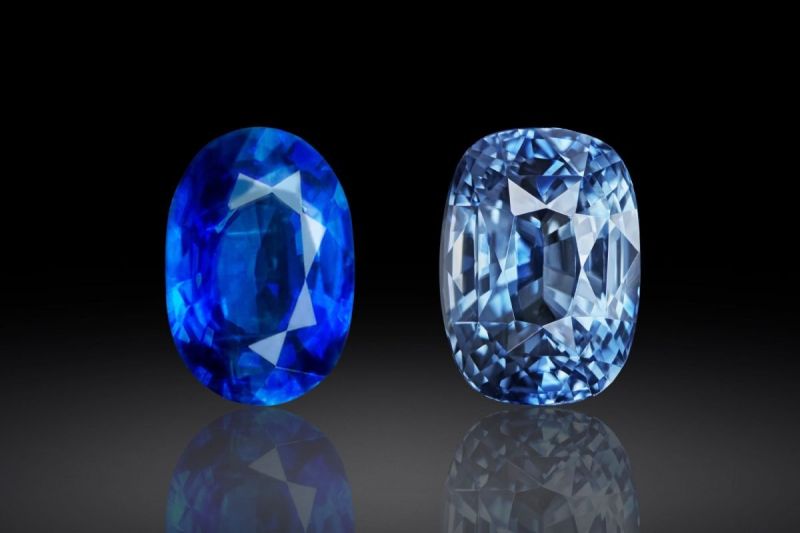
Blue gemstones have mesmerized humanity for millennia, symbolizing wisdom, nobility, and the heavens. Among them, sapphires and blue diamonds stand as titans in the gem world each unparalleled in its own right, yet fundamentally different in origin, character, and allure. Whether you’re a collector, a jewelry enthusiast, or a industry professional, understanding these distinctions is key.
This guide dives deep into their stories, while guiding you to the best platforms for acquisition and sale, like the global marketplace CaratX
Sapphires have been treasured since antiquity. Ancient Persians believed the sky was painted blue by the reflection of sapphire stones. Royals and clerics alike have adorned themselves with sapphires for protection and to signify wisdom. The British Crown Jewels feature several legendary sapphires, cementing their status as gems of nobility.
Sapphires are a variety of the mineral corundum (aluminum oxide), with their iconic blue color resulting from trace elements of titanium and iron. They form under intense heat and pressure in metamorphic rocks or in alluvial deposits.
Key sources define their character:
Sri Lanka (Ceylon): Renowned for producing stones of a bright, medium blue often described as "cornflower blue." These Ceylon sapphires are highly sought after for their exceptional clarity and luminous color. Explore a selection of these classic stones on the CaratX gemstone marketplace.
Burma (Myanmar): The source of some of the most prized, velvety deep blue sapphires with a rich saturation.
Madagascar & Africa: Major modern sources producing a wide spectrum of qualities and colors, from deep blues to vibrant teals.
Color: The primary driver of value. The most prized is a vivid, medium-dark, pure "royal blue." Color is evaluated based on hue, saturation, and tone.
Durability: With a Mohs hardness of 9 (second only to diamond), sapphires are exceptionally durable, making them perfect for engagement rings and daily-wear jewelry.
Clarity: Sapphires typically have some inclusions. "Eye-clean" stones (no visible inclusions to the naked eye) are valued higher. Needle-like inclusions (silk) can create desirable velvety appearance or asterism (star effect).
Treatments: Heat treatment is common and accepted in the trade to improve color and clarity. It’s essential to purchase from transparent sellers who disclose all treatments.
For those looking to acquire these gems, CaratX offers a curated selection of natural sapphires from trusted sources worldwide.
Blue diamonds are not merely rare; they are geological anomalies. Their formation requires the presence of the element boron during the diamond's crystallization deep within the earth's mantle, an event that occurs in only a handful of mines. This makes them one of the planet's most extraordinary treasures.
The Hope Diamond (45.52 carats) is the most famous blue diamond, with a history shrouded in legend and mystery. More recently, the Oppenheimer Blue (14.62 carats) sold for over $57 million, and the Blue Moon of Josephine (12.03 carats) achieved a staggering $4 million per carat, highlighting their unparalleled status in the world of collectibles.
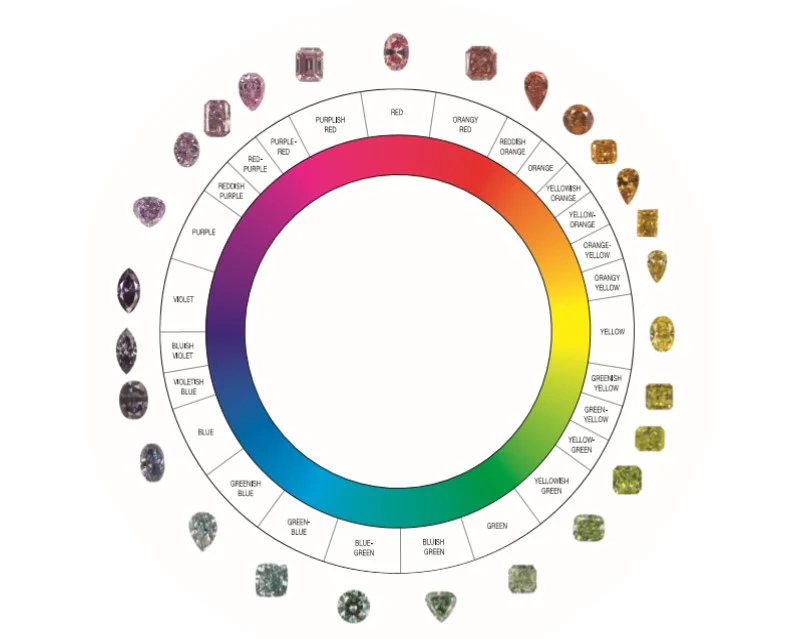
Color: Graded on a scale from Faint Blue to Fancy Vivid Deep Blue. The intensity and purity of the blue hue are the most critical value factors. Secondary hues like gray or green can reduce value.
Source: Historically, the Golconda region in India produced legendary stones. Today, the Cullinan Mine in South Africa and the Argyle Mine in Australia (now closed) have been primary sources for these rarities.
Brilliance & Fire: As diamonds, they possess the unmatched refractive index and dispersion that creates the iconic "sparkle" or "fire," even in colored stones. This brilliance sets them apart from all other blue gems.
Investment Profile: Due to their extreme rarity, top-quality blue diamonds are considered tangible alternative assets, often outperforming traditional investments at auction.
For connoisseurs and investors, sourcing such a stone requires access to exclusive networks. Platforms like CaratX's natural diamond collection connect serious buyers with a vetted global inventory.
Sapphire: Corundum (Al₂O₃)
Blue Diamond: Carbon (C) with boron impurities
Sapphire: 9
Blue Diamond: 10 (hardest known natural mineral)
Sapphire: Iron and Titanium
Blue Diamond: Boron
Sapphire: Rare, but available in commercial and fine qualities
Blue Diamond: Exceptionally rare, especially in vivid and saturated blue shades
Sapphire: Inclusions are common; many stones are eye-clean
Blue Diamond: Varies widely; higher clarity significantly increases value
Sapphire: Vitreous luster with moderate brilliance and lower dispersion
Blue Diamond: Exceptional brilliance and fire with high light dispersion
Sapphire: Wide range from affordable options to high-value collector stones
Blue Diamond: Extremely expensive; premium stones often sell for millions at auction
Sapphire: Heritage jewelry, daily wear, and for those who love rich color
Blue Diamond: Ultimate luxury pieces, investment jewelry, and statement designs
Choose a Sapphire if: You desire a classic, timeless blue with a rich history. You need a durable stone for an engagement ring you’ll wear every day. You appreciate a wide range of shades and origins, and value beauty and personality alongside gemological prestige. Discover versatile sapphire jewelry options on CaratX.
Choose a Blue Diamond if: You seek one of the rarest objects on Earth. You are drawn to unparalleled sparkle and depth of color combined. You view the purchase as a significant investment or a symbol of exclusive luxury.
Whether you’re drawn to the regal sapphire or the miraculous blue diamond, navigating the international gemstone market requires expertise and a trusted platform.
For Buyers:
Education is Key: Rely on authoritative sources like the Gemological Institute of America (GIA) for grading reports and education.
Use Reputable Marketplaces: Seek platforms that provide detailed certifications, origin information, and transparent seller policies. You can shop natural diamonds and gemstones at unbeatable prices on CaratX, which aggregates global supply.
For Sellers & Jewelers: Expanding your reach is crucial. CaratX provides a powerful marketplace to list your inventory and connect with a global network of over 18 countries.
Register as a Seller on CaratX to start selling to both B2B and B2C buyers internationally.
Leverage their Seller Plan to list finished jewelry, loose gemstones, and diamonds, tapping into new markets effortlessly.
Understand the costs and benefits; review CaratX's pricing and launch details to optimize your strategy.
Q: Can sapphires be as valuable as blue diamonds? A: While the finest blue diamonds routinely break price records, exceptional "royal blue" sapphires from historic sources like Kashmir can also command very high prices per carat (tens to hundreds of thousands), especially at auction. However, they generally occupy a different market segment than blue diamonds.
Q: Are blue diamonds always natural? A: Natural blue diamonds are incredibly rare. However, treated blue diamonds (via irradiation and heating) exist and are significantly less expensive. Always insist on a grading report from a reputable lab like the GIA, which will clearly state if a diamond's color is natural or treated.
Q: Which is more durable for a ring, sapphire or diamond? A: Both are excellent choices. Diamond is a 10 on the Mohs scale and is the hardest substance on earth. Sapphire is a 9, making it extremely durable for daily wear. The difference in practical wearability is minimal; both will last generations with proper care.
Q: Where can I learn more about gemological science? A: For authoritative, non-commercial information, refer to educational resources from institutions like the Smithsonian National Museum of Natural History or GIA's Gem Encyclopedia.
The choice between a sapphire and a blue diamond is a choice between two distinct legends. The sapphire offers a legacy of color, resilience, and accessible beauty. The blue diamond offers the pinnacle of rarity, a mesmerizing dance of light, and a piece of geological history. Whichever captures your heart, ensure your journey is supported by knowledge and a trustworthy partner in the market.
For those ready to explore, buy, or sell, the global marketplace of CaratX stands as a gateway. Sellers can register on CaratX today to launch their products to a worldwide audience, while buyers can discover a curated world of exceptional gems.
Shop Natural Gemstones:https://caratx.com/search-results/gemstones
Shop Natural Diamonds: https://caratx.com/search-results/Natural
Seller Registration Portal: www.caratx.com/register
Pricing & Launch Details: https://caratx.com/generic-pages/launch-your-products-on-caratx
May, 26, 2026
Aug, 06, 2022
Aug, 06, 2022

0 Comments
Please login to leave a reply.