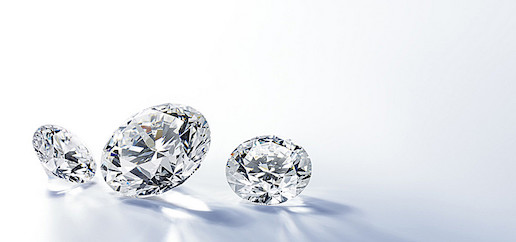

Diamond inclusions are often misunderstood as mere flaws. In reality, they are nature's fingerprint unique internal characteristics formed over billions of years deep within the Earth. These microscopic features not only tell the story of a diamond's incredible journey but also directly impact its clarity, value, and brilliance.
Understanding inclusions is crucial for anyone purchasing, selling, or appreciating diamonds. This comprehensive guide will explore everything you need to know about what lies inside a diamond.
What Are Diamond Inclusions -
Inclusions are natural features trapped inside a diamond during its formation process. They form while the diamond crystal grows under extreme heat and pressure in the Earth's mantle, approximately 100 miles below the surface. Each inclusion serves as a microscopic time capsule, preserving information about the geological conditions present during the diamond's creation.
According to the Gemological Institute of America (GIA), the world's foremost authority on gemstones, inclusions are classified as "internal characteristics" that help gemologists identify natural diamonds and distinguish them from synthetic alternatives. The study of these features, known as gemology, reveals fascinating insights into our planet's history.
The Science Behind Diamond Formation -
Diamonds form under specific conditions of extreme pressure (725,000 pounds per square inch) and temperature (2,200 degrees Fahrenheit) in the Earth's mantle. Carbon atoms arrange themselves into the cubic crystal structure that gives diamonds their remarkable hardness. During this crystallization process, other minerals or structural irregularities may become trapped, creating the inclusions we see today.
Volcanic eruptions known as kimberlite eruptions then transport diamonds to the Earth's surface through narrow pipes. The rapid ascent creates additional stress patterns that can result in certain types of inclusions. This entire process typically occurs over 1 to 3 billion years, making diamonds among the oldest materials you can own.
Common Types of Diamond Inclusions: A Detailed Analysis
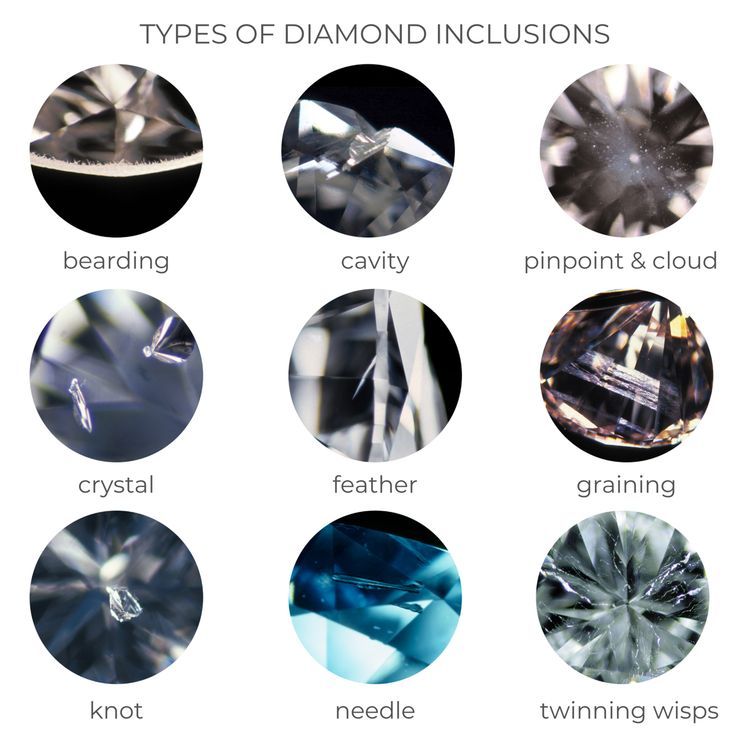
1. Crystals: Mineral Time Capsules
Crystals are tiny mineral formations trapped inside the diamond during its growth. These can appear as:
Clear or white crystals: Often diamonds or other colorless minerals.
Black crystals: Typically graphite or hematite.
Colored crystals: Possibly garnet, olivine, or pyrite.
These microscopic mineral inclusions are fascinating to geologists, as they provide direct samples of the Earth's mantle. At CaratX , our selection of natural diamonds showcases a variety of crystal inclusions that demonstrate their authentic formation history.
2. Feathers: Internal Fractures
Feathers are small internal cracks that resemble, as the name suggests, feather-like patterns. They form from stress during the diamond's formation or transportation to the surface.
Appearance: White or transparent lines with a feathery texture.
Significance: Usually harmless unless large or positioned near the surface where they might compromise durability.
Impact on value: Depends on size, location, and visibility.
The American Gem Society (AGS) provides detailed guidelines on how feathers affect durability and value, helping consumers make informed decisions.
3. Clouds: Hazy Formations
Clouds are clusters of extremely tiny pinpoints that are too small to distinguish individually but collectively create a hazy area.
Visual effect: Can give portions of the diamond a soft, cloudy appearance.
Impact on brilliance: Large or dense clouds may reduce transparency and light performance.
Identification: Often require magnification to properly assess.
4. Pinpoints: Microscopic Dots
Pinpoints are minuscule crystal inclusions that appear as tiny white or black dots.
Visibility: Typically require 10x magnification to see.
Impact: Single pinpoints rarely affect beauty or structural integrity.
Frequency: Extremely common in natural diamonds.
5. Needles: Elongated Crystal Formations
Needles are long, thin mineral crystals that appear as rod-like inclusions.
Appearance: Resemble fine lines running through the diamond.
Composition: Often composed of other minerals, sometimes diamonds.
Visibility: Usually only visible under magnification.
6. Knots: Surface-Reaching Crystals
Knots are crystal inclusions that extend to the diamond's surface.
Unique characteristic: Can sometimes be felt when running a fingernail over the surface.
Polishing challenges: May affect the diamond's polish and symmetry.
Visibility: Often more noticeable than internal inclusions.
7. Graining: Growth Lines
Graining results from irregular crystal growth patterns during diamond formation.
Appearance: Can appear as faint lines, streaks, or reflective planes.
Types: Internal graining remains inside, while surface graining affects the exterior.
Impact: May cause reflections or haziness depending on severity.
8. Twinning Wisps: Complex Growth Patterns
Twinning wisps are intricate patterns that form when the diamond's crystal structure changes direction during growth.
Appearance: Wispy, ribbon-like lines that may contain multiple inclusion types.
Significance: Demonstrate complex growth history.
Frequency: Particularly common in natural diamonds.
How Inclusions Affect Diamond Quality and Value -
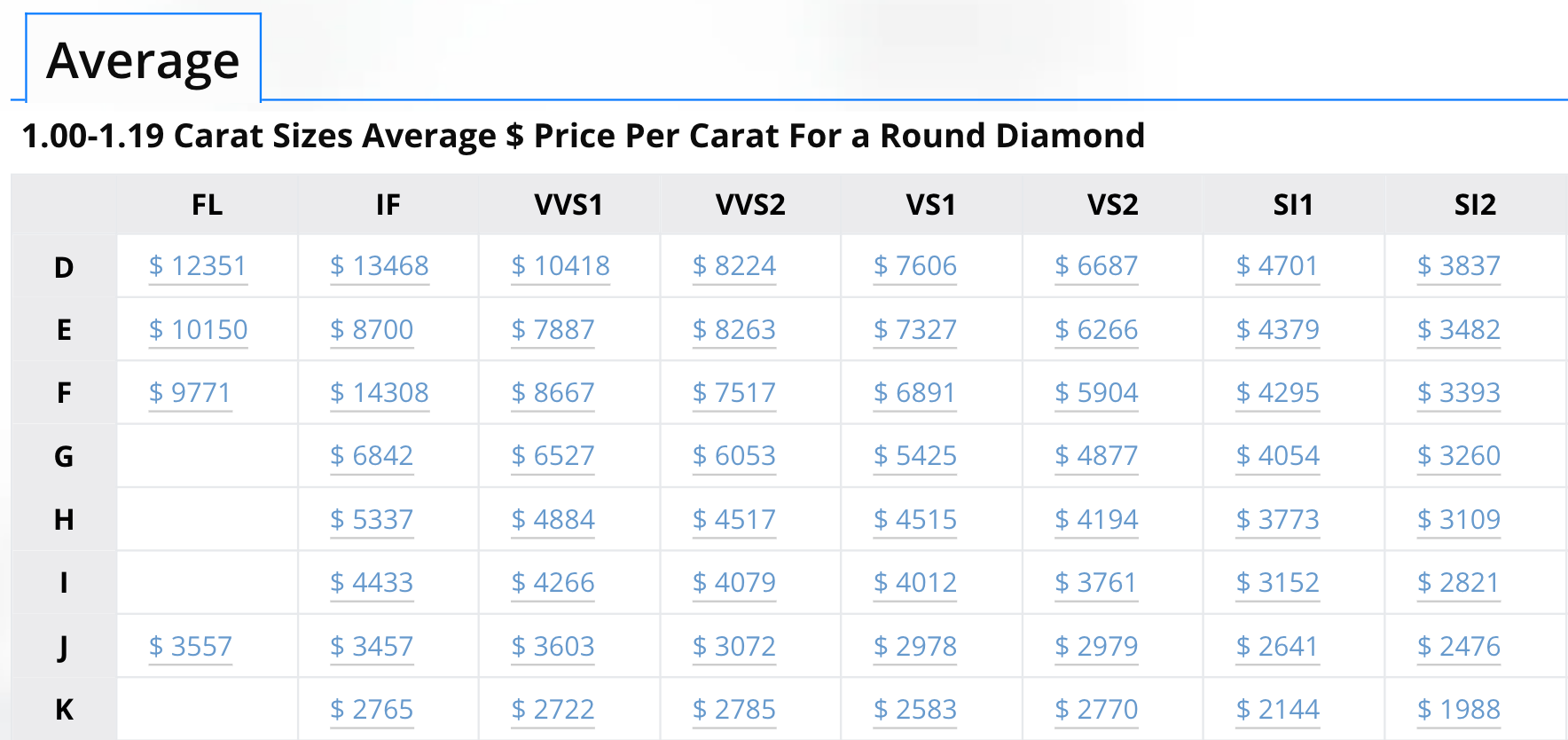
Clarity Grading Standards
Diamond clarity is graded on a scale developed by the GIA, ranging from Flawless (FL) to Included (I3). This scale considers:
Size: Larger inclusions generally lower the clarity grade more.
Number: Multiple inclusions reduce clarity more than single inclusions.
Position: Inclusions under the table (top facet) are most visible.
Nature: Whether the inclusion is internal or reaches the surface.
Relief: How noticeably the inclusion contrasts with the diamond.
You can explore diamonds across the clarity spectrum in our CaratX diamond collection, which features detailed certification and imaging for each stone.
Impact on Brilliance and Light Performance -
Inclusions can affect how light travels through a diamond:
Transparency reduction: Significant inclusions may block or scatter light.
Reflection interference: Surface-reaching inclusions can disrupt light reflection.
Strategic placement: Some inclusions positioned near pavilion facets may have minimal impact on brilliance.
Structural Considerations -
While most inclusions don't affect durability, certain types and placements require consideration:
Surface-reaching fractures: May make diamonds more prone to chipping.
Large feathers near girdle: Can compromise structural integrity.
Multiple inclusions in stress points: May affect long-term wearability.
The Positive Side of Inclusions -
Authentication and Provenance -
Inclusions serve as nature's certificate of authenticity. Each diamond's inclusion pattern is unique a microscopic fingerprint that:
Verifies natural origin: Distinguishes earth-mined from lab-created diamonds.
Provides identification: Allows specific diamonds to be identified if stolen.
Tells geological history: Reveals information about formation conditions.
Unique Character and Beauty -
Many jewelers and collectors appreciate inclusions as markers of individuality:
Storytelling elements: Each inclusion pattern tells a unique formation story.
Visual interest: Some inclusions create distinctive optical effects.
Value Opportunities -
Diamonds with visible inclusions often offer:
Price advantages: Significant savings compared to higher-clarity grades.
Unique aesthetics: Distinctive appearances that stand out from "perfect" stones.
Location Matters -
The position of an inclusion significantly affects its impact:
Under the table: Most visible area, inclusions here are most noticeable.
Near the girdle: Often hidden by prongs in settings.
Toward the pavilion: May have minimal effect on face-up appearance.
Personal Preference and Style -
Your tolerance for inclusions depends on:
Budget constraints: Balancing size, color, and clarity preferences.
Aesthetic priorities: Whether you prioritize "perfection" or unique character.
Jewelry type: Different standards may apply for engagement rings versus earrings.
Caring for Diamonds with Inclusions -
Cleaning Considerations -
Ultrasonic cleaners: Generally safe unless the diamond has significant feathers or fractures.
Steam cleaners: Avoid for diamonds with surface-reaching inclusions that might trap moisture.
Manual cleaning: Soft brush with mild detergent remains the safest option for all diamonds.
Regular Maintenance -
Professional inspections: Recommended every 6-12 months for diamonds with significant inclusions.
Prong checks: Ensure settings protect any vulnerable areas of the diamond.
Frequently Asked Questions -
Q: Can inclusions be removed from a diamond? A: Most inclusions cannot be removed without significantly reducing the diamond's size. Some surface-reaching inclusions might be minimized through re-polishing, but this results in weight loss and may not eliminate the inclusion entirely.
Q: Do inclusions make diamonds more likely to break? A: Most inclusions don't affect durability. However, large feathers or fractures that reach the surface, especially near the girdle, can make a diamond more vulnerable to chipping if struck at a specific angle.
Q: Are inclusions the same as blemishes? A: No. Inclusions are internal characteristics, while blemishes are external features like scratches, nicks, or polish lines. Both affect clarity grading but are categorized separately in gemological reports.
Q: How do lab-created diamond inclusions differ from natural ones? A: Lab-grown diamonds may contain metallic flux inclusions or have different growth patterns. Natural diamonds typically show more varied mineral inclusions and evidence of geological stress. Gemological laboratories can distinguish between them using advanced equipment.
Q: Can inclusions be hidden by jewelry settings? A: Yes, strategic placement of prongs or bezel settings can conceal some inclusions, particularly those near the girdle. Our design specialists at CaratX can recommend settings that optimize your diamond's appearance.
Q: Do all diamonds have inclusions? A: The majority of natural diamonds contain some inclusions. Truly flawless diamonds are exceptionally rare, representing less than 0.5% of all gem-quality diamonds. Even many "eye-clean" diamonds contain inclusions visible under magnification.
Q: How do inclusions affect diamond value compared to other Cs? A: Inclusions affect clarity grade, which is one of the four Cs. Generally, carat weight has the strongest impact on price, followed by color, then clarity, with cut quality affecting both value and appearance significantly.
Conclusion:
Diamond inclusions are not merely flaws to be avoided but fascinating features that verify a diamond's natural origin and tell its unique geological story. Understanding inclusions empowers buyers to make informed decisions based on their preferences, budget, and aesthetic values.
At CaratX , we celebrate the unique character of every diamond. Our curated selection includes stones across the clarity spectrum, each with detailed documentation to help you appreciate its individual characteristics. Whether you're drawn to the rarity of high-clarity diamonds or the unique personality of included stones, we provide the expertise and transparency to help you find the perfect gem.
Explore Diamond Collections at CaratX
Ready to find your perfect diamond with its unique natural characteristics? Browse our extensive collections:
Shop Natural Diamonds: Explore our curated selection of certified natural diamonds with detailed inclusion documentation. View Collection
Shop Gemstones: Discover colored gemstones with their own unique inclusions and characteristics. View Gemstones
Sell Diamonds Internationally: Join our marketplace to reach buyers in 18+ countries. Register as Seller
Learn About Pricing: Understand how inclusions and other factors affect diamond valuation. Pricing Guide
Become a CaratX Seller: Start selling jewelry and diamonds to our global network of B2B and B2C buyers. Seller Registration
Image Credit - Pinterest