

Global Diamond Markets Show Mixed Trends Ahead of JCK Las Vegas
Home
News And Media Global Diamond Markets Show Mixed Trends Ahead of JCK Las Vegas SHOP NOWHome
News And Media Global Diamond Markets Show Mixed Trends Ahead of JCK Las Vegas SHOP NOWMay, 21, 2026 by Archit Mohanty 0 Comments
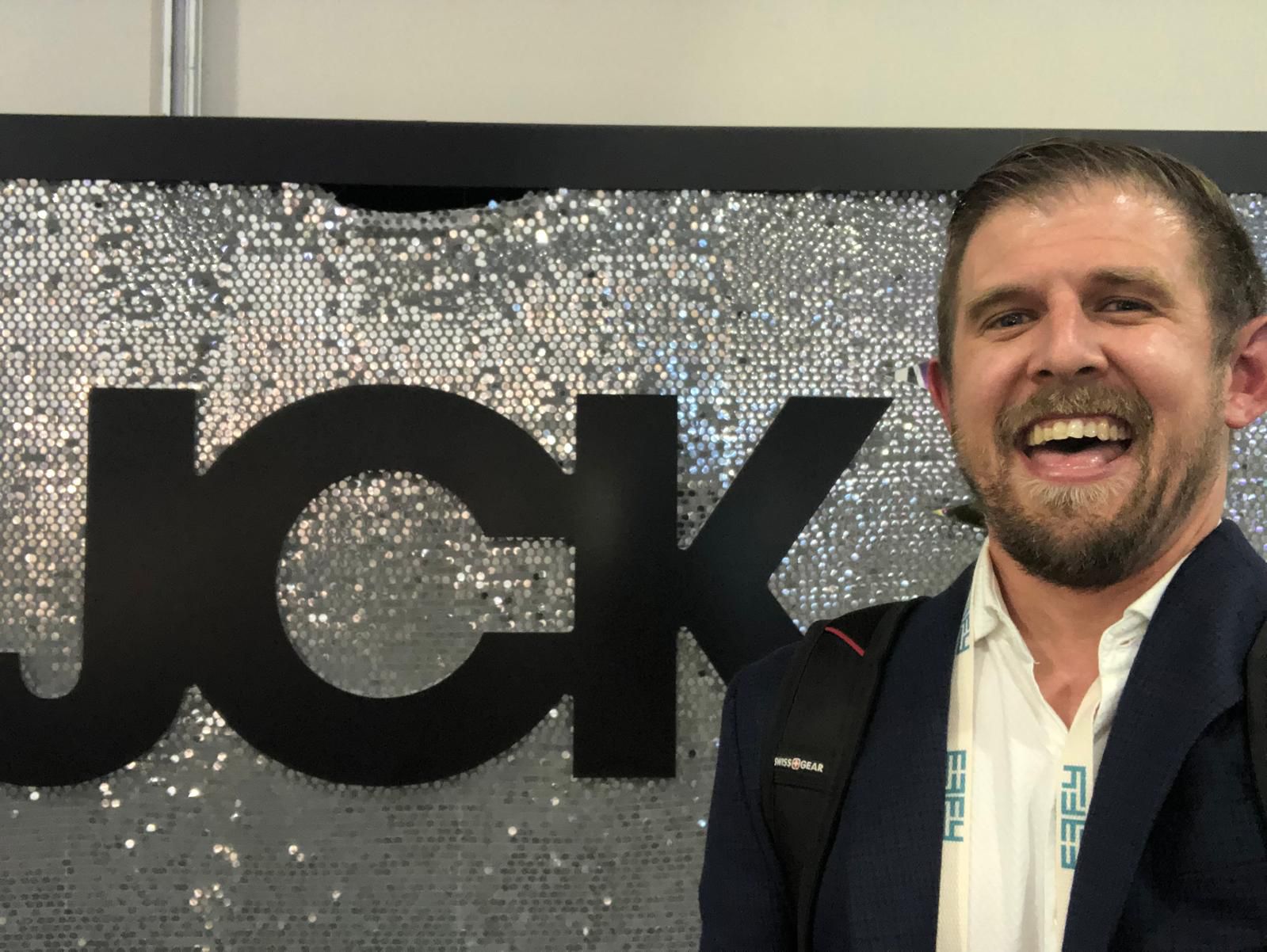
As the industry counts down to the most anticipated event on the jewelry calendar JCK Las Vegas 2026, taking place from May 29 to June 1 at the Venetian Expo, a complex tapestry of regional strengths and structural vulnerabilities is emerging.
With select previews and featured pavilions opening on May 28, the show serves as a critical barometer for a market navigating political turbulence, technological disruption, and the deepening bifurcation between mass-market commoditization and high-end scarcity.
The US market remains the global anchor of natural diamond demand, characterized by steady interest in larger stones and a notable retailer pivot back to natural diamonds as synthetic prices deflate. According to the Edge Retail Academy, independent jewelers saw gross sales rise 12% in March, propelled by an 18% increase in average retail sale.
Independents are shifting back to natural after large lab-grown stones began to feel inauthentic to consumers, and loose diamond sales fell 17% in January despite an 8% rise in average retail price, signaling that gains are price-led rather than unit-driven.
With JCK Las Vegas just days away, dealers are preparing to unveil fresh collections, gauge wholesale appetite, and negotiate the fine line between cautious inventory management and opportunistic buying.
Belgian trading activity is picking up, led by strong demand for dossiers and large collection goods. However, polarization is intensifying: 1 ct. diamonds are soft due to synthetic substitution, while 2 ct. and larger goods remain steady. 5 ct. and above rounds and fancy shapes are seeing tight supply.
The Antwerp World Diamond Centre (AWDC) reported an almost 20% rise in total diamond trading volume in Q1 2026, and polished diamond prices passing through Antwerp rose 12% year-on-year in the first quarter. Belgian administrative reforms easing hiring rules for foreign polishers and geopolitical disruptions benefiting Antwerp as a safe haven have both contributed to this momentum.
The Israeli market remains subdued, with attention firmly fixed on Las Vegas. Polished exports fell 17% in Q1, rough exports dropped 23% while rough imports surged 76%, reflecting a strategy of stockpiling manufacturing goods while finished sales lag. The slowdown is compounded by the upcoming Jewish festival of Shavuot, shortening the trading week and deferring major decisions until after the holiday.
India presents a study in contrasts: US independent jewelers are placing steady orders, yet sentiment is tempered by synthetic diamonds impacting demand for smaller goods. Meanwhile, India’s domestic market continues to fire, with bridal and commercial categories leading the charge.
De Beers notes that North India accounts for 30% of demand, South India 29%, East and West India 23% and 18% respectively, and diamonds are gaining ground as daily wear driven by self-purchase trends. Festive and bridal periods contributed nearly 25% of annual sales, with self-purchase rising 20–25% year-on-year. India's diamond jewellery market is estimated at $8.5 billion nearly 10% of world demand.
3 ct. and larger natural diamonds are in acute short supply, as both domestic bridal buyers and international exporters compete for dwindling inventories of high-quality larger stones.
Hong Kong presents the most starkly investment-driven dynamic. Local and mainland buyers are focusing on larger diamonds particularly 3 to 10 carat, D-F color, IF-VVS clarity stones in round, pear and oval shapes as tangible luxury assets in an uncertain economic environment. The 2026 Hong Kong Jewellery Show confirmed that diamonds above 5 carats in D–G color and IF–VVS clarity drew disproportionate attention.
At the same time, younger consumers are shifting to synthetic diamonds for bridal pieces, creating a widening generational schism in purchasing behavior. The Hong Kong diamond market is projected to grow at a CAGR of 4.8% through 2032, driven largely by selective, premium purchases.
Yet the impact is highly segmented: synthetics are eroding demand for 1-carat and smaller natural diamonds, while larger naturals especially 3+ carat are tightening in supply, reinforced by De Beers and ALROSA producing at 35% and 15% below capacity respectively.
The natural diamond industry continues to be underpinned by the Kimberley Process Certification Scheme, established in 2003 with UN mandate. The KP has reduced conflict diamonds from over 15% of global production in the 1990s to well under 1% today. KP members represent 99.8% of global rough diamond production.
At the same time, critics argue the KP definition remains too narrow limited to rough diamonds sold by rebel groups to finance wars against legitimate governments.
The global trade now converges on The Venetian Expo in Las Vegas from May 29 to June 1, 2026. With select events including GEMS featuring AGTA, the Hong Kong Pavilion and a NEW Lifestyle Pavilion opening May 28, and attendees from over 100 countries, JCK will answer three defining questions: Can high-end natural demand sustain momentum? How will the US-India trade relationship stabilize? And where will the natural-versus-synthetic battle settle?
Whether you are a global wholesaler or an emerging designer, this is where the future of the diamond market will be revealed.
The diamond and jewelry markets across key global hubs are showing varied trends. In the 🇺🇸 US, the market remains stable, with independent jewelers increasingly shifting back toward natural diamonds, particularly in the 1.20 carat and above category, along with elongated fancy shapes.
In Belgium, trading activity is gradually picking up, with strong demand for certified dossiers, especially for round diamonds above 2 carats. Meanwhile Israel is experiencing a slower market as businesses focus on the Las Vegas shows and observe a shortened Shavuot working week, with polished exports declining by 17%.
In India, domestic demand remains positive despite the growing impact of synthetic diamonds on smaller goods, while natural diamonds above 3 carats continue to see healthy interest. Over in Hong Kong, investment-driven buying is supporting demand for larger stones, particularly 3–10 carat diamonds in D–F colors and IF–VVS clarities.
JCK Las Vegas 2026 runs May 29 to June 1, 2026 at The Venetian Expo in Las Vegas. Pre-show events (GEMS, Hong Kong Pavilion, Lifestyle Pavilion) open May 28.
Synthetic diamonds are gaining significant market share in the 1-carat and smaller commercial categories, compressing demand for natural stones in those sizes.
3 carat and above, particularly 5 carat and larger rounds and fancy shapes, are in acute short supply, driving price premiums.
In markets like the US and Europe, a segment of affluent buyers is returning to natural diamonds. However, in Hong Kong and among younger demographics, synthetics are gaining ground for bridal pieces.
Yes. The global lab-grown diamond market is projected to reach $40.8 billion by 2030 with a steady 7.8% CAGR.
The KPCS is an international certification system established in 2003 under UN mandate to prevent conflict diamonds from entering the legitimate trade. It has 60 participants representing 86 countries and covers 99.8% of global rough diamond production.
CaratX connects sellers to buyers across 18+ international countries. Register as a seller on the CaratX marketplace to access B2B and B2C buyers worldwide.
Sell diamonds in 18+ international countries
Shop natural diamonds directly
Shop gemstones at unbeatable prices
Aug, 06, 2022
Aug, 06, 2022
0 Comments
Please login to leave a reply.