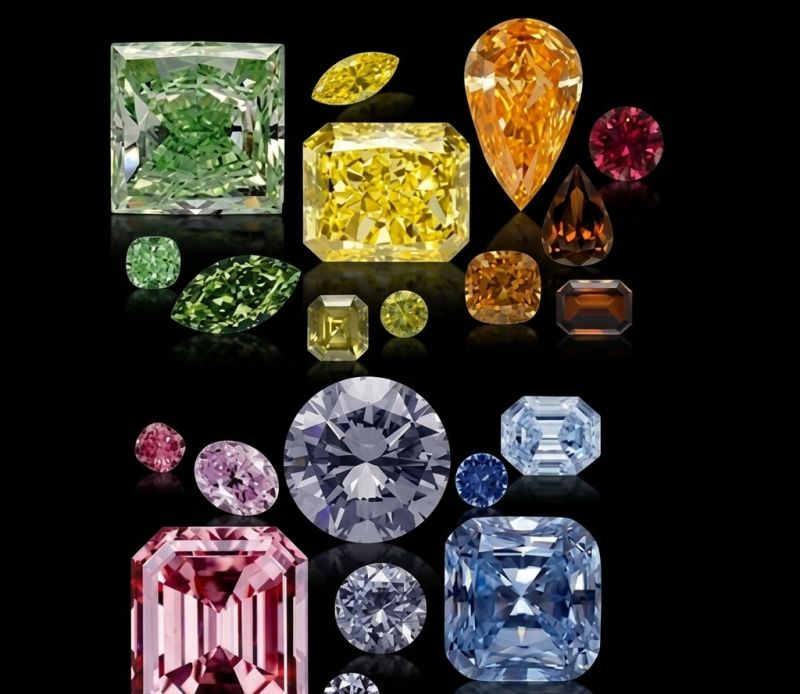

Orange gemstones, with their captivating warmth and vibrant energy, have become a cornerstone of both fine jewellery and contemporary design. Symbolizing creativity, enthusiasm, and joy, these gems bridge the gap between the fiery passion of red and the cheerful optimism of yellow.
Their unique palette, reminiscent of sunsets, autumn leaves, and ripe citrus, offers a distinctive alternative to more traditional gemstone colors. This comprehensive guide explores the fascinating world of orange gemstones, delving into their properties, histories, and the ways you can incorporate them into your collection.
The Geological Marvel of Orange Color -
The orange hue in gemstones is primarily caused by trace elements and crystalline structures that interact with light. Iron is a frequent contributor, often responsible for the warm tones in gems like citrine and sapphire. Manganese can produce intense oranges and reds, as seen in spessartite garnet.
Some gems, like fire opal, derive their color from microscopic inclusions of other minerals or from the play of light within their internal structure (a phenomenon known as "play-of-color"). The specific conditions of heat, pressure, and chemical environment during a gemstone's formation millions of years ago ultimately determine its shade, saturation, and clarity.
A Deep Dive into Popular Orange Gemstones -
1. Spessartite Garnet:
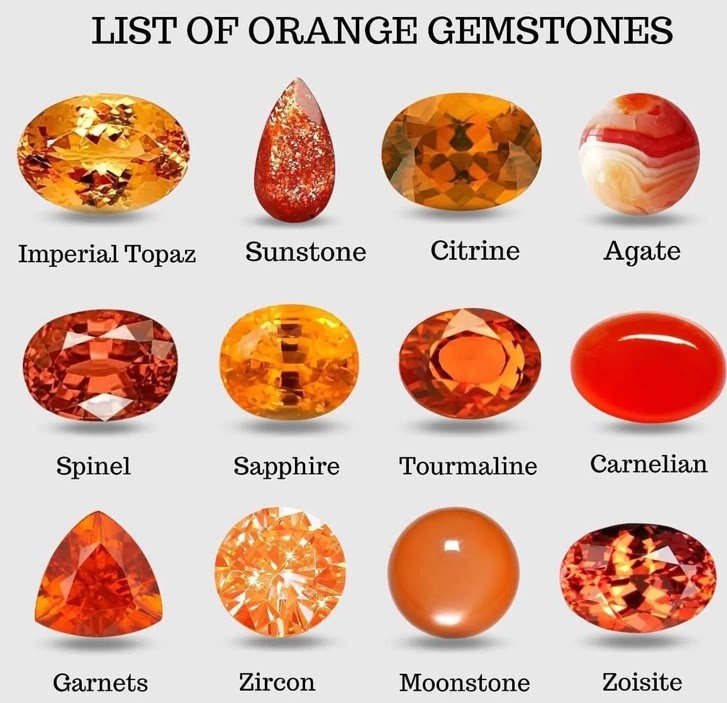
Often called "Mandarin Garnet" for its intense, pure orange hue, Spessartite is one of the most coveted orange gems. It is a nesosilicate mineral, a member of the garnet group.
Color Range: Vivid orange to reddish-orange, sometimes with brownish undertones.
Notable Sources: Namibia, Nigeria, Mozambique, and Sri Lanka.
Durability: With a Mohs hardness of 6.5-7.5, it is suitable for all types of jewellery but should be protected from hard knocks.
Metaphysical Lore: Historically believed to inspire creativity and regulate energies.
Find Your Spark: Explore our curated collection of vibrant Orange Gemstones at CaratX, where you may discover exceptional spessartite pieces.
2. Orange Sapphire:
A rare and precious variant of the mineral corundum, orange sapphire gets its color from trace elements of iron and chromium. Its rarity often places it among the most valuable fancy sapphires.
Color Range: Soft pastel peach to vivid tangerine and deep burnt orange.
Notable Sources: Sri Lanka (Ceylon), Madagascar, Tanzania, and Australia.
Durability: Excellent, with a Mohs hardness of 9, making it second only to diamond and ideal for everyday wear.
Historical Significance: Sapphires have been associated with royalty and wisdom for centuries.
Explore Elegance: Discover the luxury of Sapphires in our marketplace, connecting directly with global suppliers.
3. Fire Opal:
Unlike its white or black cousins, fire opal is valued for its body color rather than play-of-color. It is a hydrated silica mineral, often formed in volcanic rock cavities.
Color Range: Translucent to transparent with vivid yellow-orange, orange-red, or red body color. The most prized specimens are a transparent, fiery red-orange.
Notary Sources: Primarily Mexico, but also found in Brazil, Ethiopia, and Australia.
Durability: More delicate (Mohs 5.5-6.5), requiring protective settings and care against dehydration and chemicals.
Cultural Connection: Revered by ancient Aztecs and Mayans as the "stone of the bird of paradise."
4. Orange Topaz:
While blue topaz is common, natural orange-to-pinkish orange "Imperial Topaz" is among the most rare and valuable. It's an aluminum silicate mineral containing fluorine.
Color Range: Golden orange to sherry pinkish-orange.
Notable Sources: The Ouro Preto region of Brazil is the classic source; also found in Russia and Pakistan.
Durability: Good, with a Mohs hardness of 8, making it durable for rings and other jewellery.
Care Tip: Some topaz can fade with prolonged exposure to strong sunlight.
5. Carnelian:
A variety of chalcedony (microcrystalline quartz), carnelian has been used in signet rings, talismans, and seals since antiquity. Its color comes from iron oxide impurities.
Color Range: Semi-translucent to opaque, from pale orange to an intense, almost brownish-red.
Notable Sources: India, Brazil, Uruguay, and Madagascar.
Durability: Respectable (Mohs 6.5-7), but can be porous.
Historical Use: Archaeological evidence shows its use in Mesopotamian, Egyptian, and Roman jewelry and amulets.
6. Sunstone:
A member of the feldspar family, sunstone contains tiny, plate-like inclusions of hematite or goethite that reflect light, creating a glittering "aventurescence" effect.
Color Range: Typically pale orange to reddish-brown with a distinctive metallic shimmer.
Notable Sources: Oregon, USA (famous for high-quality specimens), Norway, and India.
Durability: Moderate (Mohs 6-6.5), best used in earrings, pendants, or pins.
Modern Appeal: Its raw, sparkling look makes it popular in artisan and bohemian designs.
7. Orange Tourmaline :
While rarer than pink or green tourmaline, orange varieties (often referred to as Dravite) offer warm, earthy tones. Tourmaline is a complex boron silicate mineral.
Color Range: Yellowish-orange to dark brownish-orange.
Notable Sources: Brazil, Afghanistan, and several African nations.
Durability: Good (Mohs 7-7.5), suitable for most jewellery types.
Unique Property: Tourmaline is pyroelectric and piezoelectric, meaning it can generate an electrical charge under heat or pressure.
8. Citrine:
The most accessible and affordable orange gem, citrine is the yellow-to-orange variety of quartz. Most commercial citrine is heat-treated amethyst or smoky quartz.
Color Range: Pale yellow to a saturated Madeira orange, sometimes with brown undertones.
Notable Sources: Brazil is the largest supplier; also found in Bolivia, Spain, and Madagascar.
Durability: Excellent for its price point (Mohs 7), very wearable and low-maintenance.
Folklore: Known historically as the "merchant's stone," believed to attract wealth and prosperity.
Buying Guide: What to Consider When Choosing an Orange Gemstone
Color: This is the most critical factor. Decide if you prefer a pure, bright orange, a reddish-orange, or a brownish-orange. Look for even saturation.
Clarity: Inclusions affect each gem differently. While eye-clean clarity is prized in sapphires and topaz, inclusions are expected and can add character (like the sparkle in sunstone).
Cut: A skilled cut maximizes the gem's color and brilliance. For lighter stones, a deeper cut can intensify color.
Carat Weight: Density varies. A one-carat sapphire will be smaller than a one-carat opal.
Treatments: Always ask about treatments. Heat treatment is common and accepted for sapphires and citrine. Irradiation is sometimes used for topaz.
Caring for Your Orange Gemstones
Ultrasonic & Steam Cleaners: Generally safe for garnet, sapphire, and topaz. Never use on opal, tourmaline, or stones with fractures.
The Universal Safe Method: Warm water, mild dish soap, and a soft brush. Dry thoroughly with a soft cloth.
Storage: Store gems separately to prevent scratches. Keep opal away from dry heat to avoid cracking.
Expand Your Collection with Global Reach
The world of orange gemstones is vast and exciting. Whether you are a collector, a designer, or someone seeking a unique piece of jewelry, sourcing the right stone is key CaratX provides a seamless global marketplace to connect you with a world of gems.
For Buyers: Browse an unparalleled selection of verified natural gemstones. Shop for Natural Diamonds and coloured gemstones directly from international sellers at competitive prices.
For Sellers: Unlock unprecedented access to a global audience. Our platform enables you to start selling to B2B and B2C buyers in 18+ international countries.
Learn about our streamlined Pricing and Launch process and register as a seller today to begin your journey: www.caratx.com/register.
Frequently Asked Questions (FAQs)
Q: What is the most durable orange gemstone for an engagement ring? A: Orange Sapphire is the best choice for daily wear due to its exceptional hardness (Mohs 9). Spessartite Garnet (6.5-7.5) is also a good option with proper setting protection.
Q: Are there any synthetic or lab-created orange gemstones? A: Yes, orange sapphires, spinels, and quartzes like citrine can be created in laboratories. They offer the same chemical and physical properties as natural stones at a lower price point. Always ask for disclosure from your seller.
Q: Which orange gemstone is the rarest? A: Natural, untreated Orange Sapphire and fine Imperial Topaz are among the rarest. High-quality, transparent Mexican Fire Opal is also quite rare.
Q: Can I find antique jewelry with orange gemstones? A: Absolutely. Carnelian has been used for thousands of years. Garnets and opals were popular in Victorian and Art Nouveau periods. Citrine was widely used in Art Deco jewelry.
Q: How can I verify the authenticity of my orange gemstone? A: Always request a gemological report from a reputable laboratory like the Gemological Institute of America (GIA) or the American Gemological Laboratories (AGL) for high-value purchases. Reputable marketplaces like CaratX encourage seller transparency and certification.
Image Credit - Labradoriteking