

The Elongated Diamond Revolution: Why Long Fancy Cuts Are Dominating 2025
Home
News And Media The Elongated Diamond Revolution: Why Long Fancy Cuts Are Dominating 2025 SHOP NOWHome
News And Media The Elongated Diamond Revolution: Why Long Fancy Cuts Are Dominating 2025 SHOP NOWDec, 19, 2025 by Archit Mohanty 0 Comments
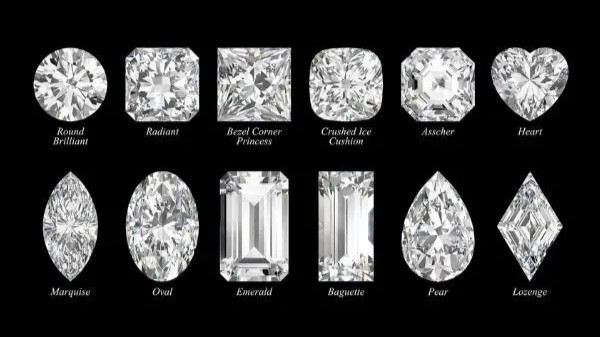
The diamond market is undergoing a quiet but monumental transformation. For decades, the round brilliant cut has been the undisputed standard. Today, a decisive shift is underway: sophisticated buyers are turning to long fancy shapes for their elegance, visual impact, and unique character. This isn't a fleeting trend but a fundamental evolution in consumer preference, especially for diamonds of 2 carats and larger, where fancy shapes are now clearly outperforming rounds.
This article delves into the data, aesthetics, and market forces driving this boom, providing a comprehensive guide for buyers and industry professionals navigating the new landscape of diamond desirability.
The paradigm shift is most evident in cold, hard market data. Recent analyses confirm that long fancy shapes like Oval, Marquise, and Emerald cuts are selling more robustly than round brilliants in the premium, statement-size categories. This demand has created distinct pockets of value and scarcity.
Current Market Status: The most expensive among fancy shapes, with high-quality stones in extremely short supply.
Key Driver of Demand & Value: Exceptional finger-lengthening effect. Achieving perfect symmetry is technically challenging, resulting in limited availability and higher premiums.
Current Market Status: Trading at a 20–25% premium compared to square cushion cuts.
Key Driver of Demand & Value: Combines vintage romance with a modern elongated profile. The popular “crushed ice” brilliance adds to its visual appeal.
Current Market Status: A strong and consistent seller in the U.S. market. Well-proportioned stones retain value globally.
Key Driver of Demand & Value: Offers the sparkle of a round brilliant with a flattering elongated shape, creating an excellent carat-weight appearance.
Current Market Status: Rare in well-balanced proportions; premium pricing for high-quality stones.
Key Driver of Demand & Value: Emerald cuts deliver a refined “hall of mirrors” elegance, while radiant cuts merge that architectural beauty with intense brilliance.
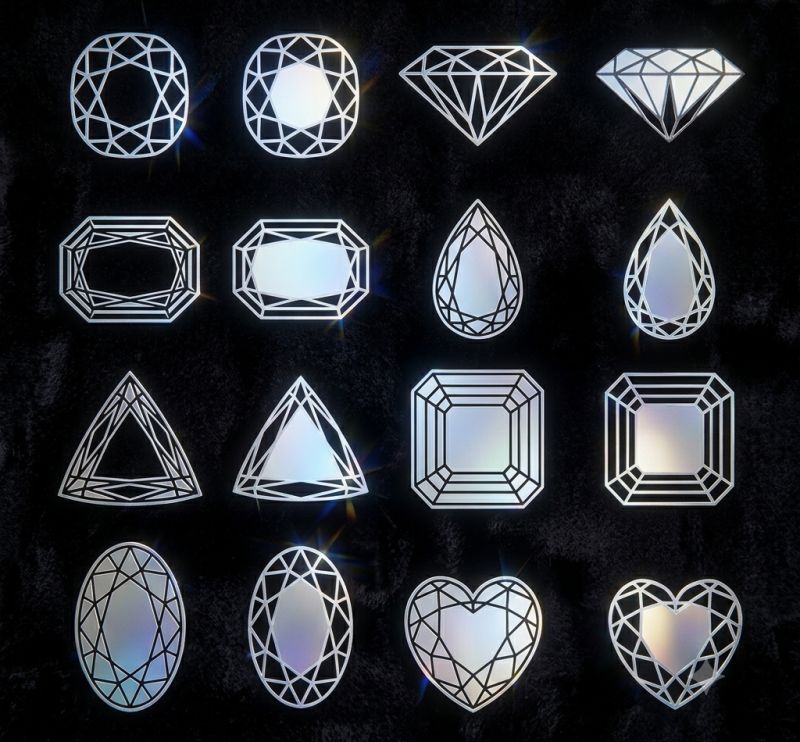
The oval cut has soared from a niche choice to a mainstream favorite. It retains the fiery scintillation of a round brilliant but presents it in a more distinctive, finger-lengthening form. Its popularity is remarkably consistent, with particularly strong demand in the U.S. for stones in the D-I color and VS-SI clarity range.
A critical factor in choosing an oval is managing the "bow-tie effect" a dark shadow across the center. In a well-cut oval, this should be minimal to non-existent. The ideal length-to-width ratio for a balanced yet elongated look typically falls between 1.3 and 1.6.
Explore a curated selection of this in-demand shape: Browse our extensive inventory of Oval Cut Diamonds at CaratX.
The marquise cut, with its pointed ends and naval shape, creates the maximum illusion of size and offers a dramatic, regal appearance. It is currently the crown jewel of the fancy market in terms of price per carat, driven by a severe supply constraint.
Cutting a high-quality marquise is a mastercraft. Achieving perfect symmetry along its long axis and avoiding a prominent bow-tie is exceptionally difficult, resulting in low yield from rough diamond crystals. When evaluating a marquise, symmetry is paramount the two sides must be mirror images, and the points must be sharply aligned.
The cushion cut is experiencing a fascinating evolution. While the classic square "pillow" shape remains beloved, the market now decisively favors long cushion modifications. Buyers are drawn to this hybrid look, which blends the cushion's soft, romantic charm with a sleek, contemporary silhouette.
This preference has a direct financial impact, with long cushions commanding significant premiums. Cushions can feature different faceting styles, from a modern "crushed ice" brilliance to a vintage "chunky" facet pattern, allowing for personal expression.
Discover the cushion's versatile charm: View our diverse collection of Cushion Cut Diamonds on CaratX.
For the buyer who values clarity, line, and understated luxury, these rectangular cuts are top choices.
The Emerald Cut: An architectural step-cut, the emerald creates a "hall of mirrors" effect with its long, linear facets. This clean, open style demands higher clarity, as inclusions are more easily visible. Its sophisticated, Art Deco appeal is timeless.
The Radiant Cut: Invented to combine the best of both worlds, the Radiant features the clipped corners of an emerald cut with the intense, fiery faceting of a brilliant cut. This makes it exceptionally sparkly while being more durable at the corners than a princess cut. "Long Radiants" are particularly sought-after and increasingly hard to source.
Find your perfect geometric stone: Explore our selection of Emerald and Radiant Cut Diamonds.
Today's consumer is more knowledgeable and values-driven than ever. Generational shifts play a key role: Millennials and Gen Z are driving demand for individuality, viewing their jewelry as an extension of personal brand rather than a simple status symbol. They also show a heightened interest in the ethical and environmental narrative behind their gems, increasing demand for traceability and sustainable practices. This aligns with a "fewer, better things" mindset, where buyers invest intentionally in unique, high-quality pieces.
The diamond industry is at an inflection point. The massive success of lab-grown diamonds (LGDs) has made large, high-quality stones accessible, with some reports noting that over half of engagement rings now feature a lab-grown center. This has pressured natural diamond prices but also sparked a counter-trend toward "natural stone nostalgia".
As LGDs dominate the market for large, white stones, some connoisseurs are seeking the unique characteristics of natural diamonds such as warmer hues, antique cuts, and individual inclusions which are seen as markers of rarity and personality.
The market remains nuanced. While demand is strong for premium elongated fancies, there is notable weakness in smaller sizes (e.g., 0.30 to 0.79 ct. ovals and pears in India). Furthermore, the industry faces headwinds from geopolitical tensions, tariffs, and volatile gold prices, which pressure margins and shift consumer price points.
With fancy shape diamonds, cut quality is non-negotiable. Unlike round brilliants, which have a universal cut grade, fancy shapes are only graded for polish and symmetry by major labs. The burden of assessing cut falls on the buyer.
A well-cut fancy shape will have:
Excellent Symmetry: Balanced, mirror-image proportions.
Superior Light Performance: Even brightness without large dark areas (like a pronounced bow-tie).
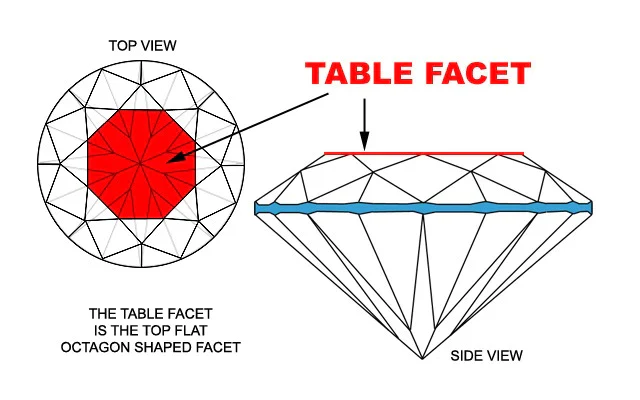
Ideal Proportions: A depth and table percentage that maximizes brilliance for that specific shape.
A poorly proportioned fancy shape diamond is challenging to sell, even at a discount. The premium for an expertly cut stone is an investment in its beauty and long-term liquidity. For the most authoritative guidance on diamond cut and quality, consult resources from the Gemological Institute of America (GIA), the world's foremost authority on diamonds.
The data is clear: the reign of the round brilliant as the sole default for luxury diamonds is over. The market of 2025 and beyond belongs to elongated fancy shapes that offer a blend of visual size, personal expression, and refined elegance.
For buyers, this means a world of more personalized and flattering options. For sellers and industry professionals, it demands a focus on sourcing and educating clients about the critical importance of cut and proportion in these desirable stones. As consumer preferences continue to evolve toward individuality and conscious consumption, the appeal of the long fancy diamond shape is not just leading the market, it's redefining it.
Ready to explore the world of fancy shape diamonds? Begin your search with confidence on our global marketplace. Find your perfect stone from our complete catalog of Natural Diamonds at CaratX.
Q: Are fancy-shaped diamonds more expensive than round brilliants? A: It depends on the shape and market conditions. While round brilliants often have a higher base price per carat due to high demand and rough crystal waste, certain fancy shapes like high-quality marquise or long cushions can command significant premiums due to scarcity and cutting difficulty.
Q: Why is cut so important for fancy shapes, and how can I judge it? A: There is no universal "Excellent" cut grade for fancy shapes like there is for rounds. You must judge based on: 1) Symmetry (both sides should be mirror images), 2) Light Performance (look for even brightness, avoid stones with large dark areas or a strong "bow-tie"), and 3) Proportions (research ideal table and depth percentages for your chosen shape). Always view the diamond in various lights.
Q: With the rise of lab-grown diamonds, are natural fancy shapes still a good investment? A: "Investment" in jewelry should primarily be for emotional value. However, natural fancy shapes, particularly rare and well-cut ones in larger sizes, are holding their value better in the current market due to their scarcity. The uniqueness and natural origin of a stone continue to appeal to collectors and connoisseurs.
Rapaport (Industry Price & Market News):
Gemological Institute of America (GIA) (Gemological Authority): Educational resources on diamond shape vs. cut, and the science of fancy color diamonds.
McKinsey & Company (Industry Analysis): The diamond industry is at an inflection point, detailing consumer and market shifts.
JCK Online (Trade Journalism): Looking Back on Jewelry Retail in 2025, offering ground-level retail insights.
Image Credit - I-diamants
Aug, 06, 2022
Aug, 06, 2022
0 Comments
Please login to leave a reply.