
Introduction: Why Gemstone Verification Matters
In the captivating world of gemstones, beauty often conceals complexity. That stunning sapphire or radiant ruby you admire may be natural, treated, synthetic, or even an outright imitation. The difference isn't just academic, it can mean a value discrepancy of thousands of dollars and significantly affect the stone's durability and longevity.
This guide takes you beyond basic identification to professional-level verification techniques. We'll explore methods ranging from simple visual checks to advanced laboratory procedures, helping you develop the critical eye needed to distinguish between natural treasures and their manufactured counterparts. By understanding these verification processes, you'll make more informed purchases, better assess your existing collection, and develop a deeper appreciation for the geological wonders that gemstones truly are.
Preliminary Visual Assessment - The Naked Eye Examination
Understanding Color, Tone, and Saturation -
Before reaching for any tools, begin with what your eyes can perceive unaided. Natural gemstones display color variations and zoning that are rarely perfectly uniform. Observe the stone under different light sources daylight, incandescent, and fluorescent as some treatments and synthetics reveal themselves through unusual color shifts.
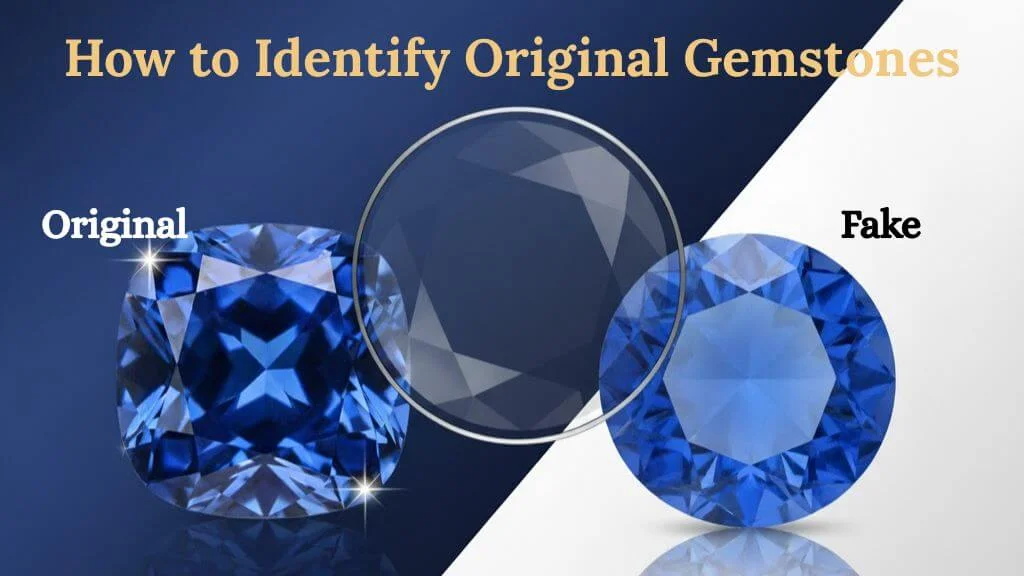
Look for natural imperfections in color distribution. For instance, many natural sapphires show angular color zoning following the crystal's internal structure, while synthetic versions often display curved color bands or are too perfectly uniform. The Gemological Institute of America's educational resources on gemstone color provide excellent reference materials for comparing natural versus synthetic color characteristics.
Assessing Transparency, Luster, and Surface Condition -
Hold the stone up to light and observe how it transmits illumination. Most natural gemstones contain minute inclusions that slightly affect transparency, whereas many glass imitations appear completely clean and transparent. Check the surface for wear patterns natural gems typically show abrasion on facet edges (the hardest parts), while softer imitations like glass may exhibit rounded facet edges or surface scratches.
Examine the quality of the polish. Well-cut natural stones display sharp, precise facet junctions and excellent light reflection. Be wary of stones that seem "too perfect" in their surface characteristics, as this can indicate synthetic origin.
Magnified Inspection - The 10x Loupe Examination
Choosing and Using a Jeweler's Loupe -
The 10x triplet loupe is the gemologist's most essential field tool, providing distortion-free magnification. When selecting a loupe, ensure it contains three lenses (a triplet) to eliminate chromatic aberration. Proper technique is crucial: hold the loupe close to your eye, bring the stone toward it until it comes into focus, and ensure adequate lighting.
For consistent results, develop a systematic inspection routine. Examine the stone through the table (top facet), then rotate it to view through the crown and pavilion facets. Finally, inspect around the girdle. This comprehensive approach ensures you don't miss critical inclusions near facet junctions.
Identifying Key Inclusion Types -
Under 10x magnification, inclusions tell the story of a gemstone's origin. Natural stones typically contain:
Mineral crystals: Tiny trapped minerals that formed simultaneously with the host gem
Fingerprint inclusions: Wispy, feather-like patterns representing healed fractures
Needle-like inclusions: Rutile needles (silk) in corundum or tourmaline threads in quartz
Conversely, synthetic gemstones often display:
Curved growth lines or striae: Particularly in flame-fusion synthetic corundum
Flux remnants: Partially dissolved metallic flux in flux-grown synthetics
Gas bubbles: Spherical or elongated bubbles in glass imitations or some synthetics
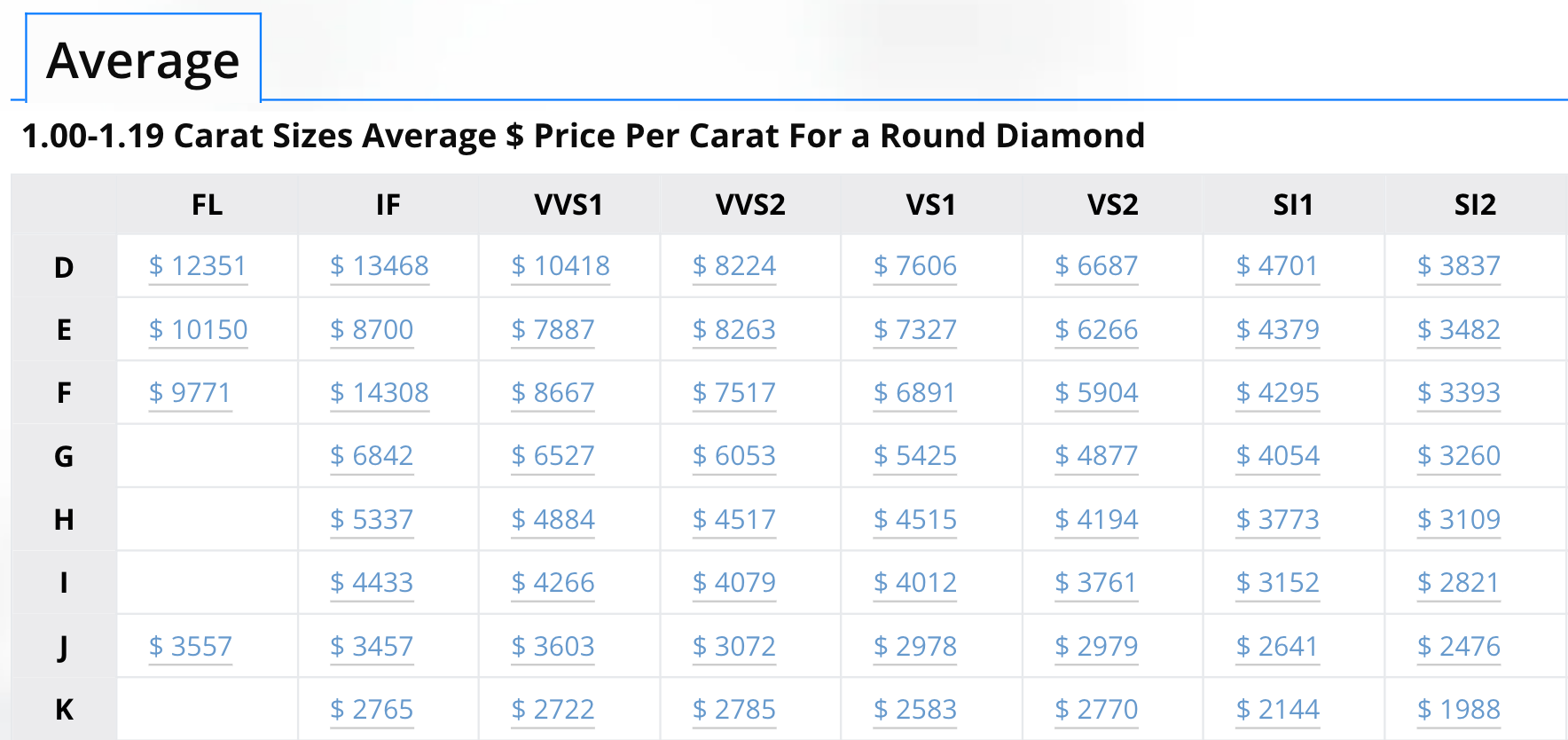
When examining diamonds, clarity characteristics follow specific grading standards. CaratX provides helpful educational resources on diamond clarity grading to help you understand how professionals assess these internal features.
Advanced Microscopic Analysis -
The Stereo Microscope:
While a loupe is excellent for field work, a sterio microscope provides superior depth perception, adjustable magnification (typically 10x to 70x), and enhanced illumination options. Professional gemological microscopes feature darkfield illumination, which makes inclusions more visible against a dark background, and fiber optic lighting for pinpoint examination of specific areas.
Through microscopic examination, you can identify diagnostic inclusion suites that definitively indicate geographic origin for some gemstones. For example, three-phase inclusions (solid, liquid, gas) in emeralds can sometimes indicate Colombian origin, while specific mineral combinations might point to Brazilian or Zambian sources.
Recognizing Treatment Evidence
Many gemstones undergo treatments to enhance their appearance, and microscopy helps detect these interventions:
Heat treatment: May show melted inclusions, stress fractures, or altered color zoning
Fracture filling: Revealed by flash effects (orange, blue, or purple flashes) in filled fractures
Surface diffusion: Shows color concentration at facet edges and surface-reaching fractures
Bleaching and impregnation: May display surface resin residue or altered porosity
Consider exploring seller registration options to access these professional resources.
Professional Verification and Documentation -
Understanding Gemstone Certification
A gemological certificate from a respected laboratory provides authoritative documentation of a stone's identity, characteristics, and any detected treatments. Reputable labs include:
Gemological Institute of America (GIA): The benchmark for diamond grading and colored stone identification
American Gemological Society (AGS): Known for its diamond cut grading system
International Gemological Institute (IGI): Global laboratory with consistent standards
Gubelin Gem Lab: Swiss lab renowned for origin determination expertise
Certificates vary in detail, but quality reports should include measurements, weight, cut quality, color description, clarity characteristics, fluorescence (for diamonds), and any detected treatments or enhancements.
Specialized Testing Equipment
Beyond visual examination, gemologists employ specialized instruments:
Refractometer: Measures refractive index to help identify gem species
Spectroscope: Analyzes absorption spectra to identify color-causing elements
Polariscope: Determines optical character (isotropic, anisotropic, or anomalously double refractive)
UV lamp: Detects fluorescence reactions that can indicate treatments or synthetics
For businesses requiring consistent verification capabilities, establishing a properly equipped lab is essential. CaratX's Go-To-Market seller plan provides support for professionals needing to establish or enhance their verification capabilities alongside marketplace access.
Building Your Verification Skills -
Practical Verification Exercises
Developing expertise requires hands-on practice with known samples. Consider assembling a reference collection that includes:
Natural, untreated gemstones
Treated examples (heated, filled, etc.)
Synthetic counterparts
Common imitations (glass, composite stones)
Compare similar stones side-by-side under consistent lighting conditions. Document your observations, noting distinguishing characteristics. Over time, you'll develop pattern recognition that allows quicker, more accurate assessments.
Educational Resources and Continuing Education
Several institutions offer excellent gemological education:
GIA's Gem Encyclopedia: A free online resource with detailed information on gem species
For professionals seeking to expand their business alongside their expertise, CaratX provides both marketplace access and educational support through their various seller plans, creating a comprehensive ecosystem for gem and jewelry businesses.
Conclusion:
Gemstone verification combines systematic observation, technical knowledge, and practical experience. While no single test guarantees definitive identification, a methodical approach using multiple verification techniques significantly increases accuracy. Begin with visual assessment, progress to magnified inspection, document your findings systematically, and seek professional certification for valuable stones.
Remember that the gemological field continually evolves, with new treatments and synthetic methods regularly appearing. Ongoing education and practice remain essential for maintaining verification skills. Whether you're a hobbyist examining a recently inherited piece or a professional assessing inventory before listing on CaratX's international marketplace, these verification principles provide a foundation for confident gemstone evaluation.
Frequently Asked Questions
Q: Can I reliably verify gemstones without professional equipment? A: You can perform basic verification through visual inspection and loupe examination, which will help identify obvious imitations and some treatments. However, definitive identification of synthetics or sophisticated treatments typically requires specialized equipment. For valuable stones, always seek a professional laboratory report.
Q: How much does professional gemstone certification cost? A: Certification costs vary by laboratory, stone type, and services requested. Basic identification might cost $50-$100, while full grading reports with origin determination can range from $150 to over $500 for rare stones. Many sellers find this investment worthwhile, especially when listing high-value items on international marketplaces like CaratX.
Q: Are synthetic gemstones inherently less valuable than natural ones? A: Synthetic gemstones have different value propositions. They're chemically identical to natural stones but lack the rarity factor. While they typically cost significantly less than natural equivalents, they can be excellent choices for jewelry where appearance and durability matter more than natural origin. Always ensure synthetics are properly disclosed in transactions.
Q: What's the most common treatment found in gemstones today? A: Heat treatment is by far the most common enhancement, applied to many sapphires, rubies, aquamarines, tanzanite, and other gems to improve or change their color. When properly disclosed, heat-treated stones are widely accepted in the trade, though they generally command lower prices than their untreated counterparts.
Q: How can I practice gemstone verification skills? A: Start by examining inexpensive natural stones with visible inclusions, then compare them with synthetic versions. Local gem and mineral clubs often have educational collections. Online resources like the GIA Gem Encyclopedia provide excellent reference materials. Consider taking a basic gemology course for structured learning and access to proper equipment.
Q: Where can I find verified natural gemstones for purchase? A: Reputable marketplaces that specialize in gemstones, like CaratX, connect buyers with verified sellers and provide detailed information about their offerings. Look for sellers who provide certification from recognized laboratories and have established reputations within the gemological community.
References and Further Reading:
Gemological Institute of America. (n.d.). Gem Encyclopedia. https://www.gia.edu/gem-encyclopedia
CaratX Gemological Resources. (n.d.). Diamond and Gemstone Education. https://www.caratx.com
Image Credit - Shraddha Shree Gems