

The Guide to Earring Backing Types: Security, Comfort, and Style
Home
News And Media The Guide to Earring Backing Types: Security, Comfort, and Style SHOP NOWHome
News And Media The Guide to Earring Backing Types: Security, Comfort, and Style SHOP NOWFeb, 18, 2026 by Archit Mohanty 0 Comments
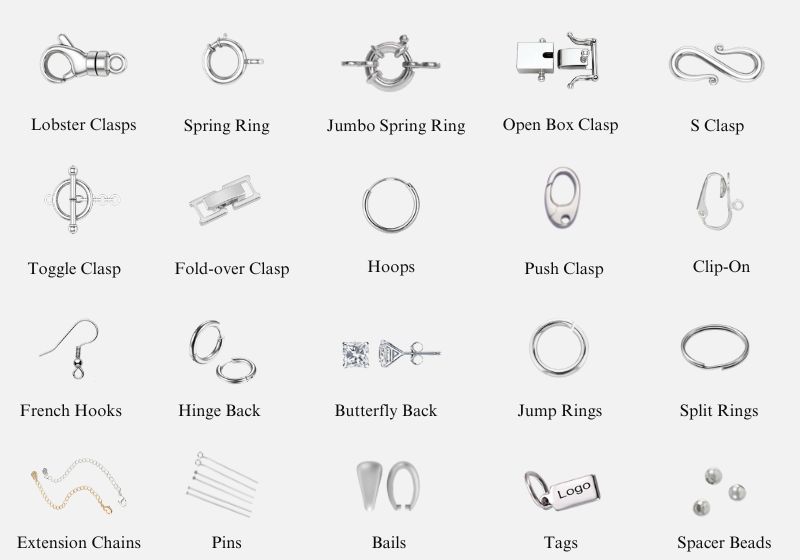
When purchasing a pair of earrings, most consumers focus entirely on the cut of the diamond, the color of the gemstone, or the intricacy of the metalwork. However, experienced jewelers and savvy buyers know that the earring backing is the unsung hero of any earring design.
Choosing the right backing is a critical intersection of ergonomics and security. The wrong backing can lead to lost heirlooms, irritated ears, or discomfort that makes wearing jewelry a chore. Whether you are a buyer looking for daily-wear studs or a seller listing products on a global marketplace like CaratX , understanding these mechanisms is essential.
In this guide, we will explore the engineering, history, and best-use cases for every major earring backing type, ensuring your next purchase is both beautiful and secure.
The Everyday Essential Push backs, also known as friction backs or clutch backs, are the default standard for modern earrings. They consist of a post with a small groove and a backing that slides on, held in place by tension.
The Mechanism: The backing contains a tiny spring or tension clip that grips the post. To secure, you push; to remove, you pull.
Best For: Diamond studs, basic gold studs, and everyday wear.
Pros: Extremely convenient, low profile, and easy to replace if lost.
Cons: Over time, the tension can loosen, making them prone to falling out. They can also be pulled out accidentally by clothing or hair.
Looking for high-security options for valuable gems? Explore the Natural Diamonds available on CaratX to see what deserves a more secure backing.
The Heirloom Protector Before the invention of the modern friction back, screw backs were the standard for fine jewelry. They feature a post threaded like a screw and a backing that twists on.
The Mechanism: Threaded metal-on-metal contact. It requires multiple rotations to fully secure.
Best For: Valuable diamond studs, earrings for infants and children (as they cannot be easily pulled off), and active lifestyles.
Pros: Maximum security. They cannot be accidentally yanked off.
Cons: The threading can strip over time. They are slower to put on and take off, and you usually need two hands to secure them.
Secure your investments. If you are selling high-value pieces through our CaratX B2B platform, recommending screw backs can reduce the risk of returns due to lost earrings.
The European Lock Named after the French word for "push," these are a sophisticated upgrade from the standard push back. They are a button-style mechanism that "clicks" into place.
The Mechanism: A lever inside the backing locks onto a notch in the post. To release, you press the sides of the backing.
Best For: High-end stud earrings where security is paramount but the convenience of a push-back is desired.
Pros: Very secure, yet easy to remove intentionally. They lie flat against the ear.
Cons: More expensive than standard backs and can be harder to find replacements for.
The Dangling Dynamo For drop earrings and dangles, leverage is key. Lever backs consist of a curved hook that goes through the ear, with a hinged lever that snaps shut to secure the hook in a closed loop.
The Mechanism: The lever creates a complete circle, preventing the earring from slipping out of the ear.
Best For: Drop earrings, chandelier earrings, and heavier gemstone dangles.
Pros: Distributes weight well, very secure, and elegant in design.
Cons: Can be difficult to put on without a mirror; the hinge mechanism can wear out after many years.
The Classic Elegance French hooks, or fish hooks, are the simplest design for non-stud earrings. They are a curved wire that passes through the piercing and hangs freely.
The Mechanism: Gravity holds them in place, though they often come with small plastic or silicone retainers for security.
Best For: Lightweight drop earrings, casual dangles.
Pros: Extremely easy to put on and remove; elegant swaying motion.
Cons: The least secure option. Easily knocked out by a scarf or collar.
Sellers on CaratX often note that French hooks are preferred for lightweight fashion pieces, but for heavier designs, lever backs are recommended to prevent buyer disappointment.
The Hoop Standard If you have ever worn a hoop earring, you have used a latch back. A hinged post snaps into a small tube or latch on the other side.
The Mechanism: A spring-loaded hinge snaps the post into a closed position.
Best For: Hoop earrings of all sizes.
Pros: Very secure for the specific shape of hoops; easy to operate with one hand once you get the hang of it.
Cons: The hinge is a common point of failure in cheap jewelry.
The Heavy Lifter Omega backs are hinged loops of metal that swing around to the back of the ear, resembling the Greek letter Omega (Ω).
The Mechanism: The Omega loop acts as a clip, hugging the earlobe.
Best For: Heavy stud earrings and large button earrings.
Pros: Provides additional support by taking weight off the piercing hole and distributing it across the lobe.
Cons: Can pinch if the hinge is too tight; the metal loop can be visible from the side.
The Non-Pierced Solution Before piercing became ubiquitous, clip-ons ruled the market. They use a spring-loaded clip or screw mechanism to clamp onto the earlobe.
The Mechanism: Tension holds the earring in place without a post entering the ear.
Best For: Non-pierced ears, vintage jewelry restoration.
Pros: Allows anyone to wear earrings.
Cons: Can be painful after a few hours of wear due to pressure on the cartilage.
The Modern Standard for Cartilage Originally used for oral piercings, flat backs have become the gold standard for cartilage and helix piercings in the last decade.
The Mechanism: A post with a smooth, flat disc on one end. An external threaded or threadless top screws into the front.
Best For: Cartilage piercings, helix, tragus, and "daily-wear" earrings.
Pros: The flat disc is comfortable against the skin and doesn't poke the neck or head like a sharp butterfly back. They sit flush and are less likely to harbor bacteria.
Cons: Requires specific sizing for the piercing channel; not typically used for standard lobe piercings without a piercer's fitting.
For a curated selection of modern jewelry suitable for flat back fittings, check the gemstone collection at CaratX.
From a commercial perspective, the earring backing is a specification that defines your customer. As a seller on CaratX , listing the backing type is not just a technicality, it is a marketing signal.
Security-Conscious Buyers: If you are selling to parents (for children) or to customers buying for travel, highlighting Screw Backs or La Pousette can increase conversion.
Comfort-Conscious Buyers: For those with sensory issues or new piercings, marketing Flat Backs as the "comfort option" justifies a higher price point.
International Standards: Different markets prefer different backs. European buyers often prefer the security of La Pousette, while the US market is saturated with Friction backs.
Ready to expand your reach? Register as a seller on CaratX and showcase your diverse range of earring findings to buyers in 18+ countries.
The material of the backing is just as important as the mechanism.
Hypoallergenic Materials: Look for backs made of Titanium, Niobium, or 14k/18k Gold. Stainless steel is acceptable, but Nickel allergies are common.
Tension: Friction backs rely on metal fatigue resistance. High-quality metals hold tension longer. Cheap backs will loosen within months.
Replacement: Always keep spare backs. A lost $0.10 backing can mean losing a $1,000 diamond.
Q: Which earring back is the most secure? A: For studs, Screw Backs are mechanically the most secure. For dangles, Lever Backs offer the best security.
Q: Why do my ears hurt when I wear heavy earrings? A: You may need an Omega Back. It supports the weight of the earring on the back of the lobe rather than pulling down on the piercing hole.
Q: Can I change the backs on my earrings? A: Yes, but with caveats. Friction backs are universal for standard 0.8mm or 1.0mm posts. Screw backs require a threaded post and cannot be swapped onto a smooth post.
Q: Are plastic or silicone backs safe? A: Generally, yes. They are great for sleeping as they are soft. However, they wear out faster than metal and can harbor bacteria if not washed regularly.
Q: Where can I buy high-quality earrings with secure backs? A: You can explore a wide variety of certified natural diamonds and gemstone jewelry on the CaratX marketplace.
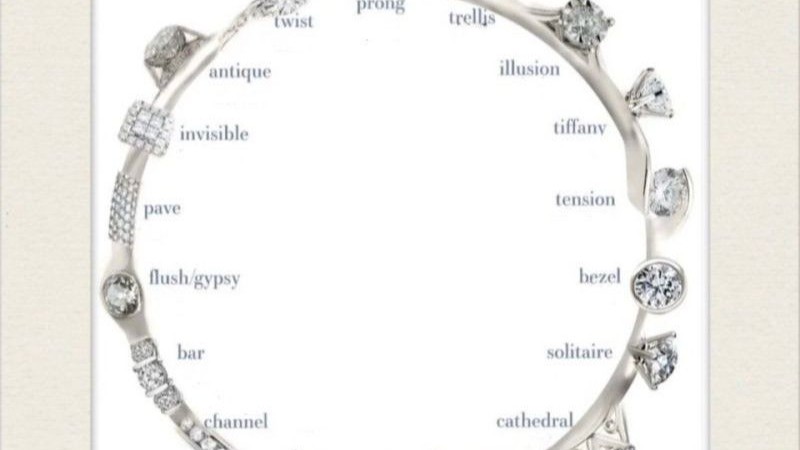
Whether you are a buyer looking for the perfect diamond or a seller wanting to reach a global audience, understanding the anatomy of a ring ensures you make informed decisions.
Buyers: Explore millions of natural diamonds and ready-to-ship jewelry at unbeatable prices. Visit CaratX Marketplace
Sellers: Expand your business. Register now to sell B2B and B2C in 18+ international markets. Start Selling on CaratX
Learn More: For details on our pricing plans and how to launch your products, check our Pricing Page.
Follow CaratX for more insightful and educational content.
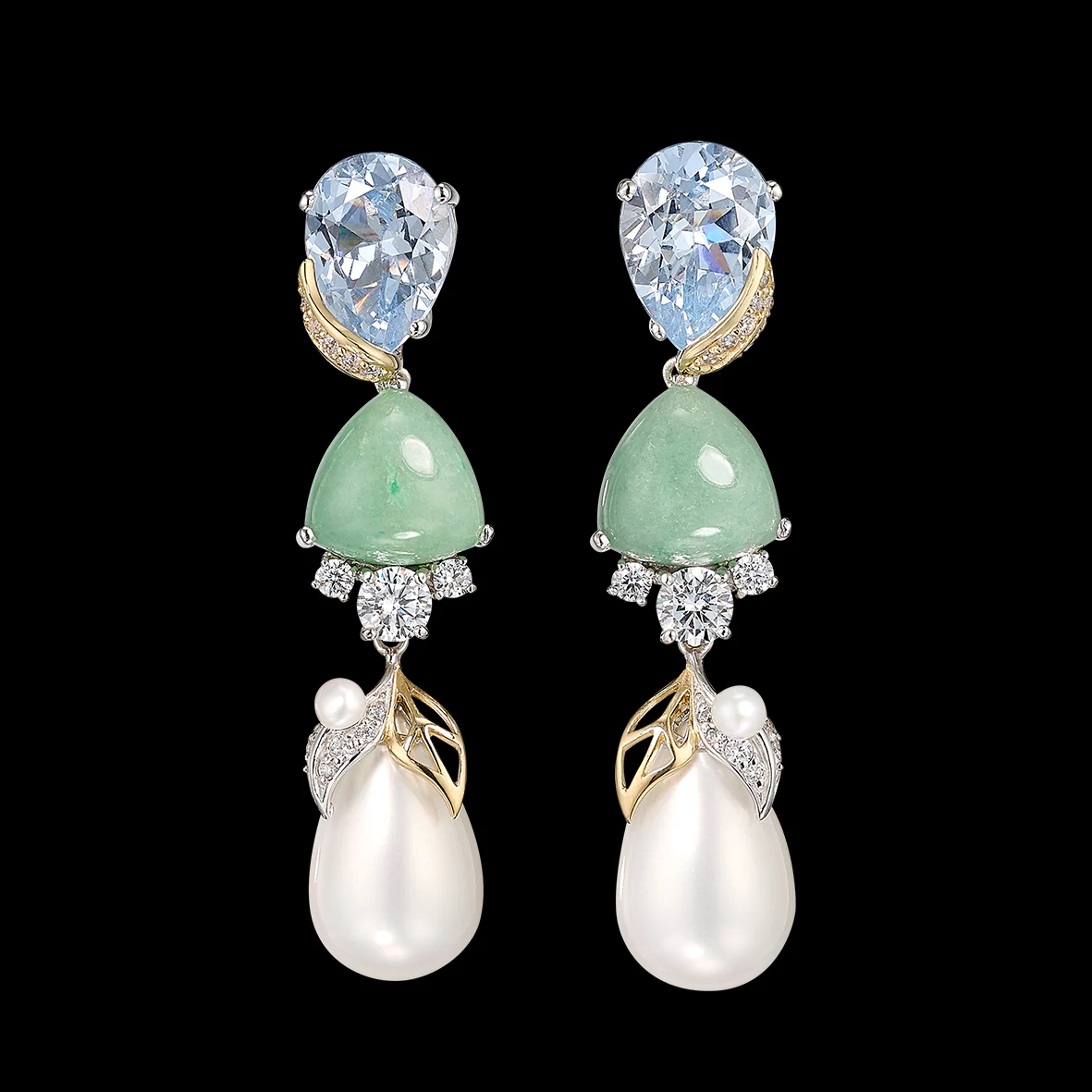
Image Credit - Kesheen
May, 26, 2026
Aug, 06, 2022
Aug, 06, 2022
0 Comments
Please login to leave a reply.