
When you slip a ring onto your finger, you are holding a marvel of precision engineering and artistic design. Whether it’s a simple wedding band or a complex diamond engagement ring, understanding the anatomy of a ring is the first step toward making a smart purchase. Knowing the difference between a bridge and a gallery, or how prong counts affect security, can save you thousands of dollars and ensure your jewelry lasts a lifetime.
At CaratX, we connect buyers with certified natural diamonds and exquisite jewelry across 18+ countries. In this guide, we will dissect every component of a ring, helping you understand how each part contributes to the beauty, durability, and value of your investment.
Shop Natural Diamonds at CaratX -
Table of Contents
- The Center Stone: The Heart of the Ring
- The Setting: Security Meets Style
- Prongs: The Guardians of the Gem
- The Halo & Accent Stones: Maximizing Brilliance
- The Shank (Band): The Foundation
- The Bridge & Gallery: The Hidden Details
- The Solder Point: Where Strength is Tested
- Why Ring Anatomy Matters for Durability
- Frequently Asked Questions (FAQ)
- Sources & Citations
1. The Center Stone: The Heart of the Ring
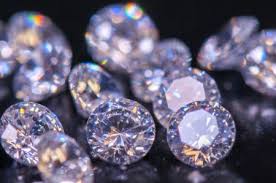
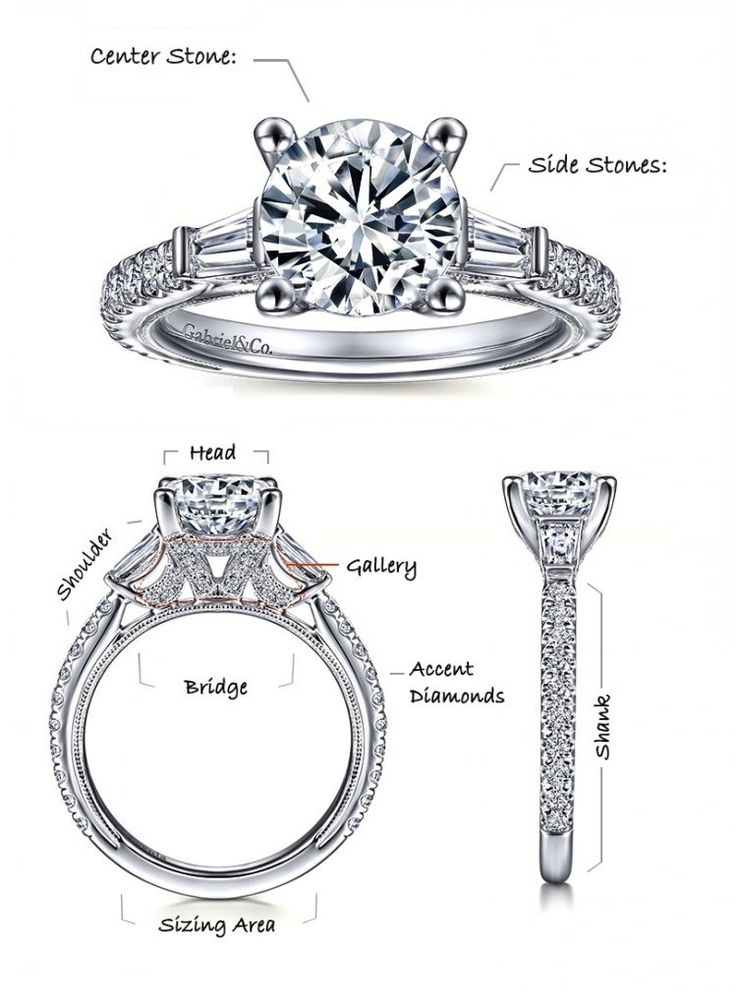
The center stone is the focal point. It is typically the largest and most expensive component of the ring. While diamonds are the most popular choice for engagement rings, center stones can also be sapphires, rubies, emeralds, or moissanite.
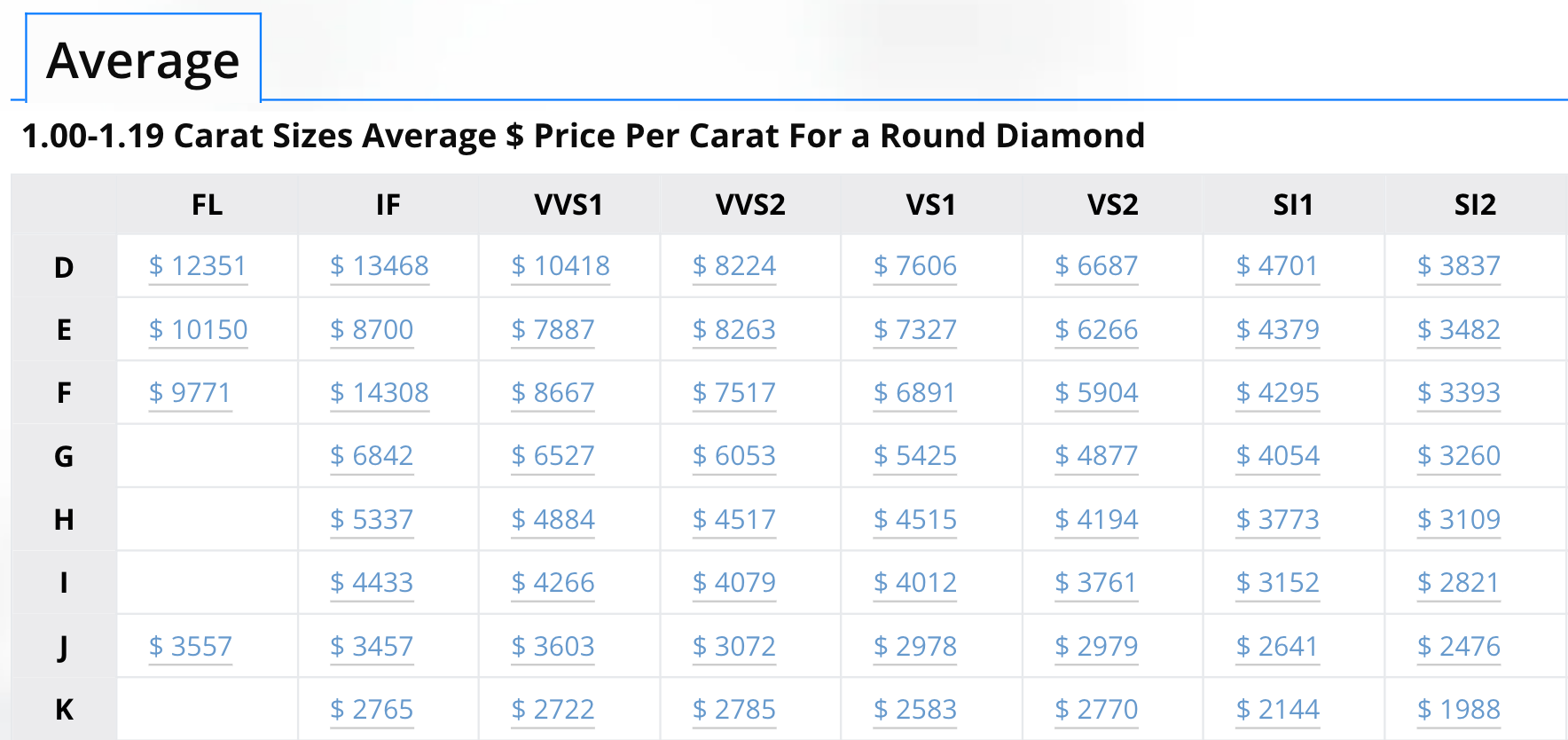
When evaluating a center stone, you must consider the 4 Cs: Cut, Color, Clarity, and Carat weight. According to the Gemological Institute of America (GIA), the cut is the most important factor because it determines how light interacts with the stone, creating brilliance and fire.
Round Brilliant: The most popular cut, maximizing sparkle.
Princess Cut: A modern, square cut.
Emerald Cut: Known for its "hall of mirrors" effect and step cuts.
Browse our exclusive collection of Certified Natural Diamonds to find the perfect center stone for your project.
2. The Setting:
The setting is the metal framework that holds the center stone. It is arguably the most critical structural component. A poor setting can lead to a loose stone, while a well-crafted setting enhances the stone's beauty.
There are several types of settings, each offering a different aesthetic and level of security:
Prong Setting: Uses metal claws to hold the stone. Maximizes light exposure.
Bezel Setting: A metal rim encircles the stone. This is the most secure setting and is recommended for active lifestyles. The American Gem Society (AGS) notes that bezel settings offer superior protection for the girdle of the diamond.
Channel Setting: Stones are set into a "channel" between two metal walls. Commonly used for wedding bands.
Pave Setting: Small diamonds are set closely together with tiny beads of metal, making the band look like it is "paved" with diamonds.
Looking for a specific setting style? Shop Jewelry on CaratX to see how different settings look on finished pieces.
3. Prongs:
Prongs are the small metal claws that rise from the setting to grip the center stone. While they are functional, they also contribute to the ring's aesthetic.
4-Prong vs. 6-Prong: A 4-prong setting offers a cleaner look and shows more of the diamond, but if one prong breaks, the stone is at risk. A 6-prong setting (often called a "Tiffany setting") offers extra security and gives the illusion of a rounder shape.
Metal Matters: Prongs are typically made of platinum or white gold for durability. Over time, prongs can wear down and need retipping by a professional jeweler.
4. The Halo & Accent Stones:
A halo is a ring of smaller diamonds or gemstones that surrounds the center stone. This design element serves two purposes:
Enhanced Sparkle: It creates a circle of brilliance that makes the center stone appear larger and more luminous.
Protection: The halo acts as a bumper, protecting the center stone's edges from hard knocks.
Beyond the halo, accent stones may be set along the shoulders of the ring or down the shank to add a trail of sparkle.
Sellers on our platform can list halo-style rings to attract buyers looking for maximum brilliance. Register to Sell on CaratX and expand your reach to 18+ countries.
5. The Shank (Band):
The shank (or band) is the part of the ring that encircles your finger. It must be comfortable, durable, and proportionate to the size of the center stone.
Comfort Fit vs. Standard Fit: A comfort-fit shank has a slightly domed interior, making it easier to slide over the knuckle and more comfortable to wear daily.
Metal Types:
Platinum: The most durable and hypoallergenic, but heavier and more expensive.
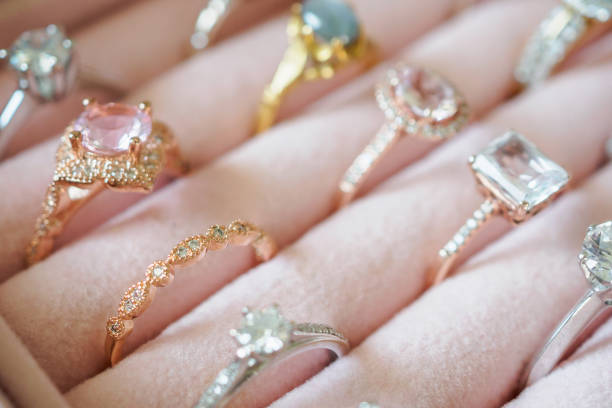
Gold (Yellow, White, Rose): An alloy of gold and other metals. 14k is harder than 18k, making it better for daily wear.
Palladium: A lighter alternative to platinum.
The thickness and width of the shank are crucial. A shank that is too thin for a heavy center stone can warp over time.
6. The Bridge & Gallery:
These parts are often overlooked because they are not visible when the ring is worn, but they are vital to the ring's structural integrity.
The Bridge: This is the section of metal that connects the two sides of the shank directly under the center stone. It supports the head of the ring. A thick, well-made bridge prevents the ring from bending.
The Gallery: This refers to the side view of the ring, specifically the area under the center stone. High-end jewelry often features intricate filigree or milgrain detailing in the gallery. It's a sign of quality craftsmanship.
7. The Solder Point:
The solder point is the junction where two separate pieces of metal are joined together, such as where the head of the ring meets the shank. Over time, this is the most common area for a ring to break.
When resizing a ring, a jeweler cuts the shank and solders it back together. A poorly executed solder joint is a weak point.
For a deeper understanding of soldering techniques in jewelry, research papers from the Gemological Institute of America (GIA) library provide excellent resources on metallurgical bonds in precious metals.
8. Why Ring Anatomy Matters for Durability -
Understanding these parts is not just academic; it has real-world implications for your wallet.
High Profile vs. Low Profile: A ring with a "high profile" (the stone sits high above the finger) is more likely to snag on clothing and requires very secure prongs. A "low profile" setting (stone sits lower) is more practical for daily wear but may allow less light to enter the stone from the sides.
Metal Hardness: Platinum prongs are harder than gold prongs. If you are setting a valuable diamond, opting for platinum prongs (even on a gold band) is a wise investment.
Unsure about which combination is right? The experts on the CaratX marketplace can guide you. Browse our Seller Directory to connect with trusted jewelers.
9. Frequently Asked Questions (FAQ) {#faq}
Q: What is the most durable part of a ring? A: The shank (band) is generally the most durable in terms of mass, but the prongs are the most vulnerable. Prongs should be checked by a jeweler every 6-12 months to ensure they haven't worn thin.
Q: Can I change the setting of my existing diamond? A: Yes. If you have a loose diamond, you can purchase a new "setting" or "mounting." CaratX offers a wide range of settings that can accommodate certified diamonds. Shop Settings Now.
Q: What is the difference between a halo and a pavé band? A: A halo specifically refers to the circle of stones around the center stone. Pavé refers to the technique of setting small stones closely together, usually on the shank of the ring.
Q: Why is my ring turning my finger green? A: This is often a reaction to copper, which is mixed with gold to create alloys (like rose gold). High-quality gold (14k or 18k) is less likely to cause this. Platinum is hypoallergenic and will not cause discoloration.
Q: How do I start selling jewelry internationally? A: CaratX provides a seamless platform for B2B and B2C sales. You can manage your inventory and reach buyers in over 18 countries. Register as a Seller Today.
Ready to Find Your Perfect Ring?
Whether you are a buyer looking for the perfect diamond or a seller wanting to reach a global audience, understanding the anatomy of a ring ensures you make informed decisions.
Buyers: Explore millions of natural diamonds and ready-to-ship jewelry at unbeatable prices. Visit CaratX Marketplace
Sellers: Expand your business. Register now to sell B2B and B2C in 18+ international markets. Start Selling on CaratX
Learn More: For details on our pricing plans and how to launch your products, check our Pricing Page.
Follow CaratX for more insightful and educational content.
Image Credit - Gabriel and Co