
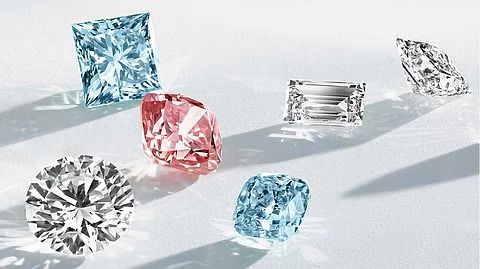
Understanding the Shockwave: Why De Beers’ Price Cut Matters
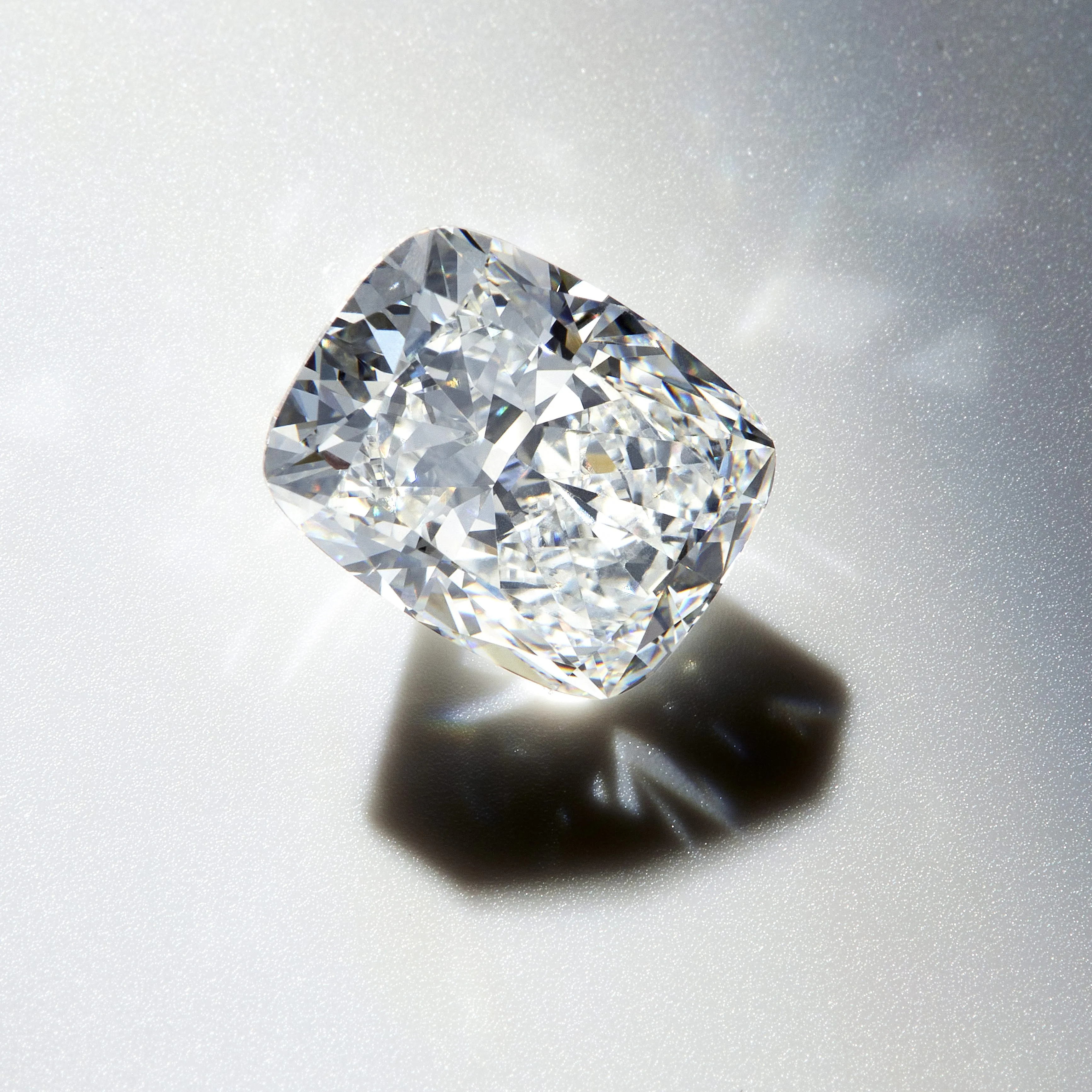
For the first time in over a year, De Beers the historic custodian of the diamond industry has implemented a significant cut in official rough diamond prices. This isn't merely an adjustment; it's a powerful market signal reverberating through every level of the supply chain. For jewellers navigating the turbulent landscape of 2026, understanding the "why" behind this move is critical for survival and success.
The primary driver is a stalled supply chain. Lower rough prices are a classic tool to restart deal flow after a period of weakened demand, essentially offering an incentive for manufacturers and cutters to resume purchasing. This comes as natural diamond inventories have backed up upstream, from miners to polishers, due to softening demand in key commercial segments.
The Elephant in the Room: The Meteoric Rise of Lab-Grown Diamonds
To comprehend the pressure on natural diamonds, one must acknowledge the transformative impact of lab-grown alternatives. The data is staggering:
Market Penetration: Lab-grown diamonds now constitute approximately 52% of center stones in U.S. engagement rings, a seismic shift from less than 3% just a few years ago (source: Edahn Golan Diamond Industry Research).
Overall Share: In the broader jewellery market, about 42% of all diamond jewellery sold now features lab-grown stones.
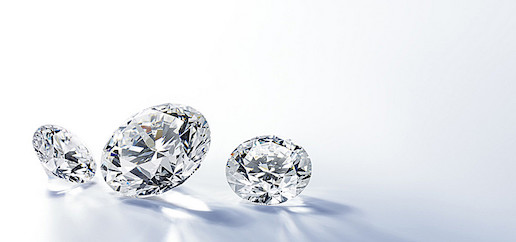
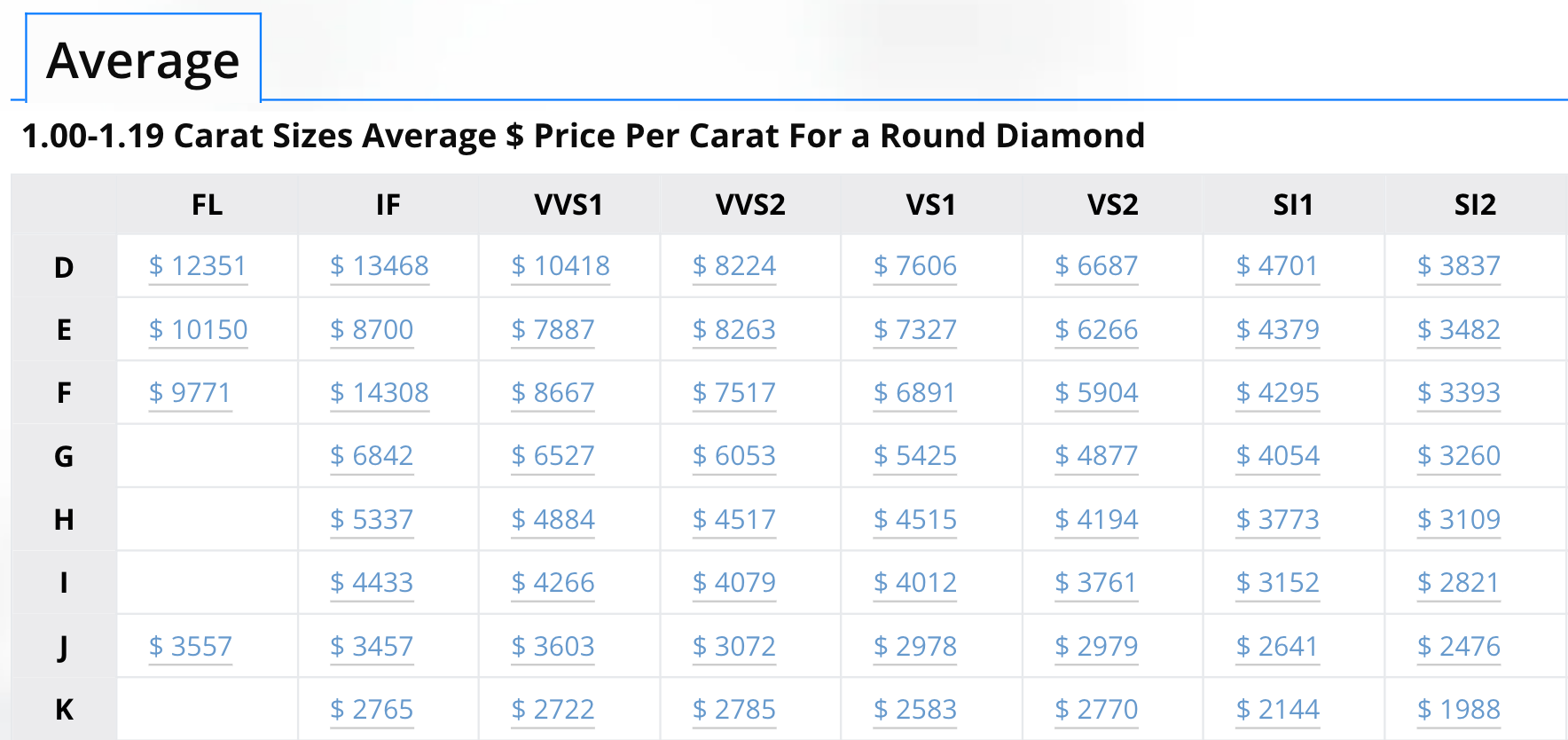
Price Reset: The most disruptive factor is price. A 1-carat natural diamond averages around $4,200, while its lab-grown counterpart retails for $1,000 or less. This has fundamentally reset consumer expectations on size versus budget, particularly in the engagement and bridal segment.
This shift is supported by broader trends in synthetic gemstone adoption, as noted in research from institutions like the Gemological Institute of America (GIA) and analyses from the World Diamond Council.
What This Means for Jewellers in 2026: Strategic Implications
The convergence of De Beers' price cuts and the lab-grown surge creates a dual-path future. Here’s how jewellers can adapt:
1. Re-evaluate Inventory and Positioning -
The softening of natural diamond prices presents an opportunity to source key goods at better rates. Consider a balanced inventory strategy.
For clients seeking tradition, rarity, and inherent value, highlight your curated selection of natural diamonds.
For budget-conscious or ethically-focused clients seeking maximum size and brilliance, offer a beautiful array of lab-grown diamonds.
→ Source your natural diamonds strategically from trusted marketplaces like CaratX's Natural Diamond Collection.
→ Explore the value and selection in our Lab-Grown Diamond category.
2. Master the New Narrative -
For Natural Diamonds: Emphasize legacy, geological rarity, long-term value retention, and the emotional weight of a billion-year-old creation. Education is key discuss origin, cut quality, and the enduring symbolism.
For Lab-Grown Diamonds: Champion innovation, accessibility, design flexibility, and a smaller environmental footprint (when backed by credible evidence). Focus on the ethical assurance and the ability to achieve a dream design within budget.
3. Diversify into Colored Gemstones -
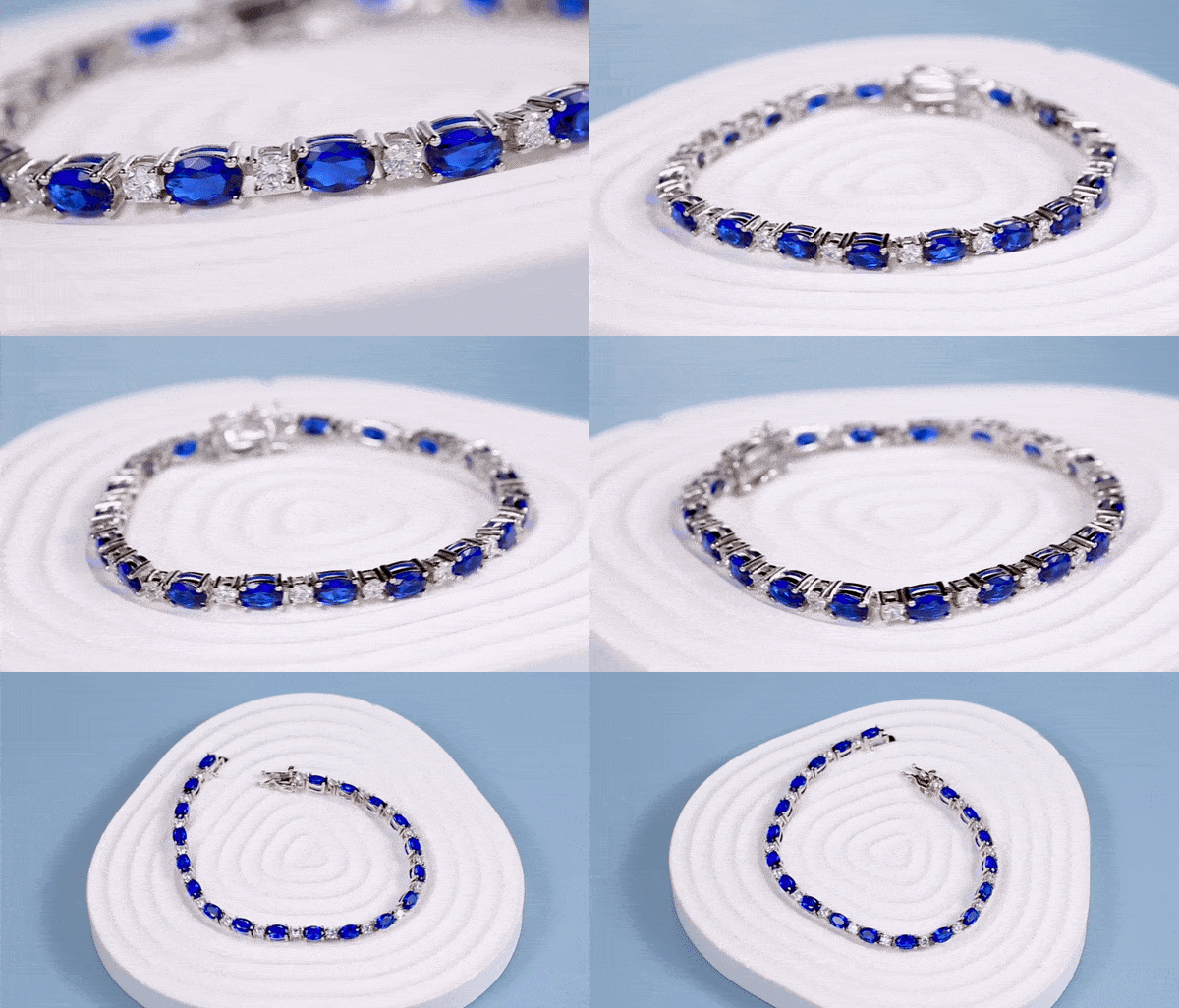
With diamond dynamics in flux, coloured gemstones offer a vibrant avenue for growth. They provide unique design opportunities and cater to personalization trends. Ensure your supplier offers a spectrum of quality and origin.
→ Discover a world of color with our extensive collection of Fine Gemstones.
4. Leverage Global Digital Marketplaces -
The need to efficiently reach broader audiences and optimize supply chains has never been greater. Digital B2B and B2C marketplaces allow jewellers to:
Access a global buyer base.
Streamline inventory sourcing.
Reduce intermediary costs.
→ Learn how to expand your reach by launching your products internationally on the CaratX marketplace.
The Road Ahead:
The current market corrections reflect a broader evolution in consumer preferences and global economics.
Ready to adapt your business for the future of jewellery?
→ Sellers, register here to start selling to B2B and B2C buyers across 18+ international countries - www.caratx.com/register
→ For detailed information on our seller plans and pricing, visit our comprehensive guide - https://caratx.com/generic-pages/launch-your-products-on-caratx
Frequently Asked Questions (FAQs) for Jewellers
Q: Does De Beers' price cut mean natural diamonds are a bad investment now? A: Not necessarily. Price adjustments are a market-clearing mechanism. For jewellers, it can improve sourcing costs. For consumers, it may enhance accessibility to certain categories. Natural diamonds remain valued for their rarity and legacy.
Q: Should I stop selling natural diamonds and focus only on lab-grown? A: A binary shift is risky. Consumer segments exist for both. A diversified strategy, clearly communicating the distinct value proposition of each, is likely the most resilient approach.
Browse both our natural and lab-grown inventories to compare.
Q: How can I competitively price my jewellery in this volatile market? A: Leveraging efficient, global digital platforms can reduce your cost of goods sold. This allows for competitive pricing without compromising margin.
Explore the CaratX seller plan to understand how to optimize your costs.
Q: Are there reliable resources to educate my staff and customers on these changes? A: Yes. Authoritative sources like the Gemological Institute of America (GIA) offer extensive educational materials on both natural and lab-grown diamonds. Industry analyses from groups like the Antwerp World Diamond Centre (AWDC) provide valuable market context.
Image Credit - Diamond World