
The global diamond industry is standing at a crossroads. After a turbulent 2024 characterized by plummeting demand and pricing pressure, the industry is cautiously optimistic about a rebound in 2026. According to recent trade analysis, the market is undergoing a structural realignment from mining giants cutting production to the explosive growth of the lab-grown diamond sector.
At CaratX , we bridge the gap between traditional natural diamond trading and the future of digital B2B/B2C sales.
Whether you are looking to sell diamonds in 18+ international countries or shop natural diamonds at unbeatable prices, understanding these macroeconomic trends is crucial for success.
India’s Polished Diamond Resurgence -
The Indian diamond manufacturing hub, primarily based in Surat and Mumbai, entered the calendar year with renewed optimism. After months of cautious buying and inventory liquidation, polished manufacturers are seeing a slight uptick in orders from the US and Middle Eastern markets.
Why the optimism?
Production Cuts: Major miners implemented significant production cuts in 2024/2025 to stabilize rough prices. This aligns with basic global economic principles of supply and demand taught in economic theory, reducing the pressure on manufacturers who were bleeding cash due to high rough costs and low polished prices.
The US–India Trade Deal: The recent trade agreements signed in February 2026 have bolstered confidence. By reducing tariffs and streamlining export processes, Indian manufacturers can now offer more competitive pricing to American retailers.
However, the report warns that this recovery is fragile. The industry must avoid flooding the market with inventory.
For manufacturers looking to liquidate stock intelligently without saturating local markets, registering on a global platform like CaratX allows you to tap into international demand without dumping prices locally.
The Shift in Global Production: De Beers, Alrosa, and Angola
The geopolitical landscape has reshuffled the deck in the rough diamond supply chain. Historically dominated by De Beers and Alrosa, the market is seeing a new balance of power.
Lower Output from Majors: Sanctions on Russian goods (impacting Alrosa) and strategic production cuts by De Beers have led to a supply gap.
The Rise of Angola: Mines in Angola, particularly the Luele mine (also known as the Luaxe mine), are ramping up production. This shift is vital for the diversification of supply, ensuring that the market isn't reliant on a single source, which aligns with the ethical standards promoted by organizations like the World Diamond Council.
This changing balance influences global pricing structures. For buyers, this means increased competition for specific categories of stones.
You can view the latest availability and price trends on our marketplace by shopping our curated selection of natural diamonds here.
Market Data Deep Dive: 0.30ct to 3.00ct Analysis
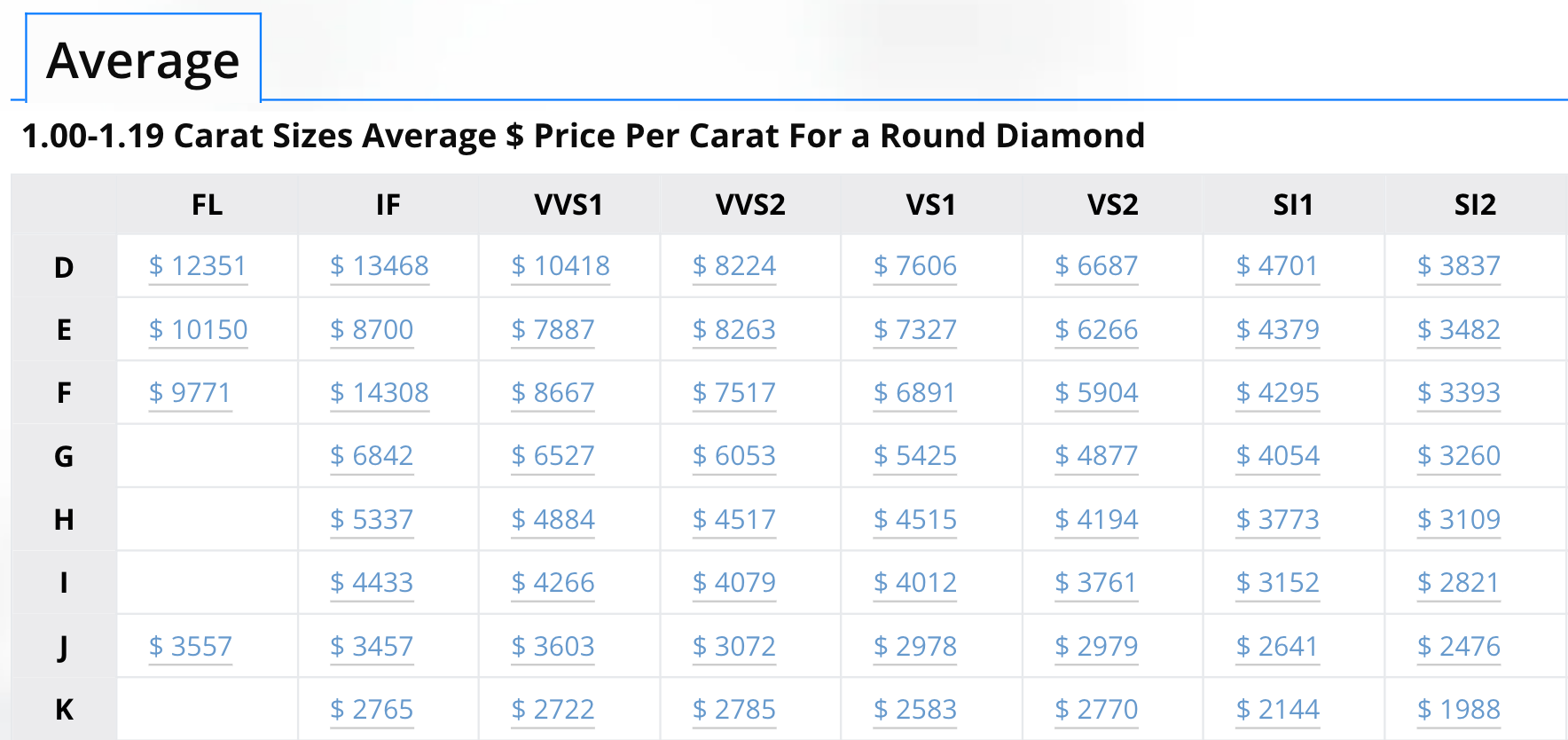
To truly understand the market, one must look at the granular data. The industry is currently experiencing a "K-shaped" recovery, where different segments perform differently. Here is a breakdown of the key carat categories:
0.30 Carat Diamonds (The Pressure Point): This category is facing the most significant headwinds. Often used in accent stones or entry-level solitaires, the demand for 0.30ct has been cannibalized by lab-grown diamonds.
Holiday season data shows that while volume moved, price realization dropped. Retailers are opting for melee and small stones only when necessary, keeping inventory lean.
0.50 Carat Diamonds: Stable. This remains the "sweet spot" for budget-conscious bridal buyers in emerging markets.
1.00 Carat Diamonds: The battleground. Natural 1-carat stones are competing directly with 2-carat lab-grown diamonds at similar price points.
3.00 Carat Diamonds (The Safe Haven): High-net-worth individuals continue to view large, high-quality natural diamonds as a store of value, akin to art or gold. This segment remains relatively insulated from economic downturns.
The Lab-Grown Factor and Market Adaptation -
We cannot discuss the 2026 recovery without addressing the elephant in the room: Lab-Grown Diamonds (LGDs) . The diamond trade has already become "smaller" in terms of natural diamond sales volume, largely due to the influx of LGDs.
While some purists see this as a threat, platforms like CaratX view it as market segmentation. The industry is adjusting to new realities where:
Natural diamonds represent heritage, rarity, and investment.
Lab-grown diamonds represent fashion, affordability, and accessibility.
This duality allows the market to cater to a wider audience. For sellers, this means diversifying inventory. If you deal in both natural and lab-grown, you can capture both segments.
Check our seller plans to see how you can list both categories and reach buyers looking specifically for one or the other.
Strategic Recommendations for 2026 -
To navigate the recovery successfully, businesses must adopt a hybrid approach:
Supply Discipline: Heed the warnings of the analysts. Do not overproduce. Use data analytics to predict demand rather than speculate.
Digital Transformation: The days of hand-carrying parcels to trade shows are numbered. Digital marketplaces reduce overhead.
By listing on CaratX, sellers can reach vetted buyers in 18+ countries without the travel costs.
Why CaratX is Your Partner in the 2026 Recovery -
As the industry consolidates and becomes more digital, CaratX stands as the premier marketplace for diamond and jewelry trade.
For Sellers: Register here to start selling to B2B and B2C buyers globally.
For Jewelry Brands: You can now sell jewelry internationally through our integrated seller plan.
For Buyers: Looking to build inventory? Shop gemstones and diamonds at competitive prices.
For Transparency: Review our pricing and launch details to understand how we are democratizing the diamond trade.
Frequently Asked Questions (FAQs)
Q: Will diamond prices drop further in 2026? A: It depends on the category. With major miners cutting production, rough supply is tightening, which should support prices for mid-to-large natural stones. However, small stones (like 0.30ct) may continue to face pressure from lab-grown alternatives.
We recommend checking live market rates on CaratX for real-time pricing.
Q: Is it a good time to invest in natural diamonds? A: Historically, diamonds have been a hedge against inflation. With the current supply cuts and the stabilization of the US market, entering the market in late 2025/early 2026 could yield long-term gains, especially for investment-grade stones (D-F color, IF-VVS clarity, 3ct+).
Q: How is CaratX different from other B2B platforms? A: CaratX focuses on a seamless user experience for both natural and lab-grown goods. We offer access to 18+ international markets, competitive seller plans, and a vast inventory for buyers. Register for free to explore the dashboard.
Q: Where does Angola's diamond production rank globally? A: Angola is now a top-tier producer, often ranking 3rd or 4th globally by value. The increase in production from Angola is a key factor in balancing the supply gap left by reduced Russian output.
Ready to take advantage of the 2026 recovery? Start selling or buying today on the most dynamic diamond marketplace.
Follow CaratX for more insightful and educational content.
Image Credit - Robinson's Jewellers